Our last stop on the island of Kyushu is Nagasaki. Nagasaki sits on the northwest coast and is a harbour city with lots of hills. We arrive by lunchtime and have a list of places to tick off our list. We start of course, with lunch, this time at a famous Chinese restaurant called Shikairo. This restaurant is considered to be the place where champon (a signature local ramen dish) was invented. It’s really tasty and we also check out the small museum they have, showing the history of the restaurant from the late 19th century.
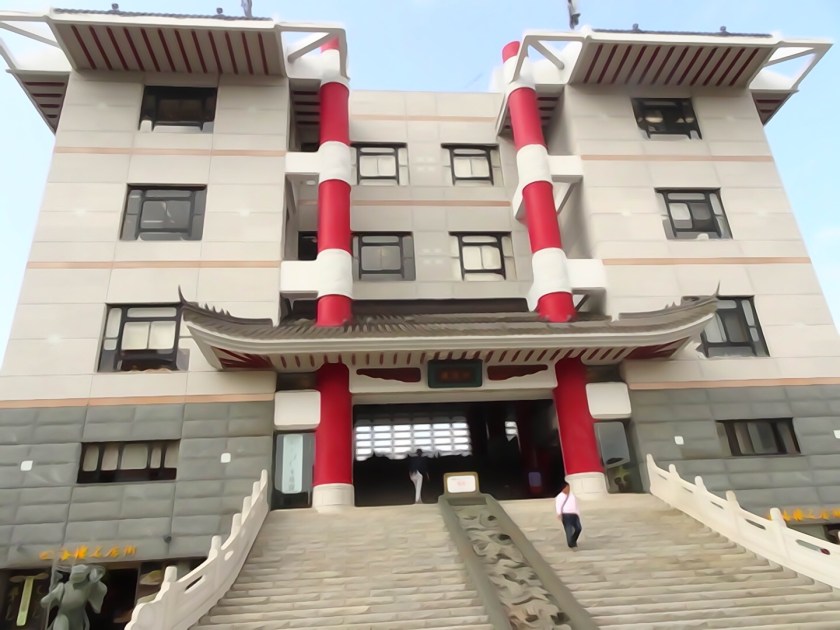
Moving on to our list of must-see’s we start with a trip to Glover Gardens which is an open air museum of western houses built for foreign merchants in the 19th century. Thomas Glover was Scottish and came to Nagasaki at the age of 21. He is considered as the man who brought western technology (such as mining and shipbuilding) to Japan and therefore a very important historical figure. The Glover house is the oldest western style wooden building in Japan and has recently been listed by UNESCO as world heritage site. It was just far enough away from the hypocenter of the atomic bomb not to get damaged (more on that tomorrow).
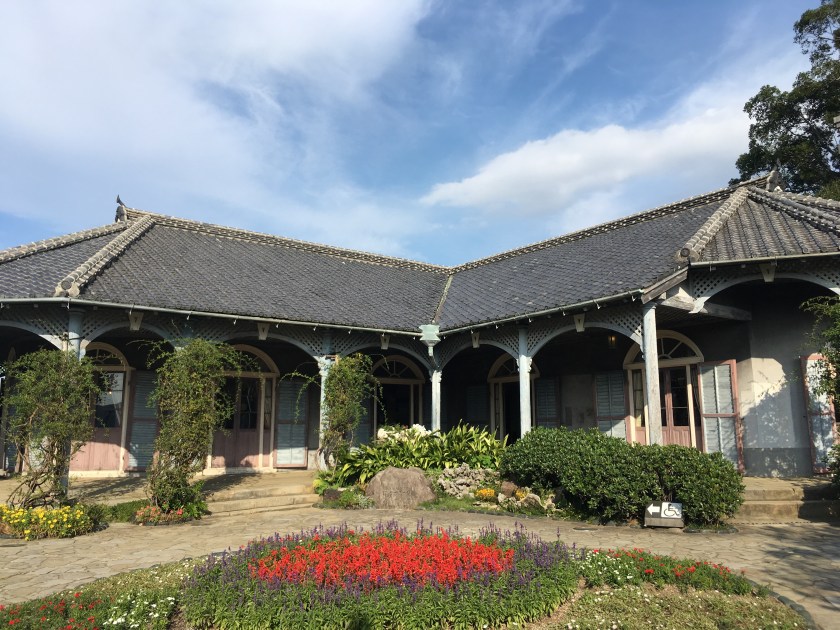
A very interesting side story on Thomas Glover is that Puccini’s Madame Butterfly, which is set in Nagasaki, is actually modeled on the story of Glover and his Japanese wife (or possibly another woman who bore him a son.. the story got a bit confusing). She was known as “Madame Chrysantheme”. There were some interesting exhibits regarding the opera when it was performed in Nagasaki by a famous Japanese opera singer, but it was all in Japanese so we couldn’t figure it out. We did see an original signed score by Puccini though.
Our next place to visit is the Confucius shrine:
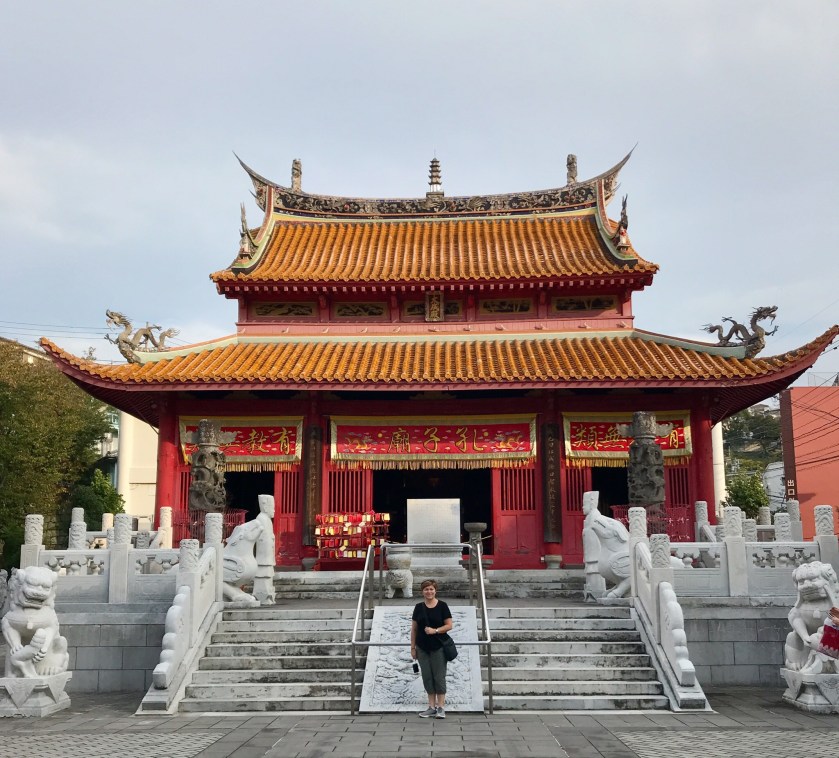
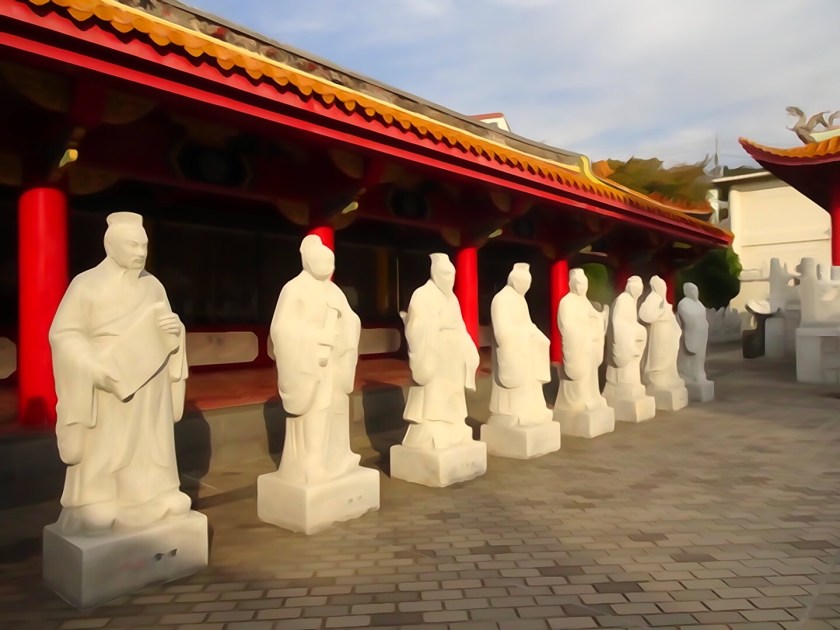
I love this place. Lest we forget, Confucius was a teacher, philosopher and politician and he really did have a lot of wise words to say. Every so often it might be good to look up a few of those. One of my favorites is “real knowledge is to know the extent of ones ignorance”. Love it!! The temple is flanked by seventy-two sages who at some point were students of Confucius.
As the sun goes down we make our way to the Ropeway cable car up Mount Inasa for a wonderful view of the city… allegedly voted third best in the world (alongside Monaco and Hong Kong) in 2012!!!! 😏

We finish the evening with yes you’ve guessed it, wine and of course food, this time at an outdoor place on the water called “delicious restaurant attic” – how could you pass by with a name like that!
Day 2 we have a guide and we hope to get the low-down on Nagasaki. Yukiko doesn’t disappoint. She not only gives us the history of the places we visit but she answers all sorts of questions we have and tells us all sorts about Japan and the Japanese people. I think we saved the best guide til last.
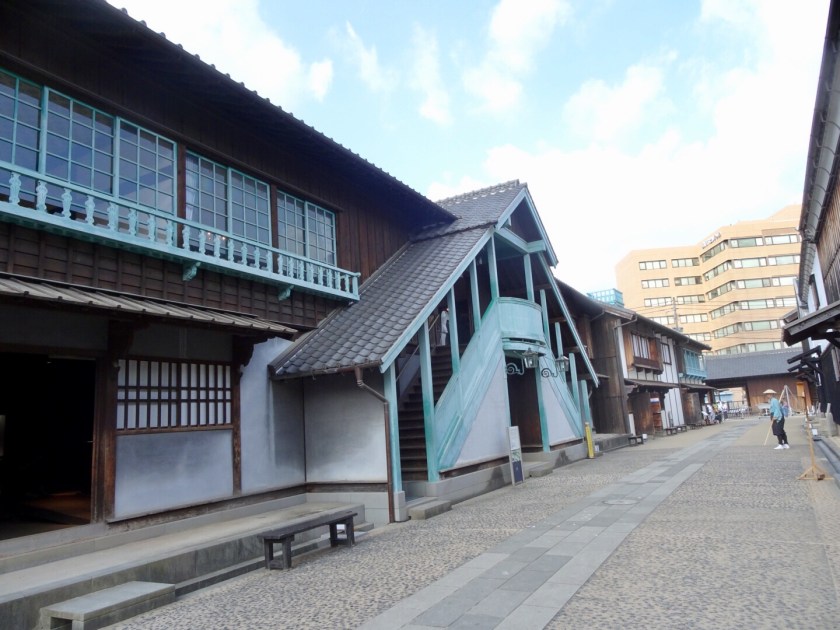
We start by visiting Dejima which was an island built in 1636 to isolate Christians and restrict the spread of Christianity. It ended up being a place where the Dutch and Portuguese managed foreign trade in and out of Japan.
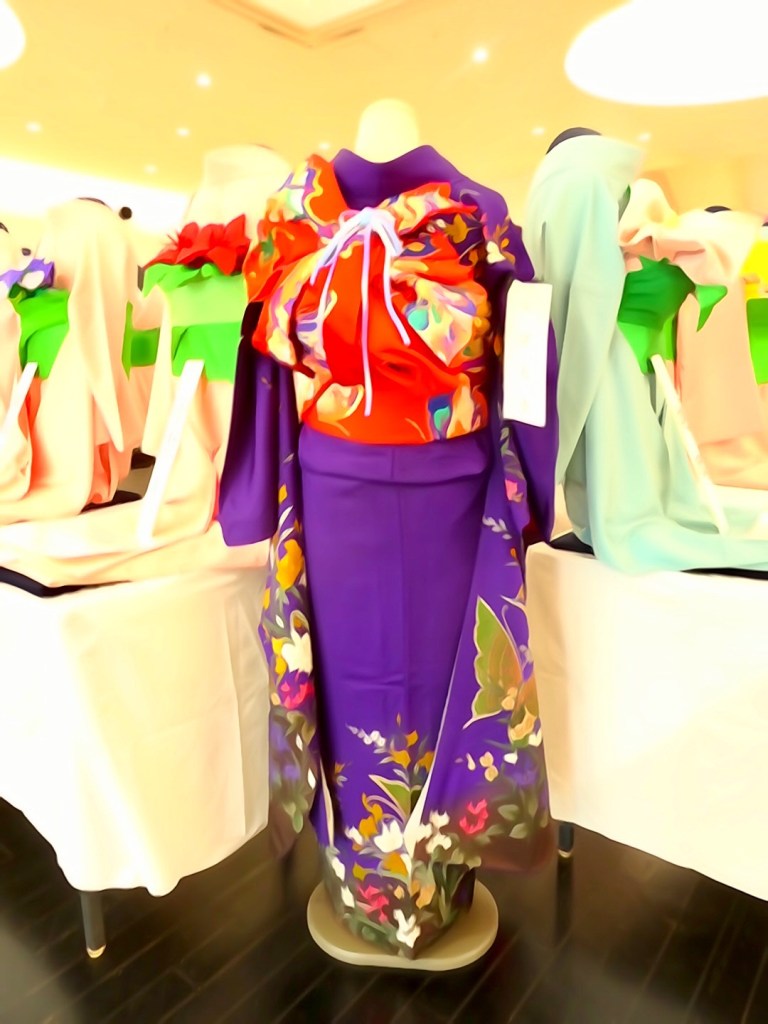
Next we visit the Nagasaki Museum of History and Culture to learn more about old Nagasaki. As we enter there’s a display of kimonos which is amazing:
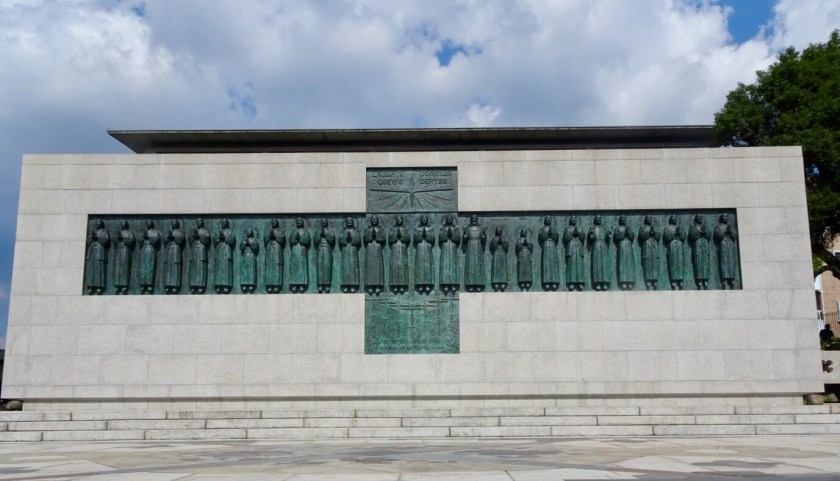
From here it’s a quick stop for lunch in China town and a quick stop at the site of the twenty-six martyrs monument. In 1597 these 26 Christians were walked here from Kyoto and crucified on this hill to act as a warning to others against the Christian faith. The monument was built to commemorate their canonization as catholic saints.
The afternoon is dedicated to the WW2 history. We start by visiting the Nagasaki Atomic Bomb Museum. It’s really well laid out and gives a timeline of the key activities in WW2 as well as some background on other conflicts building up to it. It explains how the atom bomb exploded and shows many pictures of Nagasaki before and after. It’s very factual and there’s no sense of blame or hatred just an obvious appetite for peace. One of the striking things is how quickly the city built itself back up. Within just ten years the city was starting to flourish. Walking around now we didn’t see any homeless or beggars… you’d wonder how some countries can make things happen where others cannot.
I learned quite a bit about how the immediate burst of heat, light and radiation affected people and buildings when the atomic bomb exploded and one really fascinating thing was the shadows that it created. Apparently the intense heat and UV radiation that vaporized both people and objects, depending on proximity to the hypocenter, left shadows behind.
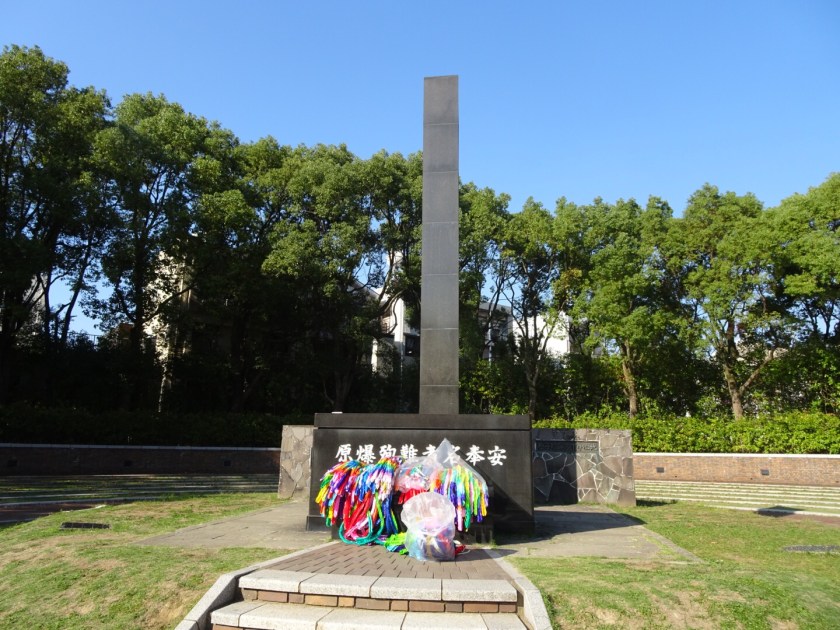
It’s a short walk from the museum to the peace park where a monolith draped with garlands marks the exact spot (i.e. hypocenter) where the bomb went off:
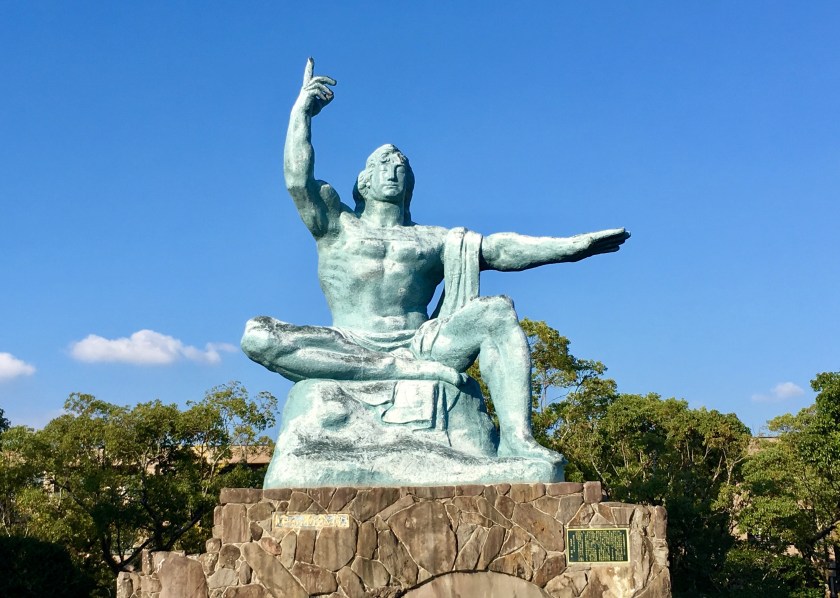
We walk around the gardens and see many monuments that have been donated by countries all over the world. Ultimately we arrive at the peace statue with its right hand pointing skywards (warning of the bomb) and the left hand stretching out horizontally to symbolize world peace.
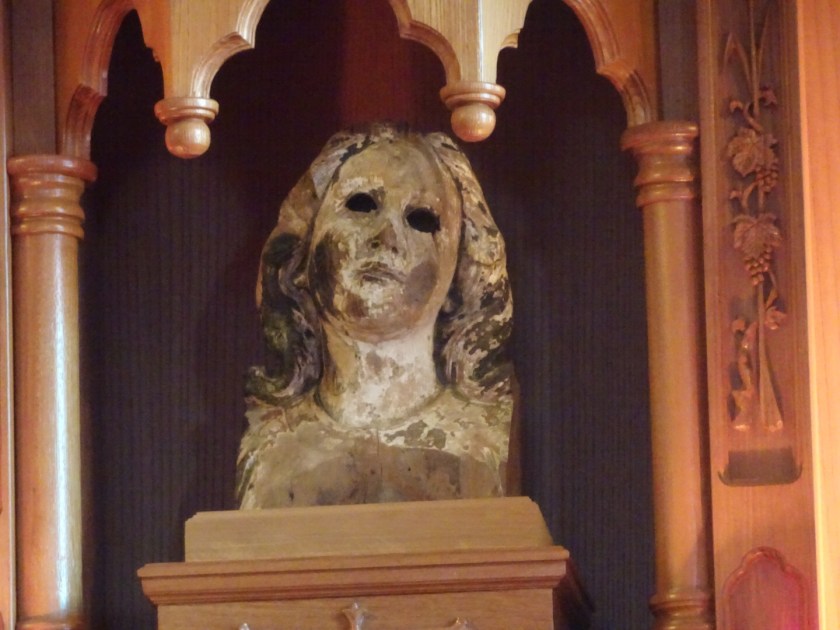
After the peace park we walk to Urakami cathedral which houses a statue of our lady which was damaged in the bomb. There’s a replica in the main church but our guide gets us into a small chapel to see the actual remain.. it’s quite eerie:
It’s been a full day and we’re ready to switch from somber thoughts to a lighter mood.
It’s a Chinatown dinner for us tonight which works out surprisingly well as we stumble into an Italian!!! Strange how that happened but we go with it as it’s cozy and they have decent wine!!
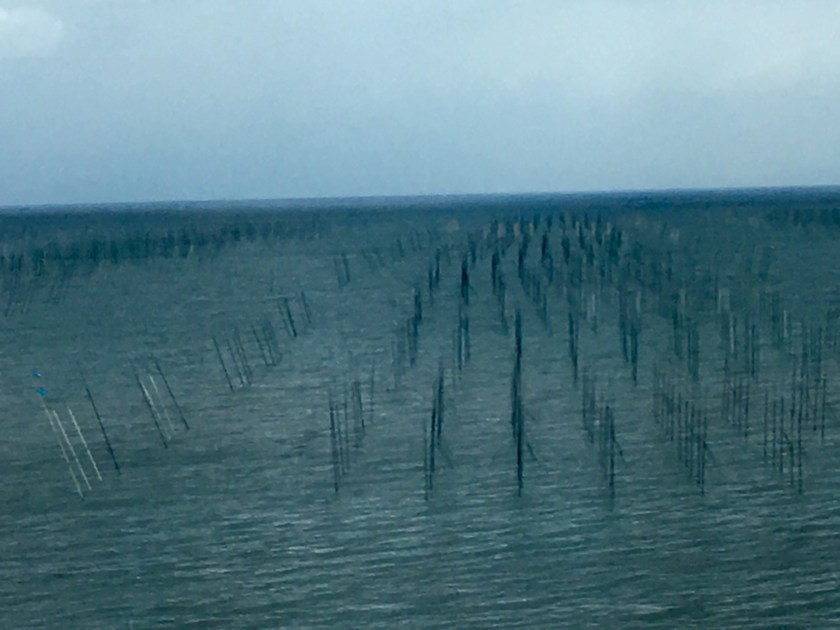
Next morning we set off for Hiroshima (back on the island of Honshu), the town famous for having the first atomic bomb hit in 1945. (If I didn’t mention it already Nagasaki was the site of the second bomb, three days after Hiroshima). Two days in a row of WW2 history but it has to be done when visiting these places. It’s a fairly scenic train journey and along the coast we see what I think are fishing poles…
Yet again we arrive at lunchtime and we decide to go for the Hiroshima style okonomiyaki pancake… aka obiwankinobe! It’s quite different to the one we had in Kyoto and is served on a hot plate in front of us. They give us a spatula to cut and then eat it from. It’s quite an experience

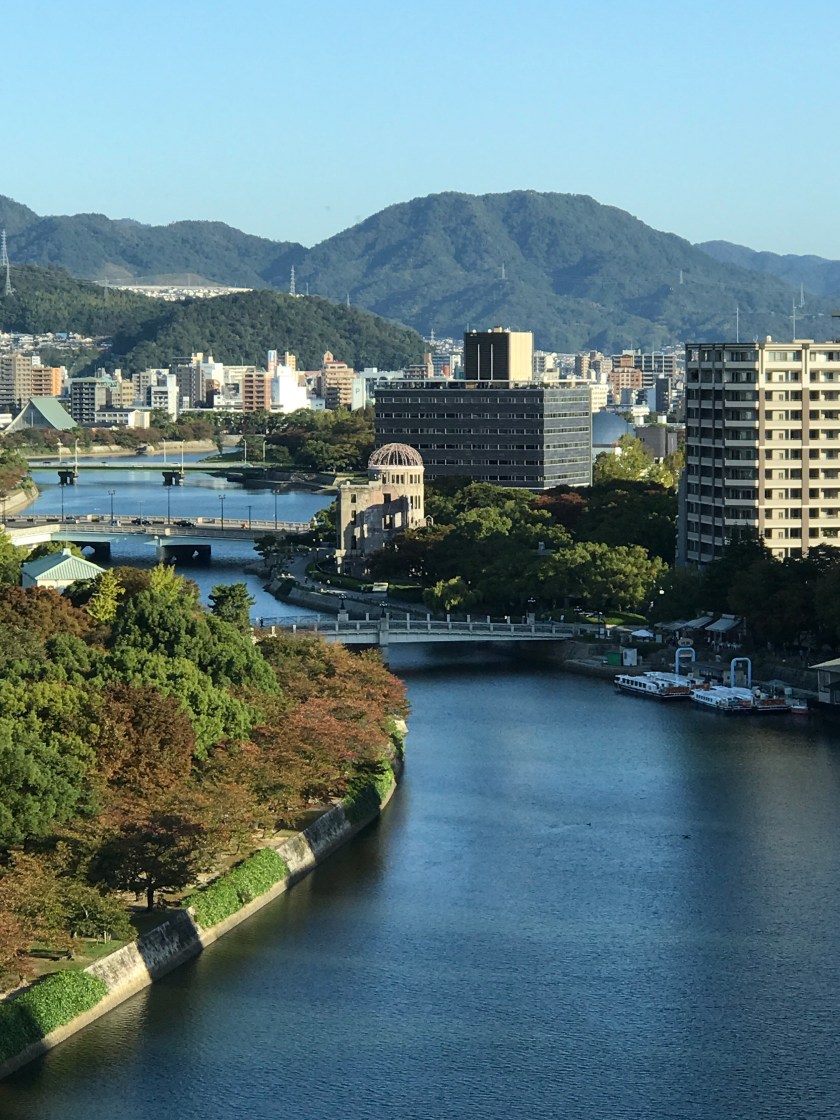
Bellies full (again!) we head toward the peace park. The official Hiroshima Peace Memorial is known as the Atomic Bomb Dome or Genbaku dome. This was a government building that was devastated during the atomic bomb but part of the structure remained standing. Because of its proximity to the bomb exploding (150 metres away) everyone in the building was killed instantly. The building was the only thing left standing among the ruins and although it was a controversial decision, it was preserved as a reminder of the devastation caused.

We have a great view from our hotel of the city and the dome:
We continue walking through the peace park where there are multiple monuments (as in Nagasaki)
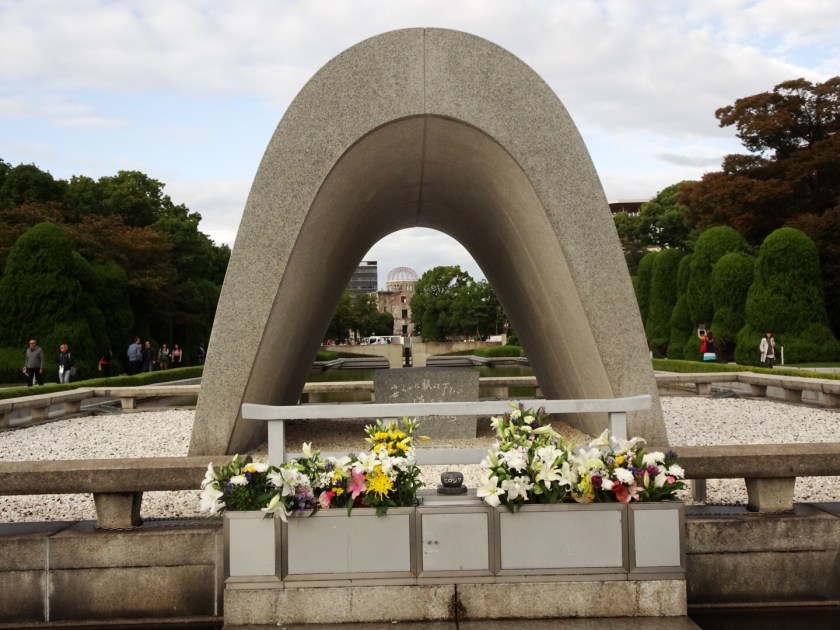
We spend some time in The Hall of Remembrance which is a very powerful exhibit in memory of the victims. 70,000 people were killed instantly and by the end of 1945 it was as many as 140,000. In this hall there’s a 360 panorama of the bombed city as seen from the hypocenter (which was a hospital). It’s made with 140,000 tiles representing each victim and on the bottom are the names of the bombed neighborhoods, placed lower on the wall the closer to the hypocenter. It was hard to capture on camera and was definitely a place to quietly contemplate
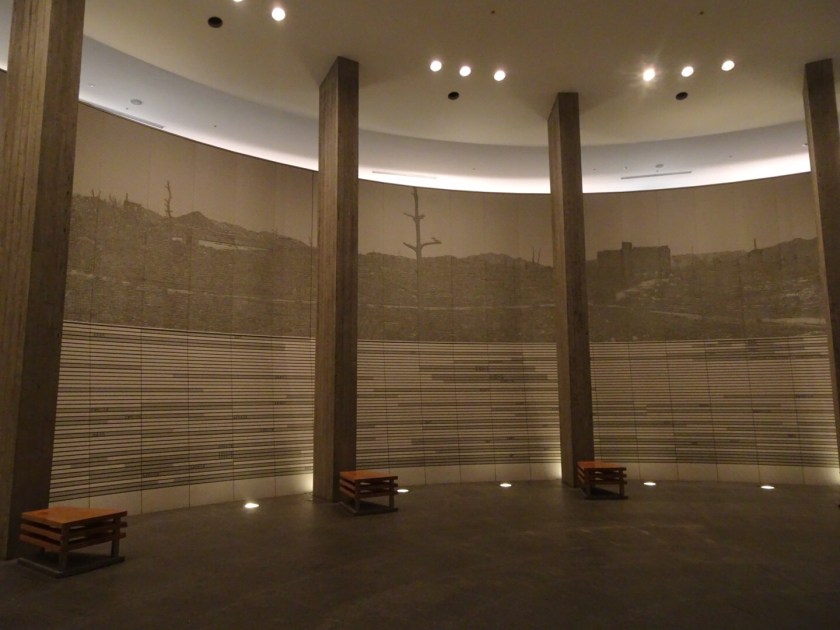
From here we visit the museum and learn more about the specifics of the bombing and some of the personal stories. As with Nagasaki the over arching message is to try to live in a world of peace without nuclear weapons …
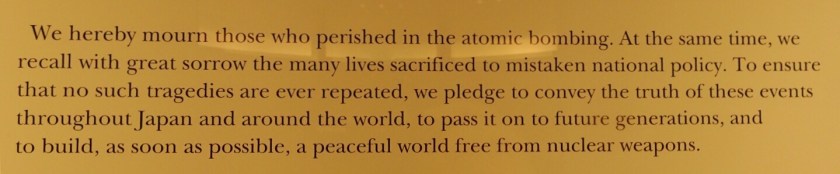
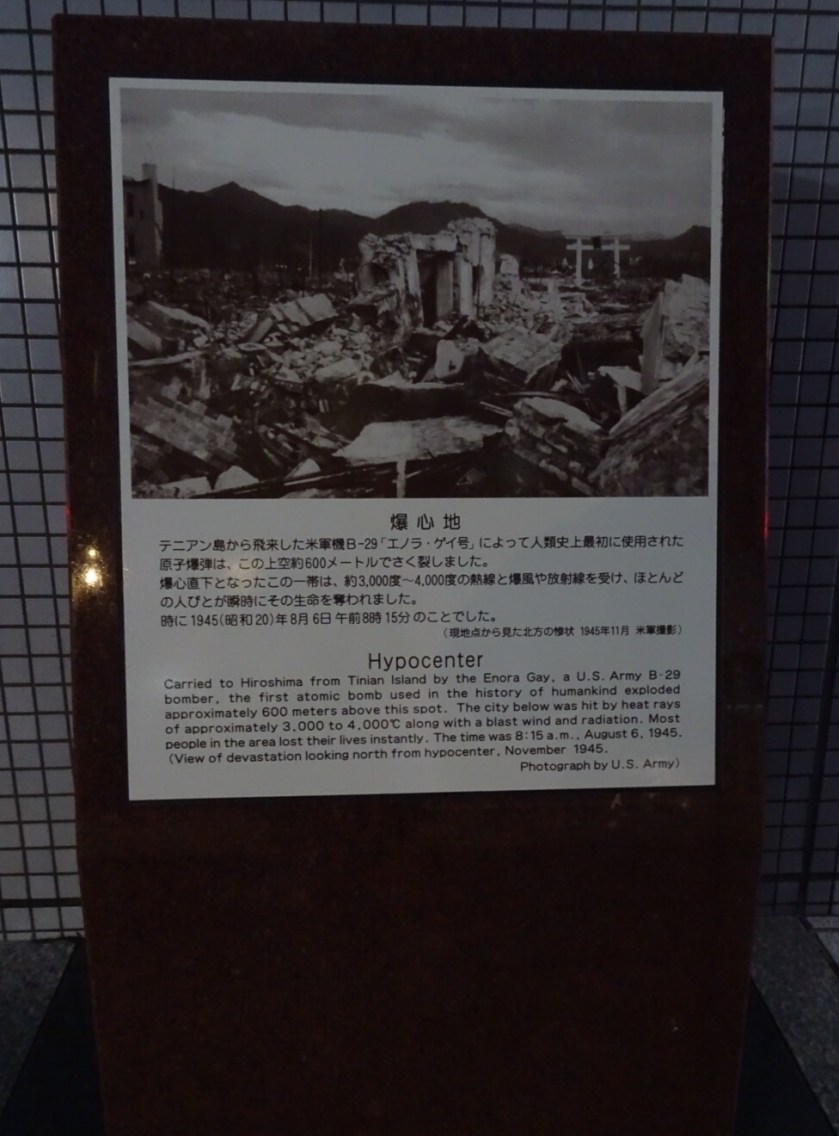
We walk to the hypocenter of the bomb, a few metres away and find it’s marked with a small plaque on the side of a backstreet.
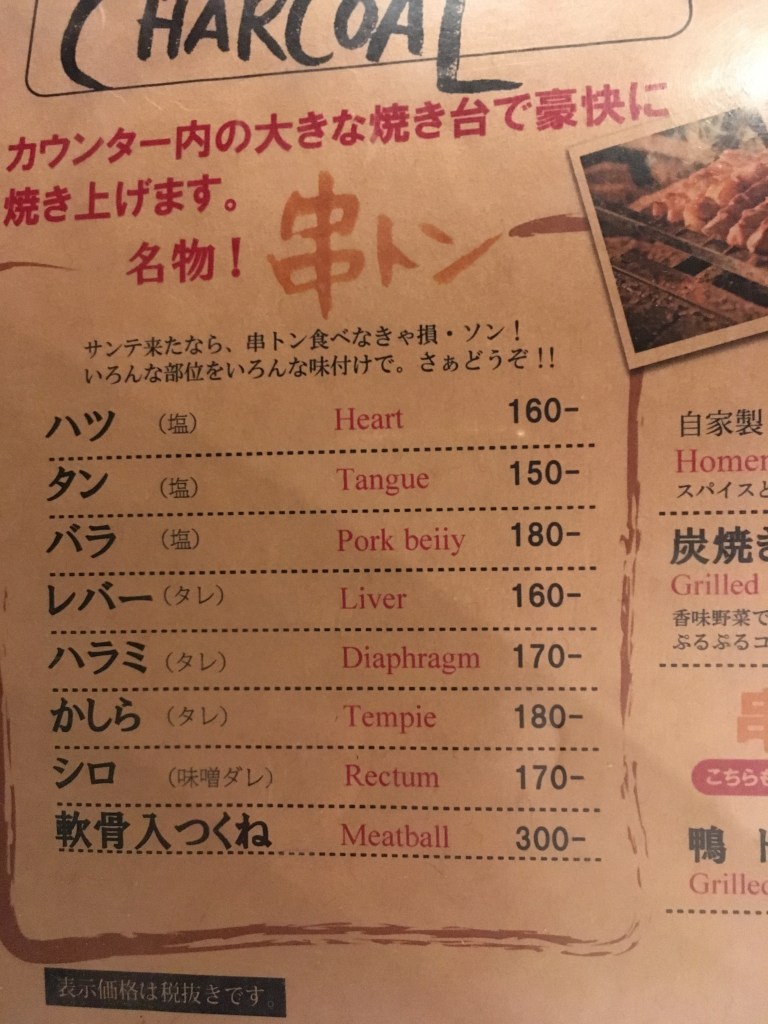
It’s quite tiring on your brain and emotions so we call it a day. After a very successful spot of shopping (the Japanese backpack is a must-have here) we go into a restaurant not far from our hotel and it seems we’ve stumbled into a really cool local spot. The wine is great and we order tapas style from a very interesting menu. All of the following are from the pig… we were only brave enough to try the meatball!
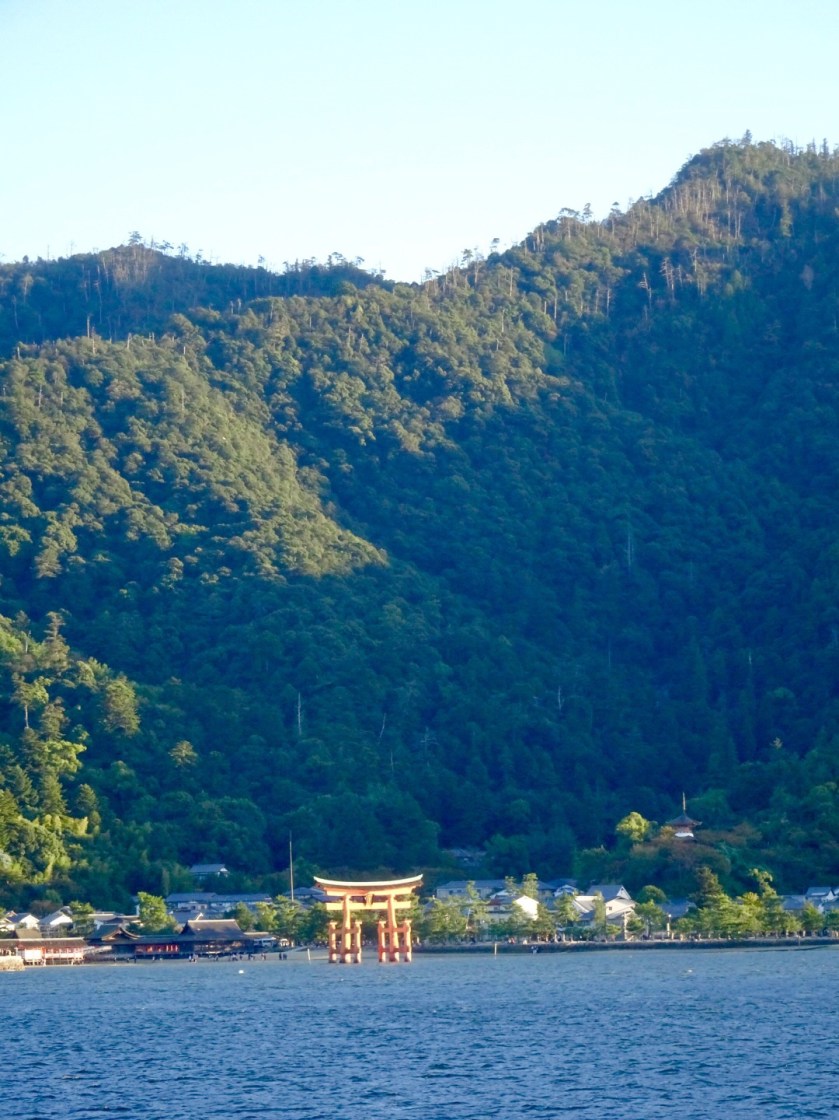
Our second day in Hiroshima is dedicated to visiting Miyajima island and hiking to the top of Mount Mizen. We set off with a packed lunch from the bakery and take a half hour train journey to the ferry. From the ferry we get a good view of the famous O-Torii gate which sits in water and depending on the tide can look like it’s floating
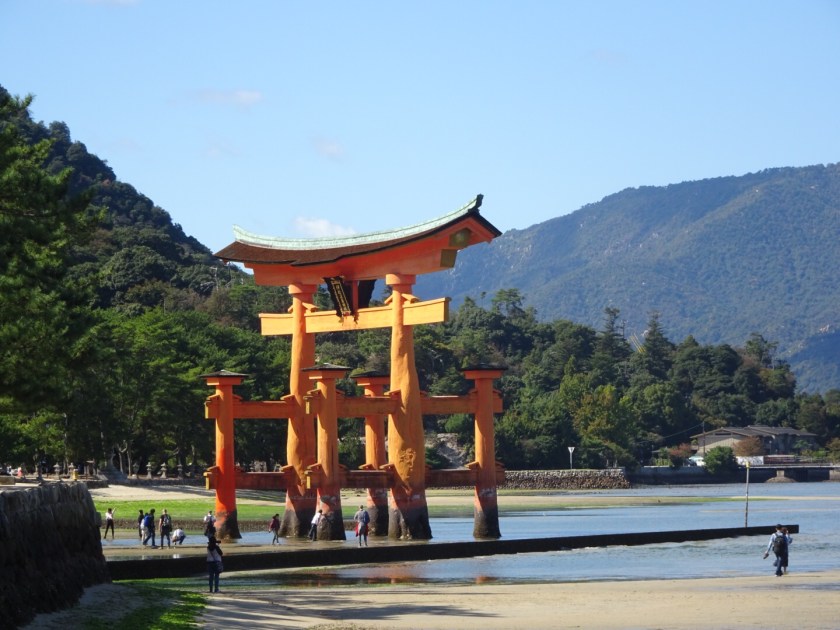
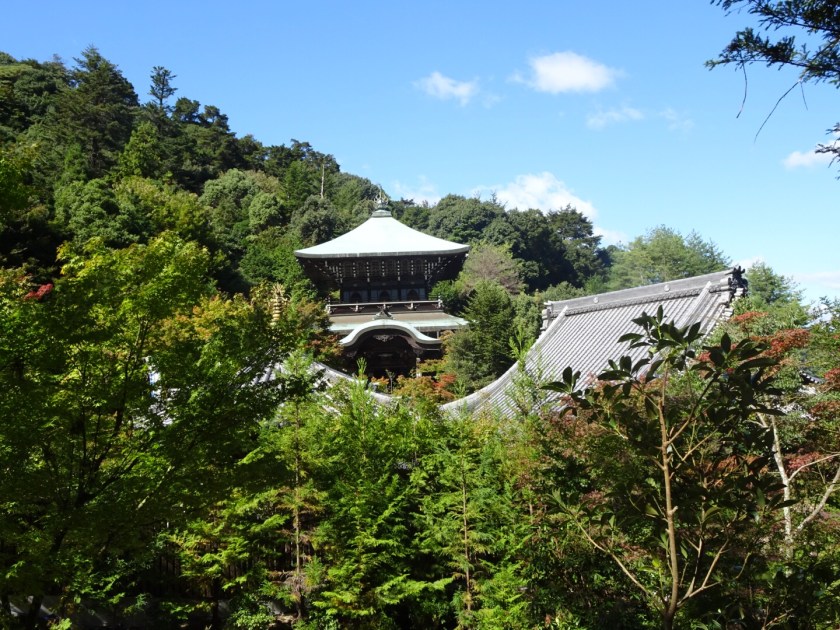
We visit Itsukushima shrine, the five story pagoda and Daishoin temple before tackling the steep climb up Mt Misen.
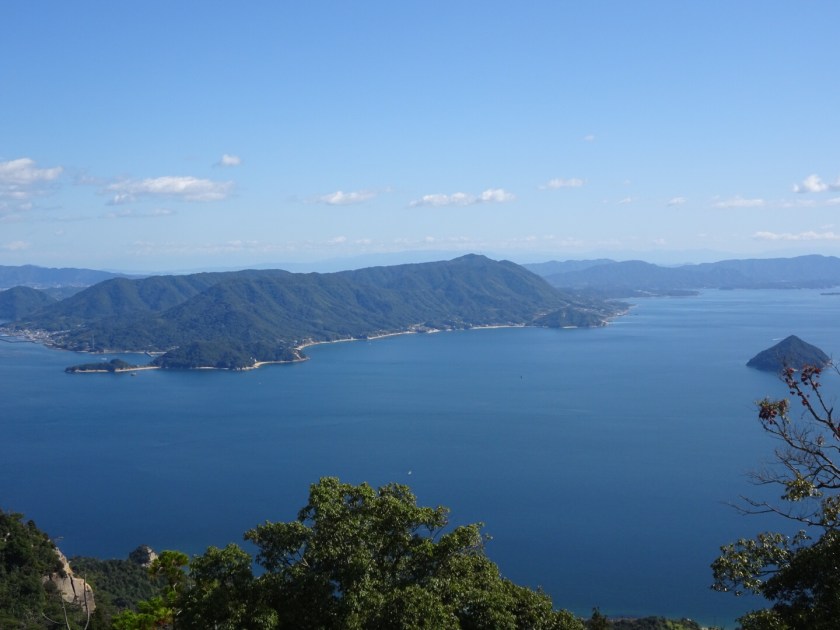
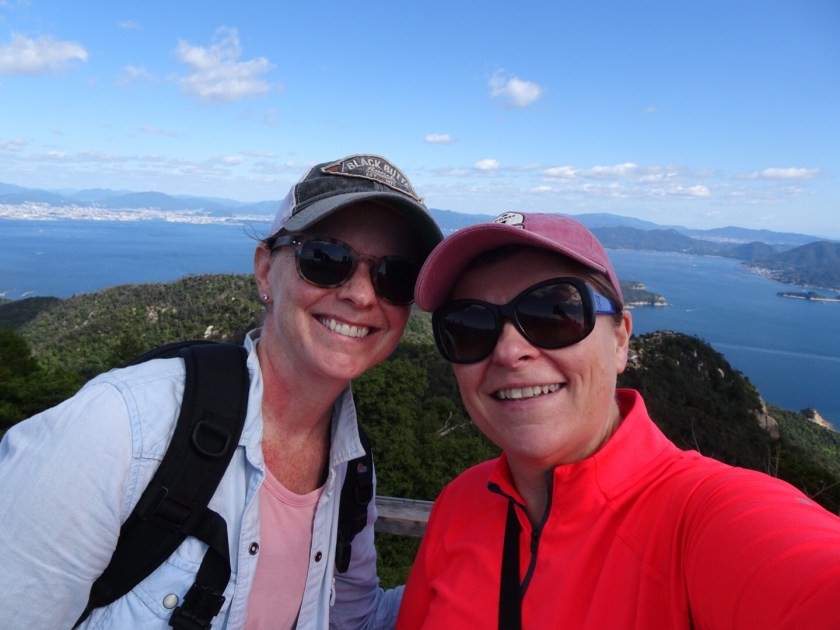
It’s a lovely hike with beautiful views from the top:
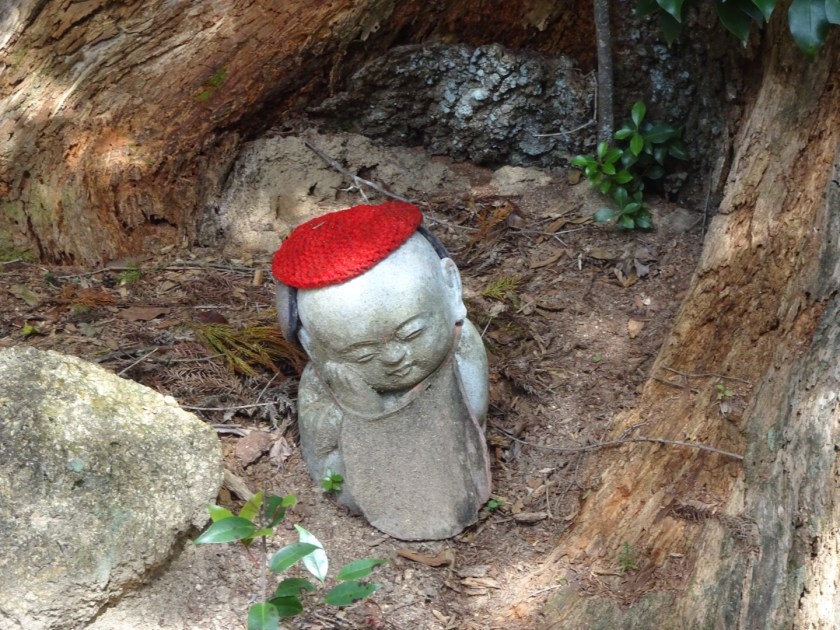
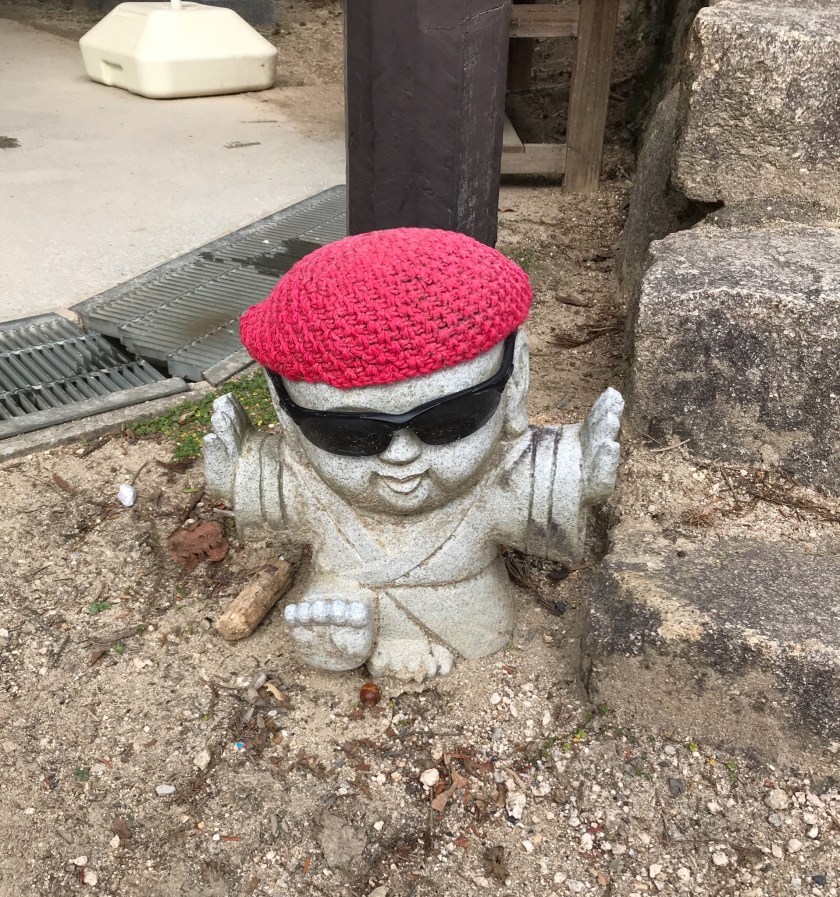
These little guys pop up along the climb and in various places around the island
Back on the ferry, train to hotel, shower and then it’s our last hoorah! We end up in kind of a sports bar, run by a guy from Nepal serving Japanese style burgers.. basically that means with the sauce from the obiwankinobe pancake!!! It’s really tasty but it’s busy and the food is delayed so before we get to eat, we’ve finished our bottle of wine.. oh dear! Another couple of glasses and a game of pool with some expats and we bring our Japan adventure to an end. Tomorrow morning we’re Tokyo bound where I say goodbye to Megan … sob sob but what a great trip. I’ve one night left solo, don’t know how I’m going to navigate this without my map reader extraordinaire.


Absolutely loved reading all your blogs …I want to know if you’ll be back here for our gym night out .it’s on the 8th December..the guys have organised it this time..hope you can make it xx
LikeLiked by 1 person