New Zealand Part I : Auckland and The Coromandel

I’m on the North Island having flown into Auckland last night and this morning I’m taking a two hour ferry to The Coromandel. The Coromandel is a peninsula sticking out of the top eastern part of the north island. I have a two night stay in this area which is supposed to be beautiful so really looking forward to it.

The ferry ride flies by as there’s plenty to see and the captain gives a running commentary. As we leave the harbour which is sheltered by the Hauraki gulf, he points out Bean Rock lighthouse which is the last “cottage” lighthouse in NZ and one of the remaining few in the world.
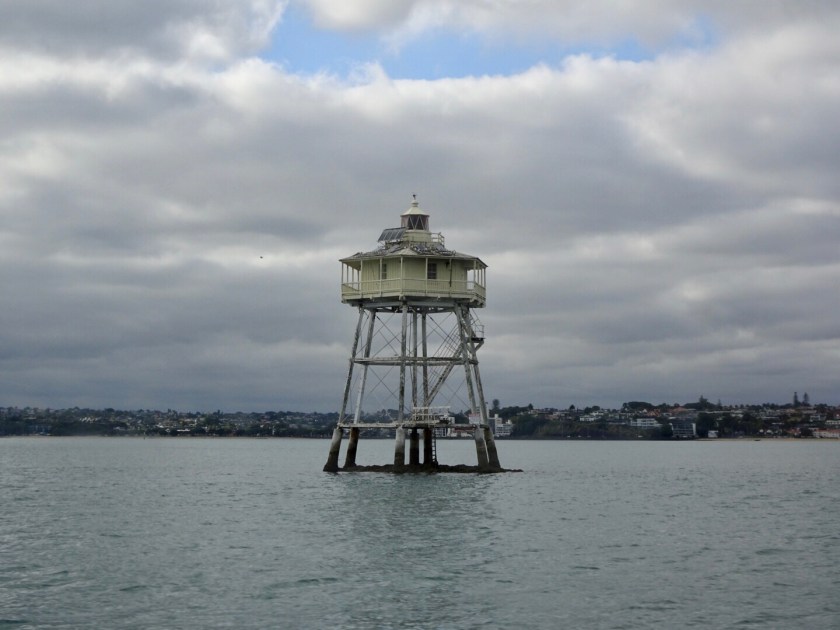
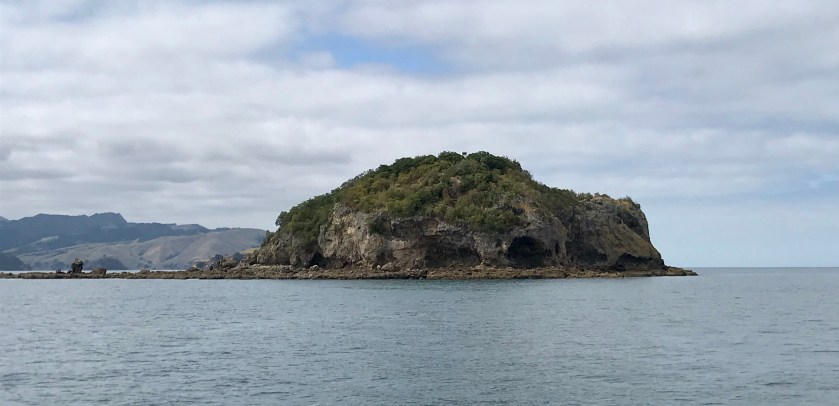
It’s a bit gray today but a comfortable temperature and the sun is starting to peak through the clouds. There are a lot of islands in this neck of the woods….
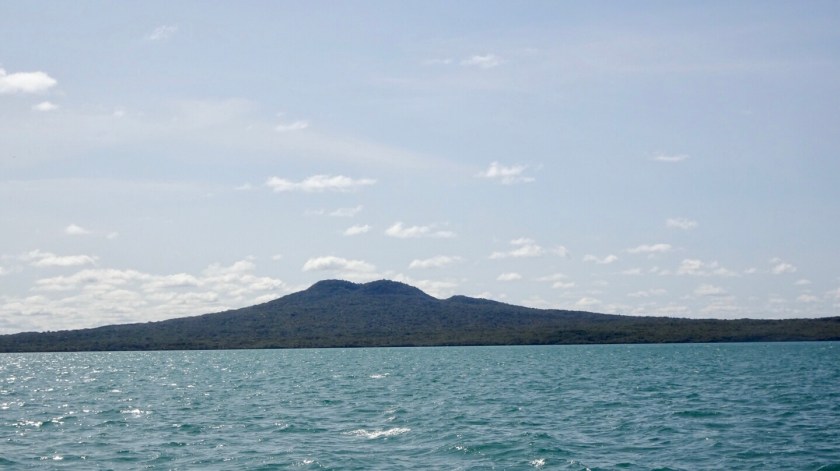
One in particular, called Rangitoto, is particularly picturesque as it has a perfect volcano shape (so the locals believe).
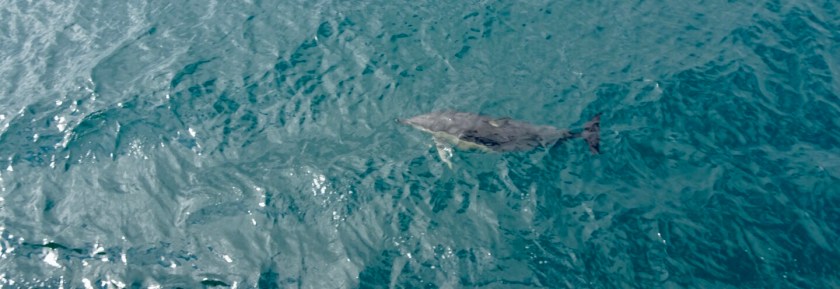
At one point on the crossing we’re treated to some dolphins swimming alongside the boat:
As we approach the Coromandel, we see a large number of boats in the bay catching mussels. I’ll be trying some of those later. On arrival, I’m met by the tour company and shuttled to Coromandel town. A quick lunch and then we’re off to explore the town starting with a train journey on the Driving creek railway.
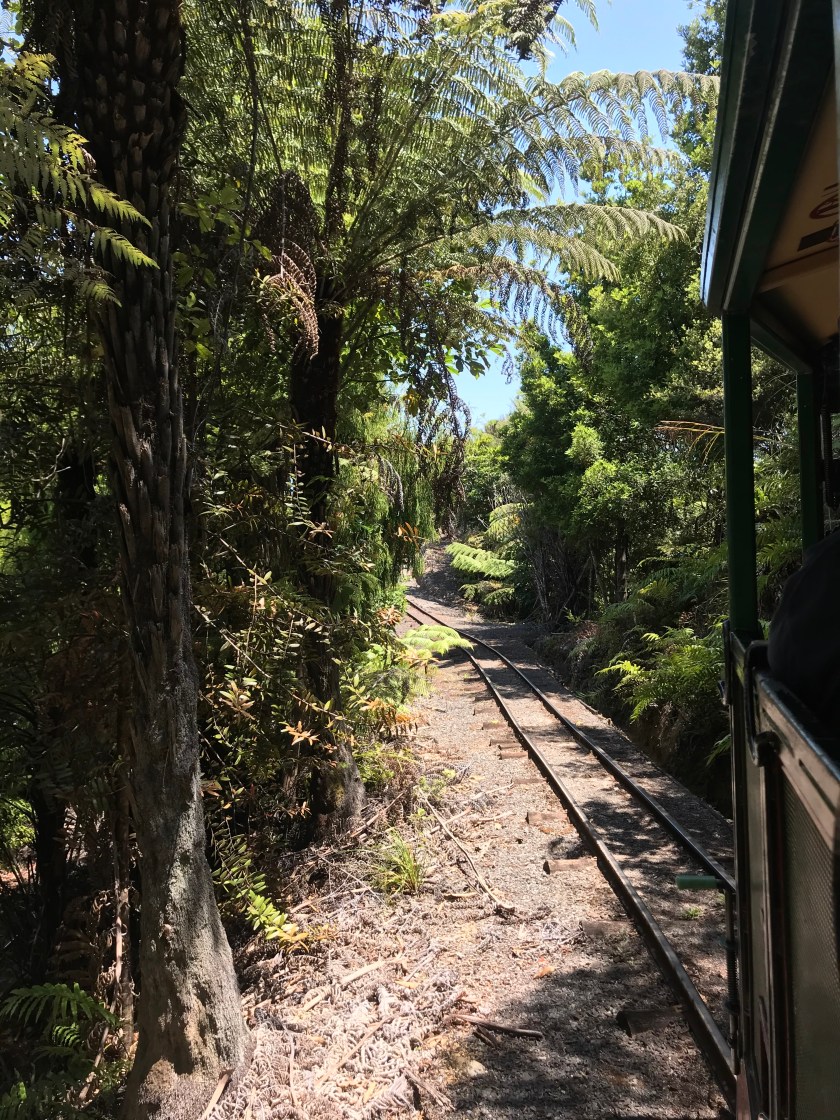
It’s a small train built by an eccentric local who was obsessed with building a railway and making pottery!
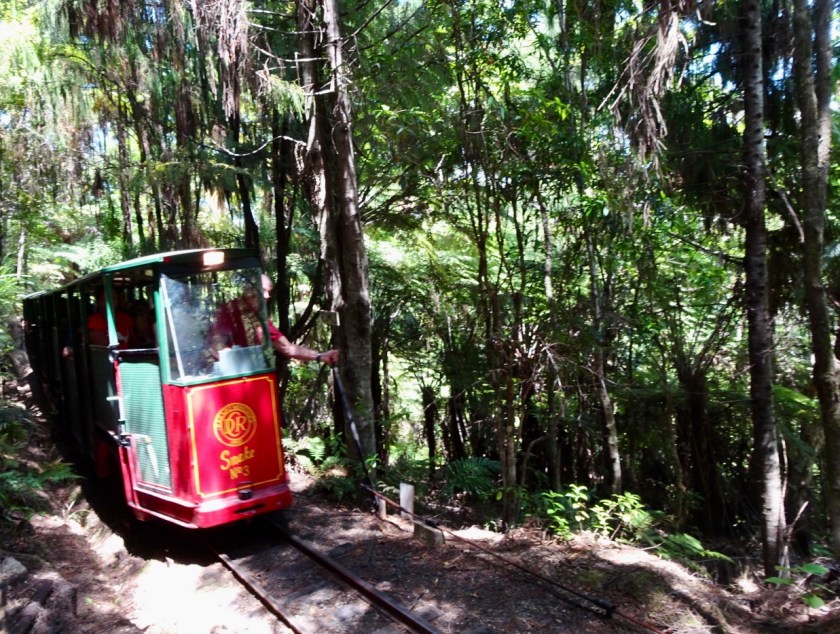
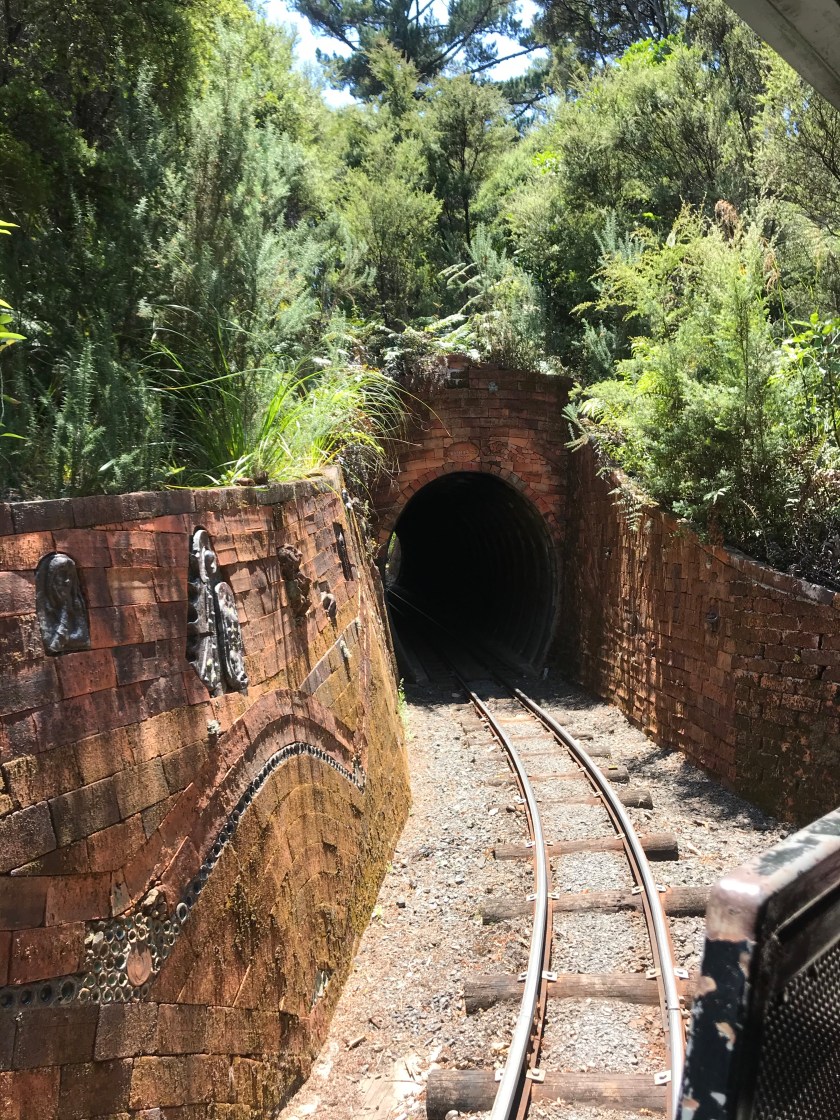
It makes it’s way up the mountainside through native forest and some unique art. There are a number of tunnels which are pretty tight – “everything inside” the driver continues to remind us.
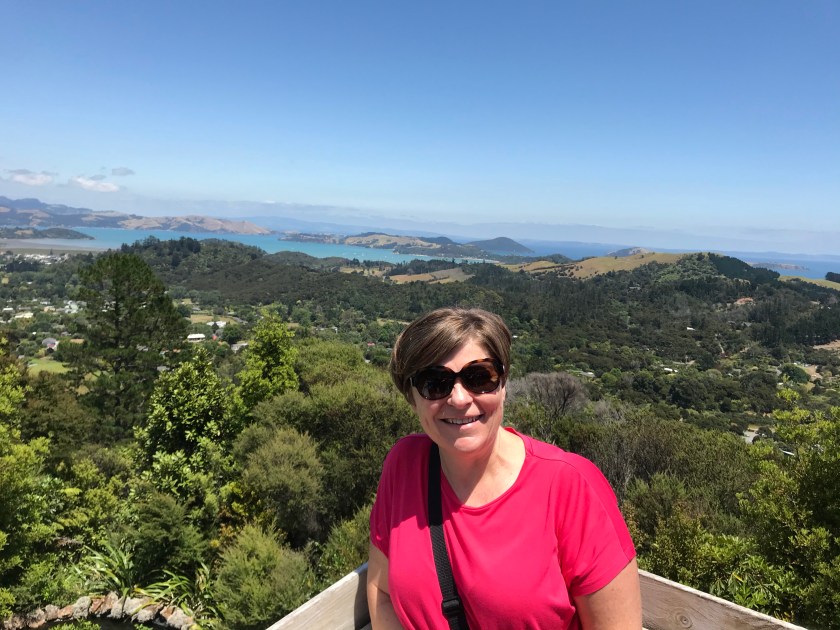
A the top of the hill we get out and climb some steps to check out the view from the “Eyefull” tower!
Next we set off to visit the Kauri forest. We learn that the Kauri trees, which are native to NZ, and at one time covered the island, were cut and logged by the settling Europeans. Now there are very few of them.
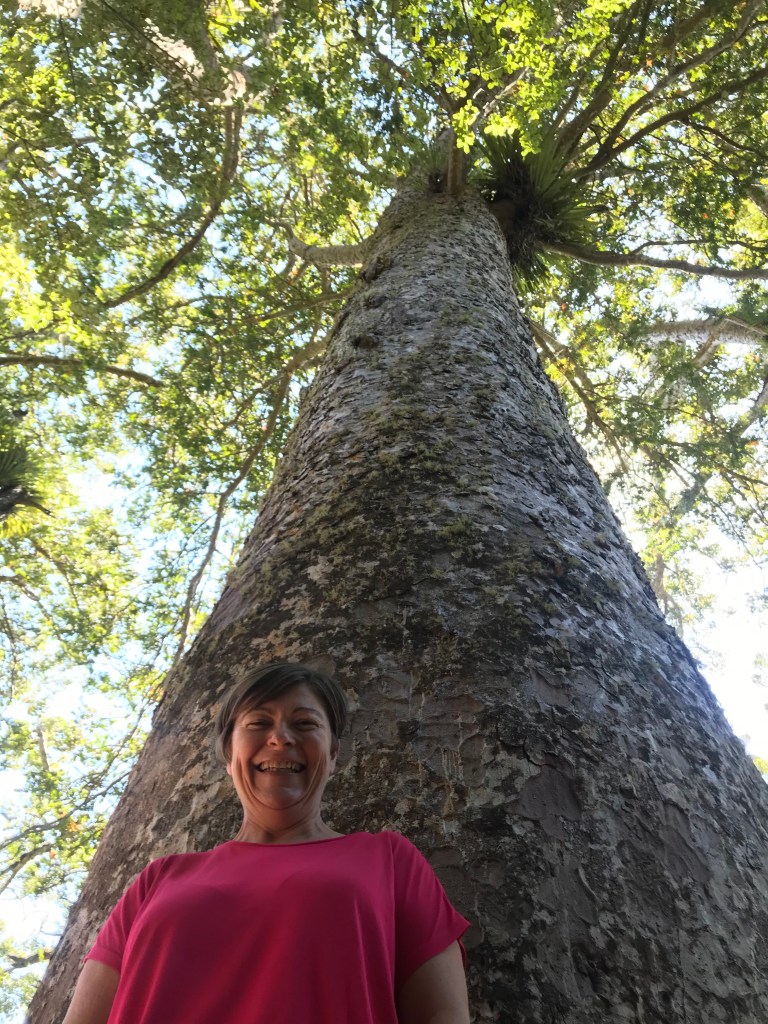
This is one of the only grove of kauri remaining

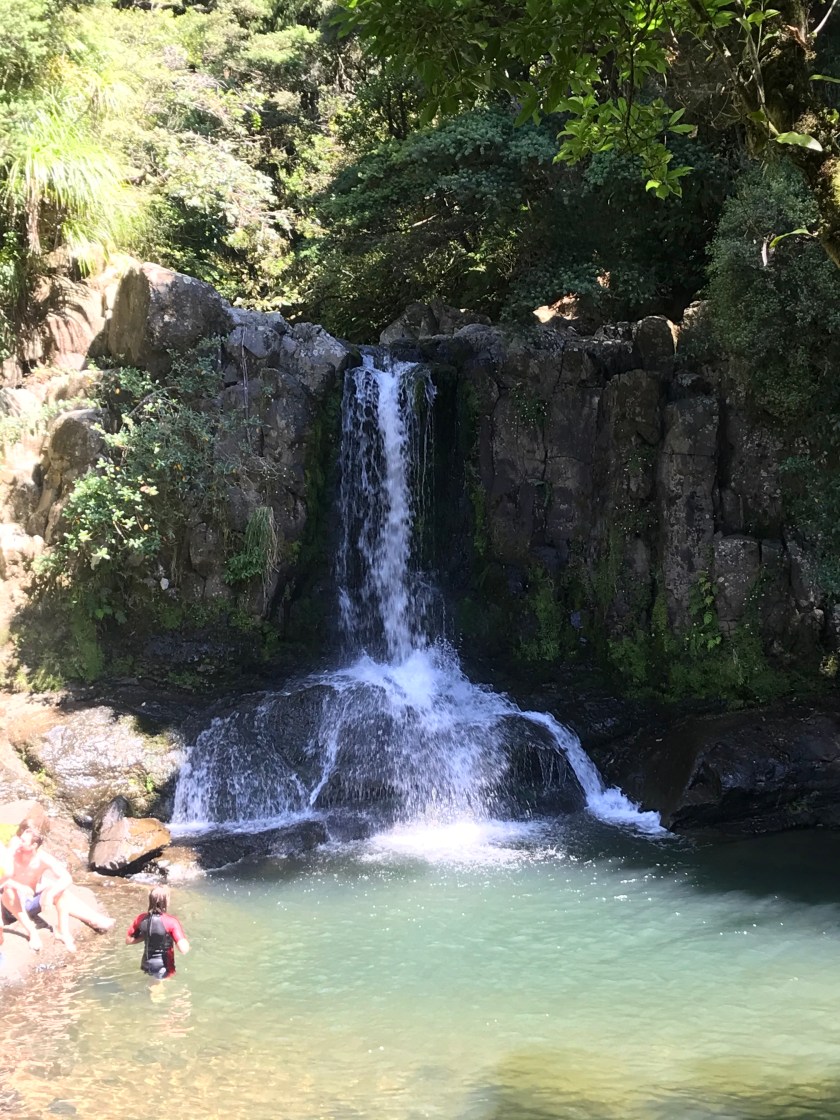
On the way back to town we stop at Waiau Waterfall
The guidebook tells me that a must-eat while in the Cormandel is bivalves. I don’t know what a bivalve is so I have to look it up and find out it’s mussels, scallops and oysters. Fair enough – they’re on every menu from the fancier restaurants to the takeaways. I eat at the Pepper Tree and order half a dozen mussels and they’re gorgeous, definitely the biggest mussels I’ve ever had. (Very different to our smaller sweeter Dublin bay mussels).
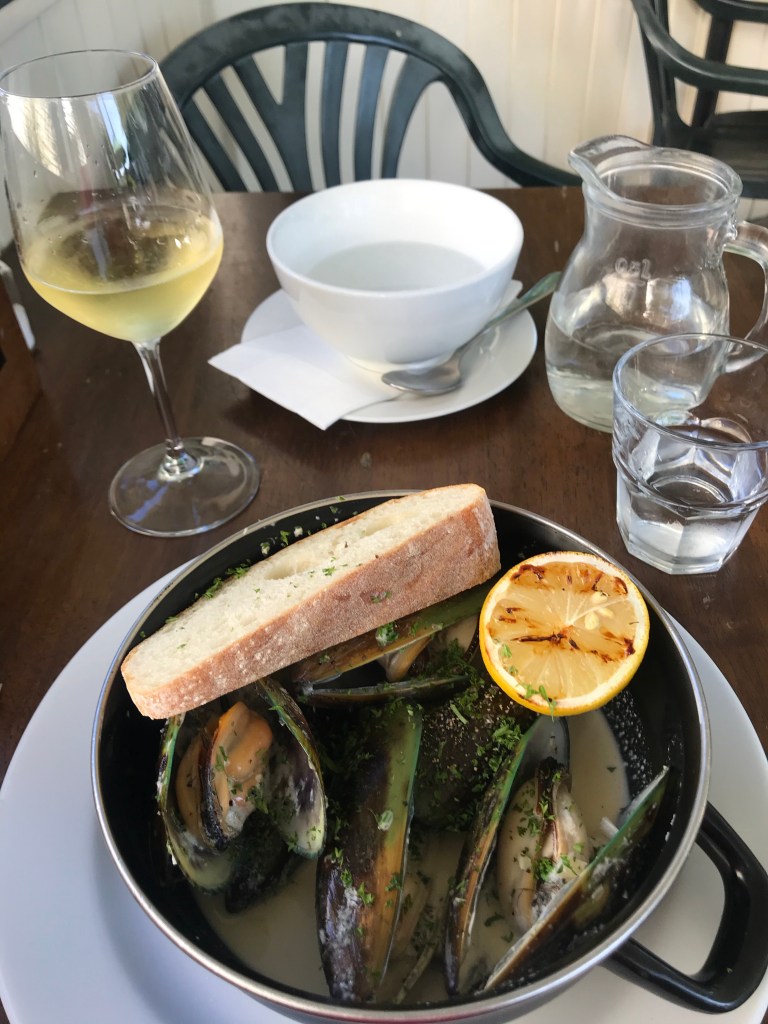
Fish is definitely the way to go in this town so I also have the seafood chowder which is delicious. A glass of wine from Gisborne (not too far away) and I’m knackered and ready for bed.

Next morning I meet up with the tour group and we head to the other side of the peninsula to visit Cathedral Cove. The bus journey takes about an hour and a half via windy roads, across some beautiful countryside. We are dropped off at the car park and there’s a 2.5km coastal walk to get to the beach. The views along the way are spectacular.
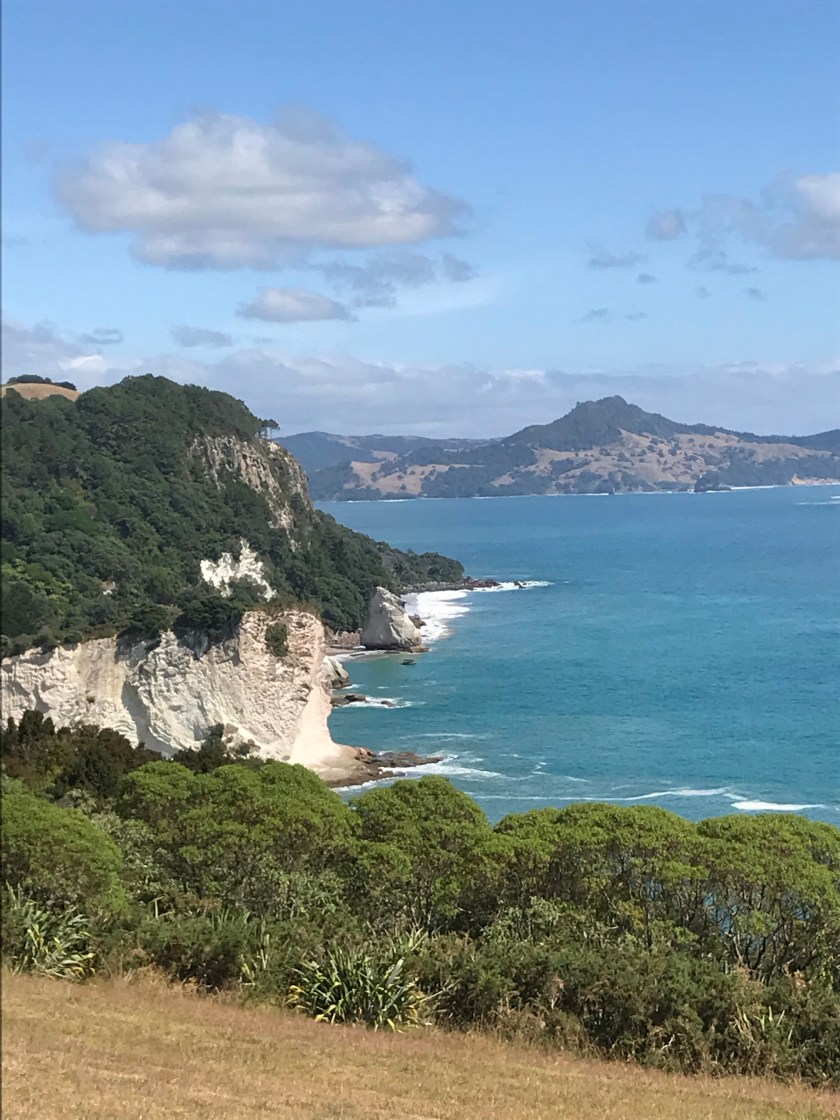
Cathedral cove is famous for this rock arch:
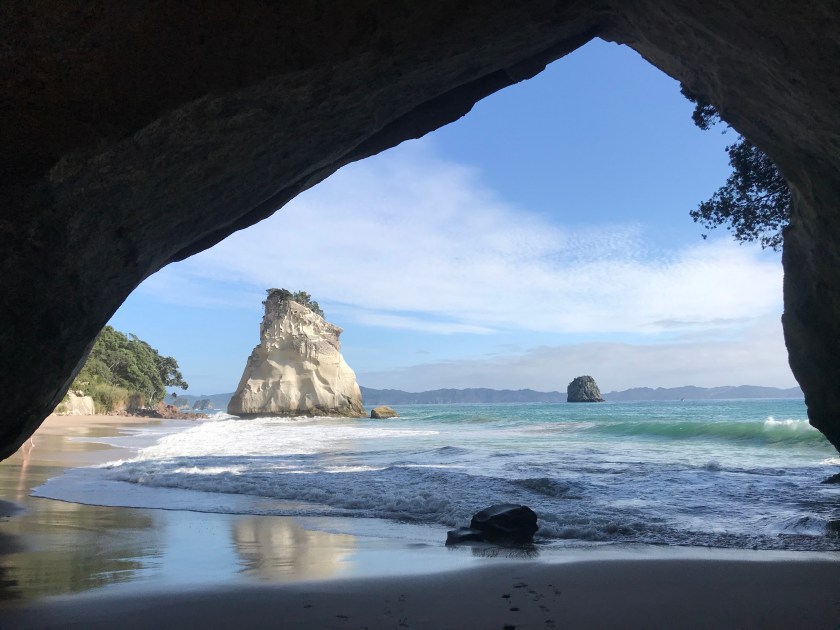
We walk through the arch in between big waves so as not to get soaked and there’s nobody on the beach. There’s no way I’m getting into that water beyond ankle level as the waves are huge but a Canadian couple from our group brave it – impressive! The large swell makes it really exciting watching the waves:

Error
This video doesn’t exist

The other side of the arch also has a beautiful beach:
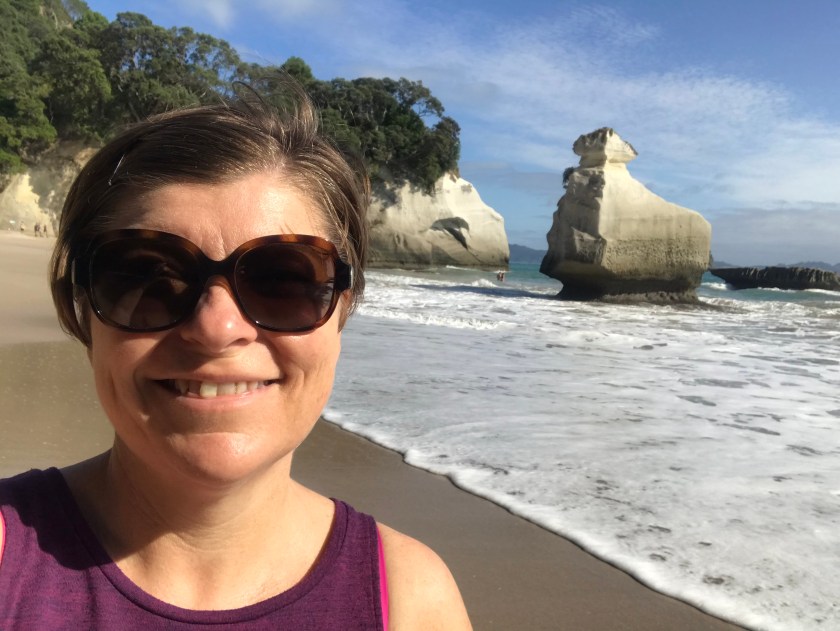
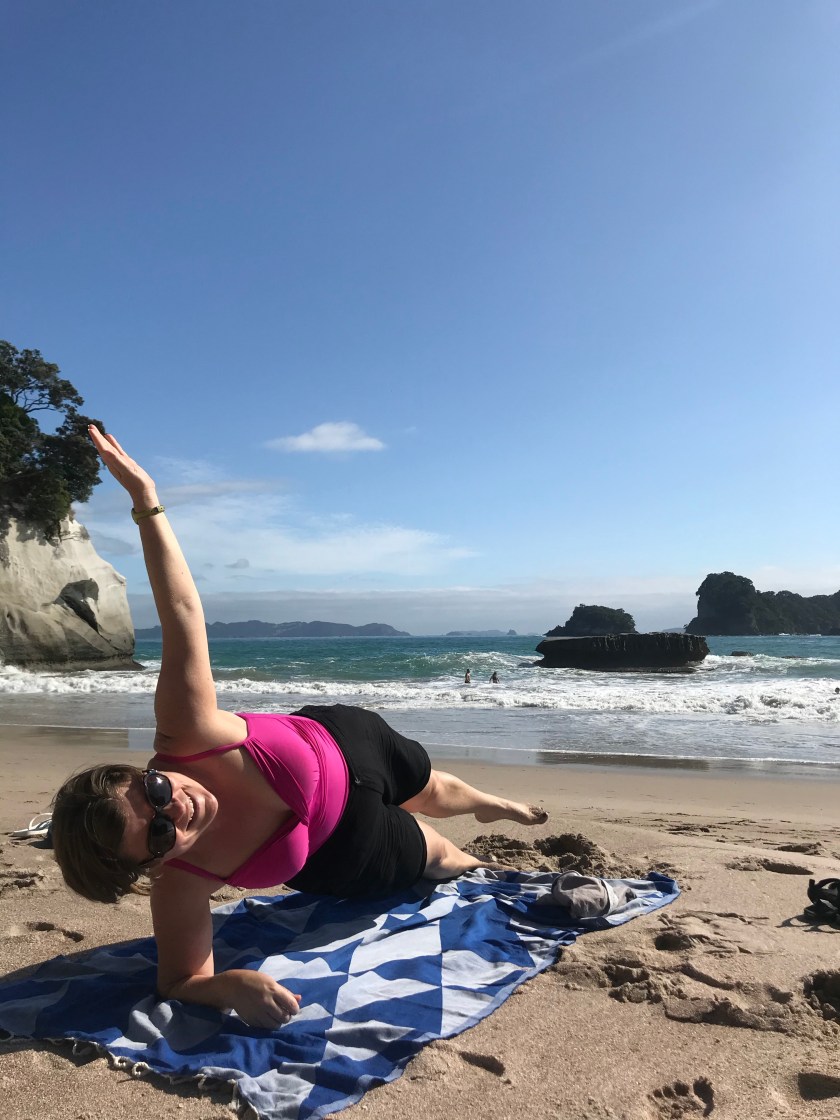
So beautiful I reckon it’s a fine location to do a few planks!! [physio prescribed for a hip/glute situation I might add!!!]
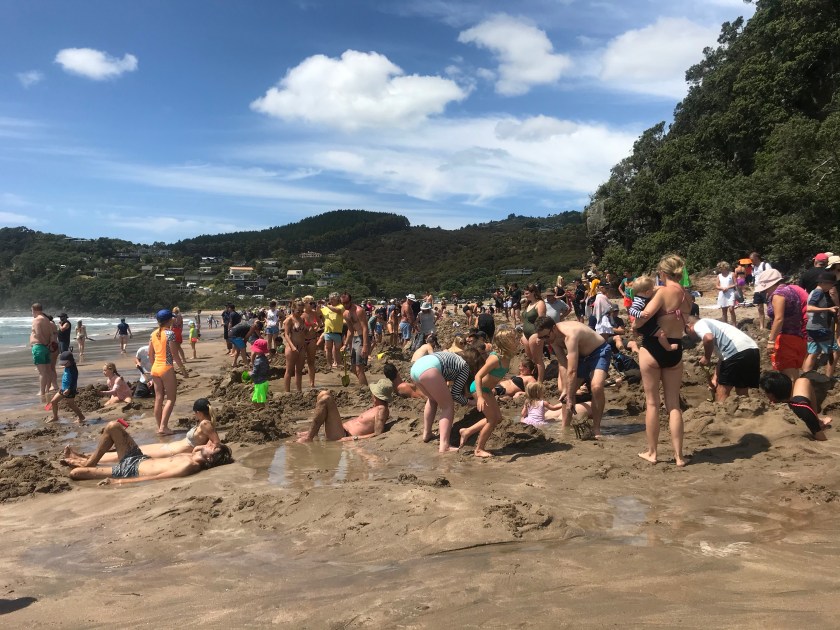
Next on today’s agenda is a visit to Hot water beach. There is a peculiar phenomenon on this beach where if you dig into the sand (at certain spots) you come across hot water. In some spots it’s nearly boiling. It’s a huge tourist attraction and huddled on one small section of the beach are a hundred people digging and lounging in this hot water:
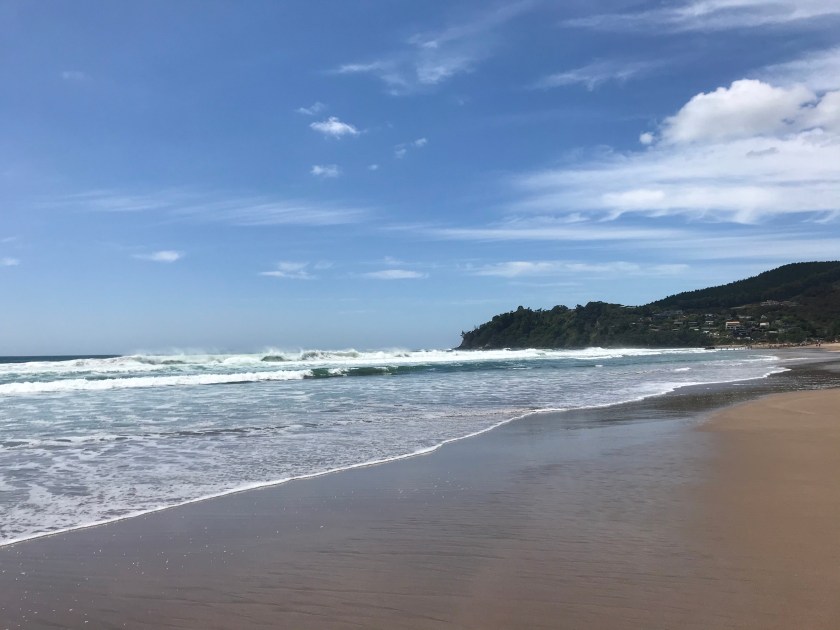
A few minutes walk and there’s no one around on this beautiful stretch of beach. The beach was officially closed as the swell was so big and lifeguards were calling to the few people who ventured in and asking them to get out or at least come to the edge. We did paddle our feet and while chatting and laughing about the “sneaker” wave that got me last year in Australia, low and behold a huge wave hit and soaked us.
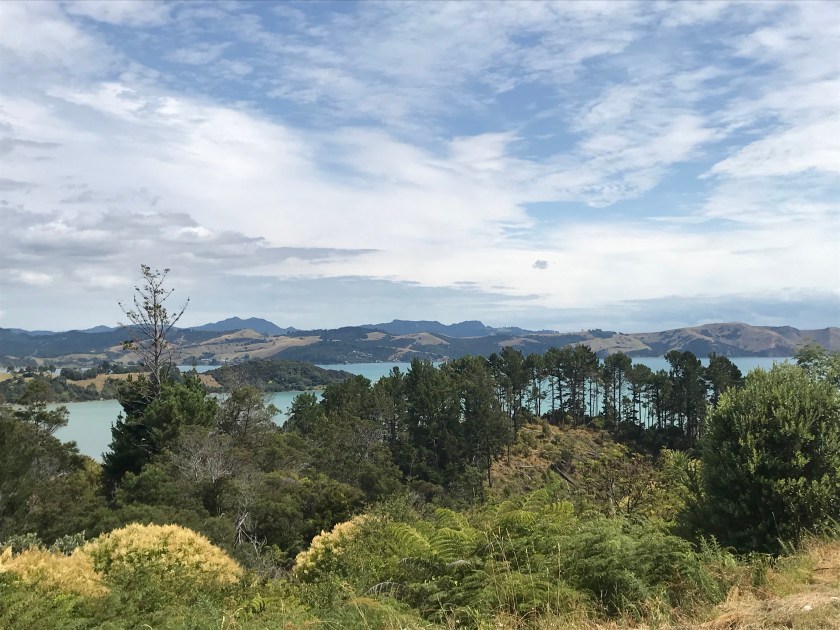
We’re back in town by 3pm so it’s early enough to do a hike. There’s a 2.5 hour loop called Harrays which I do with a girl from Hawaii who I met on this mornings trip. There’s a lookout point which a lovely view:
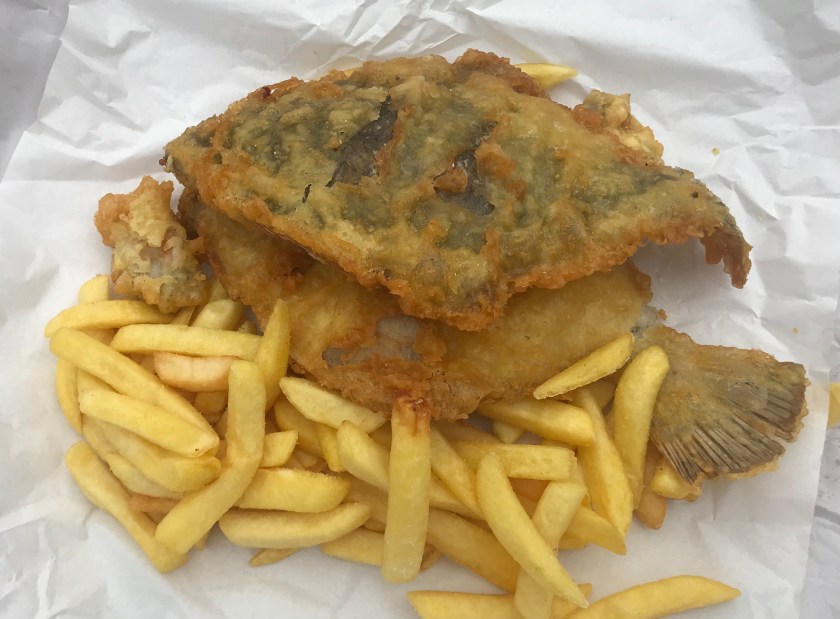
Having tried the mussels last night I go for the special fish of the day at the Fish and Chip shop. It’s two flounders – don’t think I’ve ever had this fish before. There’s a lot of it…. but you know me, I manage it!!
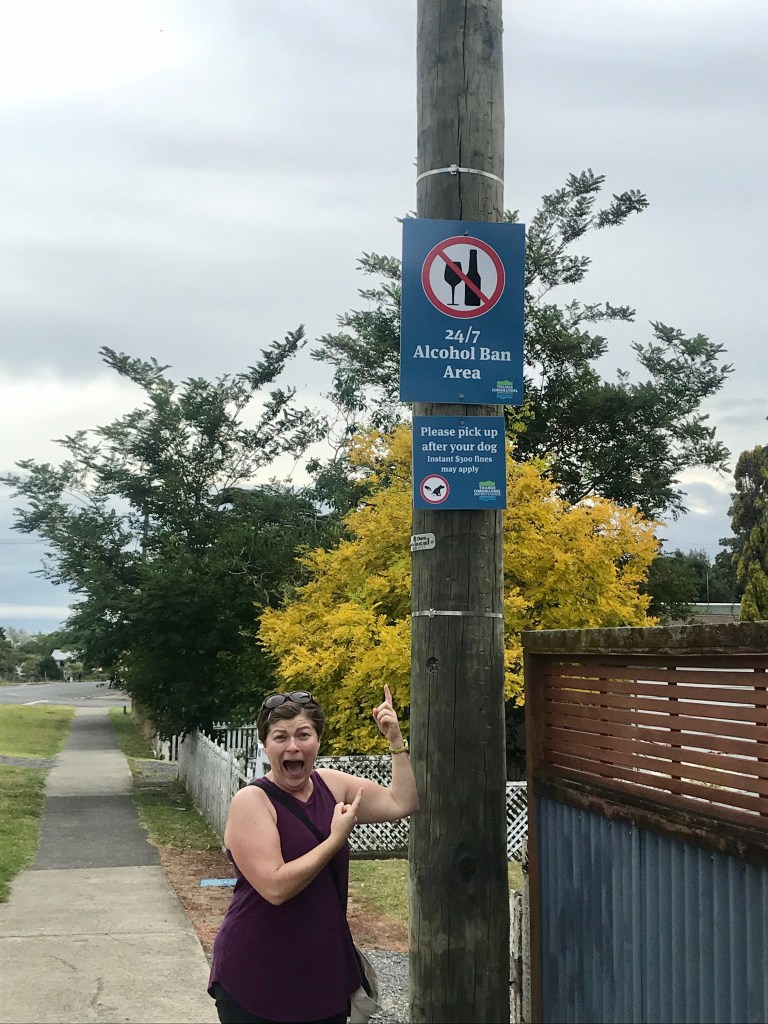
Thank God my hotel is not in the alcohol ban area… as whilst writing this I’m sitting outside my very fancy motel room, watching the sun go down, with a glass of wine. Not bad for a Wednesday!
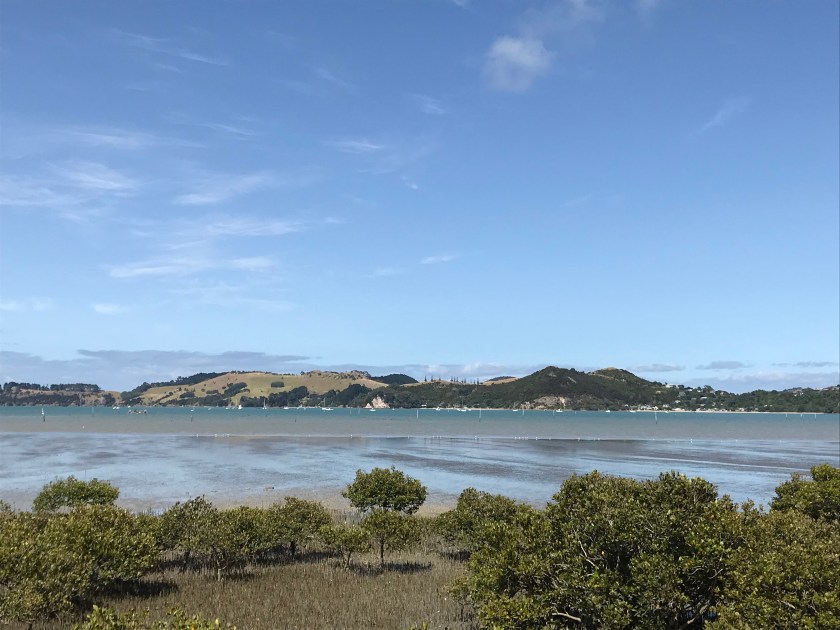
Next morning I take a leisurely walk along the coast road to McGregor bay:
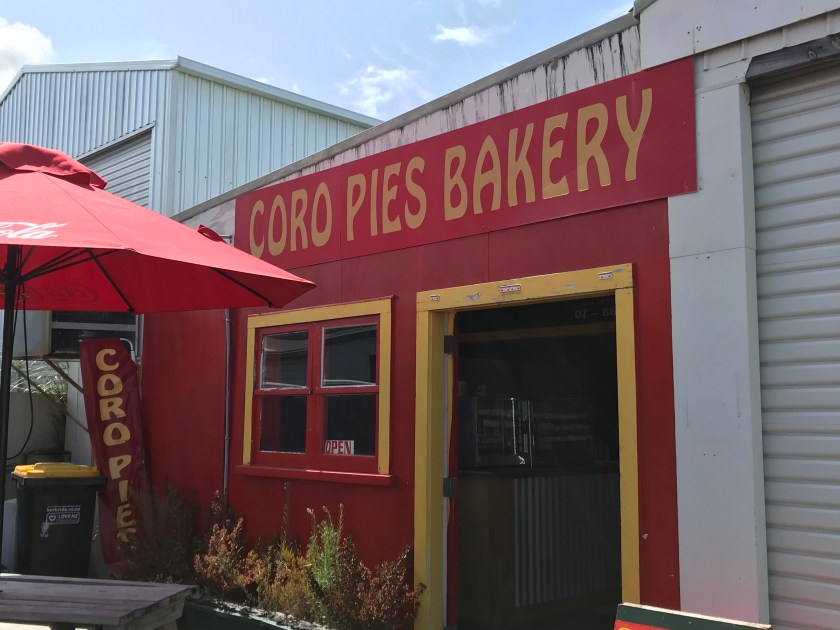
I grab a “Coro pie” and head to the meeting point for the last excursion of my trip.
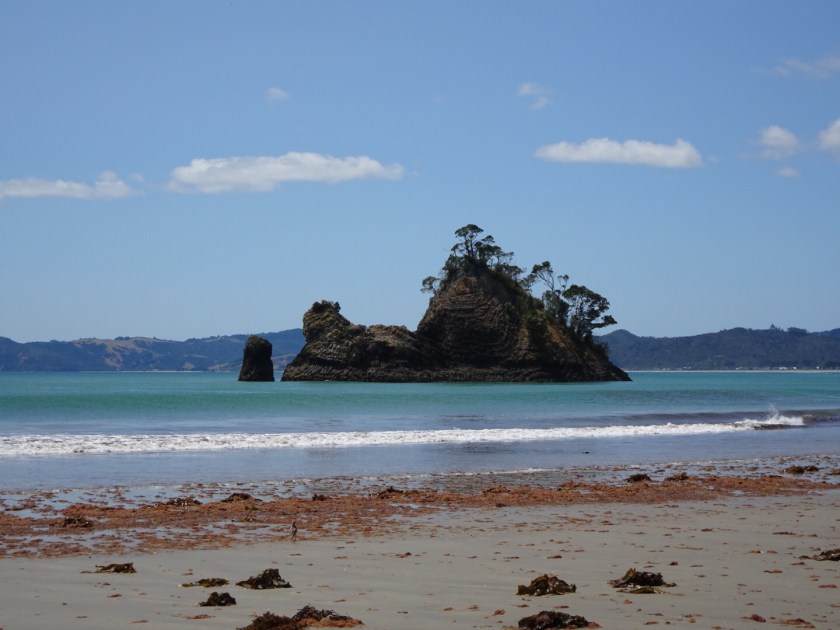
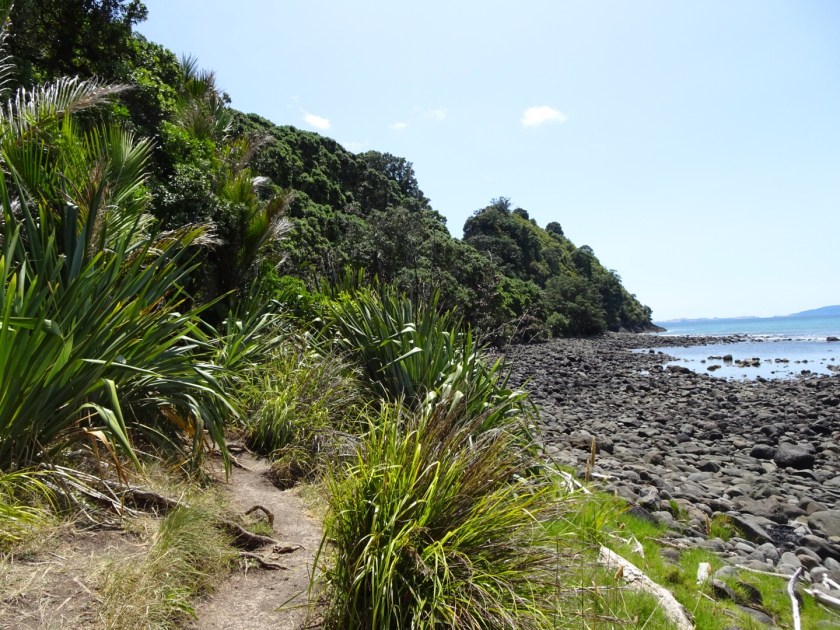
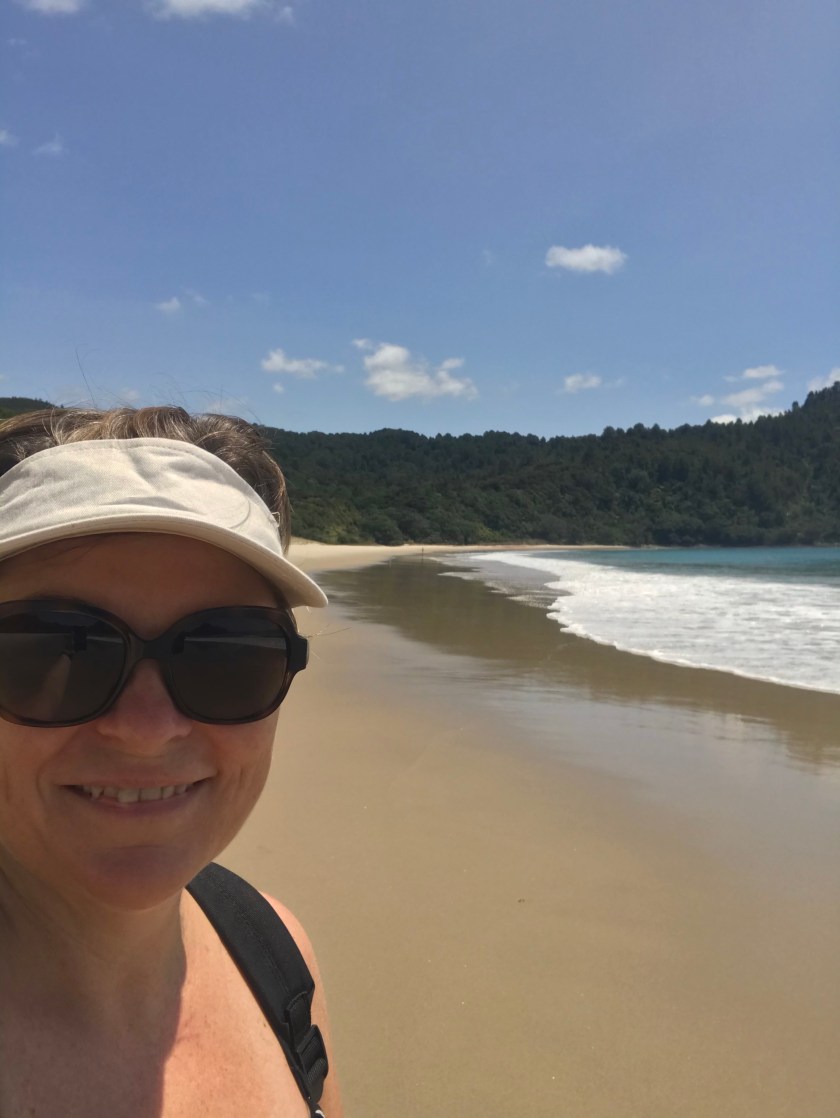
The final beach I’m visiting on this trip is New Chums beach. It’s about a half hour drive away and then there’s a half hour (assuming you’re steady on your feet!) walk to get to the beach. It’s an undeveloped, remote beach and the path can only be walked at low tide. Before setting off on the walk the guide Jo took a mugshot of me just in case!! I set off from this beach….
The path to the beach:
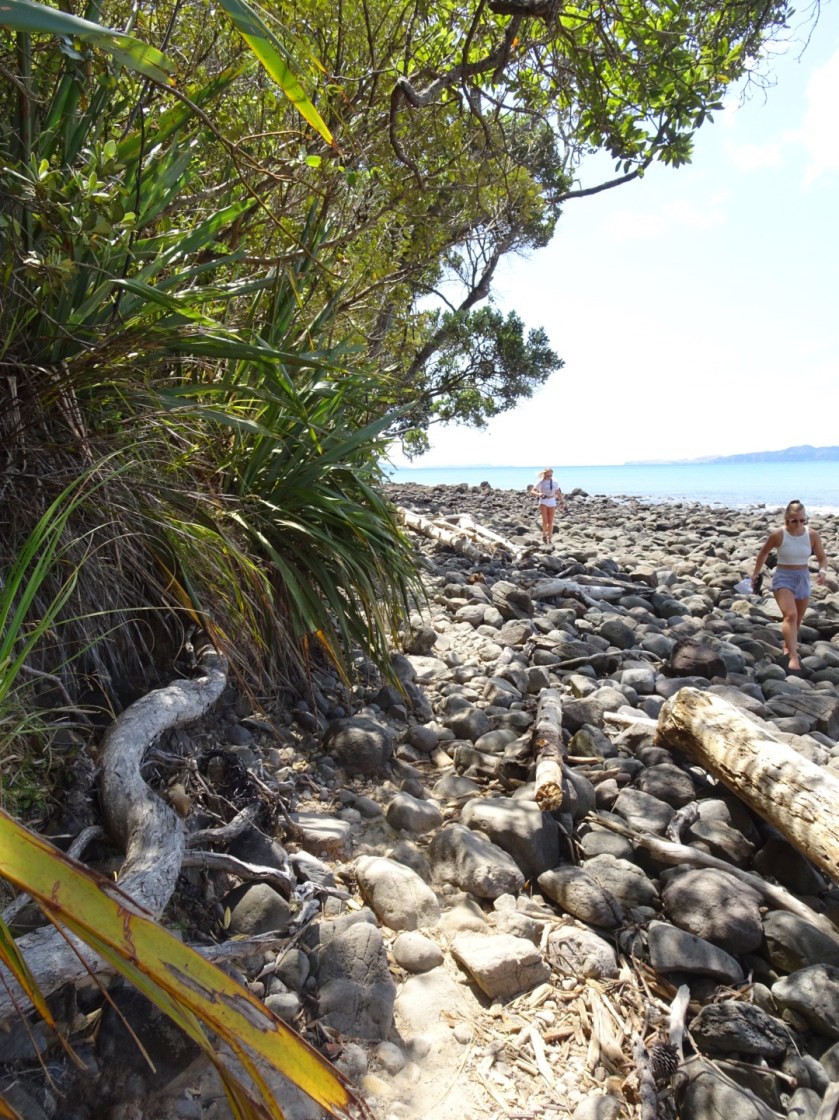
And get to this beach
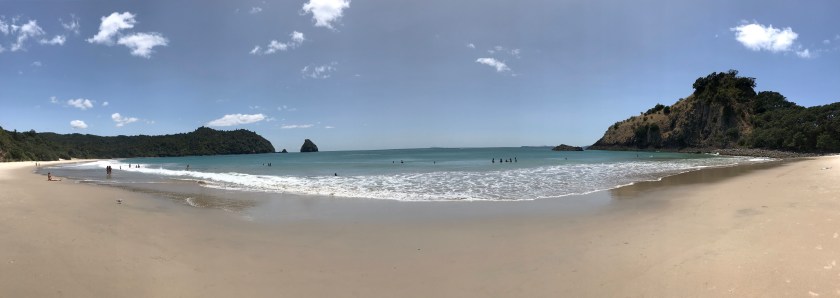
New Chums had made it onto all sorts of best beach in the world lists so I’m expecting it to be busy but it’s not and it’s worth the trek to get here.
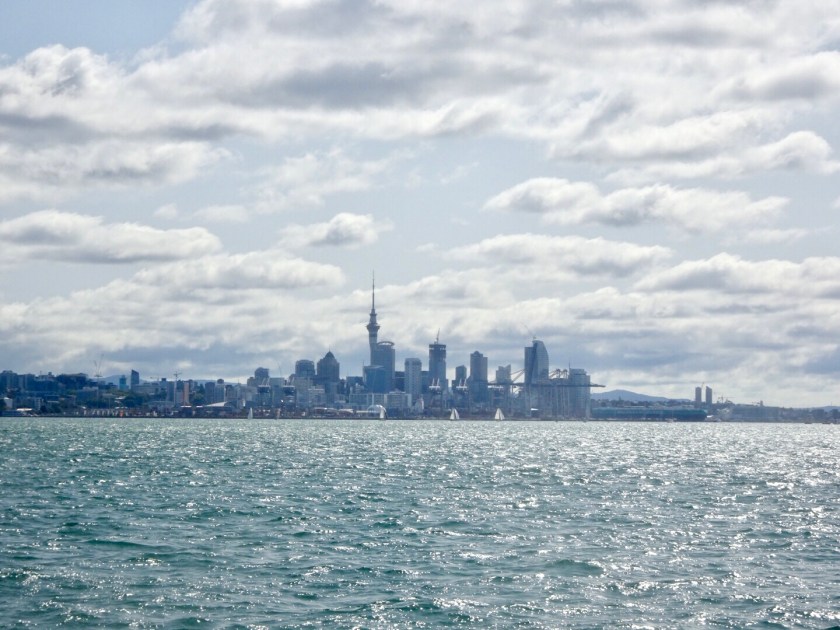
My Coromandel visit is over and I get the shuttle to take me to the return ferry to Auckland. Two minutes out of town and the bus is going suspiciously slow and then comes to a sudden stop. Oh dear we’ve broken down. The driver assures us the ferry will wait and sure enough another bus arrives and gets us to the ferry which has delayed its departure for us. The view of Auckland as we approach the city:
Tonight I eat at “Food Truck Garage”. I honestly thought I was going to a spot with multiple food trucks but I clearly didn’t do my homework and it’s just a restaurant called Food Truck Garage!! It is open air though and has a nice menu so I happily sit down with a glass of rosé and relax after a 25,000 step count day.

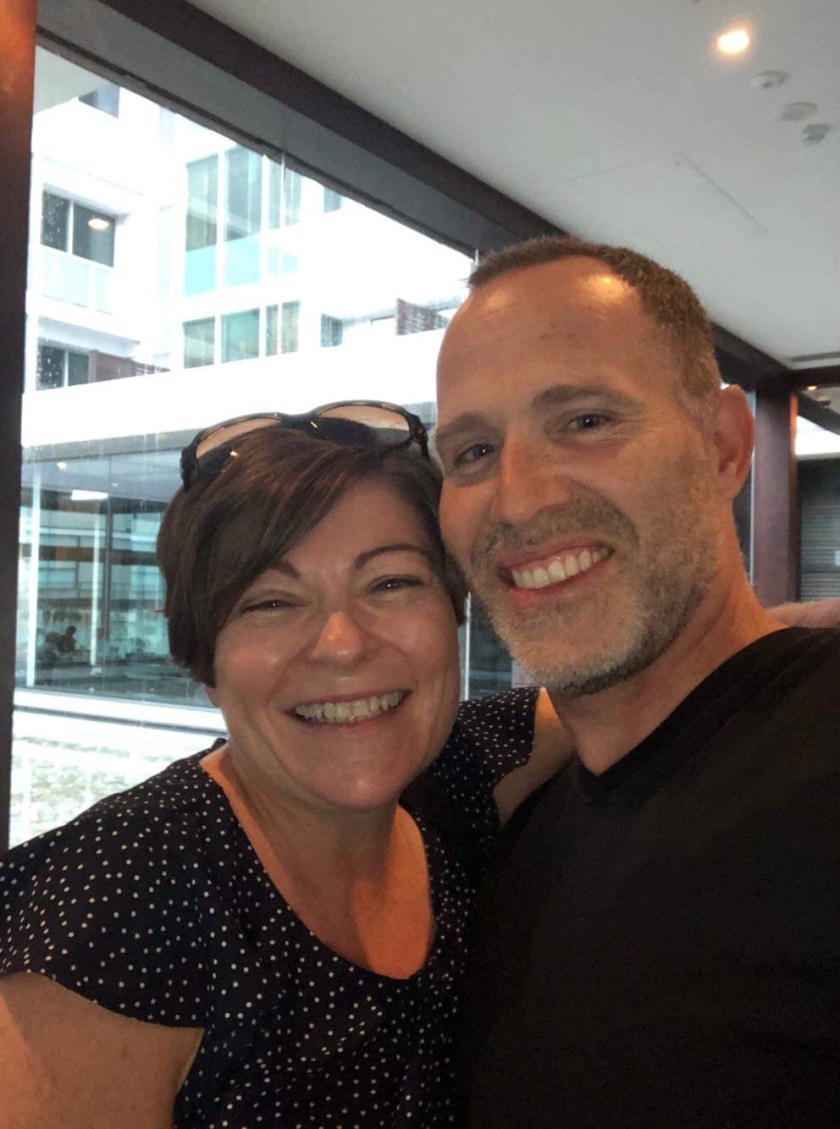
Next day is my opportunity to explore Auckland. I’m up early and checked out as I’m meeting a friend who I used to work with and haven’t seen in 15 years! I wish I’d looked out the hotel window before coming to reception in my shorts and sandals – it’s bucketing down rain! Not to worry they give me a huge umbrella and I’m on my way. So good to see you Grant 😁
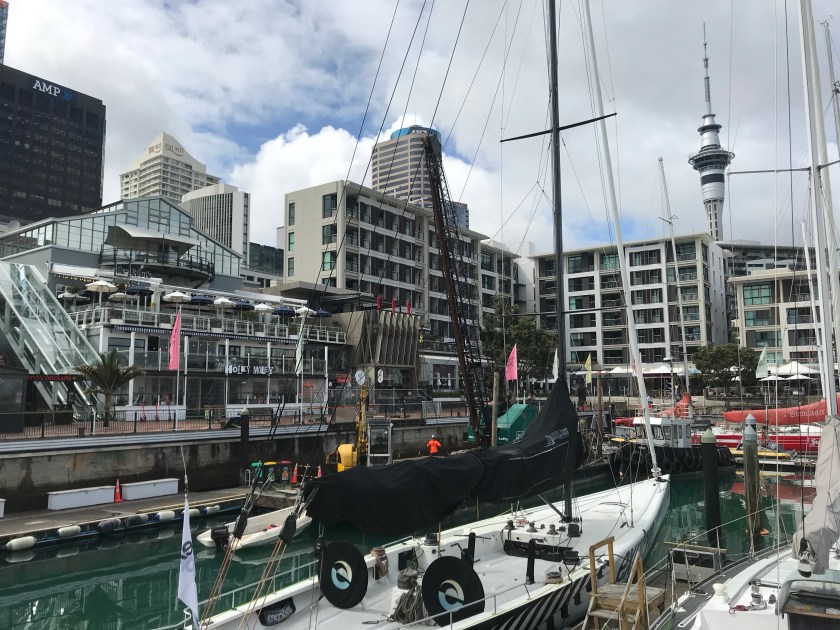
Now to walk around the city and avoid the rain. I walk around the Viaduct harbour
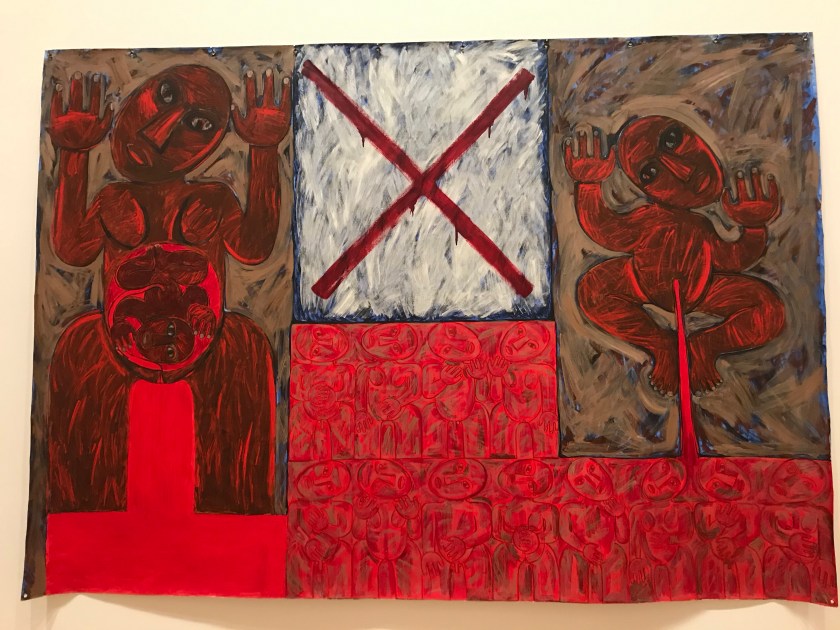
And then check out some NZ art at the Art gallery:
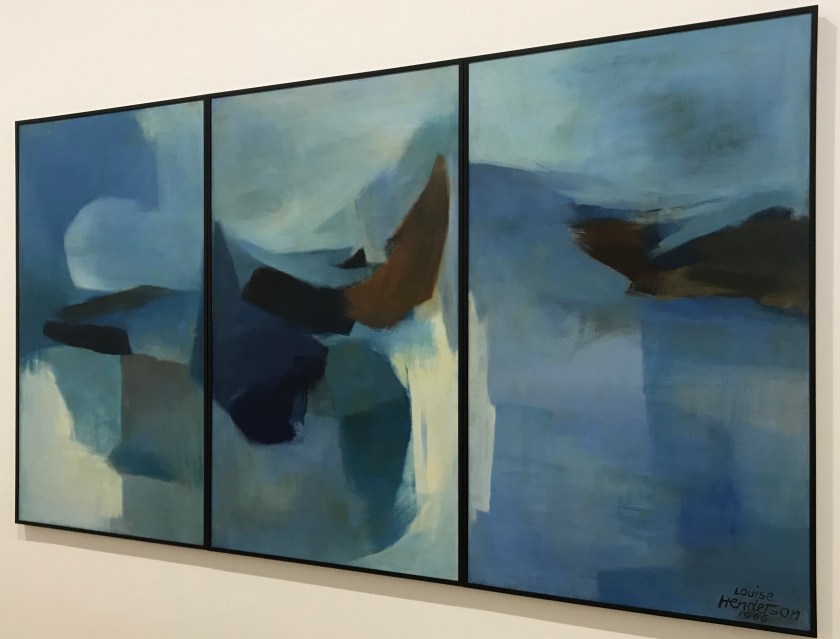
I came across an interesting artist I’d never heard of – Louise Henderson. French born but lived in NZ most of her adult life. I really liked this triptych:
The highlight for me are the Maori leaders portraits from the late 1890’s and early 1900’s. They’re amazing… almost like photographs.
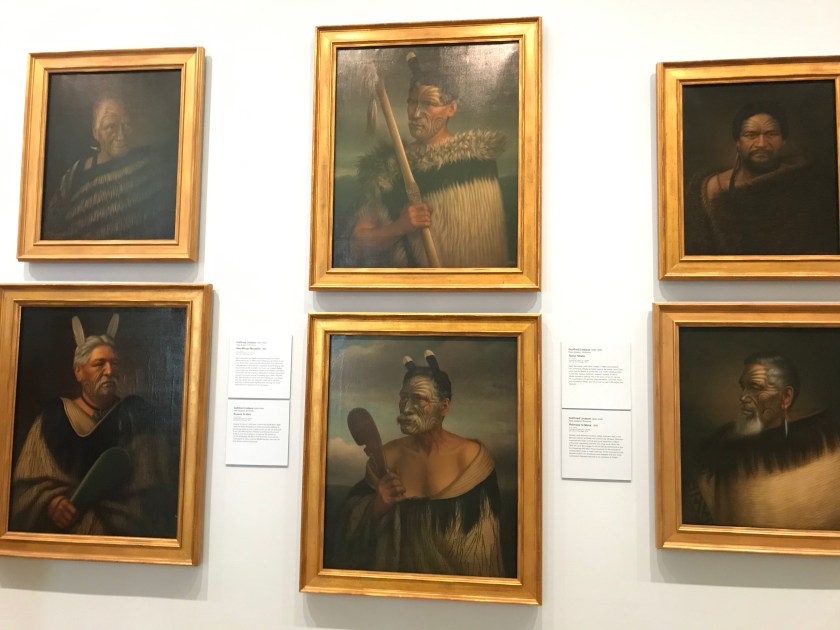
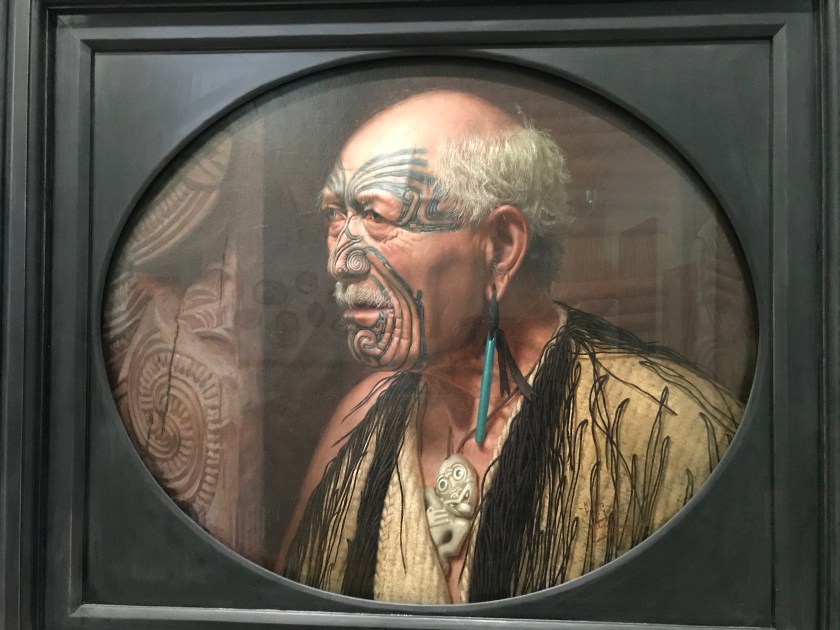
More rambling, (the sun is out now) including a visit to Albert Park and I’m happy to call it a day on Auckland. I’m moving on to Napier tomorrow and will continue my adventure through the north island.
Cyprus 🇨🇾

This morning we say goodbye to two of the gang who are going to Amsterdam and the rest of us are heading to Paphos in Cyprus. Paphos is all about the archeological remains, well unless you’re an English tourist going for the English food and bars!!! We arrive early to a really nice Airbnb with a private swimming pool, will defo be checking that out later. For now we go for a wander to check out the surroundings and find a spot for lunch.

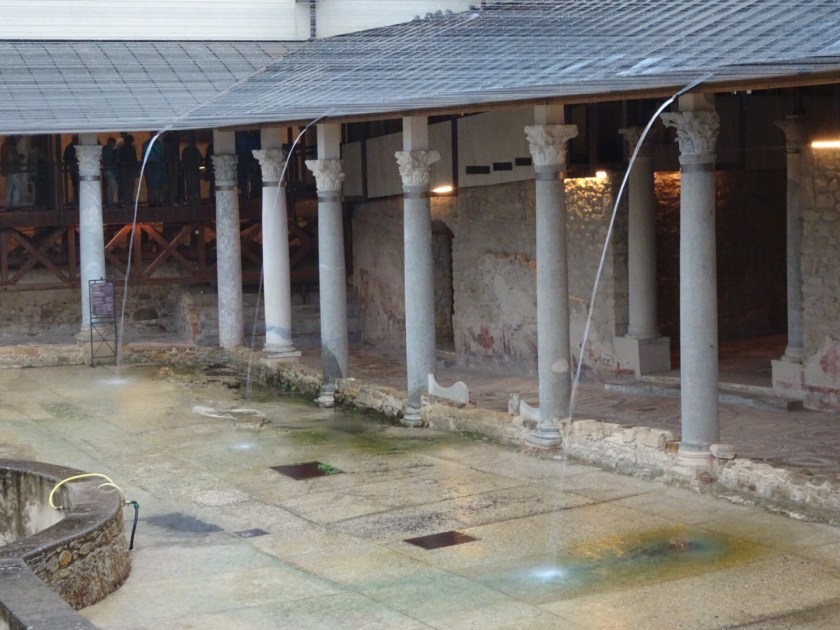
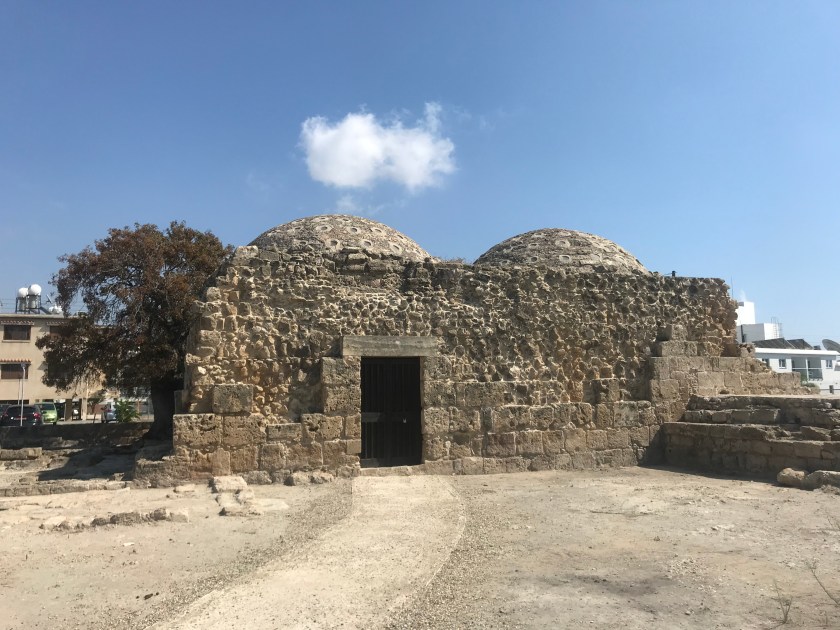
As we walk toward the harbour and centre of town we pass our first archeological buildings – the Roman baths:

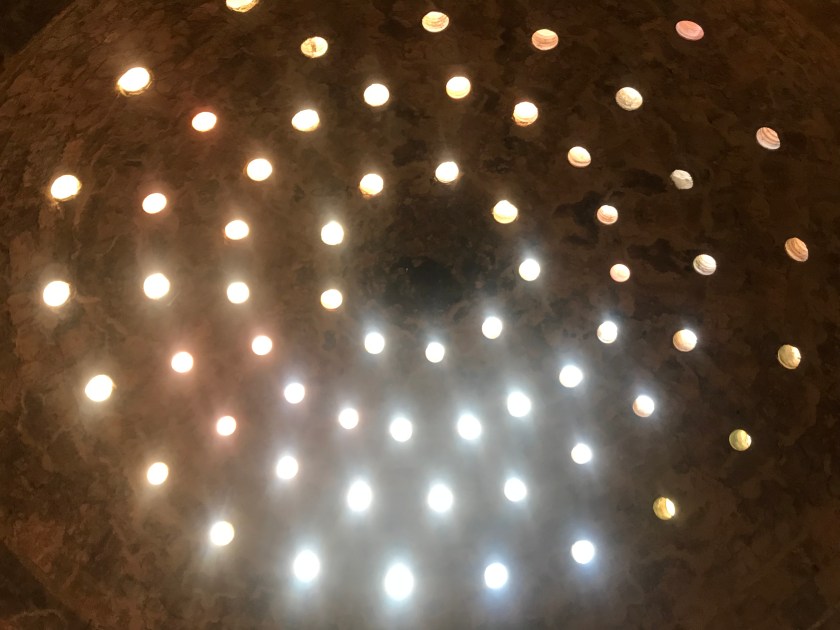
Holes in the roof to let the steam out:

We pass lots of tavernas and restaurants but a lot are closed. All we seem to find that’s open are places serving “English food” – not what we’re after. Eventually we find a small taverna serving a basic local menu and I’m happy to have my first halloumi on the island. We chat to the lady who’s a bit of a character and tells us that the tavernas close during the day for a siesta. She has a mad laugh and tells us (in between giggles) that she doesn’t bother with the siesta as she’s no longer interested in, let’s just say, “entertaining” her husband…. he’s standing nearby presumably understanding nothing she’s saying. We’re all looking at each other trying to figure out if we heard her correctly and she continues laughing saying she’ll close early and get some shenanigans in the evening. We are in stitches! Anyhoo, she waves us off and we continue checking out the town.
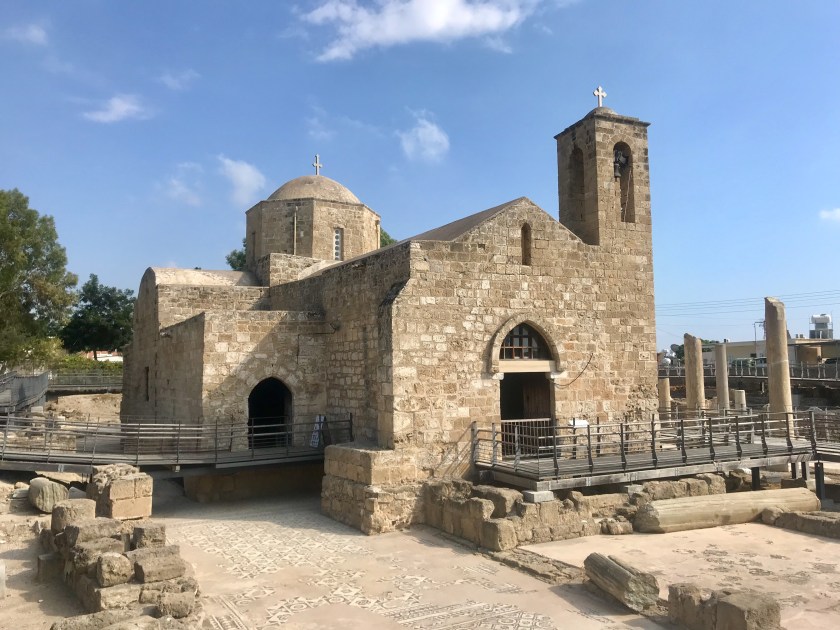
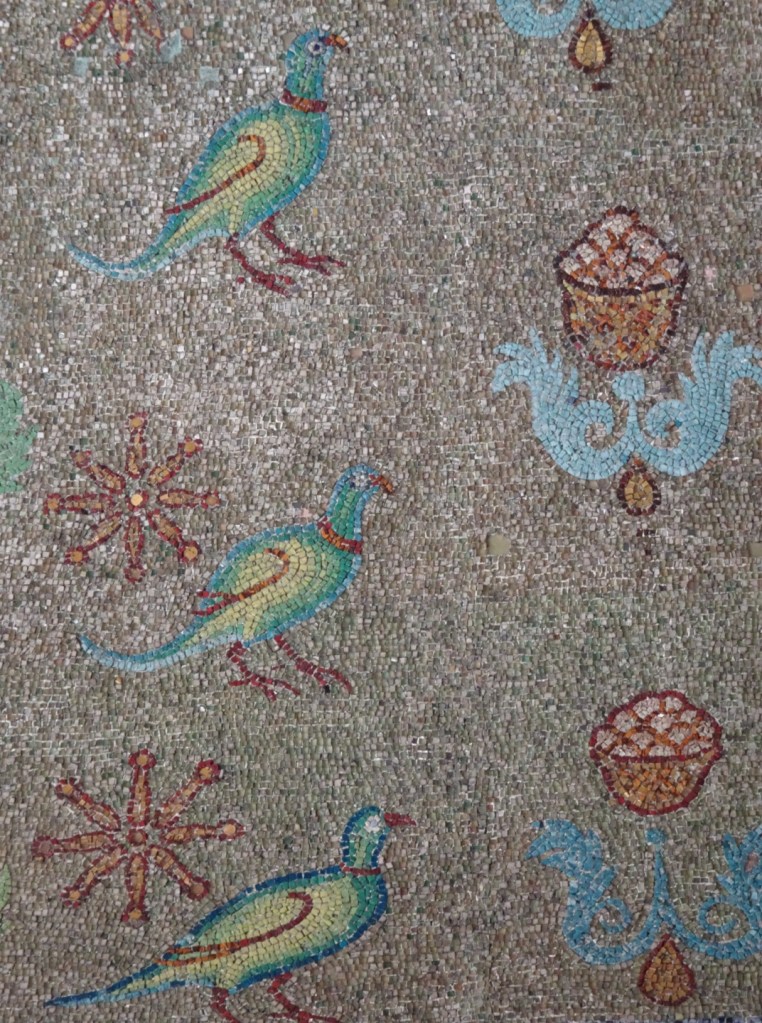
The Hrysopolitissa basilica is a short walk away and is free to enter. Its very impressive and it feels like you just stumble upon it while walking around town. It started out as a Christian basilica in the 4th century and is currently used for Anglican and Greek orthodox services. There are some impressive mosaics surrounding the church.

There are lots of fallen pillars in the area and this small one is St. Paul’s Pillar, allegedly where St. Paul was tied and scourged 39 times before he converted the Roman governer to Christianity.

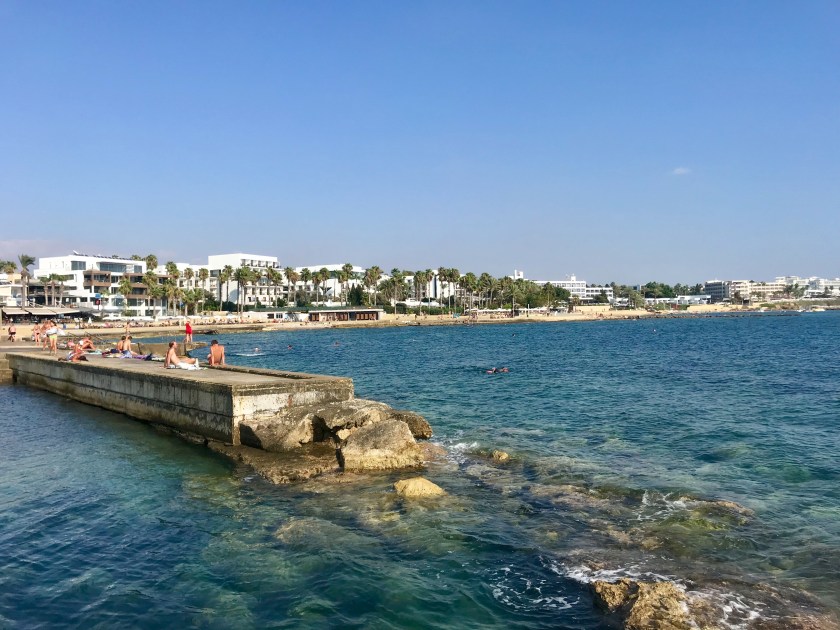
We continue our walk to the harbour which is lined with tourist shops, bars and restaurants.

Later that evening after a dip in the pool and a little downtime we head back into town and have an amazing meal at a restaurant called Argo. It’s a very popular spot with both tourists and locals, especially on Saturdays as they do the special slow cooked lamb kleftiko so we’re extremely lucky to get a table. The family run restaurant do a set mezze menu which includes mixed grill, dips, assorted veg, salad, halloumi, mousaka and more! We mix two mezze meals with two of the lamb kleftiko specials and it’s way more than the four of us can eat but we more or less manage!

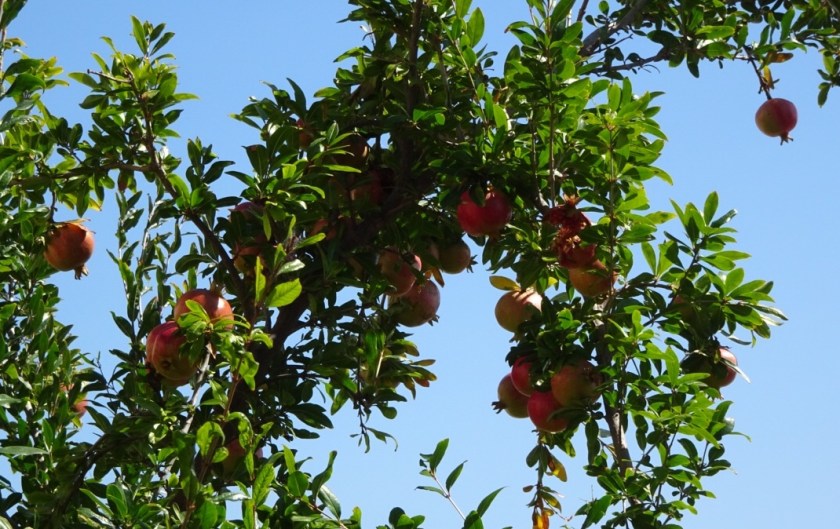
Next morning we set off toward the main archeological site. It’s roasting but we decide to walk the hour or so journey. There are pomegranates everywhere…… I’d love to have those at home:

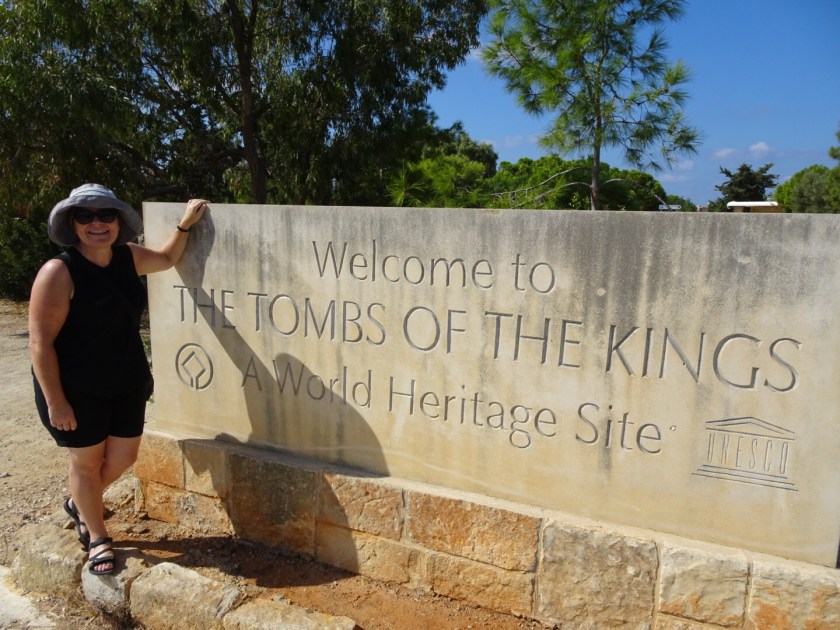
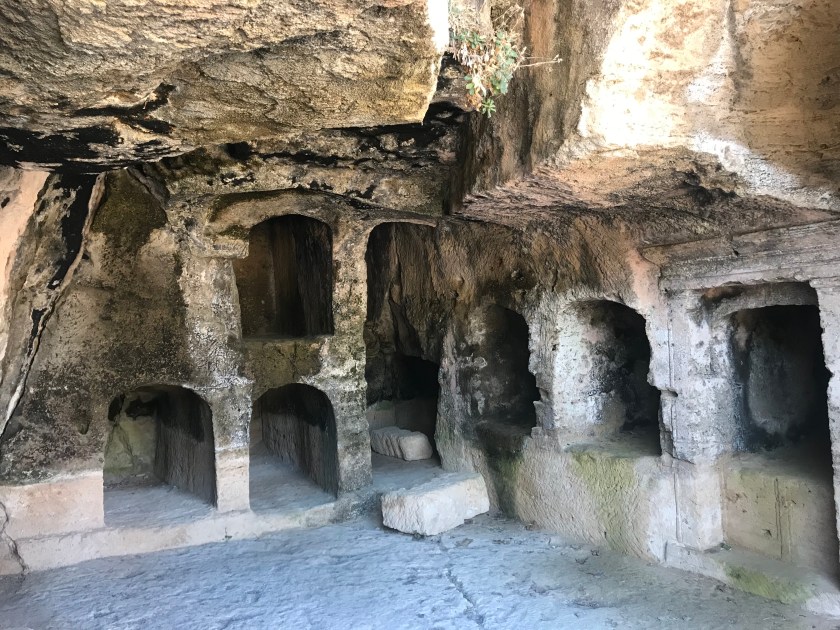
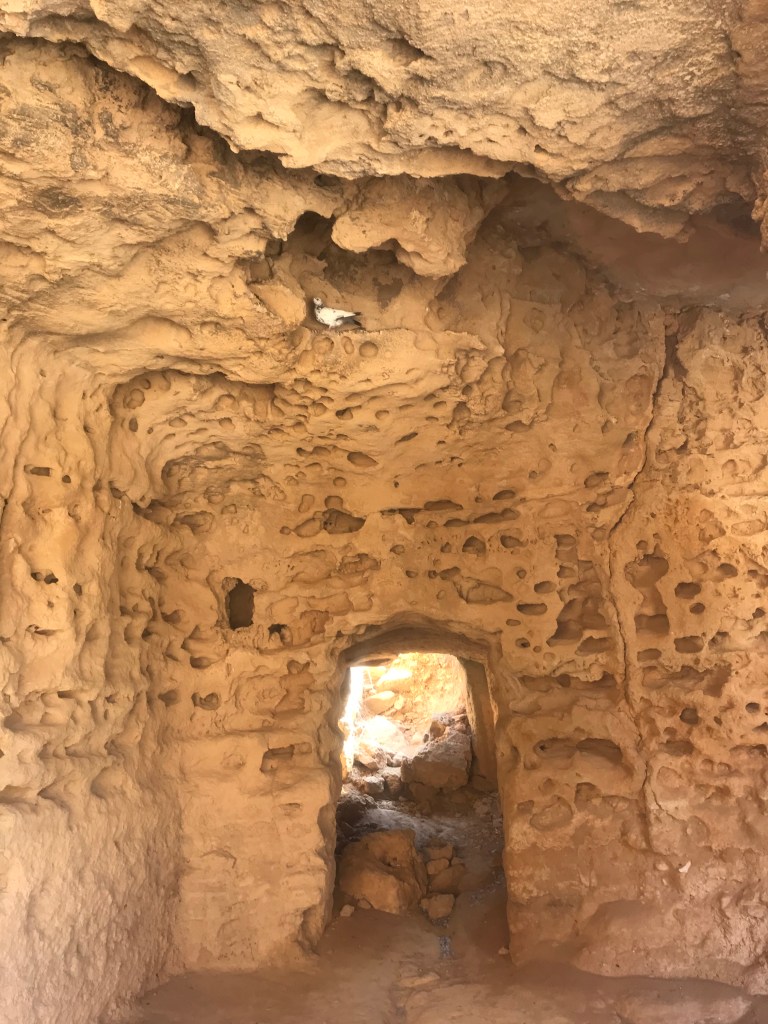
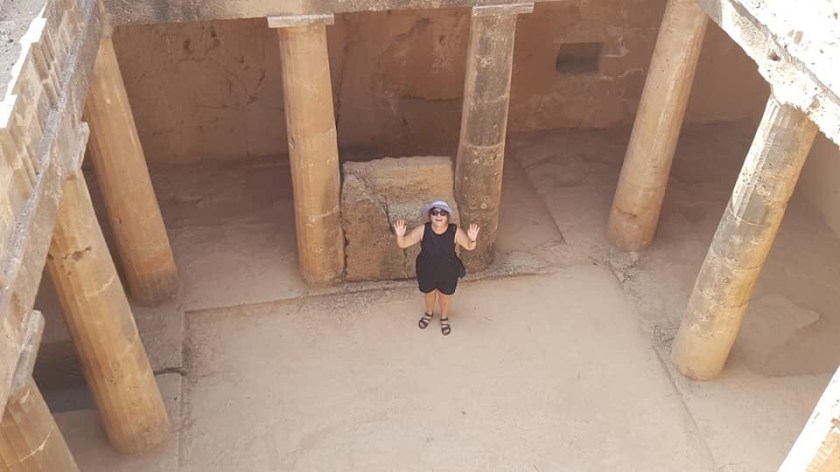
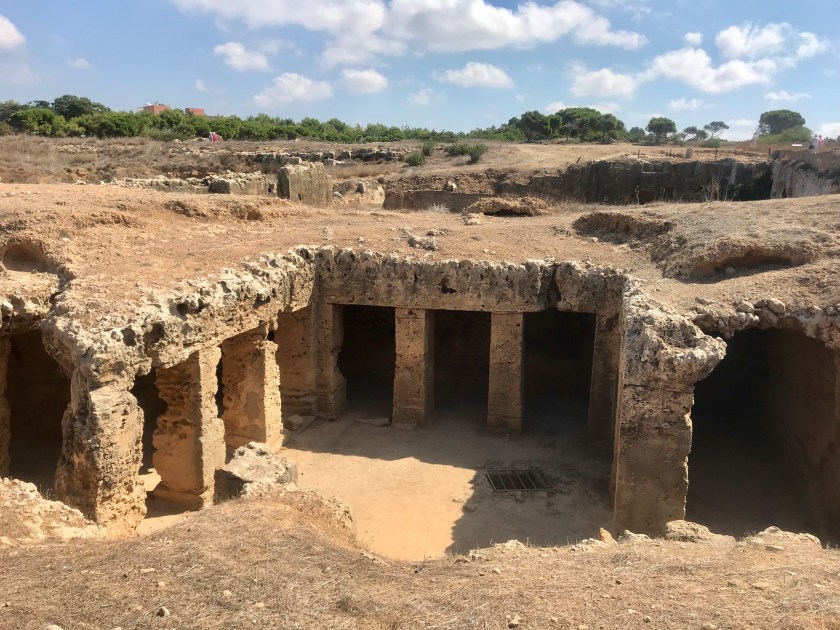
We arrive at the main attraction, the Tomb of the kings:

There are numerous ancient tombs spread out over the archeological site which runs along the sea.

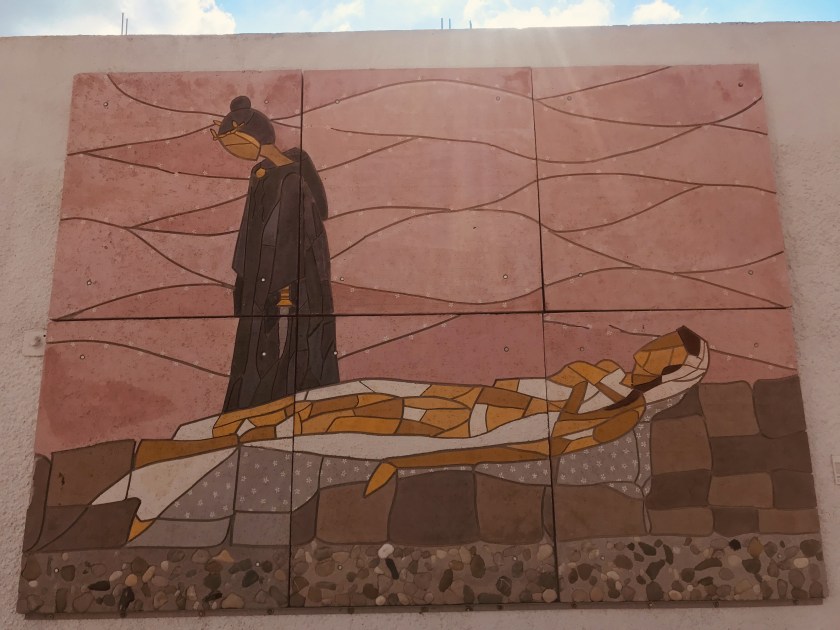
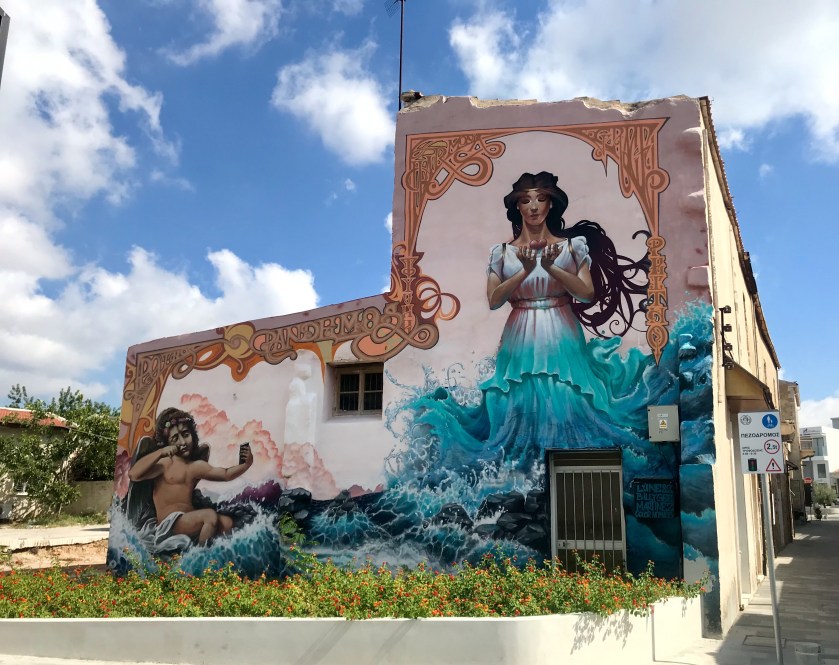
We walk from the new to the old town (actually I think it’s from the old town to the new town!) and pass through an area known for its artists. There’s lots of interesting street art.

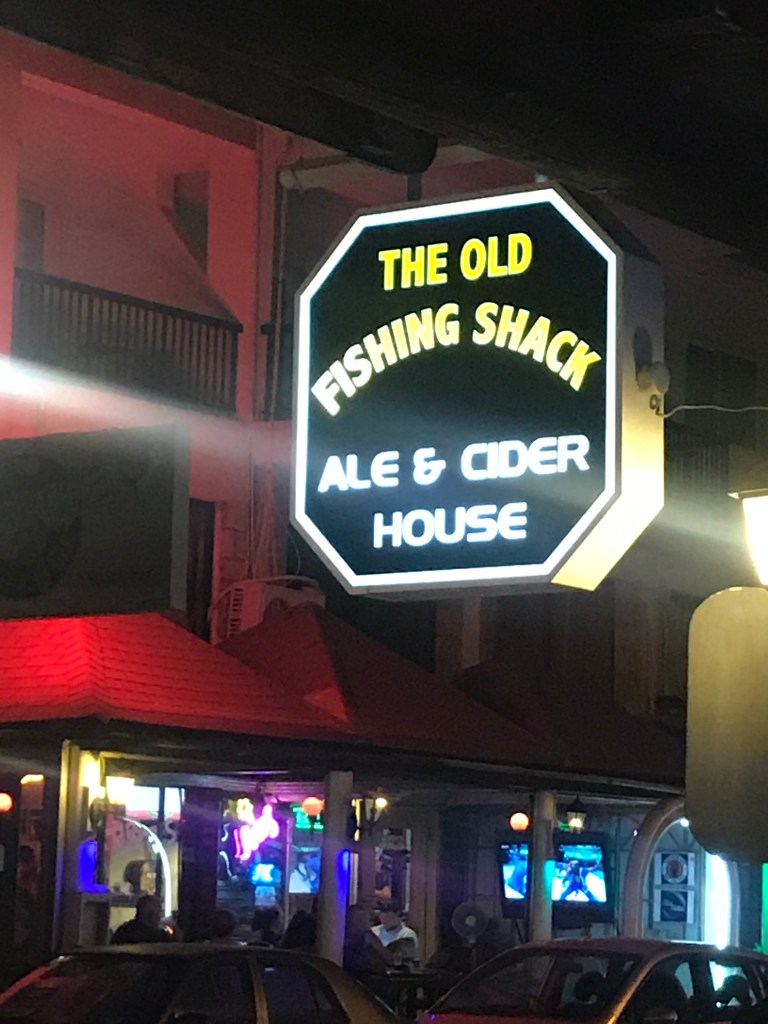
It’s been a busy morning so after more delicious local food for lunch we spend the afternoon in the pool chilling out. That evening we head to a cool pub owned by an eccentric Cypriot who prides himself on knowing everything about beer. He has a huge selection of beer from all over and he even brews his own cider. Monique and I try a frozen cider which are lemon curd and hot apple pie flavoured!!

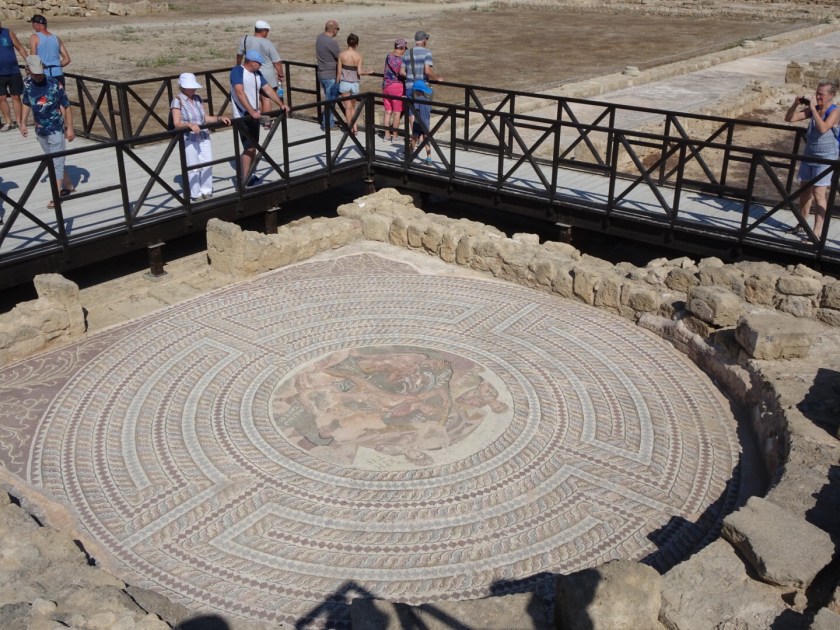
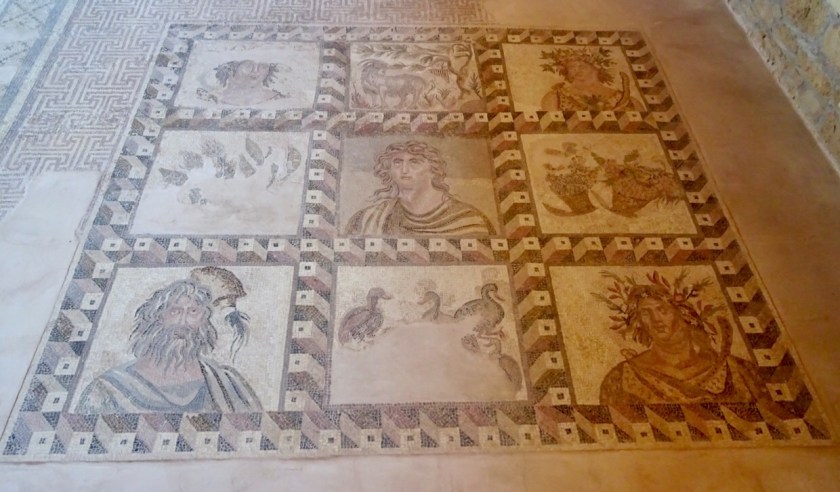
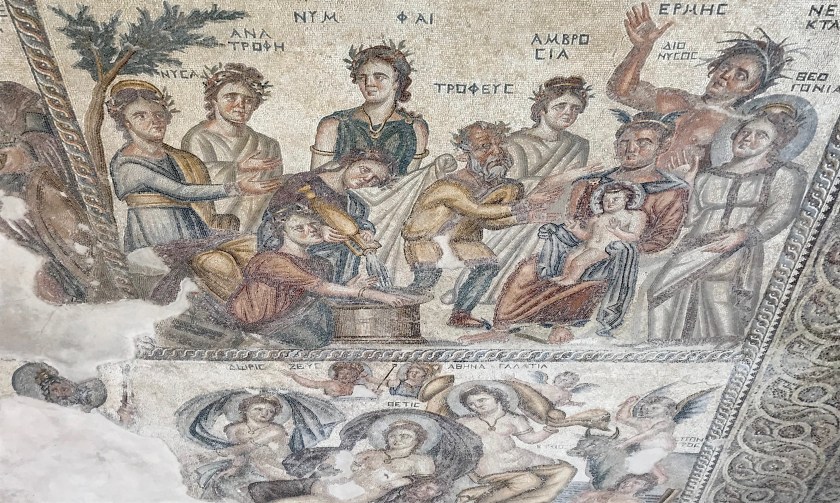
On our last day in Paphos we visit the “Nea Pafos archeological site” which is famous for its mosaics.

We’ve seen quite a lot of mosaics across the countries we’ve visited on this trip. These are as interesting as any we’ve seen.

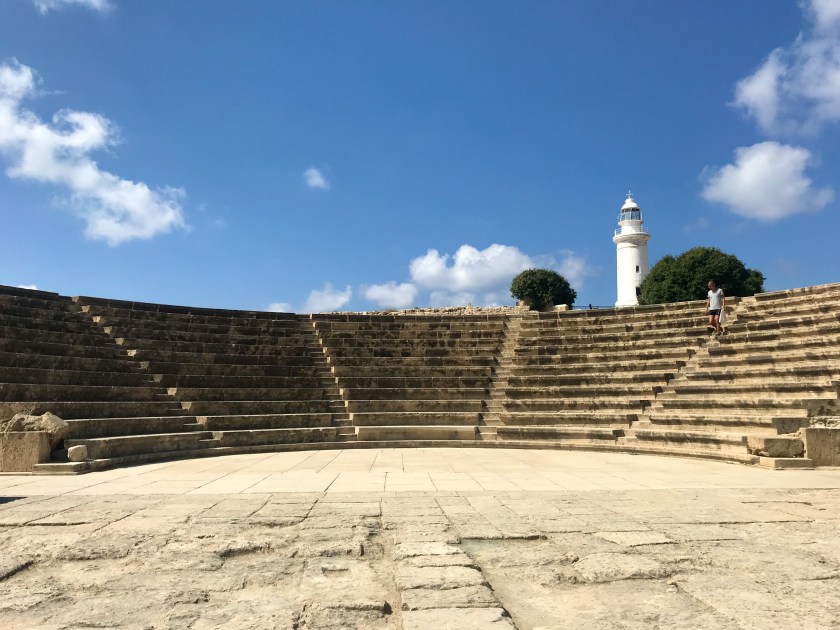
There’s also an amphitheatre and various tombs and remains of buildings in the site.

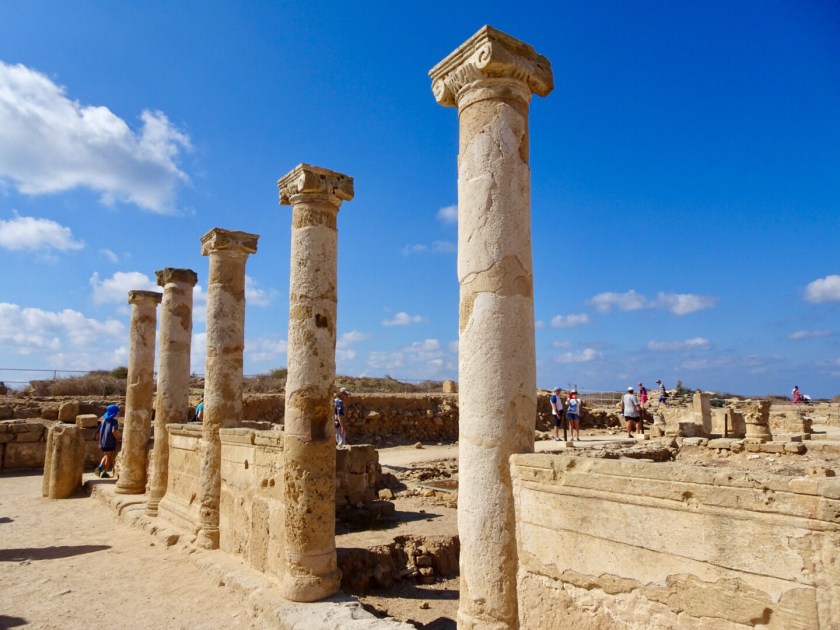
And of course pillars… I love ancient pillars:

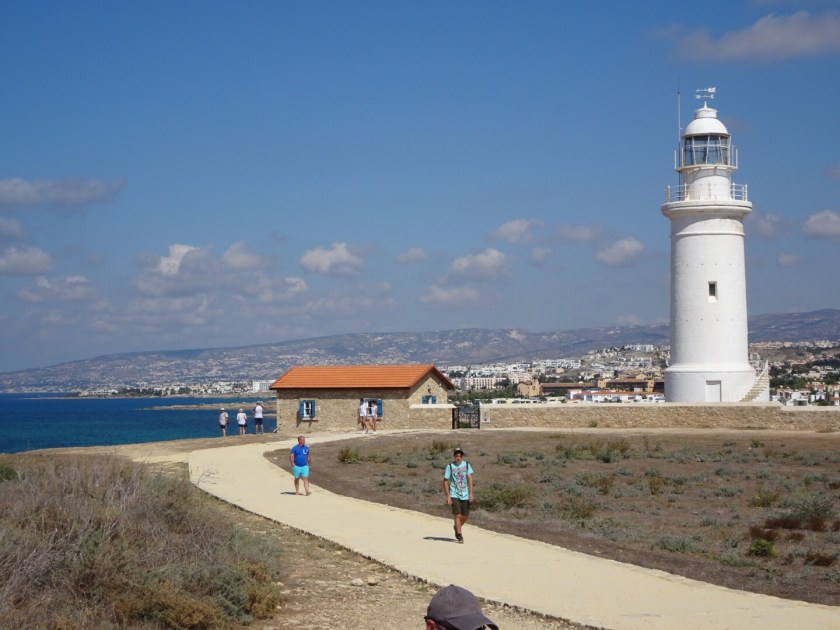
We walk to the lighthouse….

And continue around various ancient ruins….

We finish off our Paphos adventure with, yes you’ve guessed it, an evening of local food and wine. We get a reservation at St George’s Tavern where you get a set menu of as much food as you can eat. You don’t know what’s coming, the family just keep sending out different dishes until you tell them you’ve had enough, it is an amazing meal and a great way to to round off our Cyprus adventure.

It’s been a superb trip overall but it’s time to go home. 😩

Thessaloniki 🇬🇷

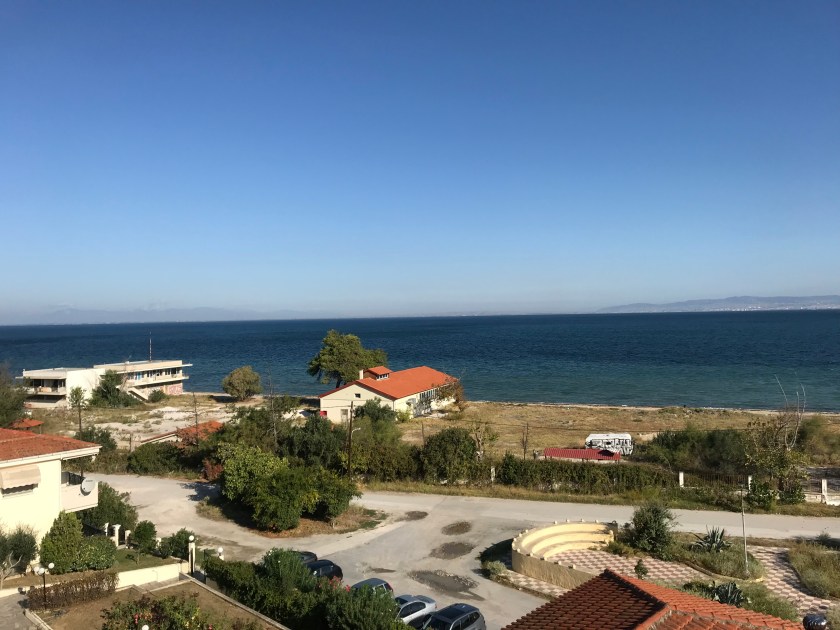
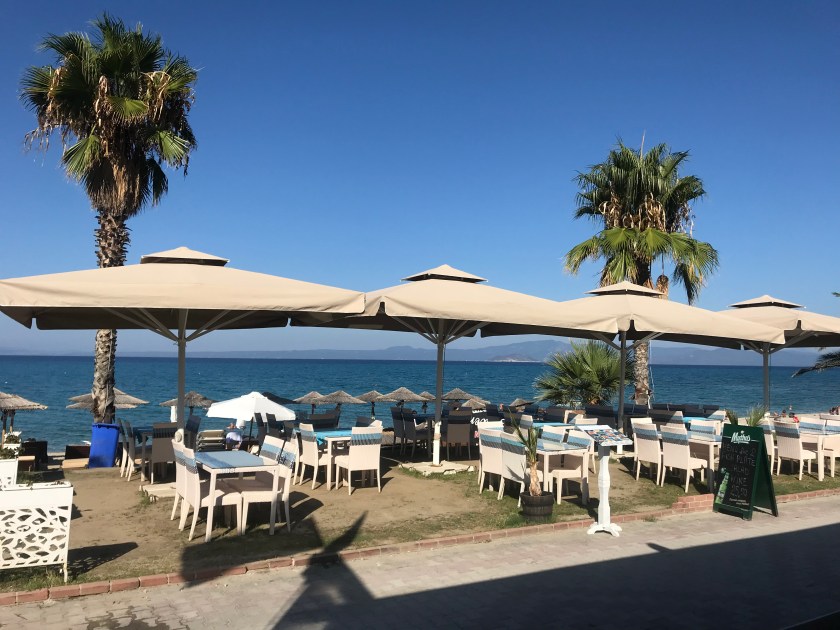
Time to move onward to Greece so today we take a small propeller plane to Athens, which takes just under two hours and from there a fifty minute flight to Thessaloniki. We arrive quite late to the resort of Agia Triada which sits on a beach across the bay from Thessaloniki. It’s quiet and on first look seems a bit run down but our Airbnb apartment is gorgeous with a huge open terrace and walking distance to a stretch of tavernas. We finish the day of travel at one of these tavernas with some local food, which is fantastic – baked aubergine, sardines, taramasalata, cheese, Greek salad, calamari…. it’s all so good and so cheap. Next morning we see Agia Triada by daylight and it’s definitely been hit by the recession. It’s nice to have a view of the sea but it’s time to get ourselves into Thessaloniki.

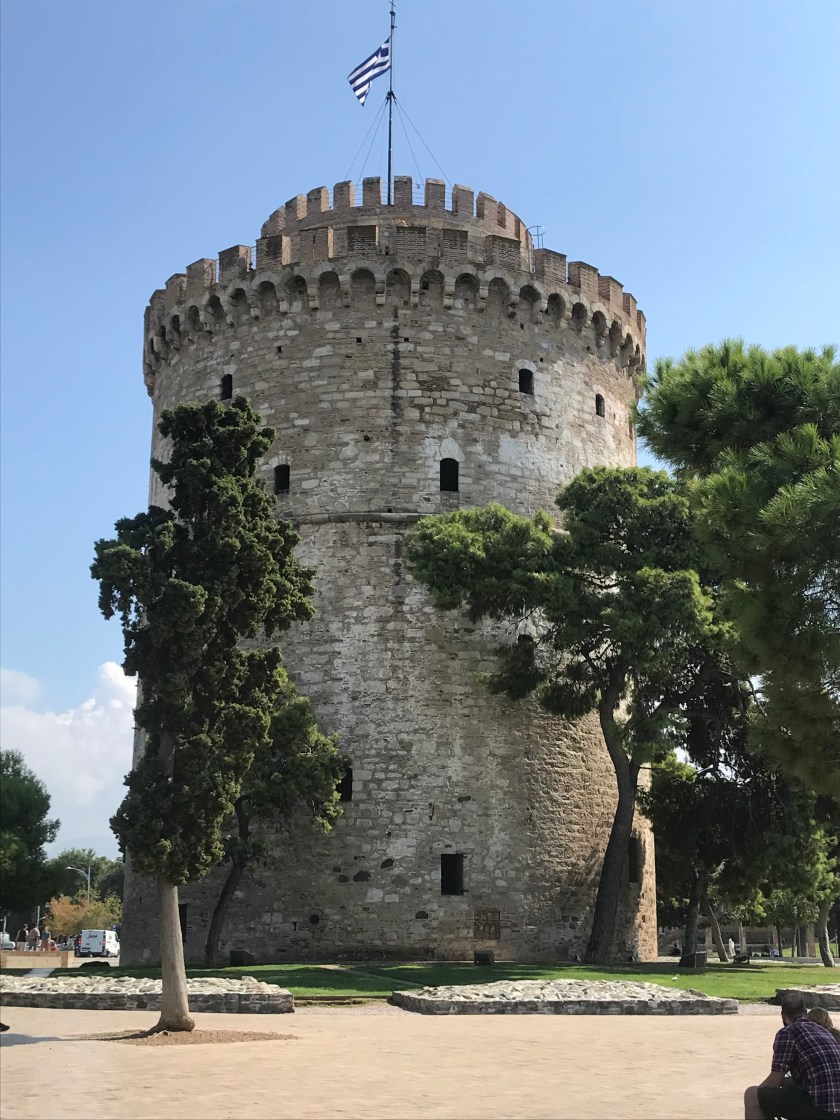
Thessaloniki on Greece’s mainland is situated in the north and considered the country’s second city to Athens. The city was founded in 315 BC and was part of the Roman, Byzantine and the Ottoman empires at one time or another. We take the no.72 bus into town and start our Thessaloniki exploring with a visit to the White tower.

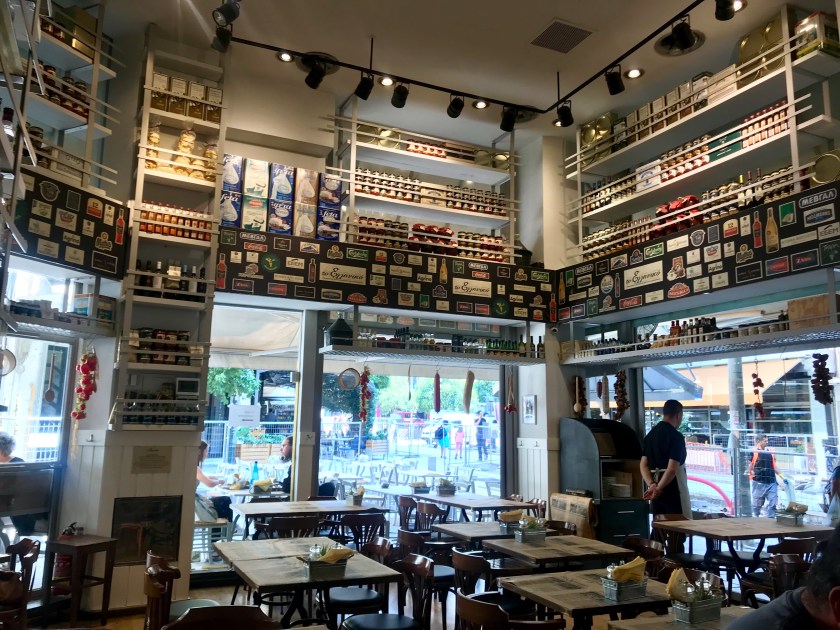
Thessaloniki is considered the food capital of Greece so we’re happy when it’s time for lunch. We all recently watched Rick Steins “Long Weekend in Thessaloniki” so we have some specific food items and restaurants on our list. We start with a restaurant called Elliniko and want to order everything on the menu as it all looks so good. The great thing about being a group of six is that we can order a variety of plates to share so we get to try all sorts of things. The main thing on our list at this restaurant is the stuffed onions and they are as good as we’d hoped.

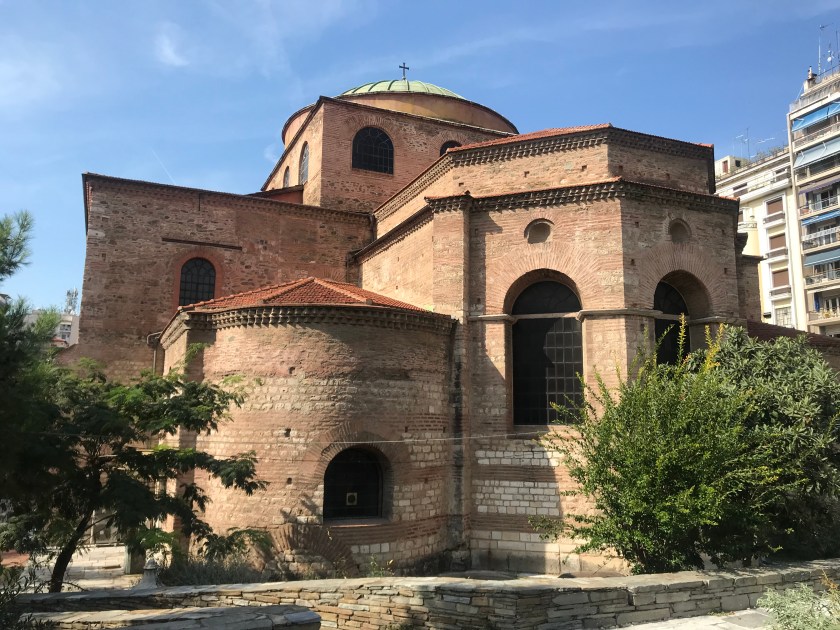
Deemed Thessaloniki’s most impressive church, our next stop is Agia Sofia. Built in the 8th century, it is based on The Hagia Sofia in Istanbul. It’s a much smaller version but still quite huge and very impressive inside.

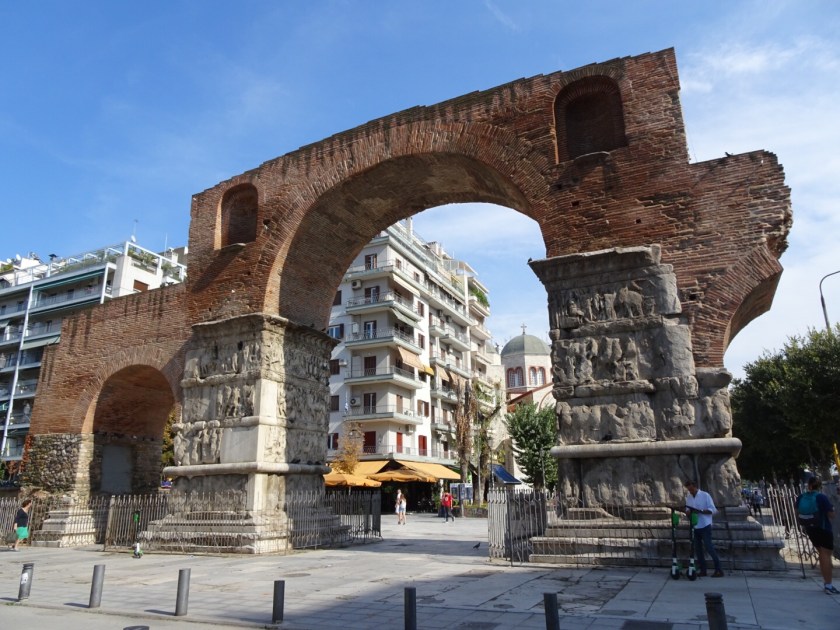
The next two sites we visit are Roman monuments. The arch of Galerius, built in the year AD 303, sits among the bustling modern streets.

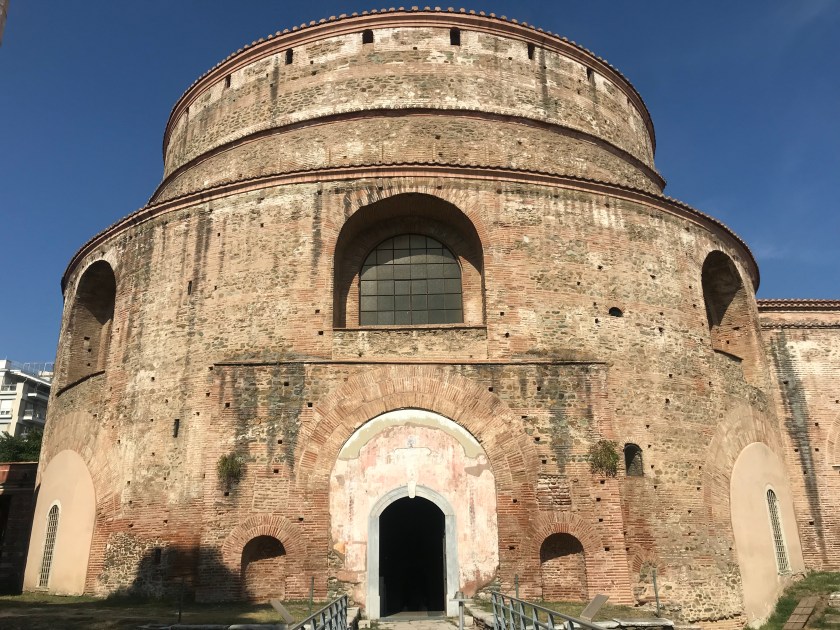
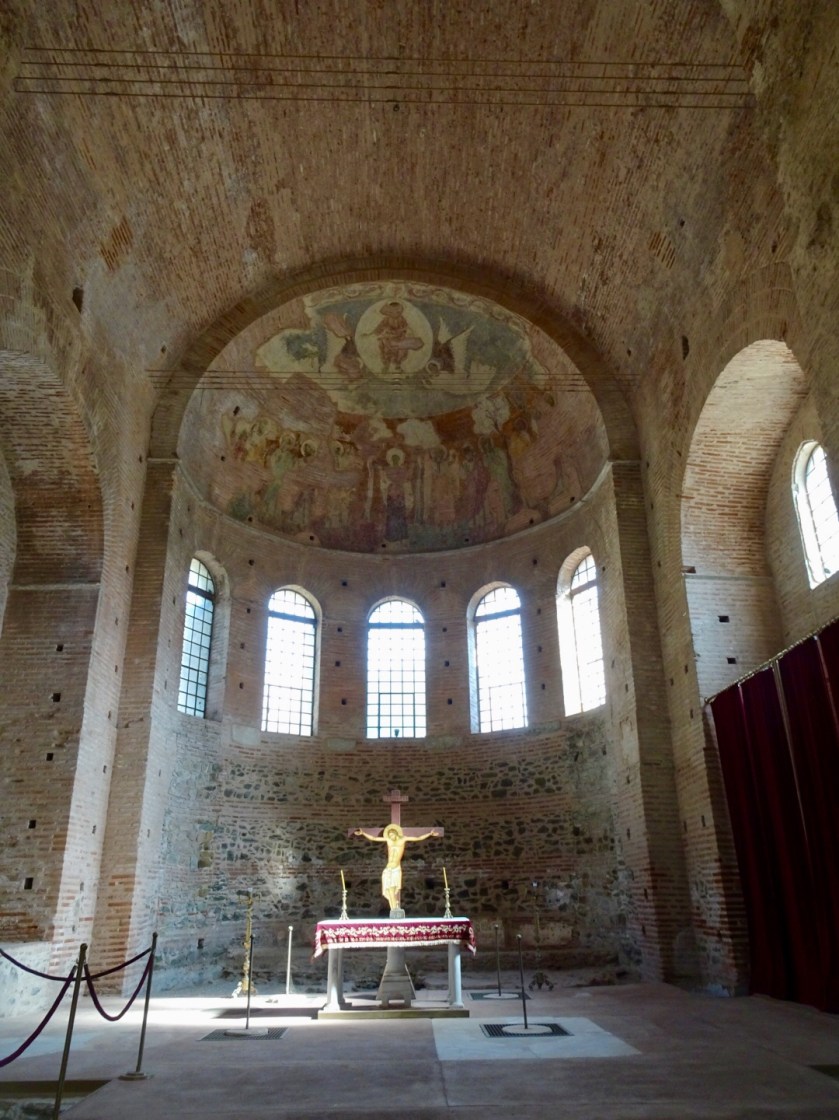
From the arch the street leads to the Rotunda which Galerius built as his future mausoleum but he never got buried there. Similar to the Hagia Sofia this was a church (built by Constantine the Great) and later under the Ottomans converted to a mosque.

There are still some surviving mosaics and frescoes throughout the building.

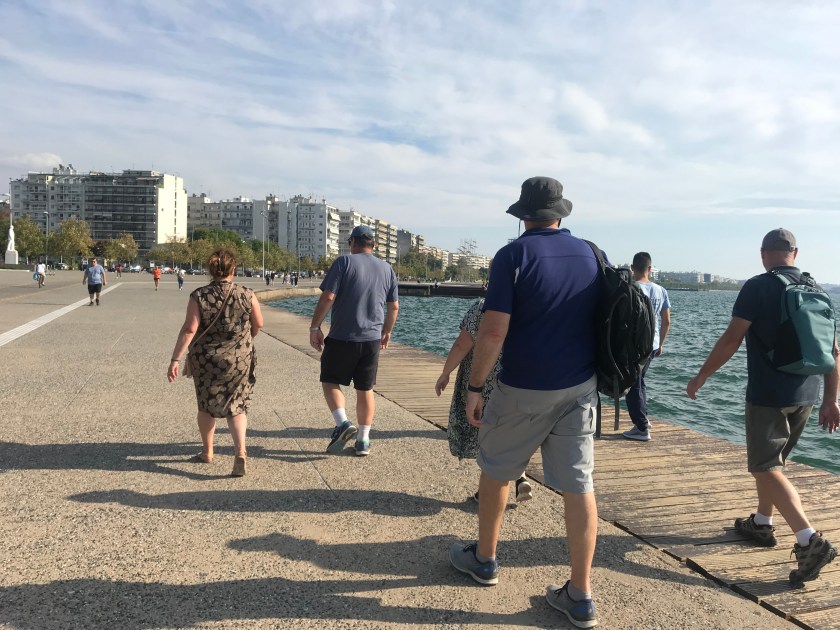
The weather is gorgeous and there is a long promenade which we walk. There’s a cool breeze and the water is fairly high and a bit choppy. Looking toward the water we spot something bobbing up and down and all realise at the same time that it’s a rat…yuck…. and then we spot another and another – what is going on here!! There’s about six dead rats bobbing along in the water… ugh. I hope there’s no-one bathing in that water!

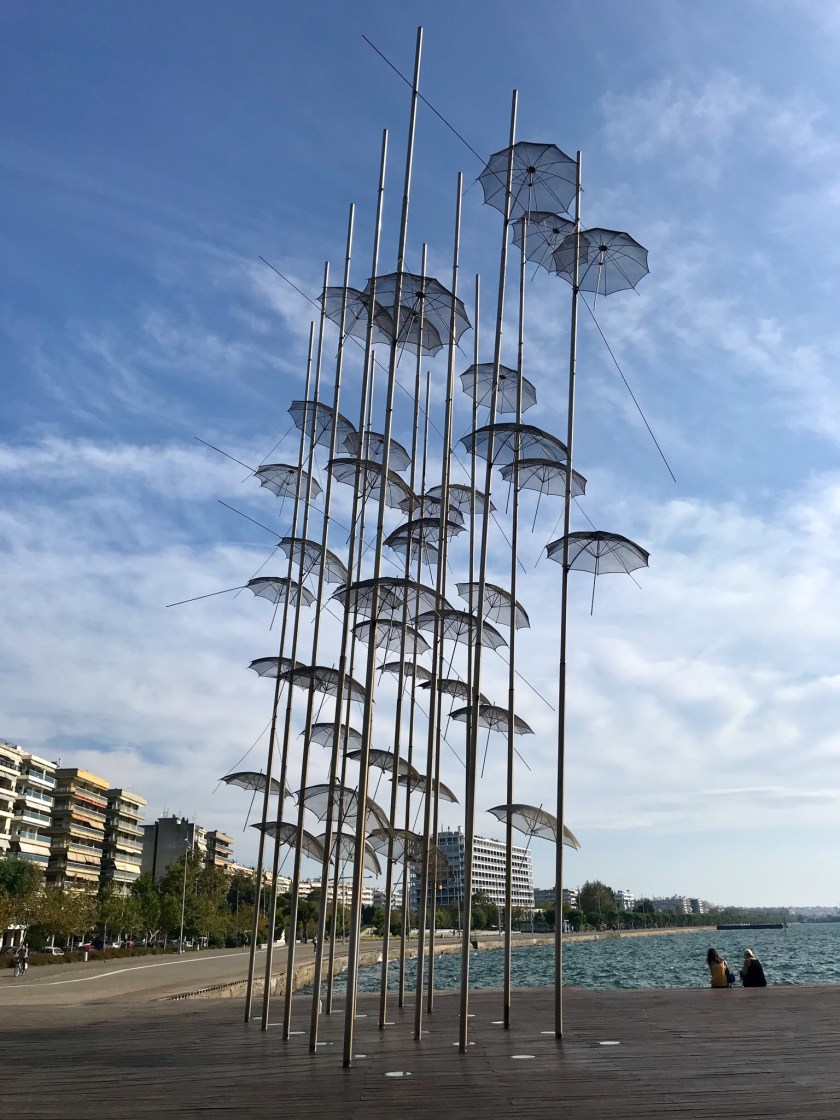
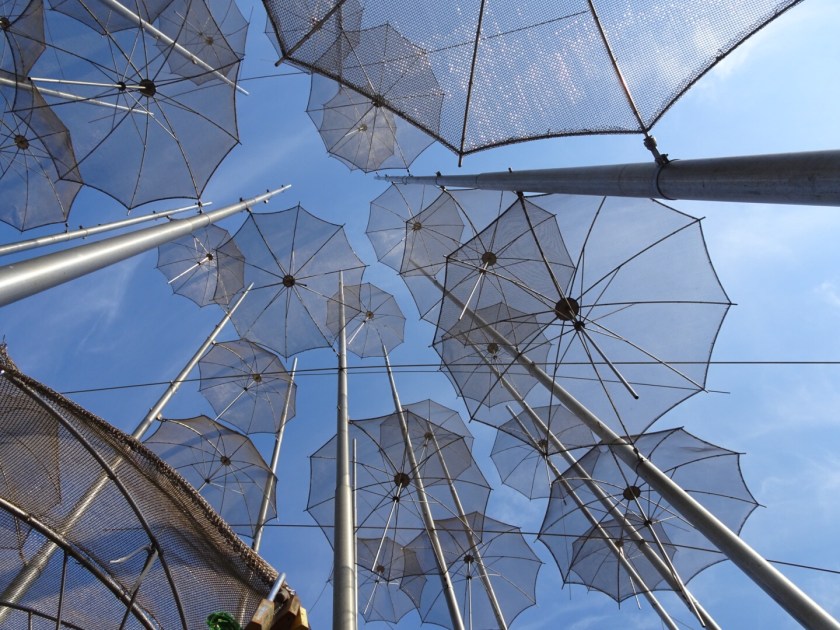
Back to the more delightful aspects of Thessaloniki (although I can’t help looking into the water for rats!!), we come to the Zongolopoulos Umbrellas sculpture.

In high season there is a ferry from here to Agia Triada but as we’re here off peak (actually the shoulder season) it’s back on the bus which we’re hoping is not as packed as earlier. Dinner on the beach at another local taverna rounds off our day.

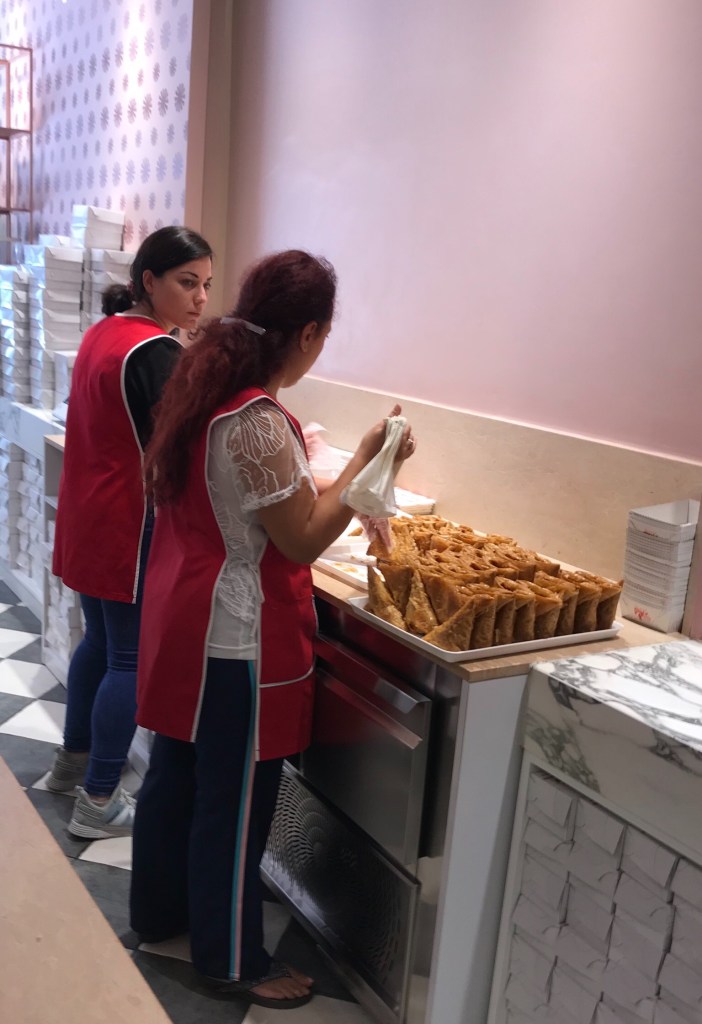
Next day is James birthday so we’ve planned another day in Thessaloniki to tick more food stuff off our list and find him some craft beer🍻. We start with trigona pastries at the famous Elenidis bakery. Established in 1956, this is all they make. They are delicious crispy filo triangles, soaked in syrup and filled with creamy custard.

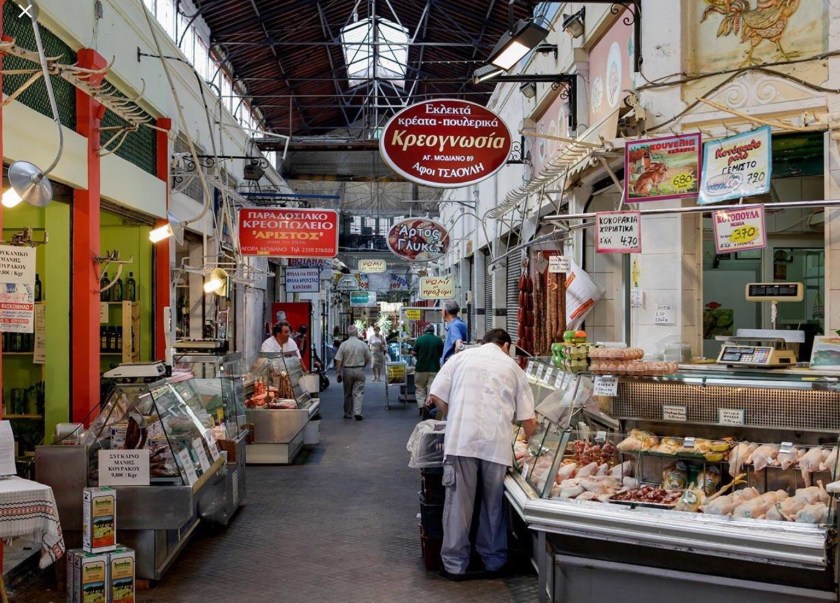
Next we check out the Modiano market which has lots of olives, fish, meat, fruit and veg. It’s really interesting to walk around and we see all sorts including butchers hacking into meat while puffing away on cigarettes hanging out of their mouths!

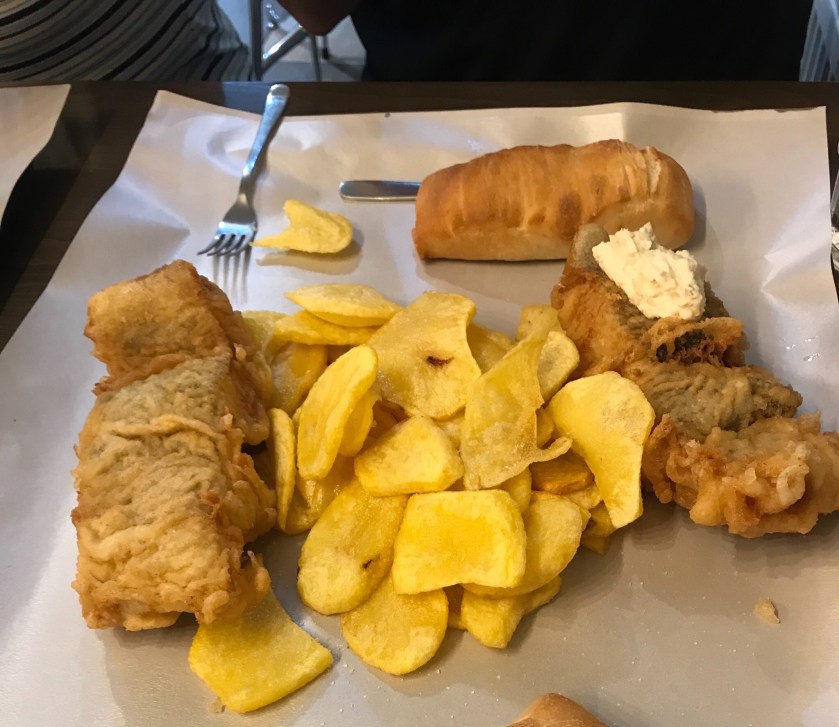
After a few purchases of olives and dried fruit we head to our lunch stop which is another Rick Stein featured restaurant called Aristoufor. It’s famous for salt cod and chips. We’re all going for the signature dish and it’s served on a long tray between two. A big lump of battered cod, sliced chips, a bread roll and a big dollop of thick garlic sauce… OMG it’s gorgeous. [I may need to consider the cabbage water diet when I get home!]

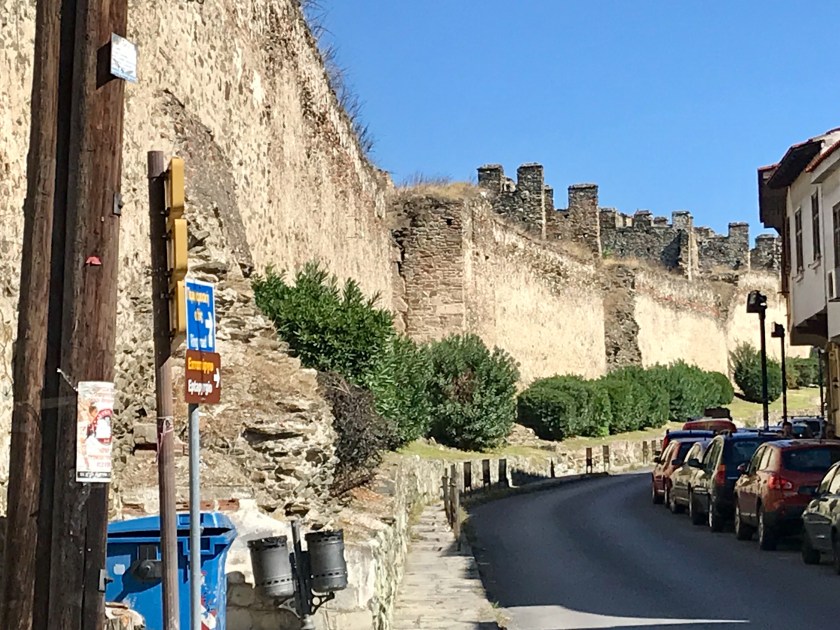
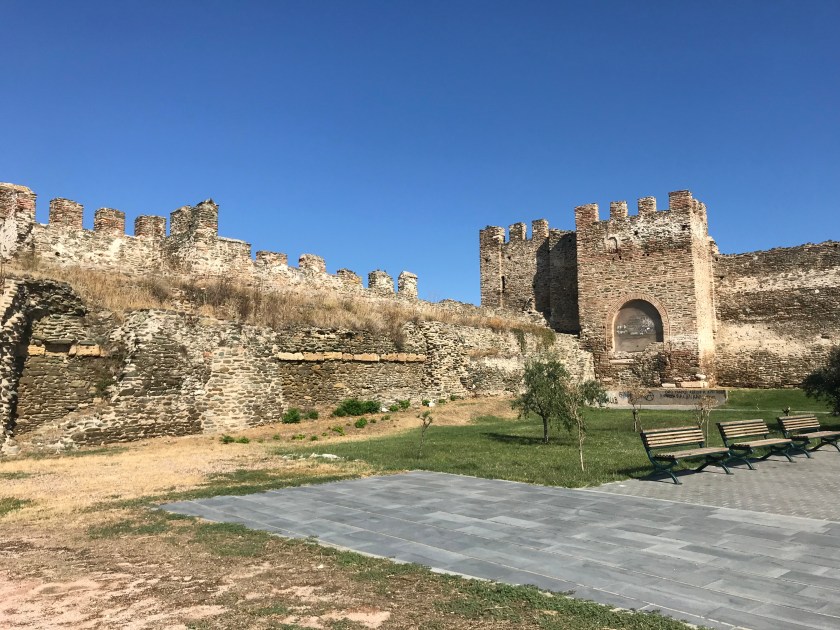
Our afternoon activity to walk off lunch and before finding beer is to visit the old town – Ano Poli. It’s a fair ways up the hill overlooking the bay and new town so we bus it some of the way up and climb the rest. The bus is by far the most packed bus I’ve ever been on. It’s insane!! It’s already packed with no standing room but it keeps stopping and letting more people on. It’s so hot and so crazy we jump off early preferring to climb the steep steps. Once at the top, we walk along the Byzantine walls…..

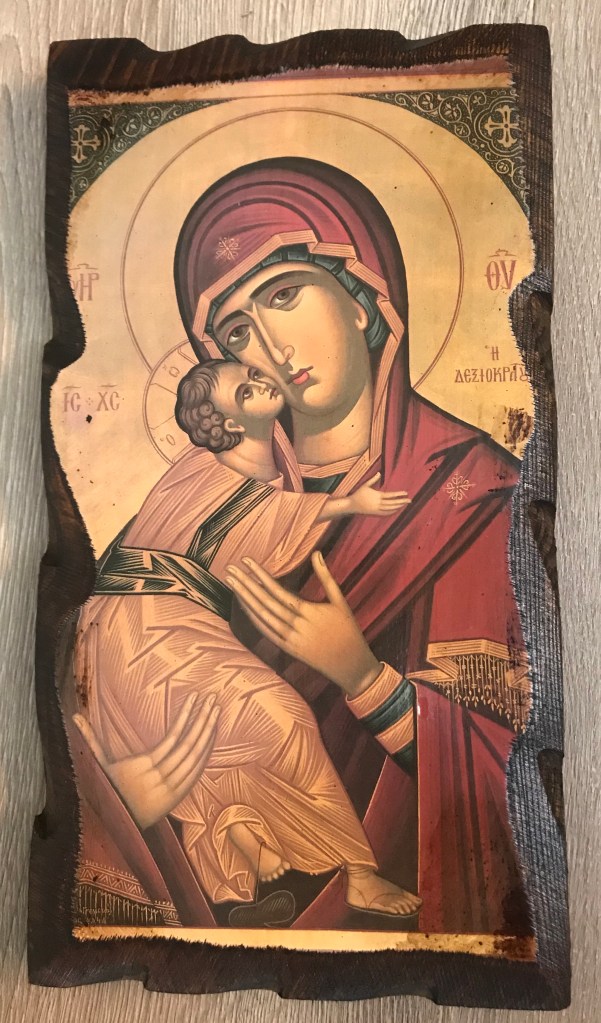
There are a couple of different monasteries to briefly check out and one (Vlatadon monastery) has a really cool shop with handmade icons. I’ve been eyeing up the icons for a while now so I bite the bullet and buy one. It’s of the Virgin Mary (would you expect anything else!) and when the man in the shop takes it from the wall to pack it for me, he kisses it and blesses himself.

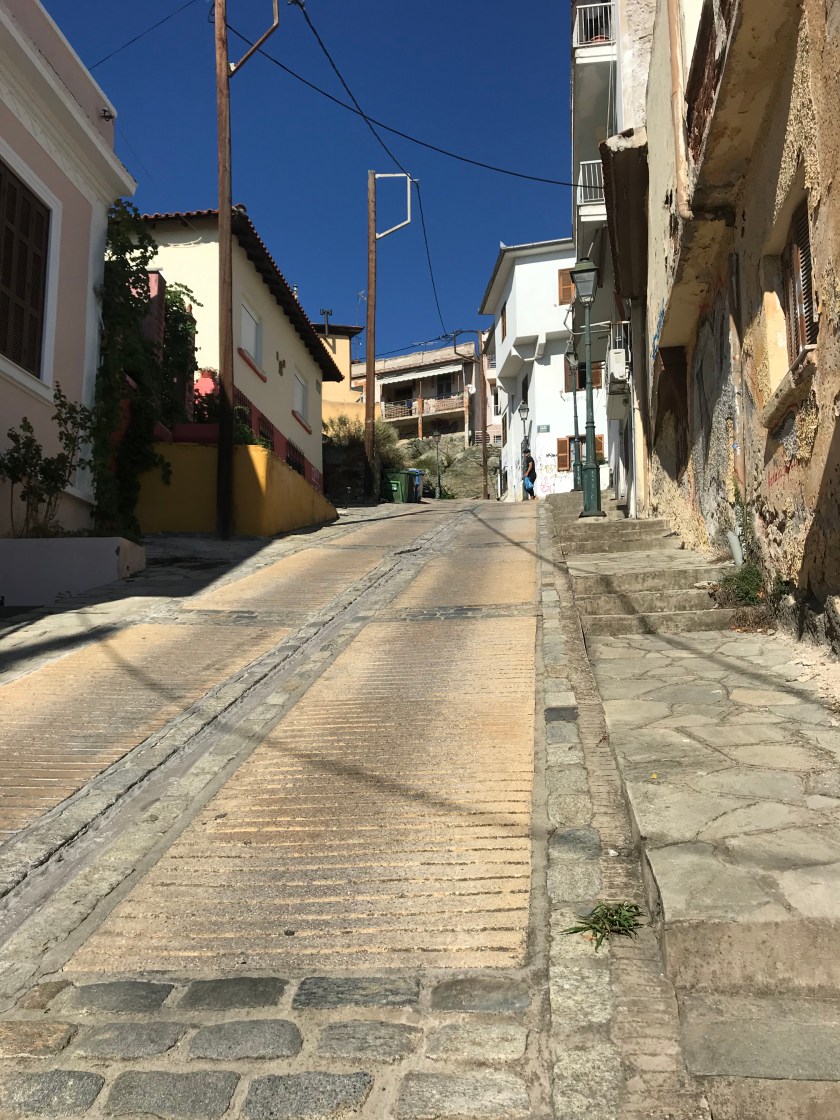
It’s an interesting walk back down through the steep streets past people’s homes…

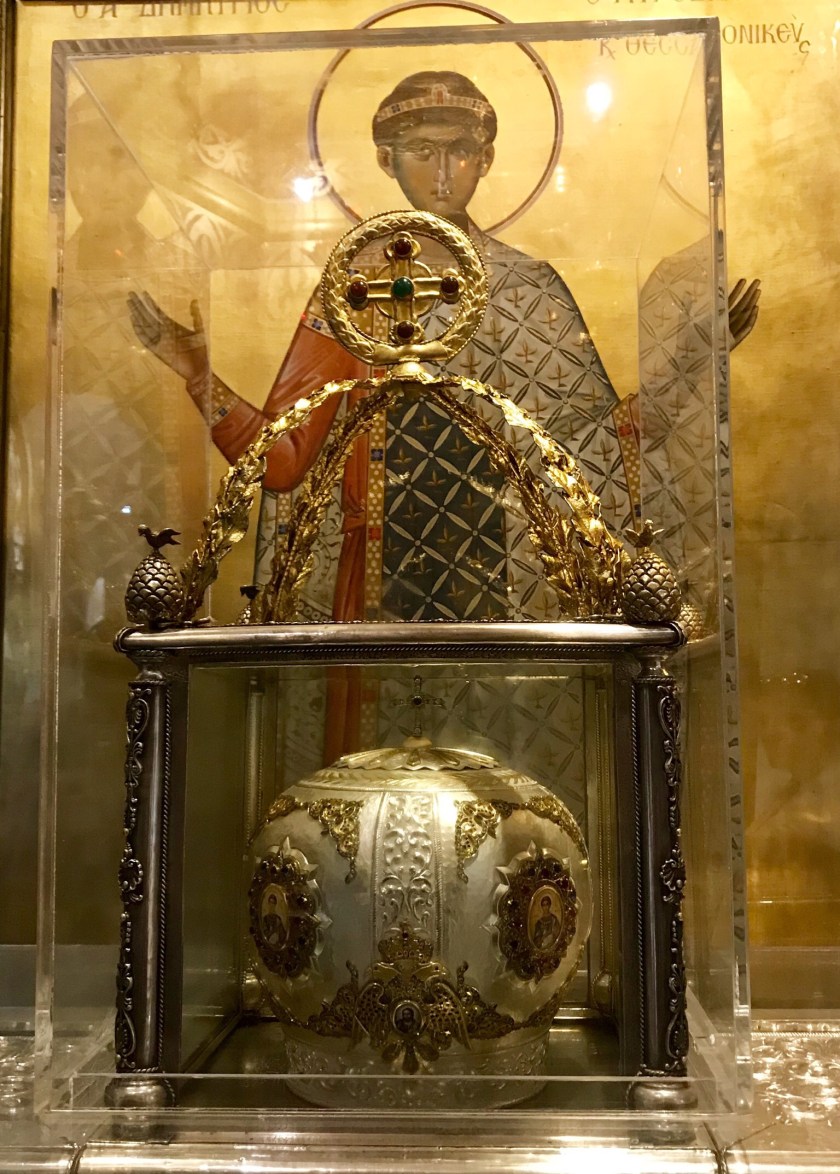
A quick visit into St Dimitrios church, sanctioned by the birthday boy, as I’ve read there’s some relics here. They’re the relics of St Demetrius (patron saint of Thessaloniki) but they’re enclosed in a bejewelled casket so nothing eerie to set eyes on.

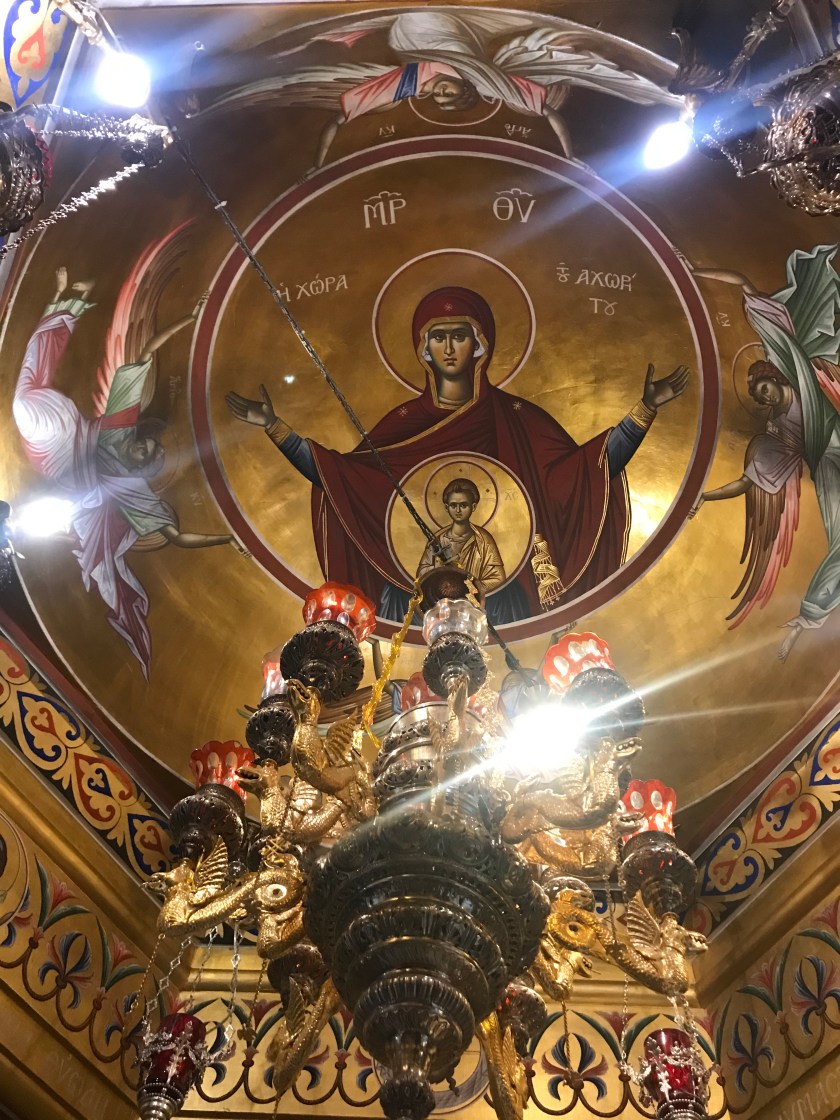
The church, Greece’s biggest and considered its grandest, is fabulously decorated with amazing icons and gold decor.

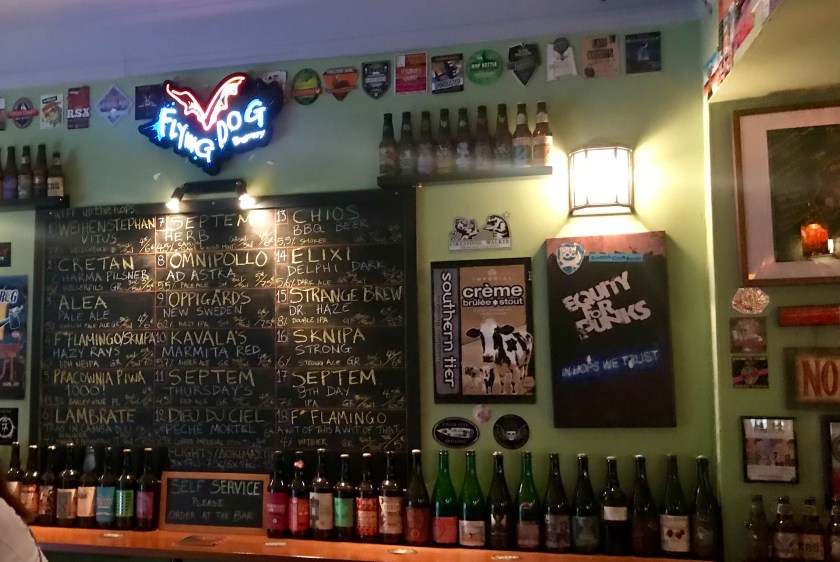
It’s beer o’clock and we’ve a couple of places on the list, assuming they’re open. One has outdoor seating and a good choice of cider so I’m happy. The second, a tiny bar called the Hoppy Pub, with a wide variety of beers, we find out later is apparently on a list of top ten craft beer bars in the world!!! What a find! With a few beers we’ve built up an appetite again so at the birthday boys request we head back to Elliniko for more stuffed onions – they really are that good!!!

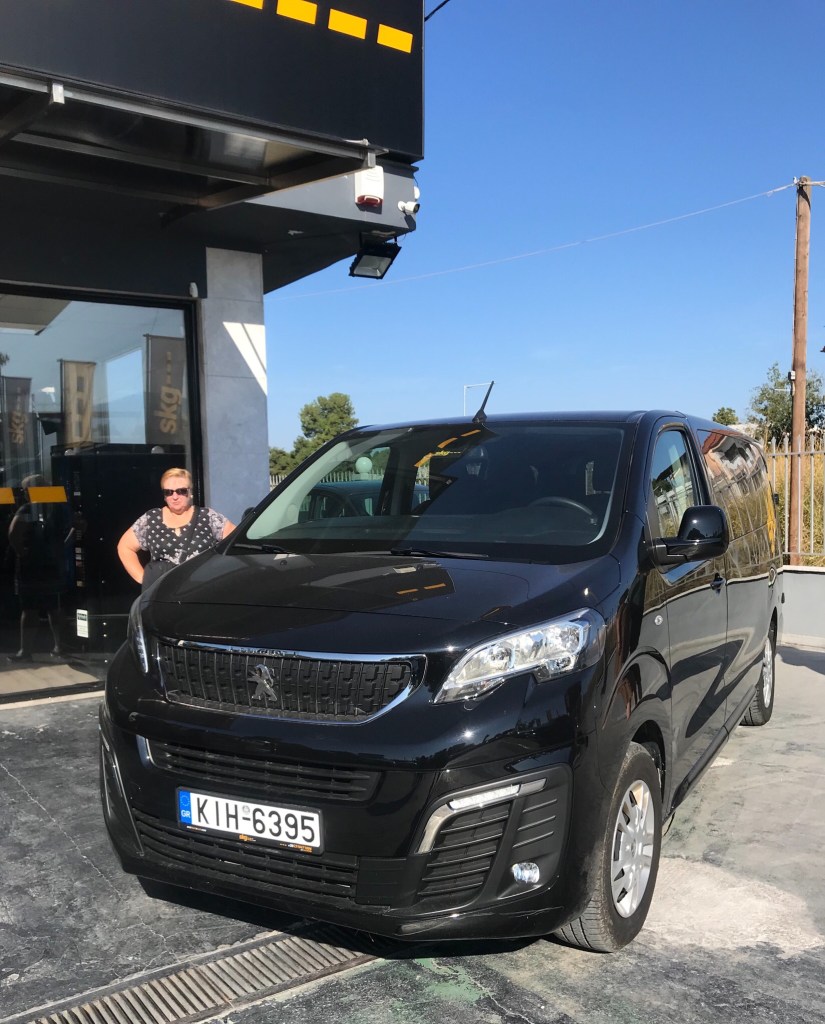
We’ve decided to rent a car for the rest of the trip and over the next couple of days we’ll venture further afield. We’ve agreed three drivers, me being one of them 😳. I can’t wait to drive this monster on the narrow roads among the crazy Greek drivers!!!!!!

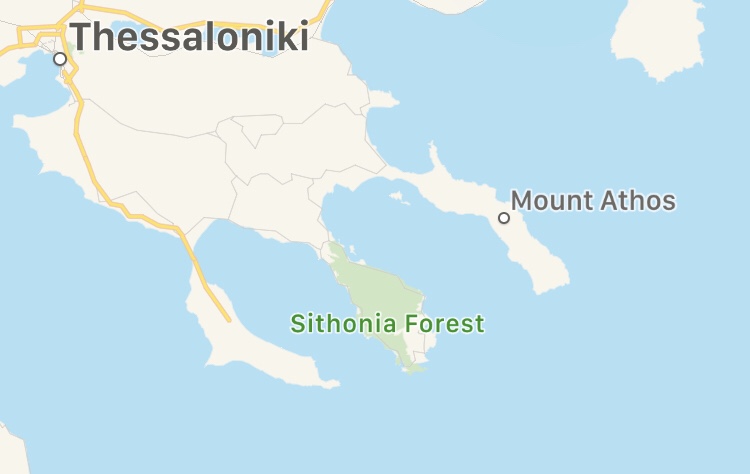
We decide to explore Halkidiki (or Chalkidiki) which has three peninsulas (or fingers) jutting out into the Aegean Sea.

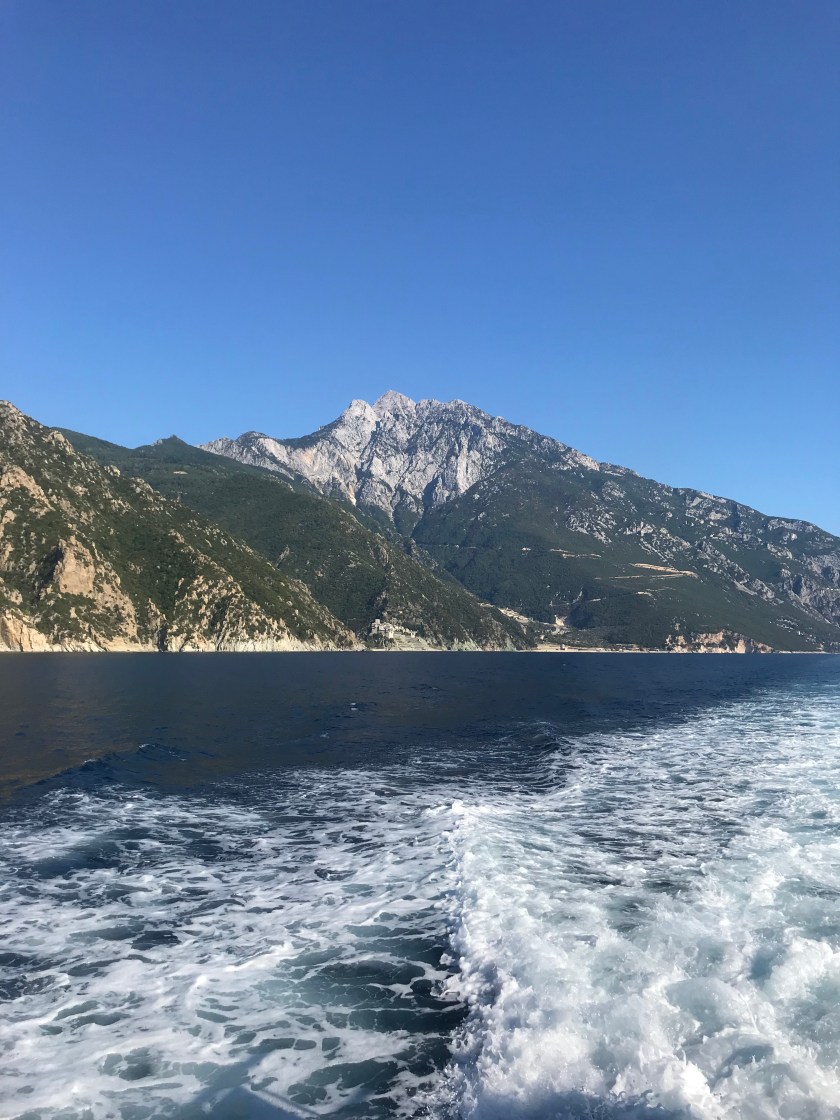
We stop in a small beachside town on the first finger for a coffee and bougatsa, which is another delicious pastry filled with custard…. it’s sooooo good! And then it’s onward to Mount Athos where we’re taking a boat trip from Ouranopoli along the coast of the peninsula as we’re not allowed on the land.

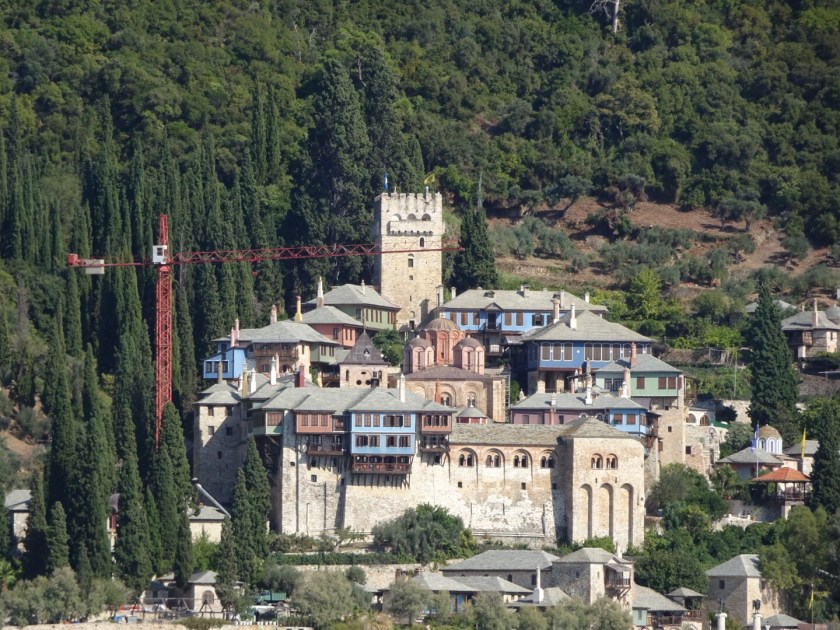
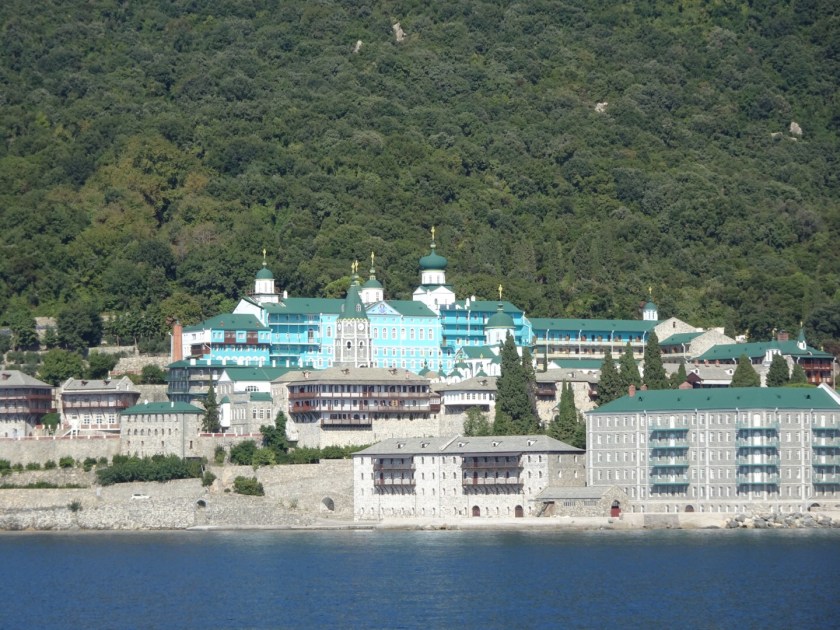
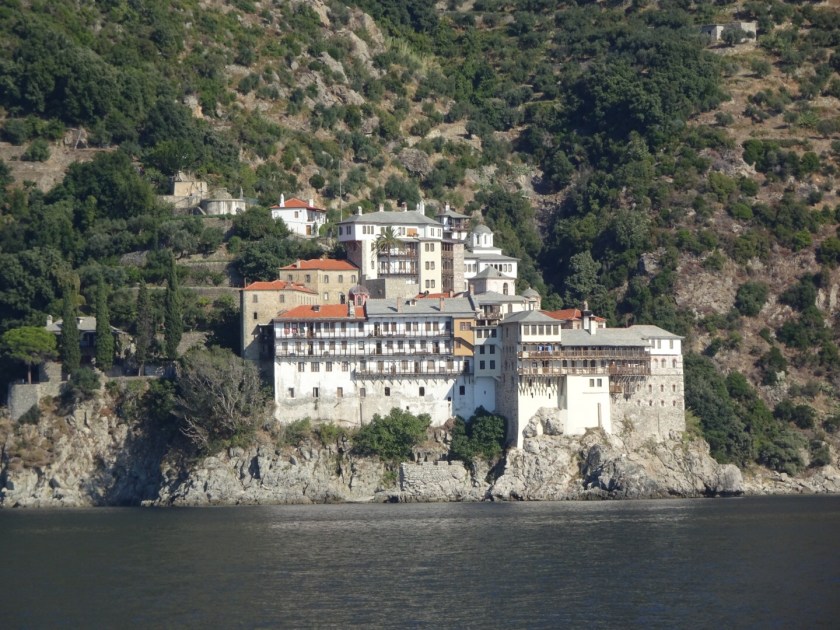
To the Greeks, Mount Athos is the Holy Mountain. It is an autonomous republic ruled by the monks who live in its twenty monasteries. Only a certain amount of adult males (including just 10 non orthodox) are allowed onto the land each day and women are not allowed at all. The best way to view the monasteries is therefore from the sea. One of the first monasteries we see is a 10th century monastery called Docheiariou, said to house a fragment of the true cross and an icon of the Virgin Mary with healing powers.

Next it’s Agiou Panteleimonos known as the Russian monastery, built in the 11th century.

By law, the boat must stay 500 metres from the land at all times so having a zoom lens on the camera comes in handy!

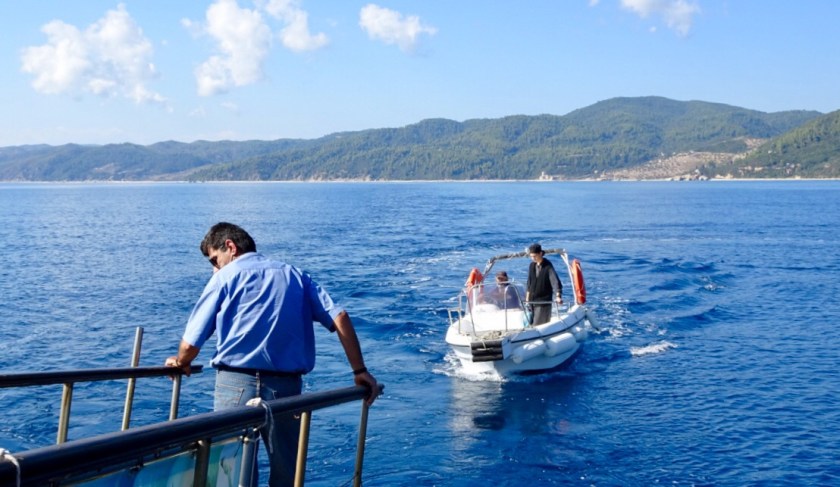
At one point along the way a speed boat comes alongside the boat and a monk hands a bag of something to a crew member on our boat… quite a novel way for a delivery!

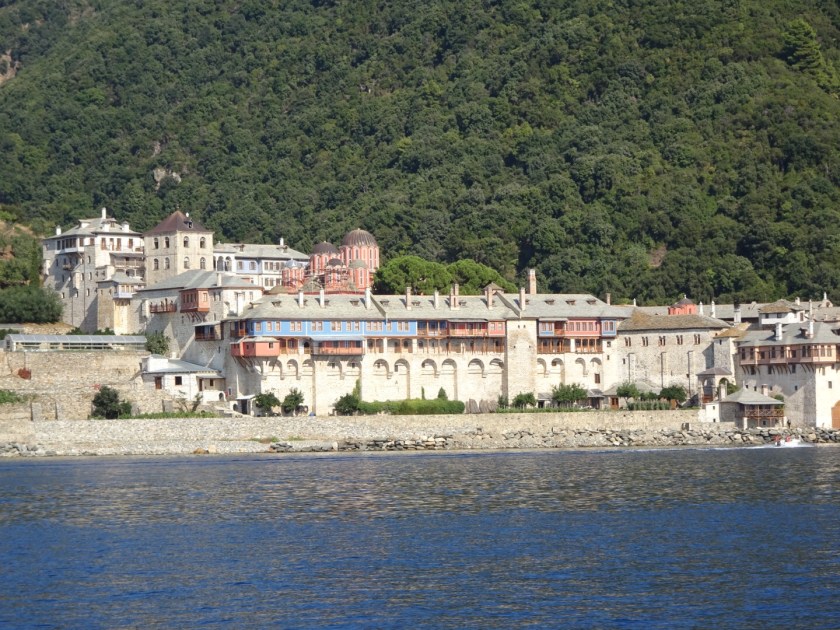
Nearly all monasteried out… one final one:

We eat a late lunch/early dinner after our boat trip and it’s a couple of hours drive home in the dark. Thankfully, as deemed the emergency driver, I’m not called upon to take the wheel – phew!! Glass of rosé please!

Next morning we’re all in agreement that it’s time for a beach day so we’re back in the car heading to a sandy (hopefully) sunny (no worries there) beach….

It doesn’t disappoint and we get free beds and umbrellas if we order a drink… have you met us? Not a problem!

The water is not quite as warm as it was in Sicily but it’s also not that cold.. it’s just gorgeous.

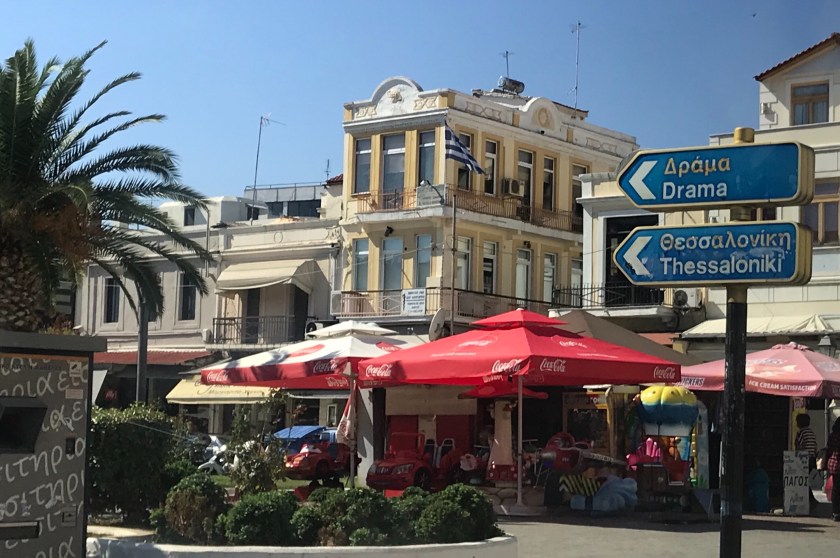
On our last day exploring we head to a town, which I quickly realise is a large city, called Kavala. It’s set on a harbour and is chockablock with cars and bustling with people. We drive around in circles but can’t find a parking spot. We keep seeing signs for Drama but there’s no way we’re heading for that 🤪

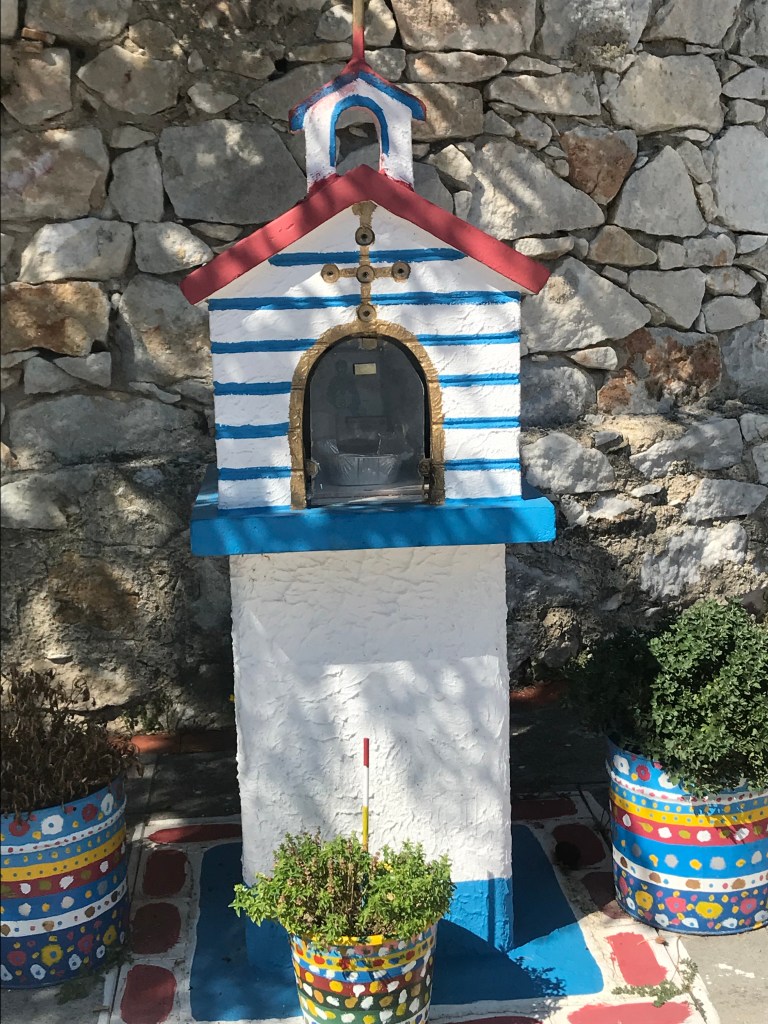
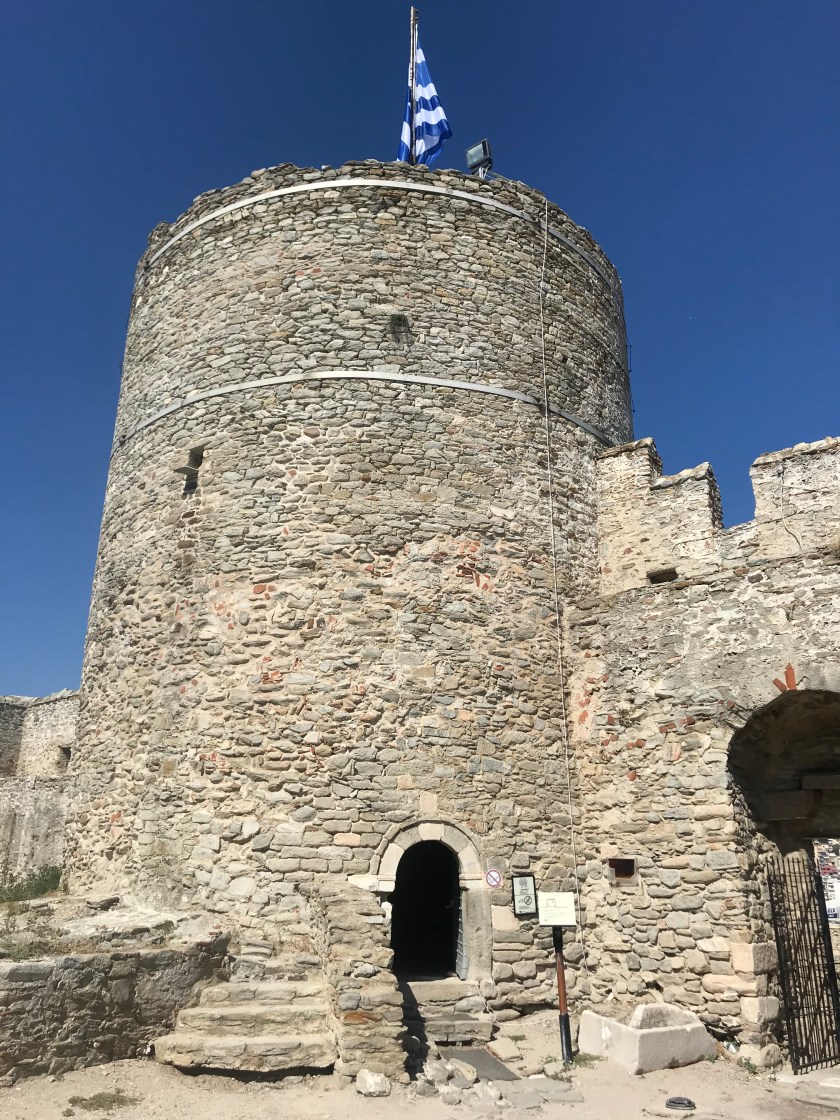
We decide to drive up the hill towards the castle and manage to find a parking spot. It’s much calmer and quiet up here. Love the little alters everywhere….

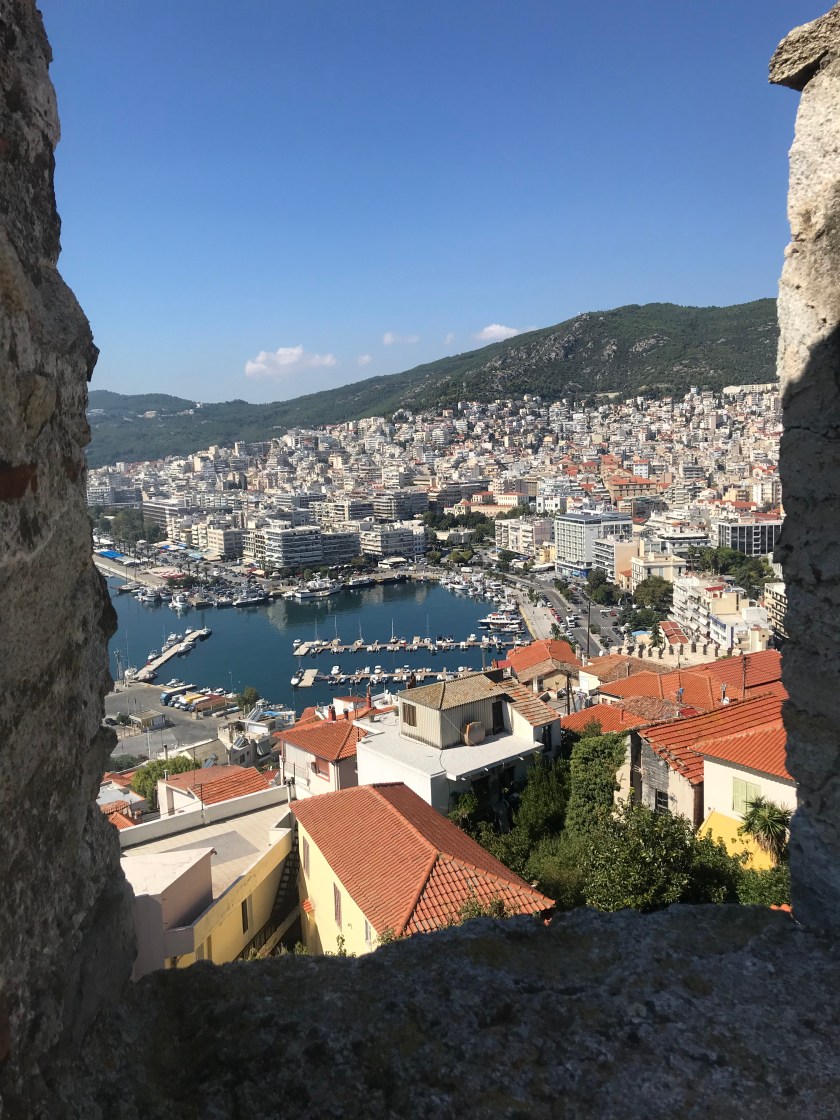
The views from the castle are stunning:

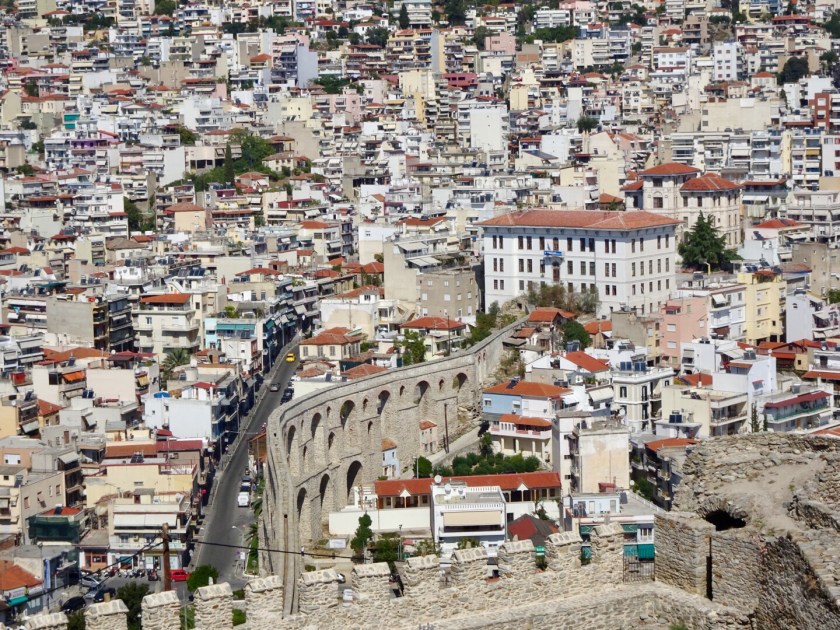
There’s a 16th century aqueduct, built by the Turks, in the centre of town which we can see from the castle….

On closer inspection the aqueduct looks very well maintained.

It’s too hectic to lunch in this busy town so we head to a smaller seaside resort called Stavros. A lot of places are closing for the season but we find a taverna and have our usual mix of dishes for another delicious lunch. Later, back at Agia Triada we have our final Greek meal by the water. It’s been a blast Thessaloniki – be seeing ye!

Malta 🇲🇹

The journey from Catania to Malta is a very short flight of about 45 minutes. The journey can actually be done by ferry as it’s only 95km south of the island of Sicily. We’ve booked a transfer from the airport through Welcome Pickups and our pick up guy – Andre is really upbeat and jolly. He tells us he can book tours for us, or if we want to hire his taxi he can take us around the island, so we decide to take him up on his offer. We have only one full day here tomorrow and had agreed we would spend it exploring Valletta. But now that we have this other option we decide to take advantage and do a four/five hour morning tour with Andre and cover Valletta in the afternoon. All of the morning exploring will be a bonus.

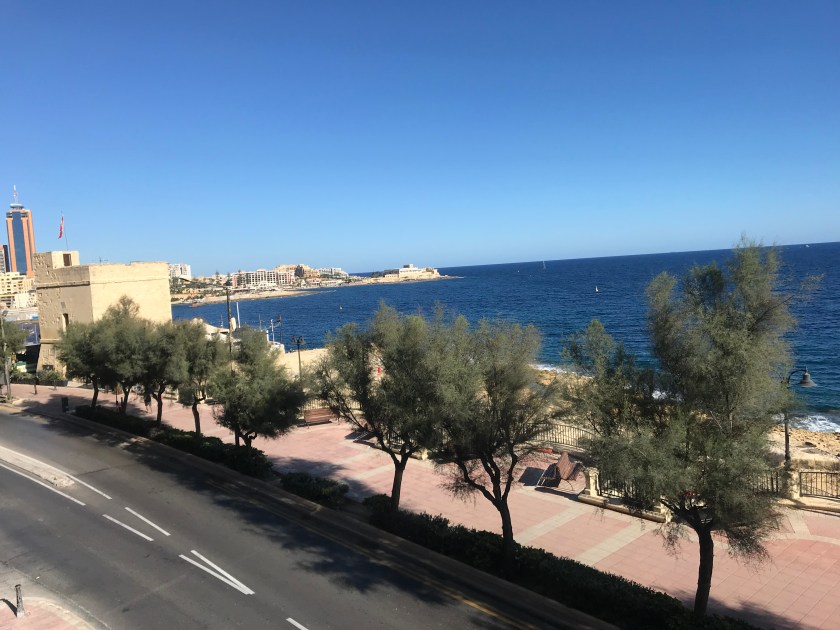
Valetta is the capital of Malta. We are staying in Sliema which is a peninsula just across from Valletta. It’s a coastal town with a holiday feel to it and a long promenade hugging the coastline. Our Airbnb’s really comfortable and is right on the front overlooking the ocean.

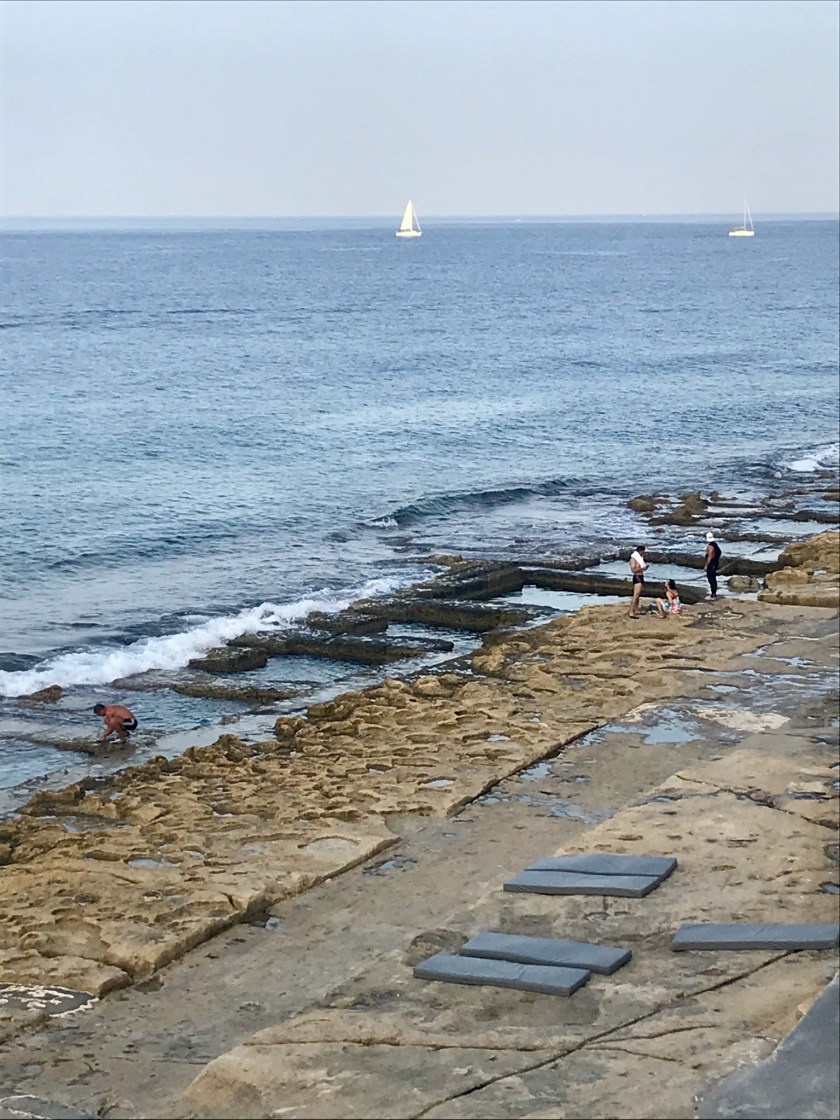
There are “natural swimming pools” or rock pools along the front. These pools were cut into the rock and allow bathers to swim in a concealed, albeit slippery, area from the sea.

We go for a walk to take in our local surroundings and end up having a few seafront drinks and dinner at a traditional Maltese restaurant called Takolina. Rabbit is a bit of a speciality here so we try that among other things… they are not shy with their portions and we’re all stuffed afterward.

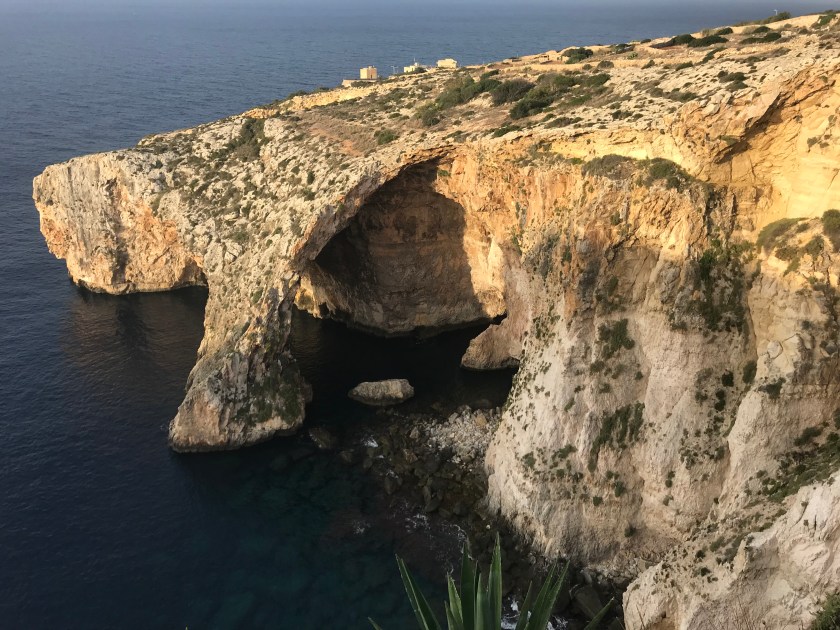
Travelling with Australians means you’ll always be up early and you’ll hardly ever be late…. No exception this morning and we’re downstairs a good ten minutes before our 7:30am pick up! Andre greets us individually by name and we pile into the comfy eight-seater taxi. First stop on our tour is the Blue Grotto.

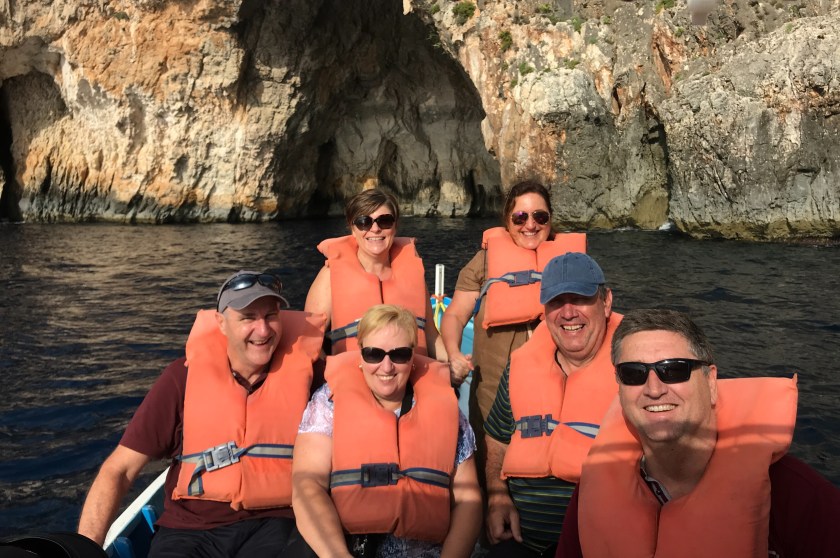
We take a short boat trip around the coast and into the caverns. The water is a beautiful clear blue and under the water at the rocks you can see different colours of red, green and orange. It really is spectacular:

Error
This video doesn’t exist

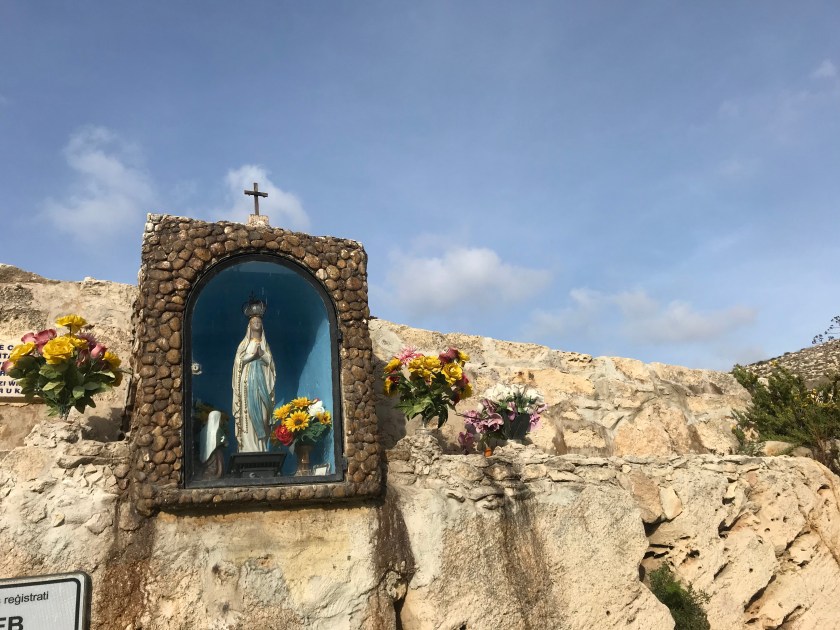
Malta is a catholic country and “herself” is everywhere….

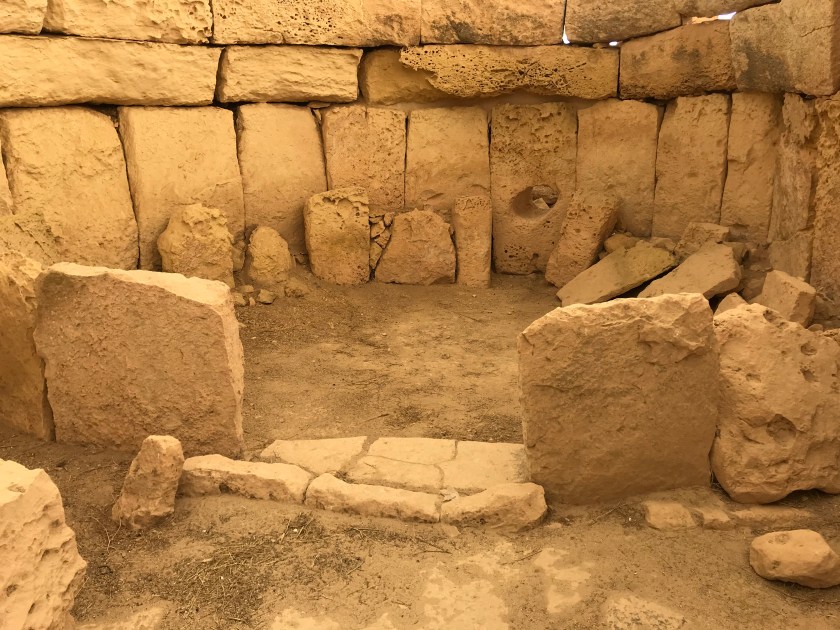
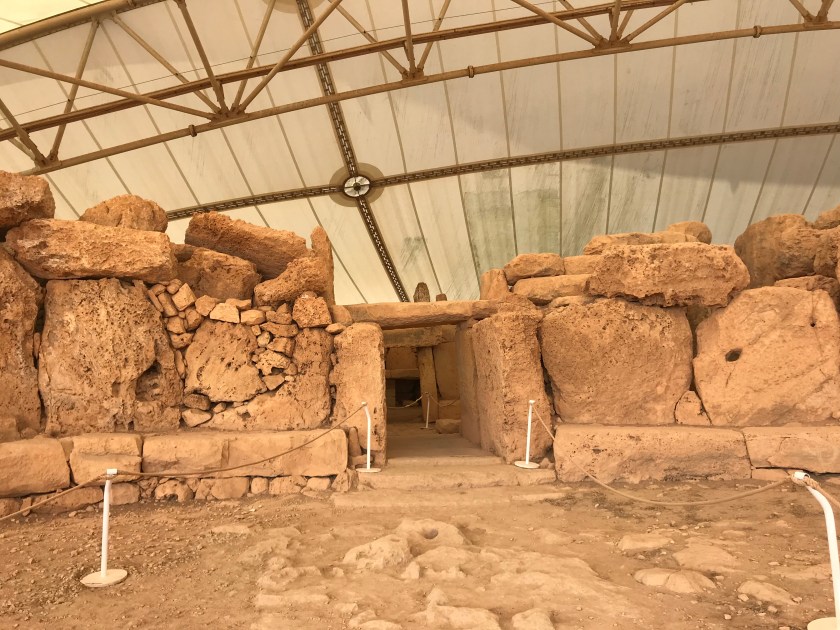
Next the prehistoric site of Hagar Qim which consists of a group of megalithic buildings over 5,000 years old. Very little is known about what they were used for but similar to Newgrange at home, there is a chamber which marks the summer solstice.

About 500 metres downhill toward the sea, with Malta’s smallest island Filfia floating just off shore is Mnajdra temple, another megalithic building. The excavated remains are covered to protect what’s left from the elements.

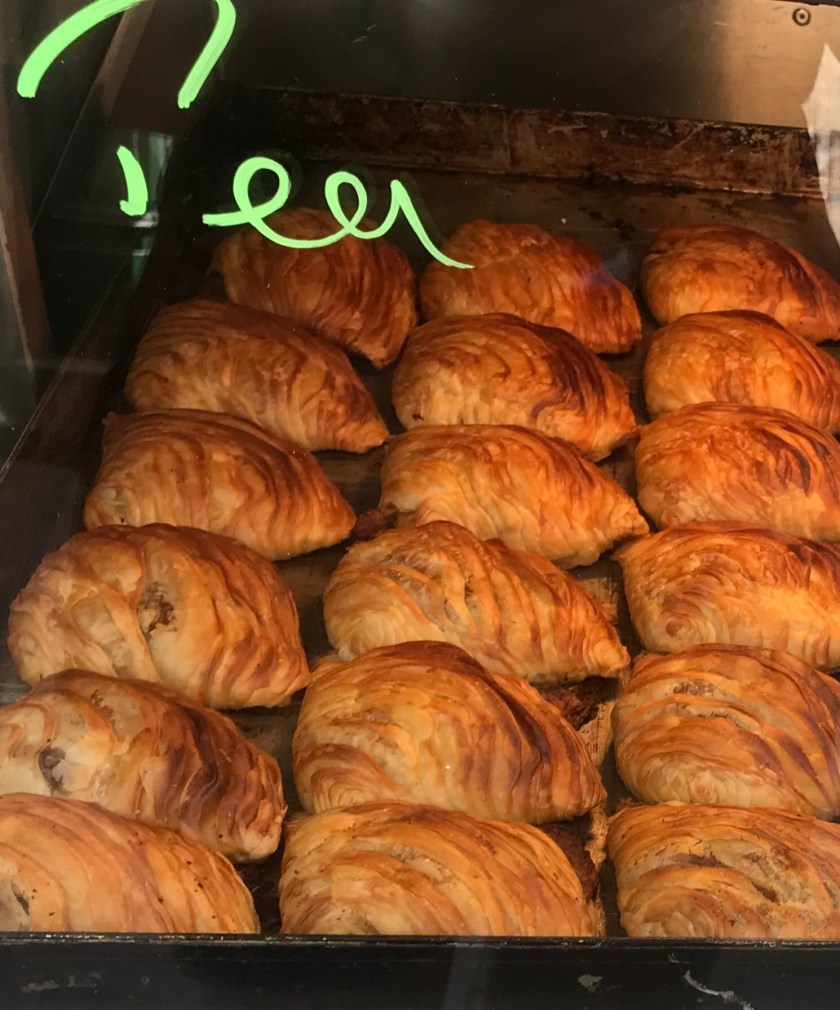
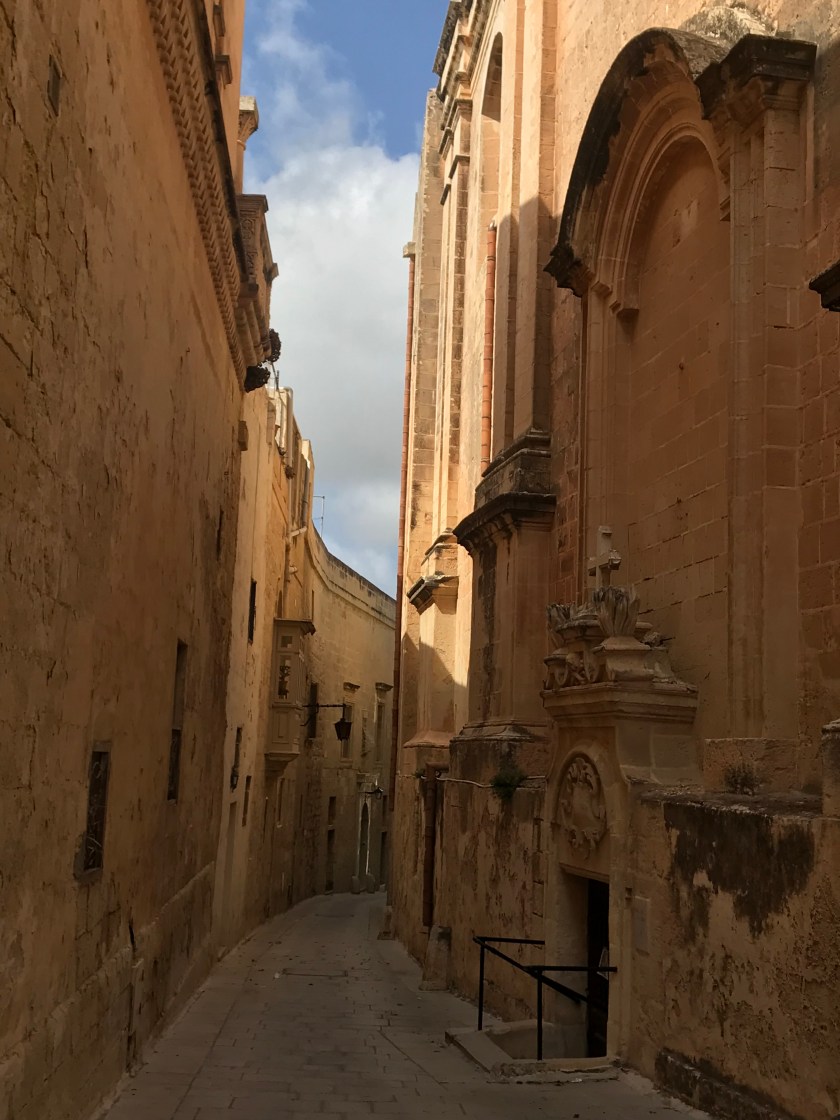
We are running out of time so by the time we get to Mdina we just about have enough time to get some pastissce (delicious savoury pastries) before a twenty minute dash among the streets of this very cool “silent city”.

Mdina is a walled city that served as the capital of Malta in ancient times. It is said that St Paul the apostle lived here in 60 AD after being shipwrecked on the island. It’s narrow streets and beautiful coloured buildings are fascinating to wander around…. for all of twenty minutes!!!!
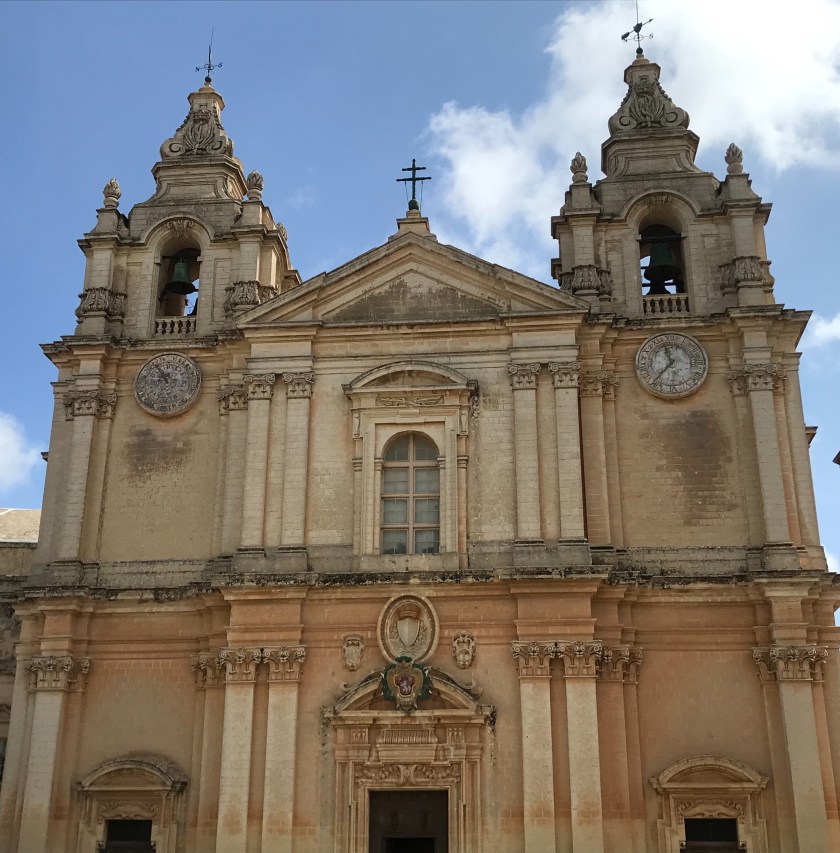
We do at least get eyes on St Paul’s Cathedral

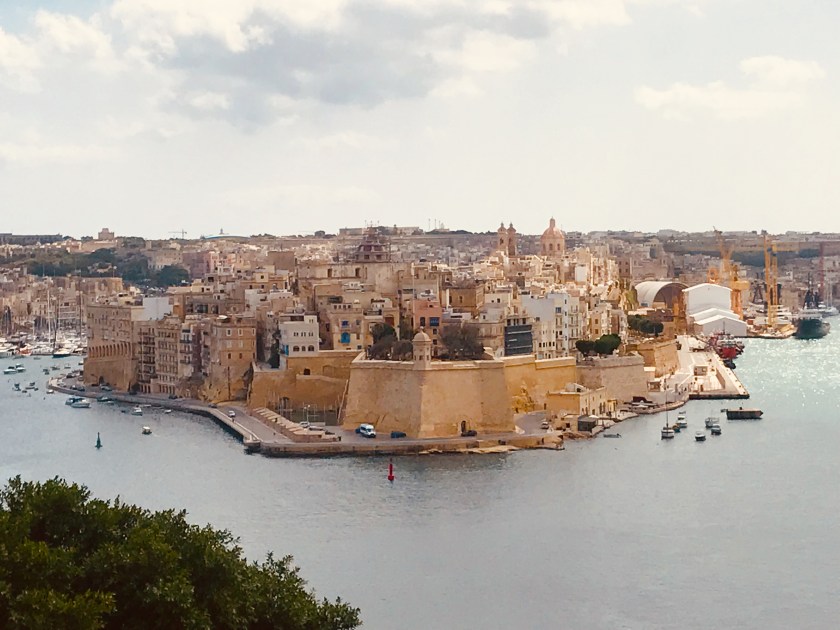
Andre drops us off at Valetta for our afternoon of exploring. Climbing high over the bay, there are great views all around…

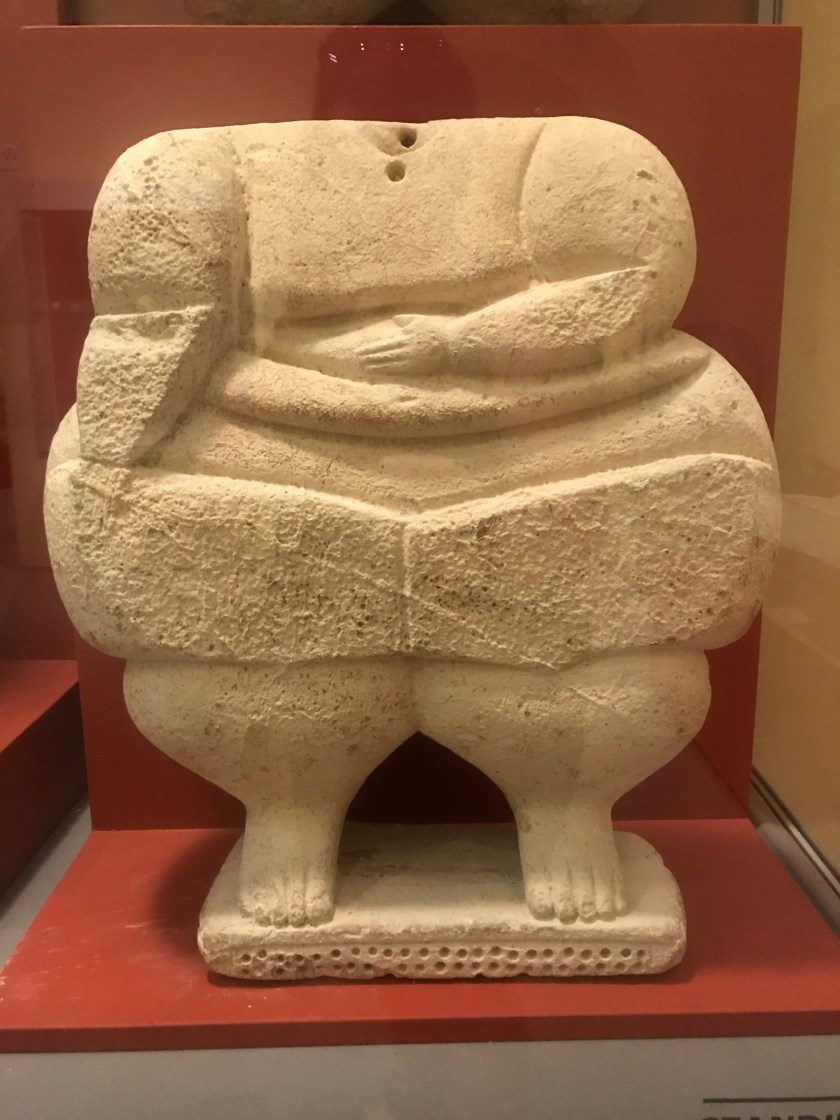
We visit the Museum of Archeology mainly to see the “fat lady” who was excavated from the temples we visited this morning. This peculiar statue, although called a fat lady could actually represent a man or a woman. This, along with the tiny Venus of Malta and Sleeping lady statues are quite astonishing to see.

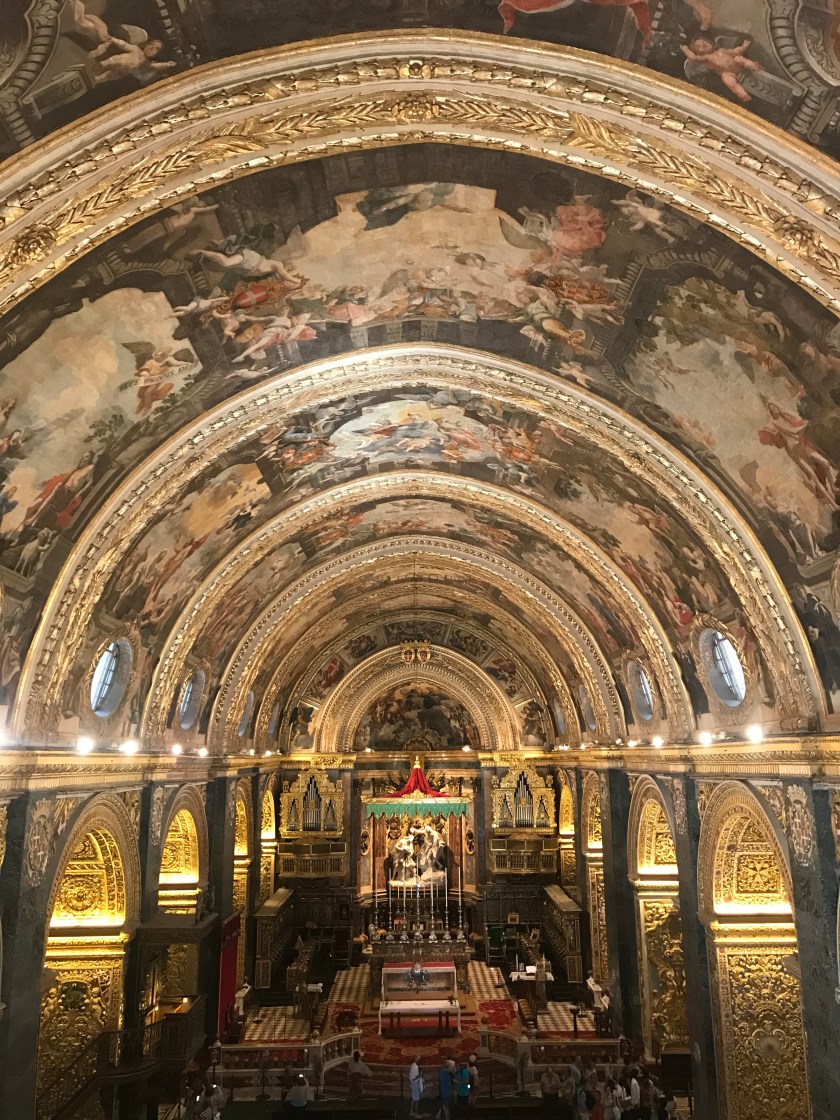
We visit St Johns Co-Cathedral, so called as it was raised to the same status of St Paul’s cathedral in Mdina and is home to the archbishop of Malta. It was built in 1573 and was the place of worship for the Knights of Malta. It is insanely decorative and beautiful.

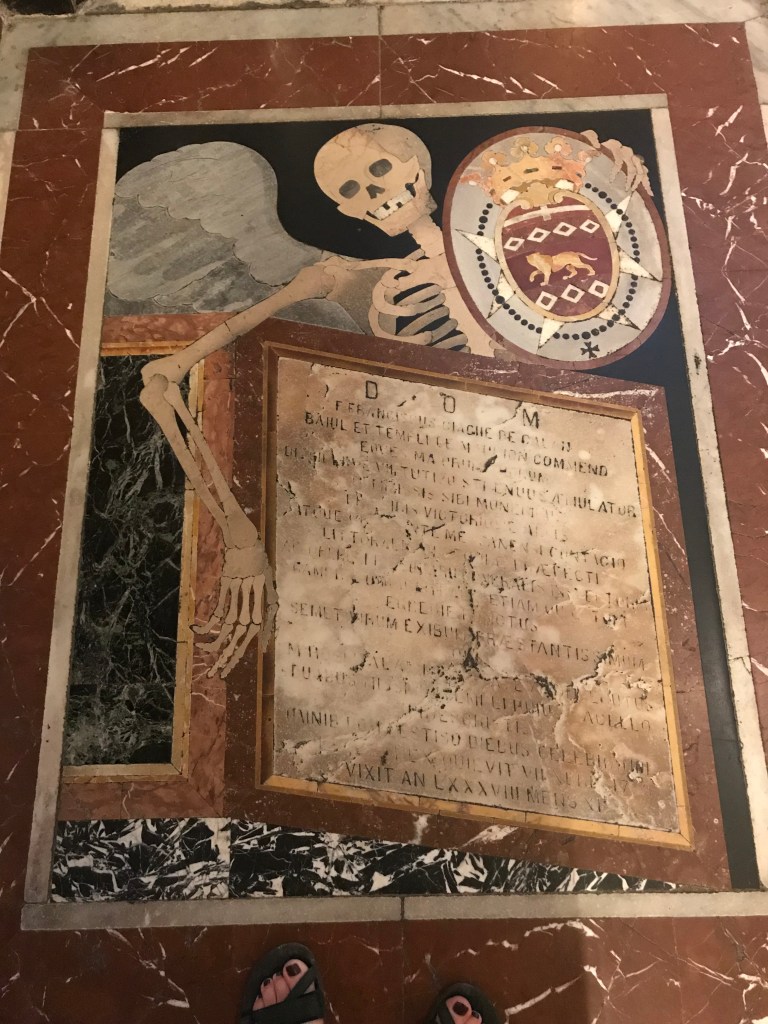
Not only are the ceiling and walls astonishingly decorated but the marble floors are amazing:

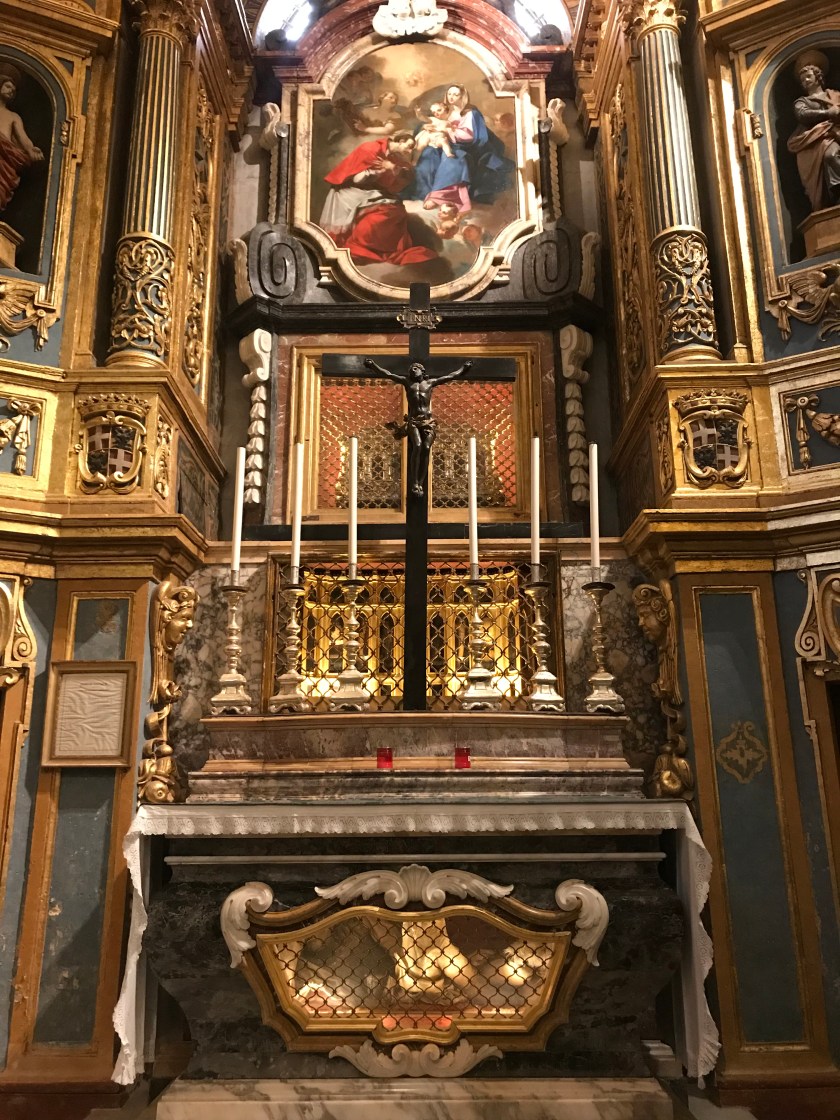
There are alters along the sides representing the different countries of the knights of Malta. This is just one example but each are equally beautiful.

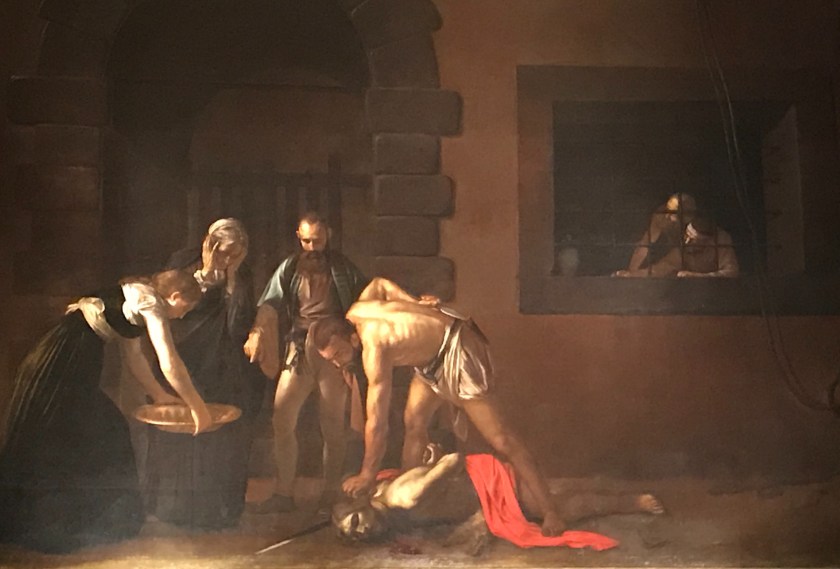
In the oratory (now the museum) is Caravaggio’s largest painting – The Beheading of John The Baptist…. exquisite!

We take the ferry back to Sliema which takes only twenty minutes and gives us a nice view back to this capital city.

The promenade is nice in the evening so we stroll along to Julian bay and have dinner and a few beverages before calling it a night.

Just time for a run along the promenade next morning and some breakfast before we head for the airport. Ciao Malta!

Sicily 🇮🇹

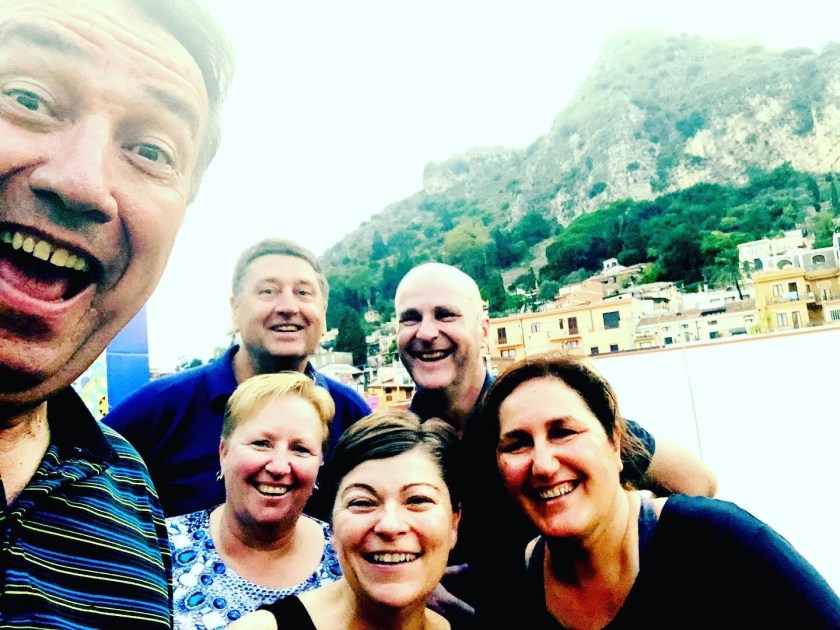
After a busy few weeks traveling through Austria, Slovenia and Uzbekistan I’m really looking forward to some downtime in Taormina, Sicily. This gets off to just the right start when we’re greeted by our pals with a beer and within a few hours a local meal with wine…. this is gonna be good!

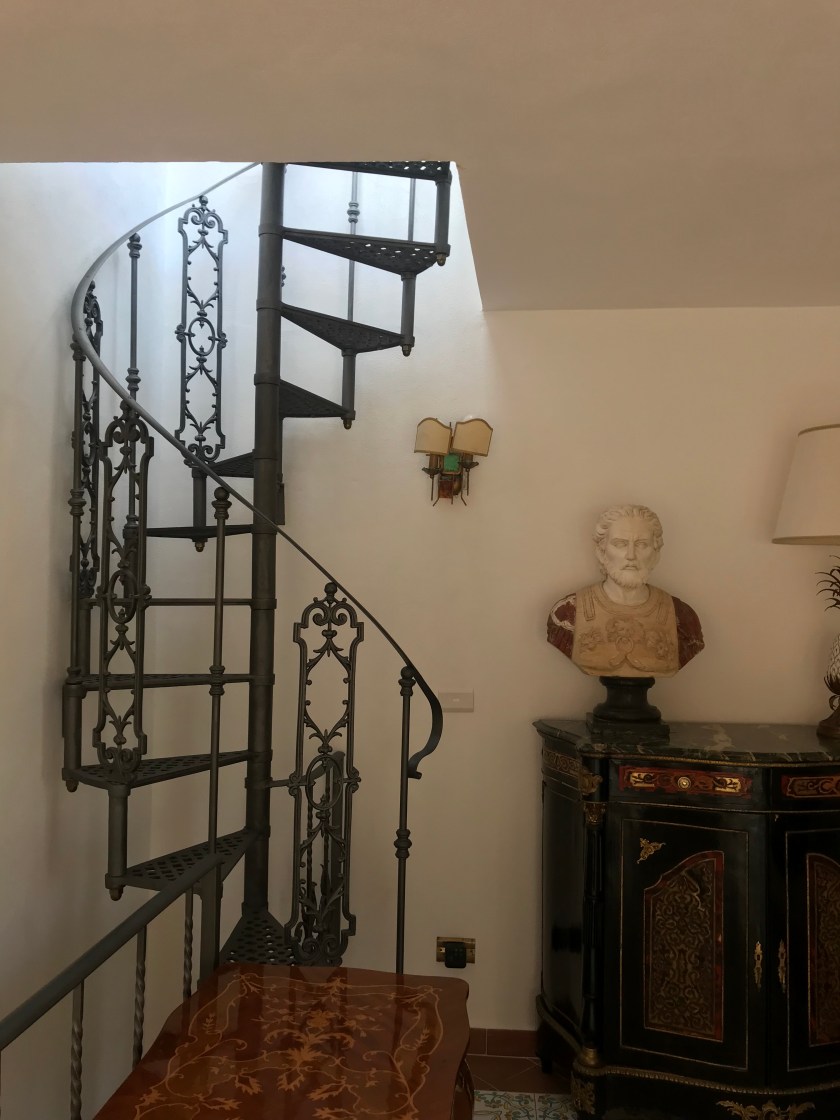
We’re staying at an Airbnb smack bang in the centre of town. It’s an interesting building with a lot of stairs to the six levels.

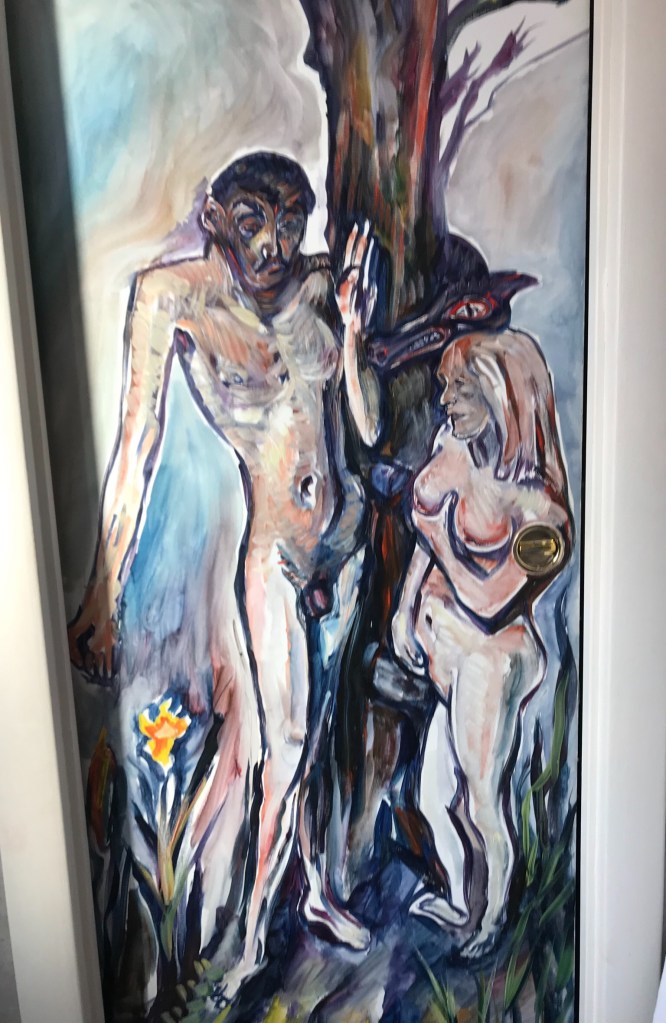
It also has some very “interesting” art dotted around the place…

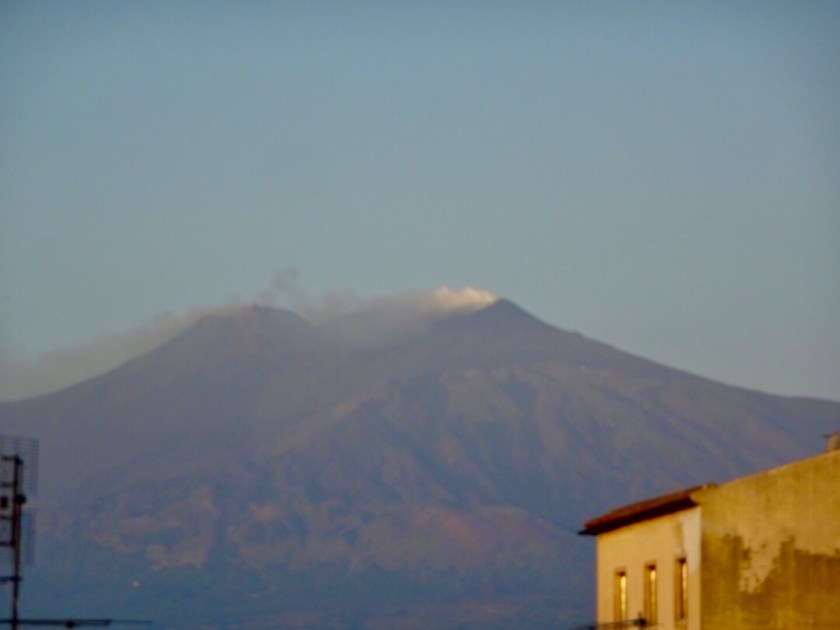
We have a view of Mt. Etna from our terrace, when the clouds are cooperating.

Sicily is the largest of all the Mediterranean islands and is just off the “toe” of Italy’s “boot”. It has a population of approximately five million and it’s capital is Palermo, which is on the northwest coast of the island. We flew into Catania (the second biggest city after Palermo) on the east coast and are staying in Taormina about an hour north. Taormina is a popular town for tourists and it gets its fair share of cruise ships. In fact I was here way back in my early twenties on a day trip from a cruise ship but I can’t really remember it other than the Greek theatre.
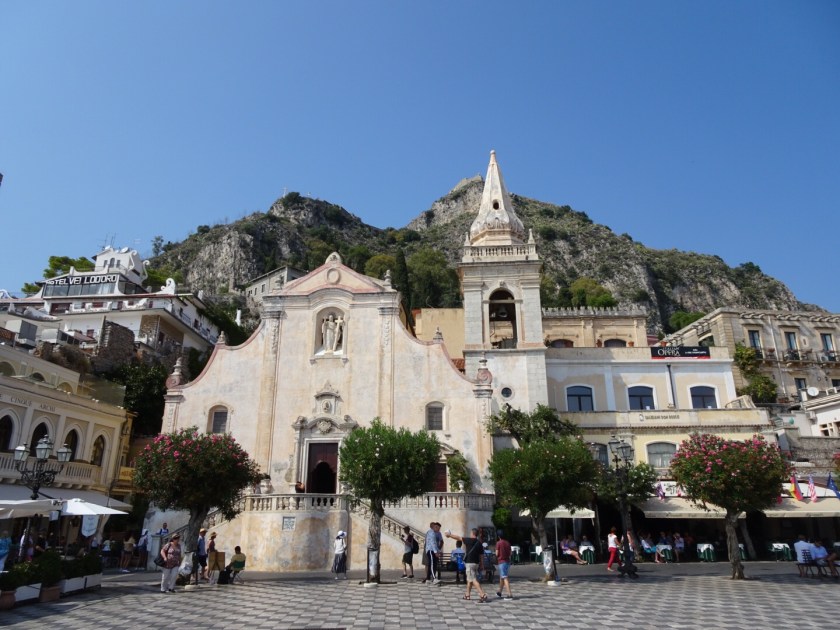
We explore the town on our first day…

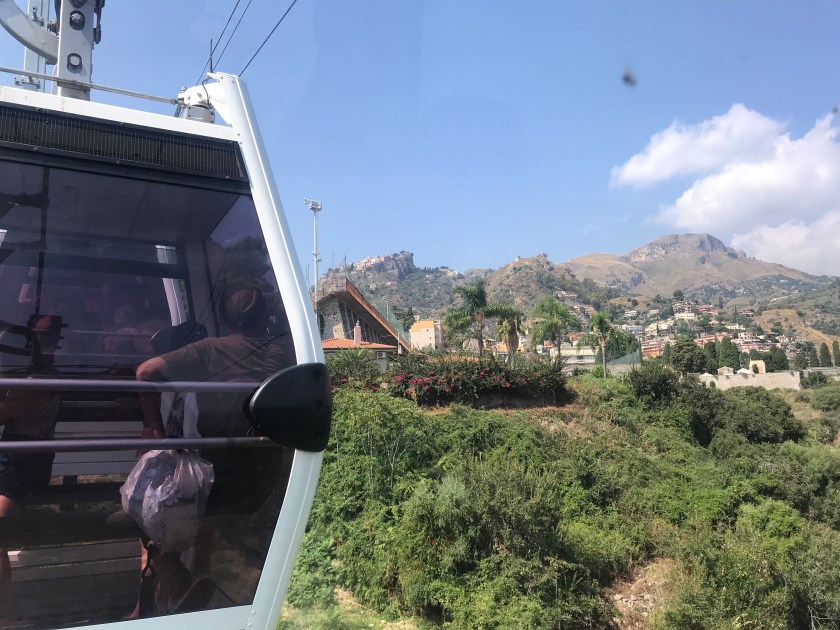
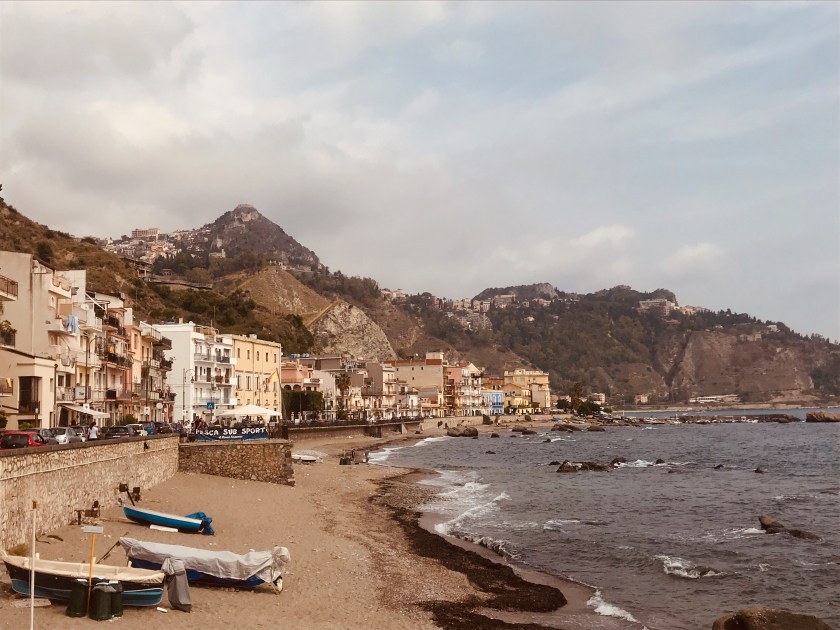
Taormina is not only perched on a hill high over the sea but once you’re up there the streets are very hilly too. We’ll have calves of stone after this week! Luckily there’s a cable car that runs to the very bottom of the hill by the beach. I use the word “beach” very loosely – there’s rocks and stones and the sea!!

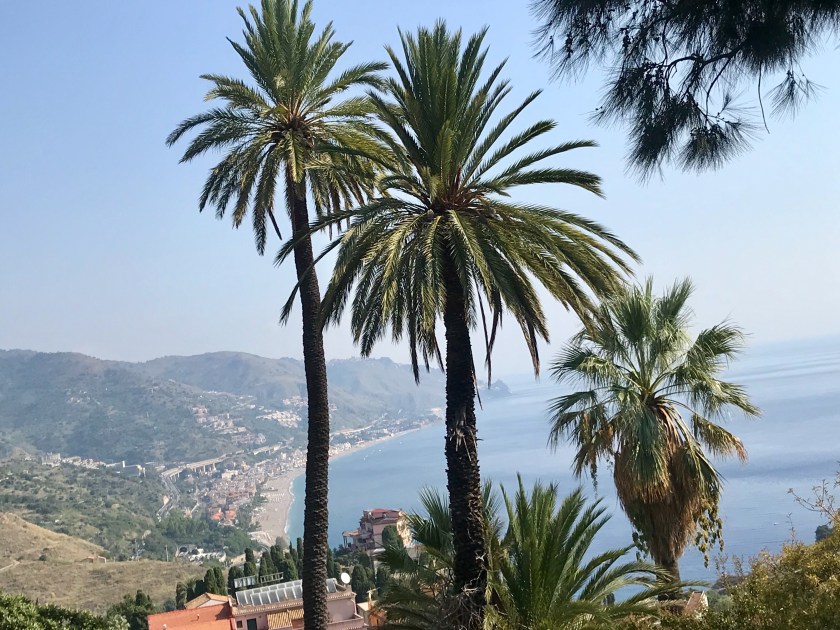
The views of the coastline are really nice though.

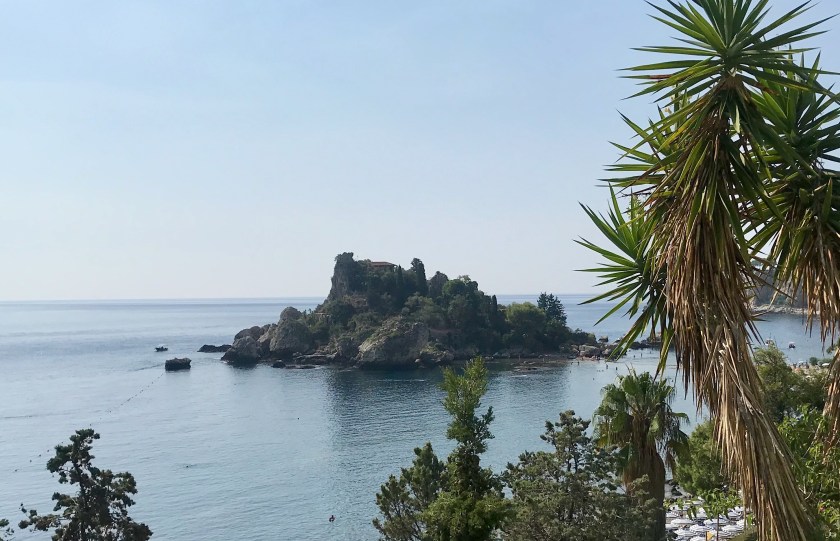
We climb down some steps to Isola Bella, a tiny island that you can walk to at certain times depending on the tide. It’s not much if a beach here but it’s very pretty.

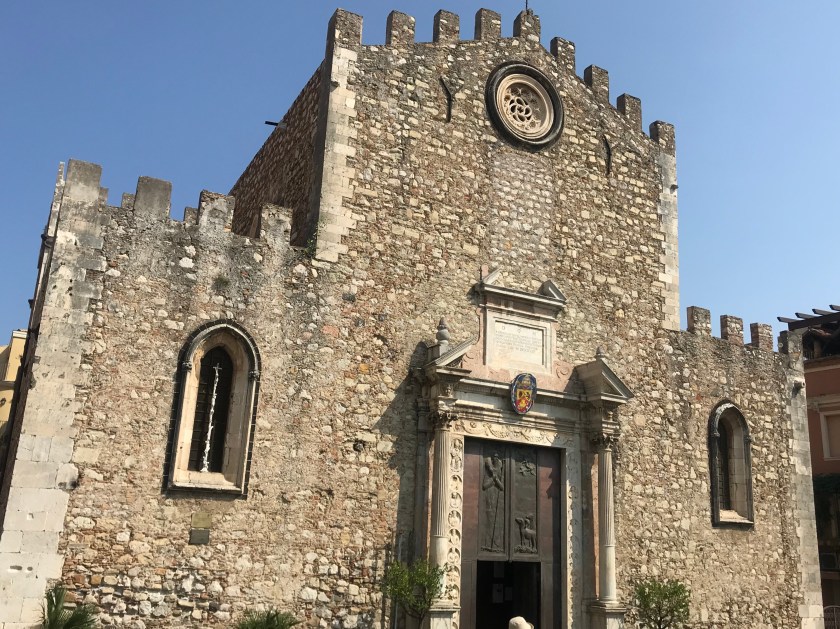
There are churches at every turn in Taormina and there seems to be a patron saint of every town!

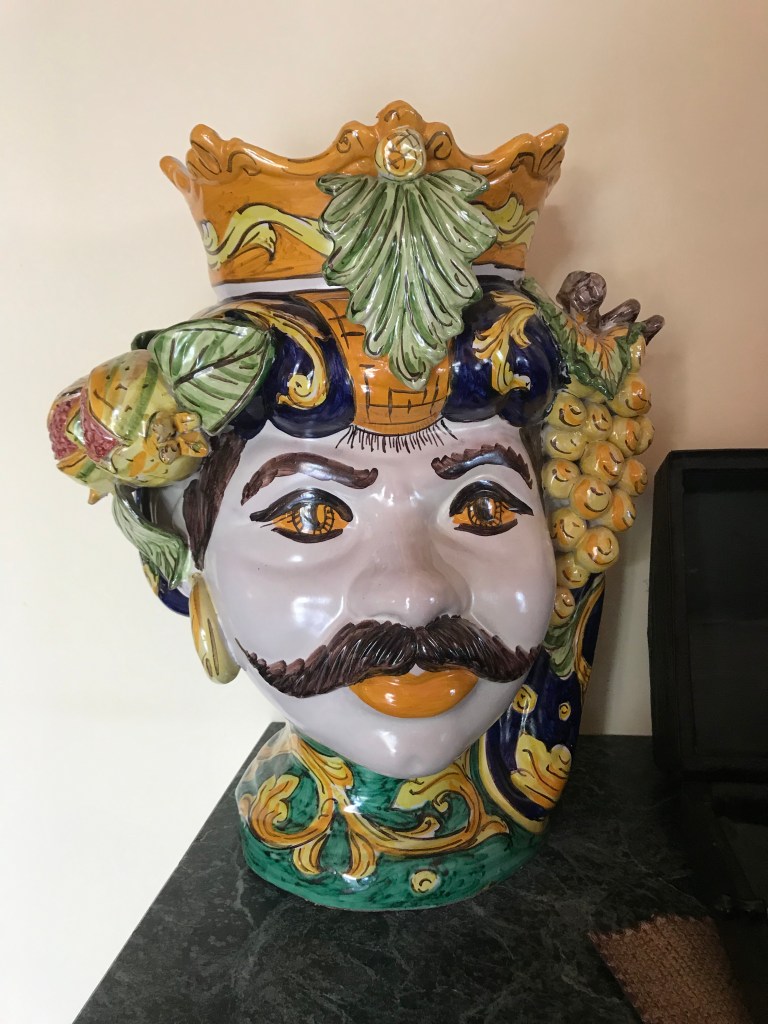
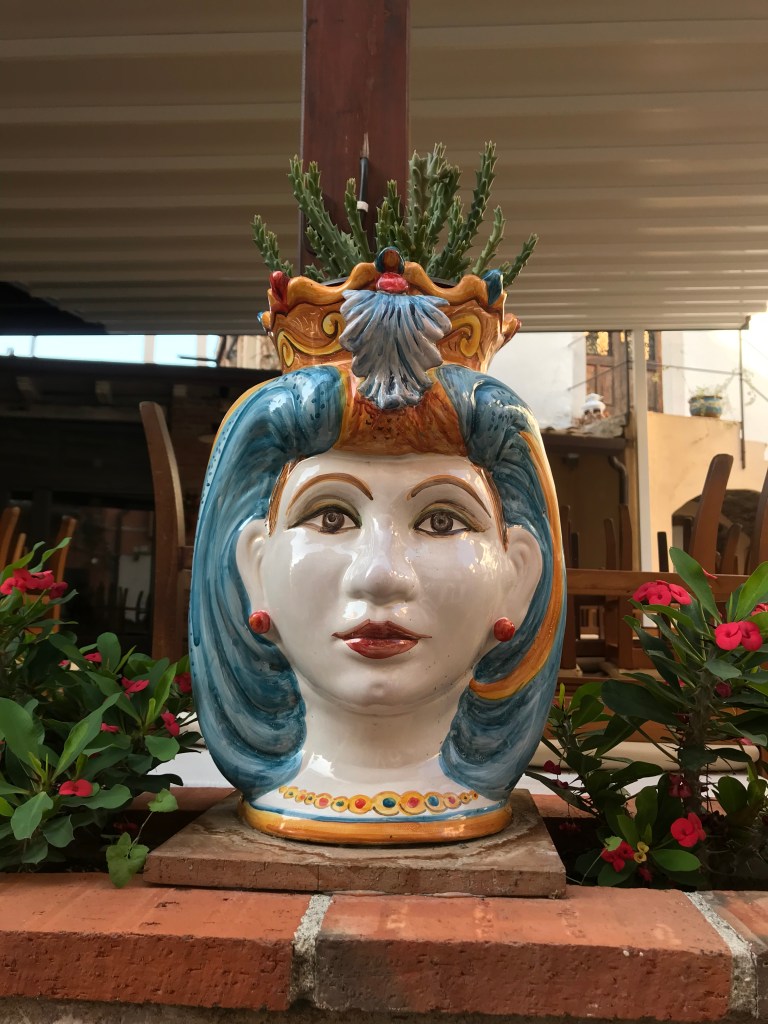
The narrow streets, some pedestrianised, some where you need to dodge cars and mopeds are full of shops, restaurants and bars. Lots of open air osterias and terrace bars. They are decorated in bright colours and a lot have these heads out front or on balconies. They allegedly are a custom from a story of two lovers, she from a wealthy family, he from the wrong side of the tracks. The father wasn’t having any of it and beheaded the young man and put his head on his balcony for all to see.. nice!!

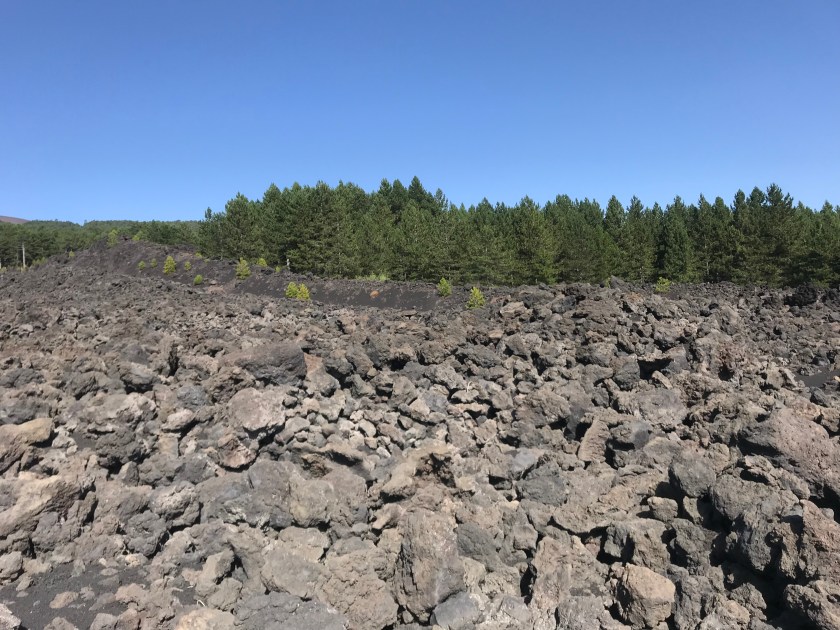
Today we get a bit closer to Mt. Etna on a day trip involving walking up a crater. As we drive from Taormina back toward Catania and into the Etna region the soil and landscape changes quite drastically. The lava rock is everywhere. The area in the photo below was full of the trees you can see until an eruption in 2013 knocked trees and whatever else down and covered the land in this rock.

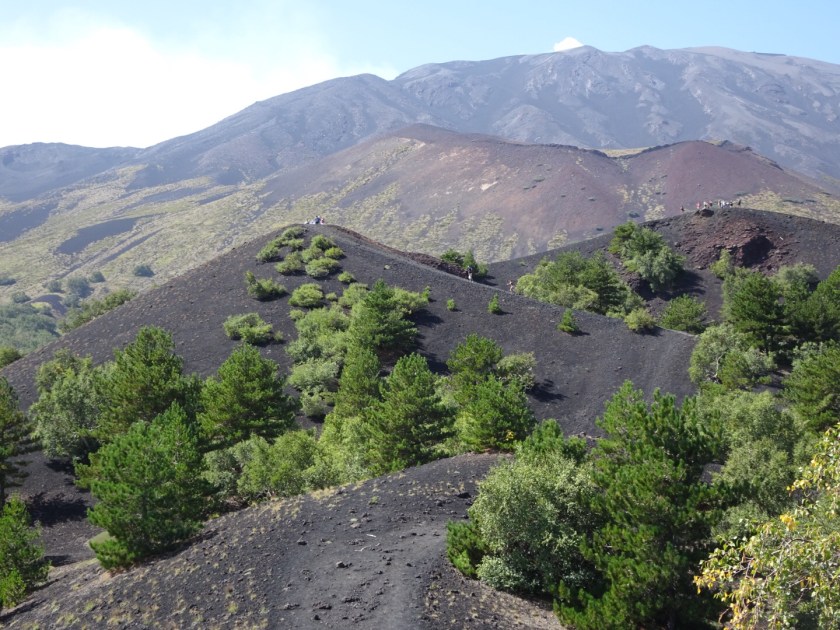
The crater that we climb is called Monti Sartorius, named after the man who first catalogued the eruptions on Etna.

It’s steep in places and our guide Davide gives us walking poles but it’s fairly easy.

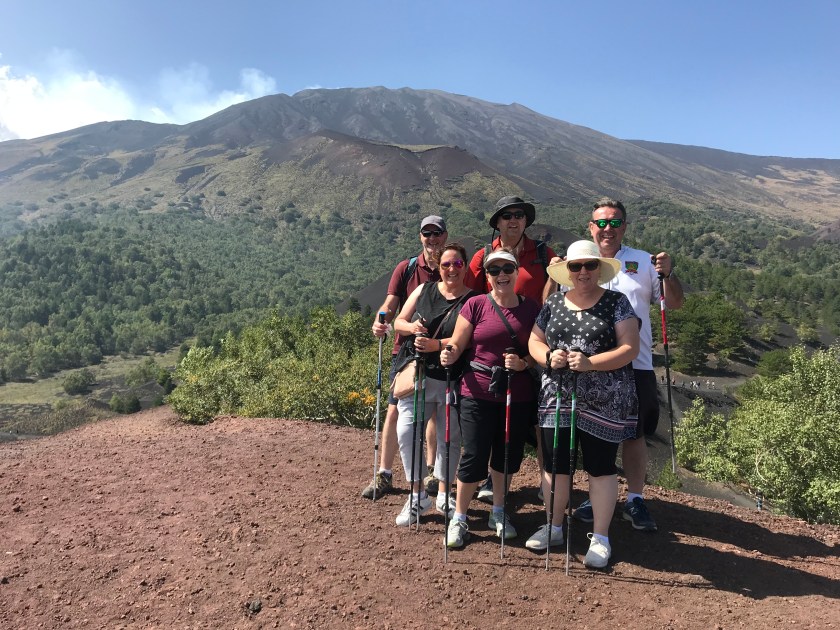
Happy to have made it to the top:

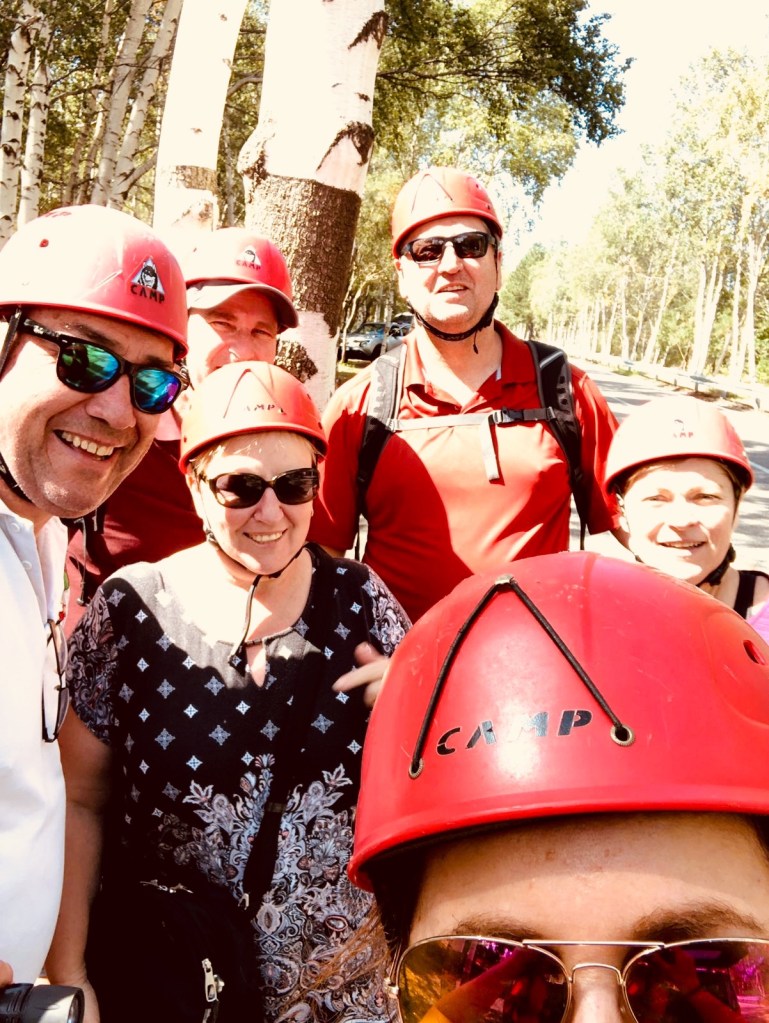
After a quick packed lunch of salami and cheese sambos we make a short stop at Grotta della Neve, a cave system that we don helmets to climb into.

Before heading back to Taormina we stop at the Gambino family winery to taste some Etna wine. To be honest it doesn’t compare as well to the Austrian wine at the beginning of my trip (and it’s a lot more expensive) but it’s nice, so of course we buy a few bottles!

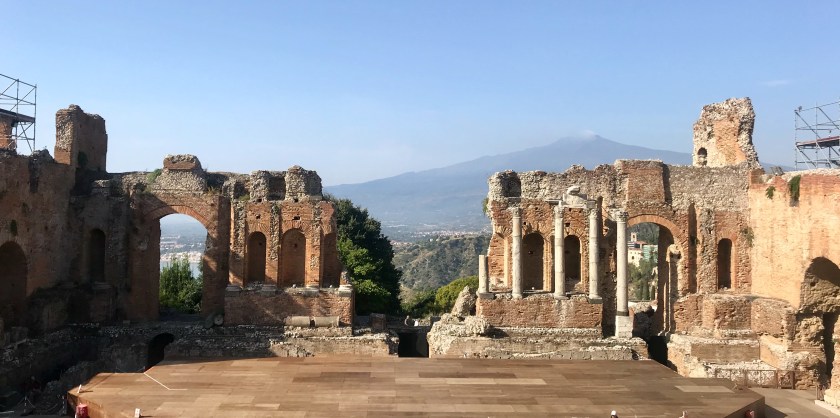
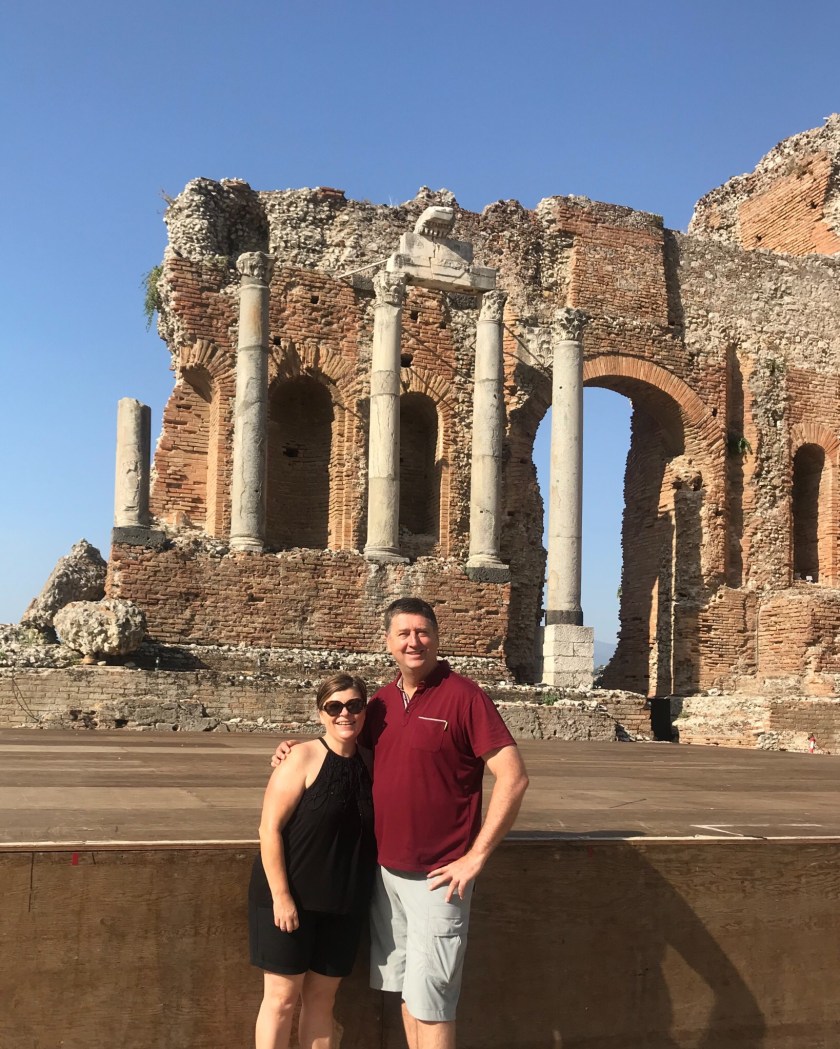
Next morning we visit the famous UNESCO listed (of course) Greek theatre. This theatre was built in the 3rd century BC by the Greeks for dramatic productions and was later transformed by the Romans’ to hold gladiator battles. Today it hosts open air concerts and operas which would have been amazing to see. It has an amazing view toward Mt Etna.

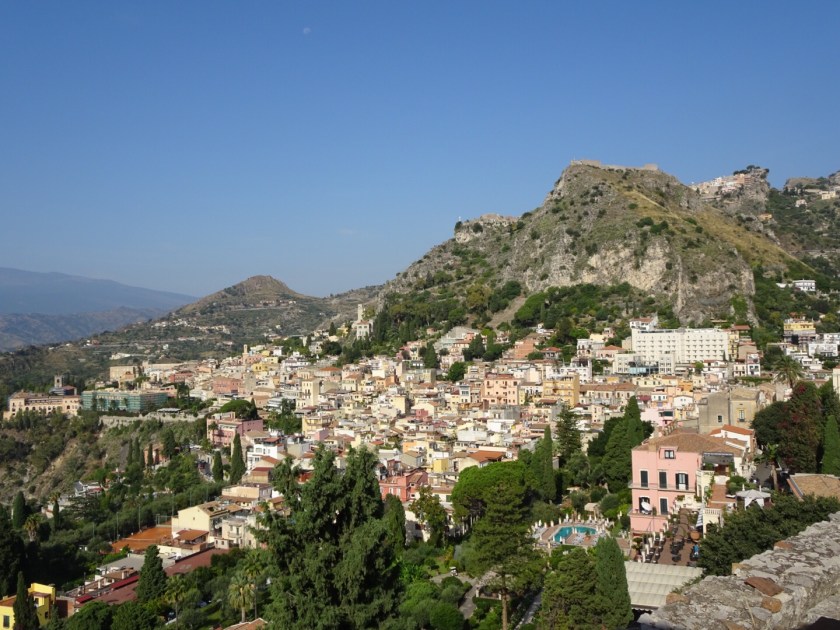
There are also some more great views of Taormina from up there.

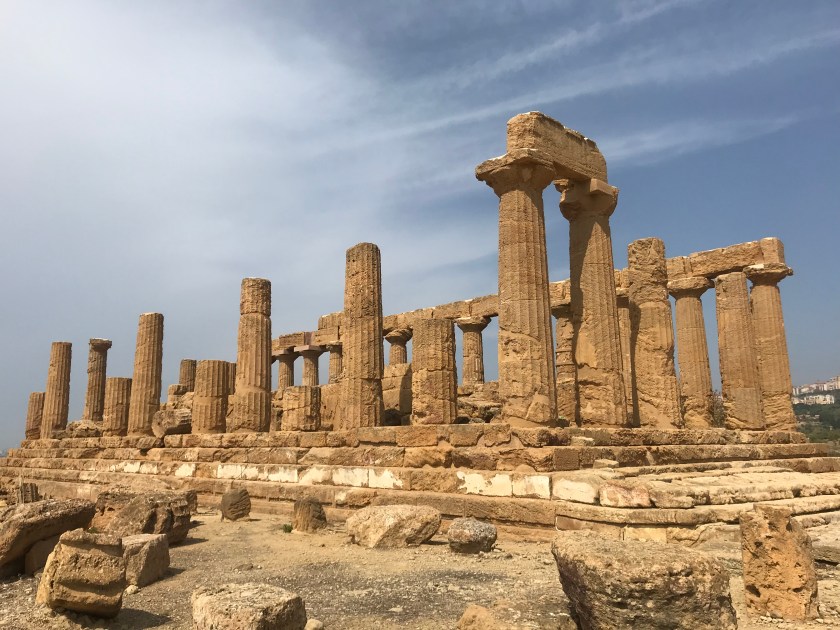
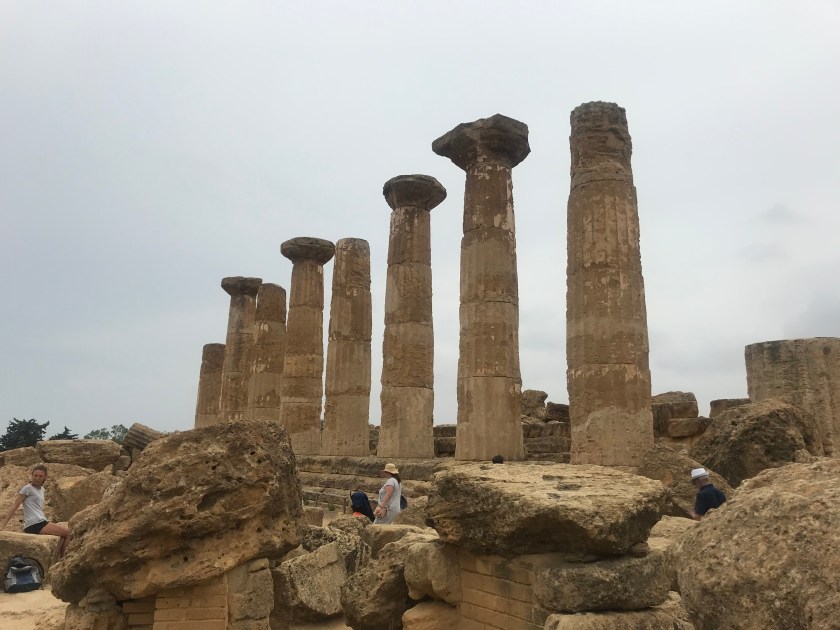
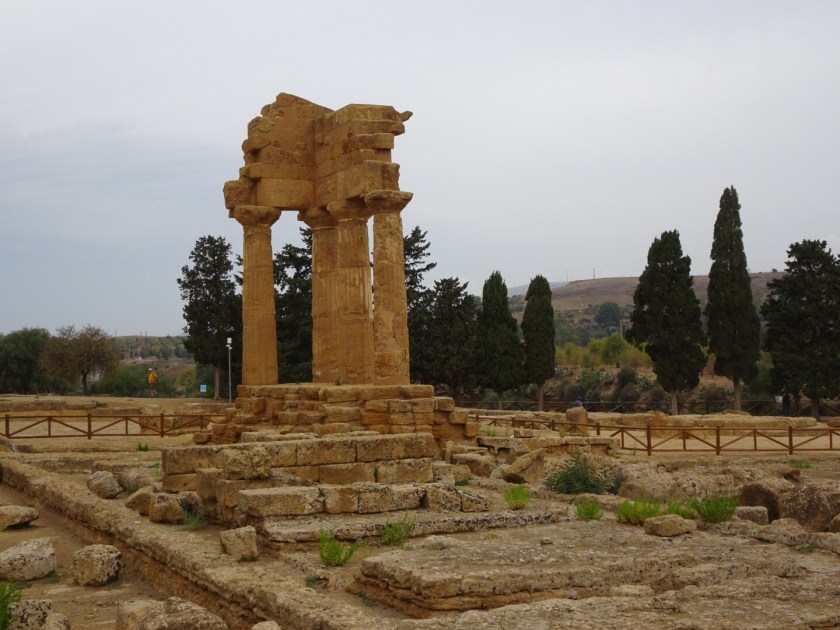
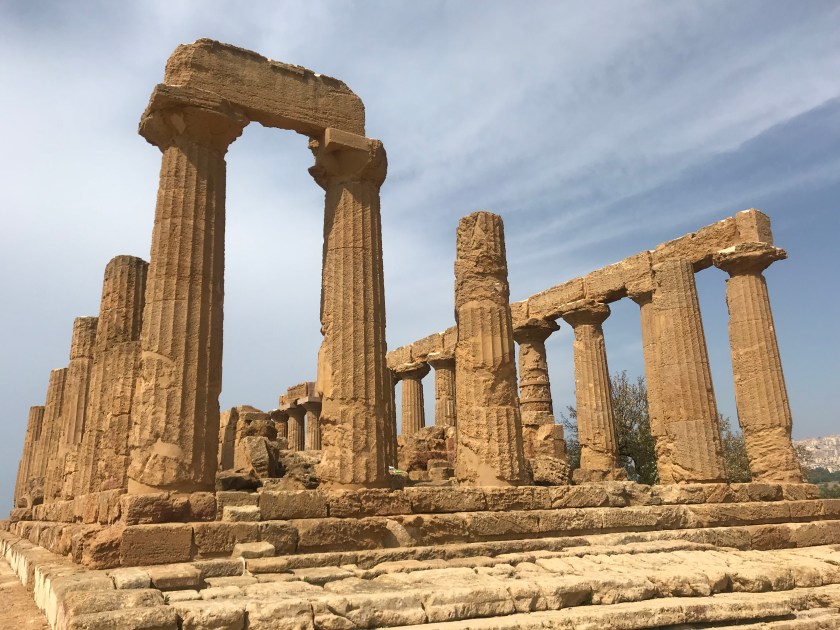
One of the big draws of the island is the ancient Valley of the Temples at Agrigento. It is a 3+ hour journey from Taormina to the south coast, so we are up early for a full day of site-seeing of these Greek temples. There are approximately seven temples, all of which are in the Doric style (as is the Parthenon in Athens). The better preserved temples are on the Eastern side of the archeological park. We start there with the temple of Hera (also called Juno):

It was built in the fifth century BC and thirty of its columns are still standing – amazing.

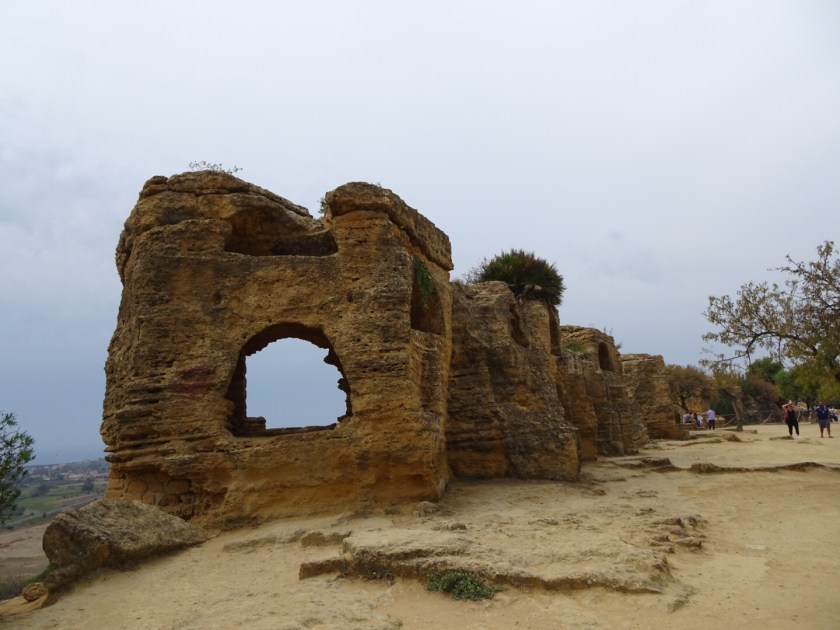
The complex itself is huge, spanning 1,300 hectares and we walk about a kilometre to our next temple, en route seeing interesting ruins of homes and burial chambers.

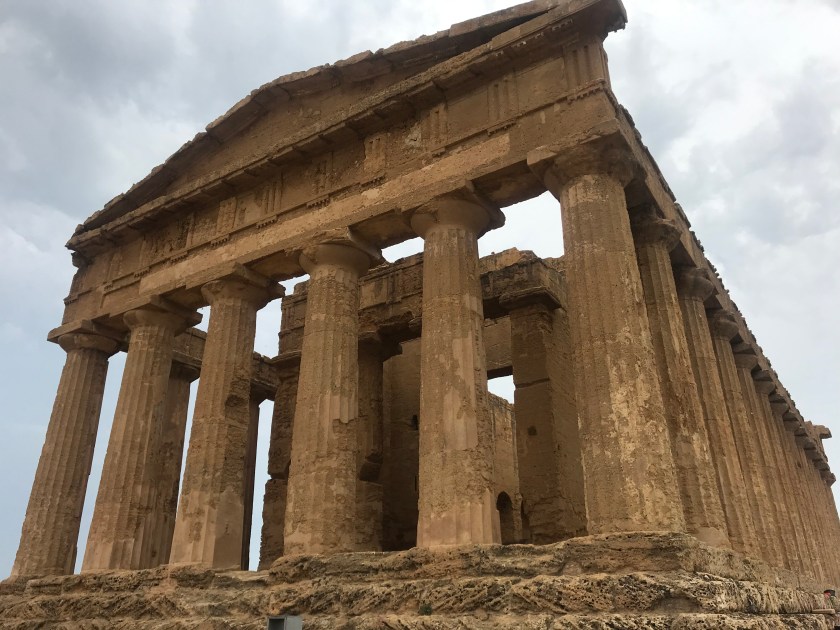
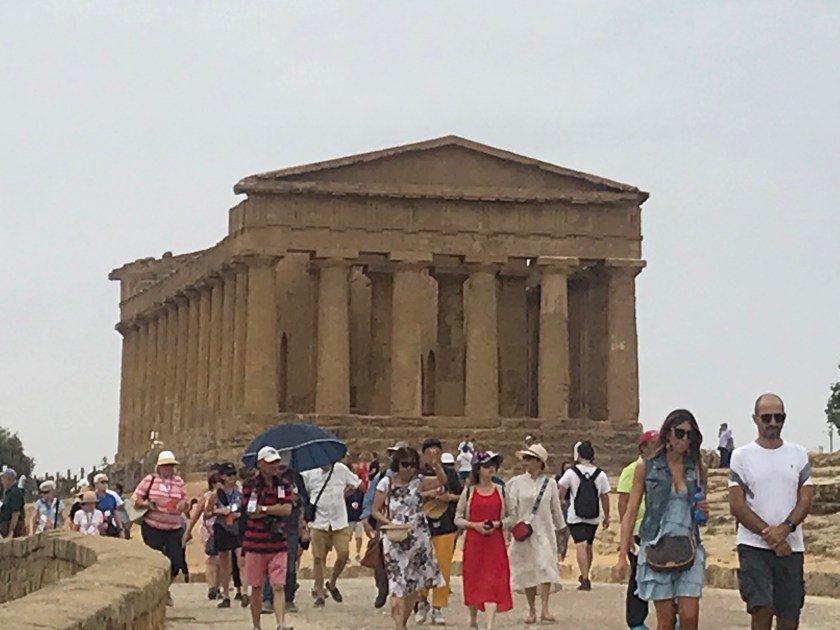
Next stop – The Temple of Concordia. This is the one UNESCO use as their logo.

Again it was built in the 5th century BC and it’s one of the best preserved in the world. This is generally attributed to the fact that it was turned into a church in the 6th century AD. There’s plenty of hordes here so I can only imagine what it’s like in high season.

The third temple we visit is the oldest, dating to the end of the 6th century BC, but it was destroyed in an earthquake and today only eight columns remain. It is The Temple of Heracules.

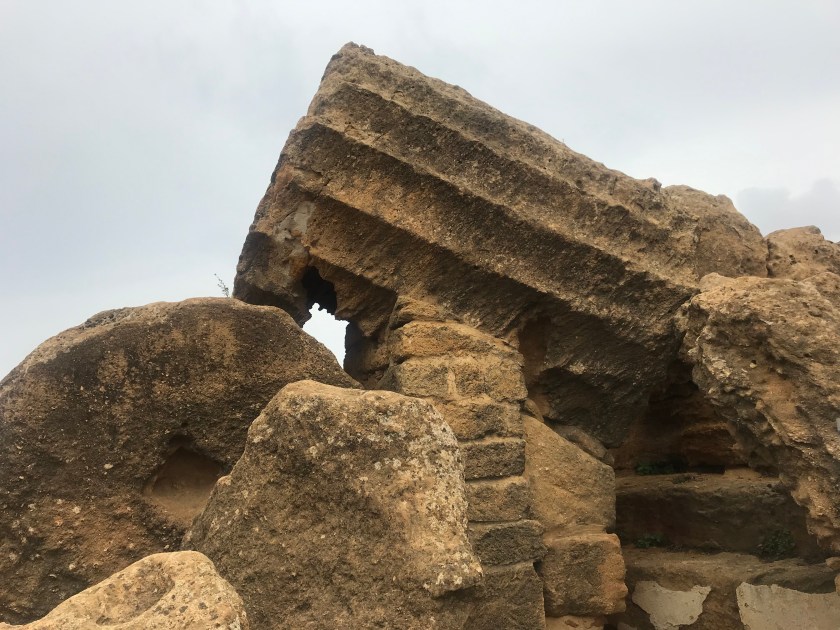
I like walking among the fallen columns that once formed part of this great building.

With an hour free time before we get back on the bus, we take a quick look at the Western side of the park. Lots of huge rocks and pieces of column with an odd few columns still standing.

After a quick arancini [Arancini are stuffed rice balls which are coated with bread crumbs and then deep fried. The most common fillings are ragù, mozzarella and/or ham], we’re back on the bus heading to the Villa Romano del Casale at Piazza Armerina which is famous for its mosaics. As we drive toward the middle of the island a really heavy rain storm hits and some of the small roads are flooded with muddy water running from the hills onto the road. When we reach our destination we have a significant walk to the villa and everyone is soaked. Even though I’ve got my raincoat it’s hard to avoid getting wet. It continues to lash rain and the drain pipes at the villa are working overtime!!

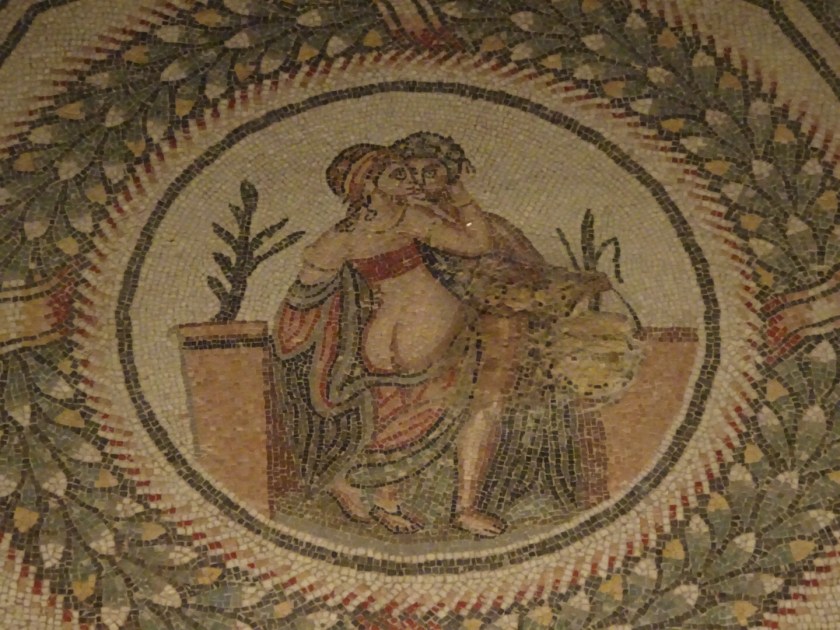
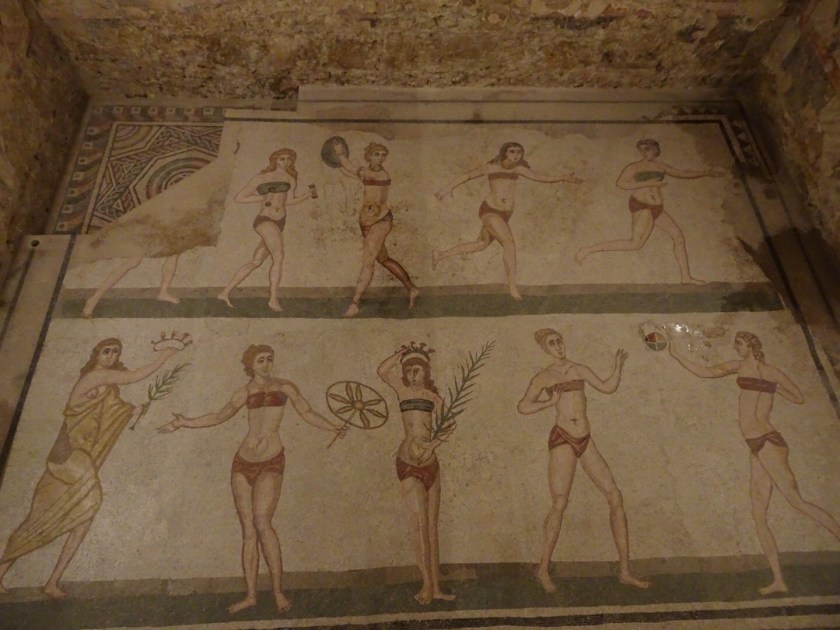
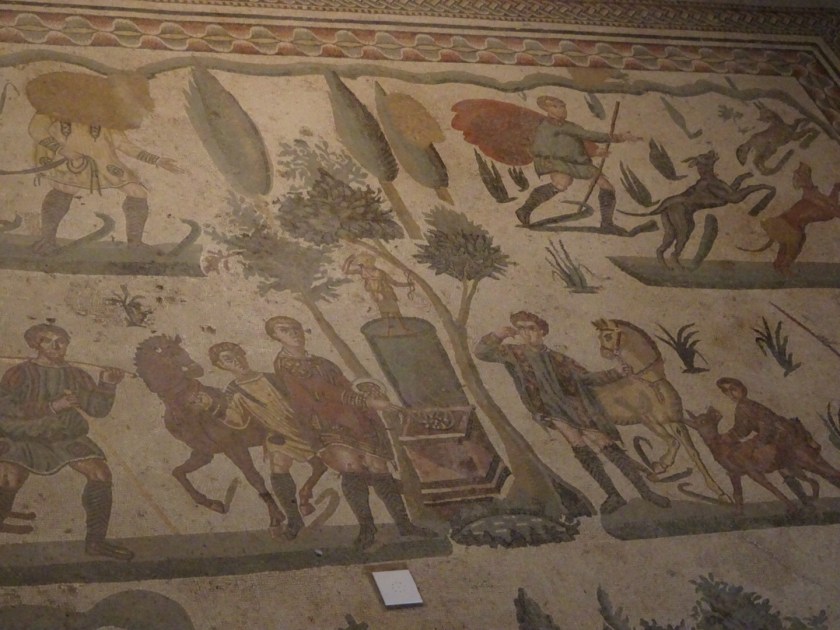
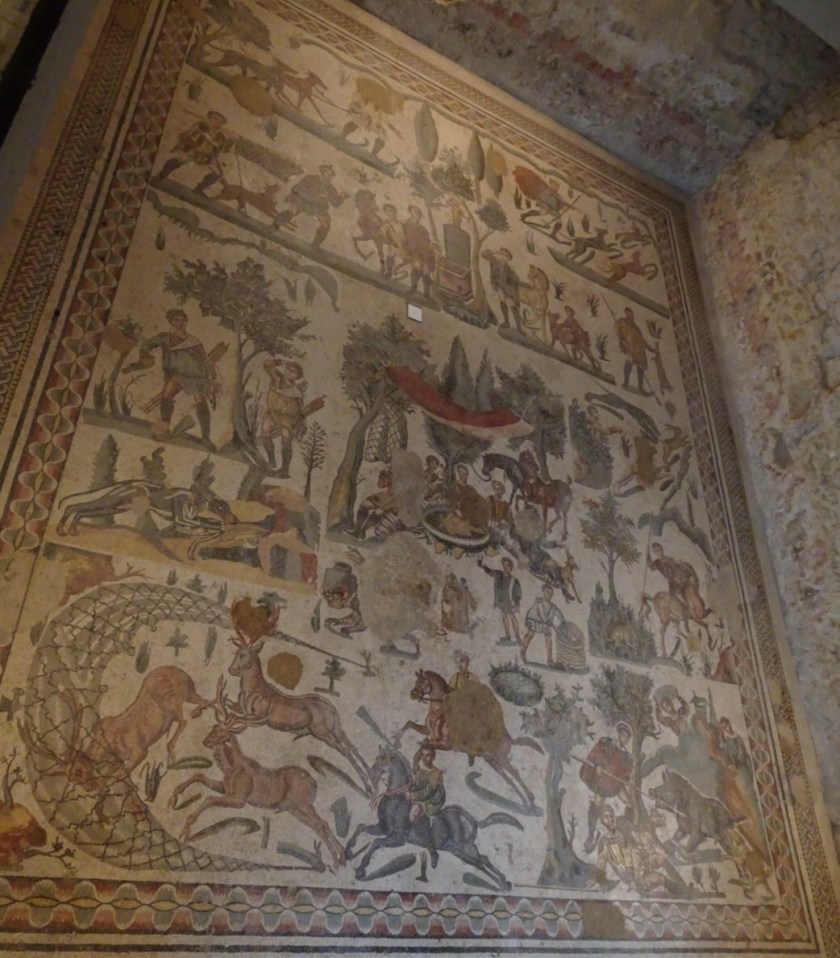
It’s worth getting soaked to see these beautiful mosaics though

They are unique in how vast they are and are possibly the best preserved in the world. This is due to their being covered by mud for 700 years after a landslide in the 12th century…. seems very apt on a day like today…

There are so many different scenes portrayed and I take far too many photos but it’s so hard to capture how stunning they are. Here’s another couple to give you an idea…

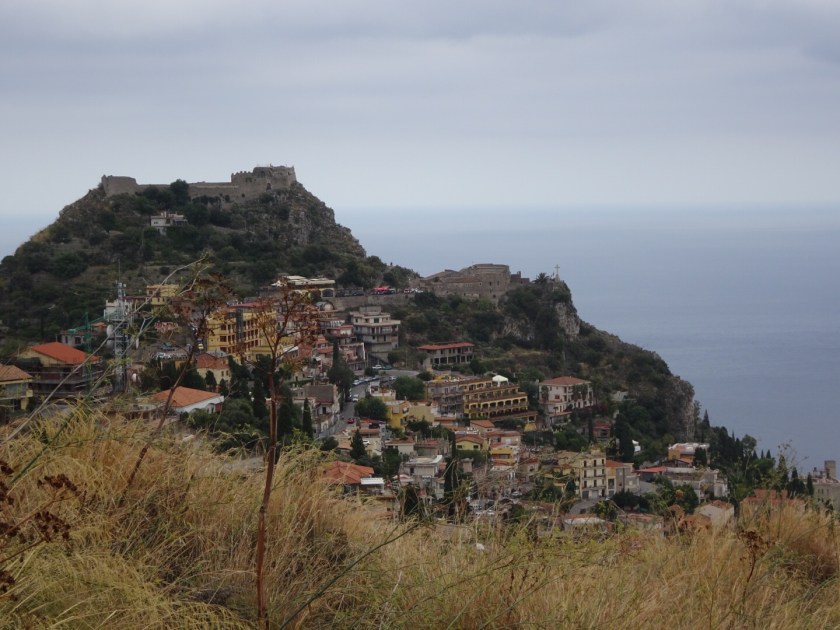
From Taormina we can see Castelmolo, which is the town on the hill above us. Today we decide to head up there and check it out. It’s been raining again this morning so we decide to bus it up and walk back down. The view from the top to a second hilltop town is quite lovely.

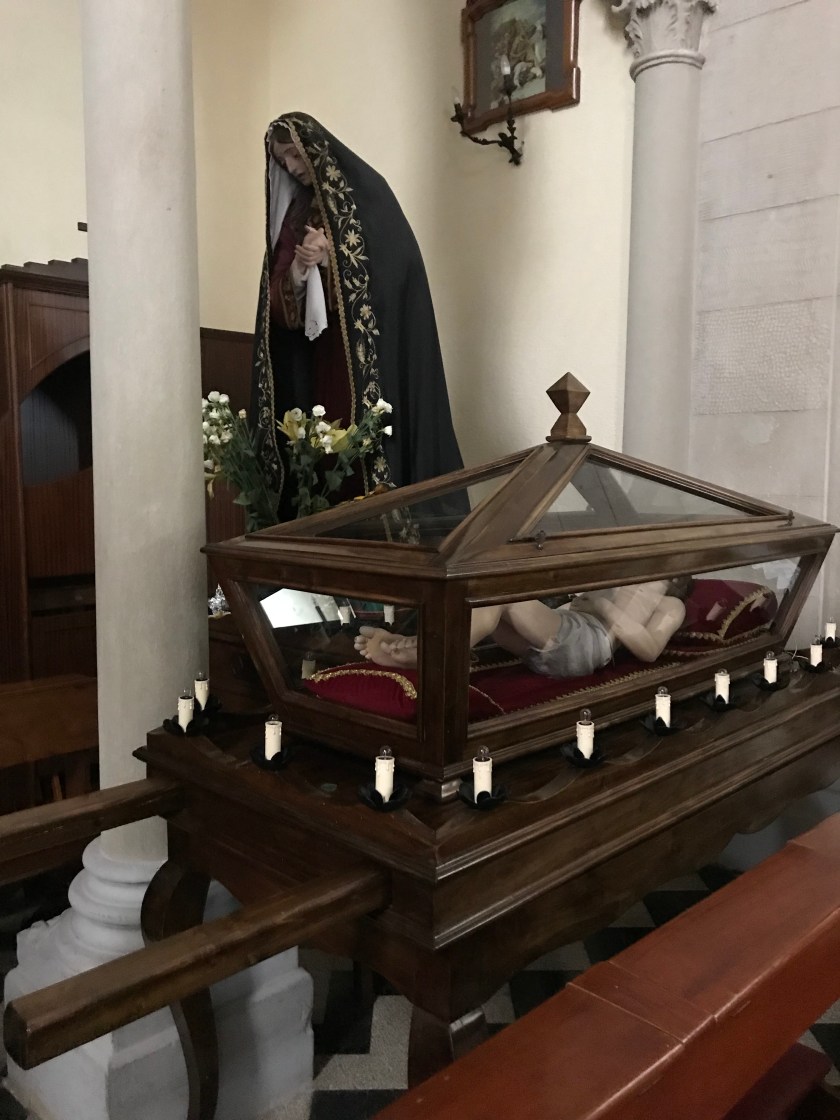
There’s an old church on the hill that we check out and I notice they have a couple of carrying statues that are used in the Semana Santa parades. Last night we saw a news story on tv where locals were running with the statues, some running with fire and holy statues getting dragged behind them – mental!!! [side note : we watched some very peculiar Italian tv including a tv show called “Guess My Age”]

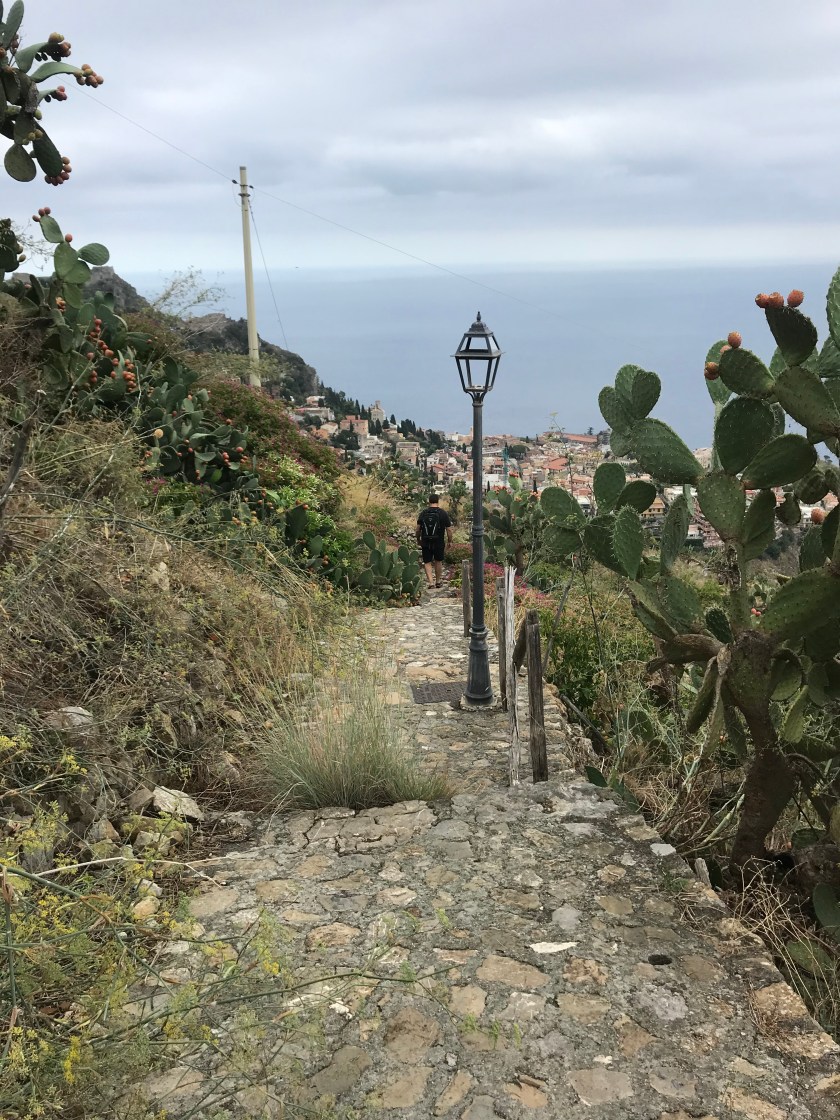
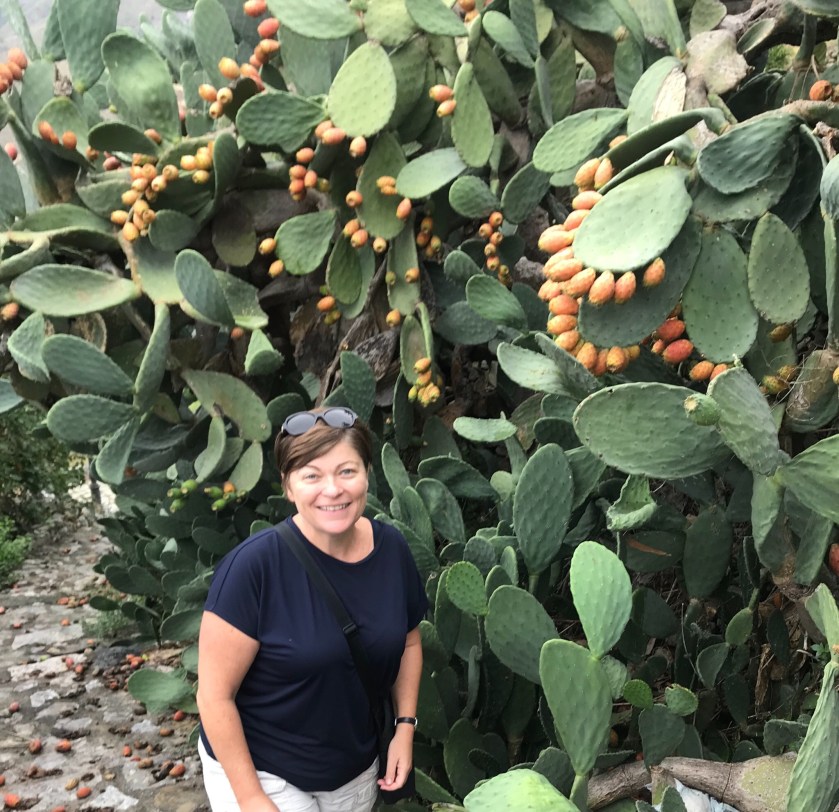
It’s an easy walk down, much shorter than we expected with a decent path. As we are walking down the steps we are surrounded by cactus and prickly pear fruit all over the steps.

The prickly pear is everywhere….

On our final day in Sicily we go to Giardini Naxos which is at the bottom of the hill where the “beach” is. It’s a nice little town with a long promenade that we walk for a couple of hours.

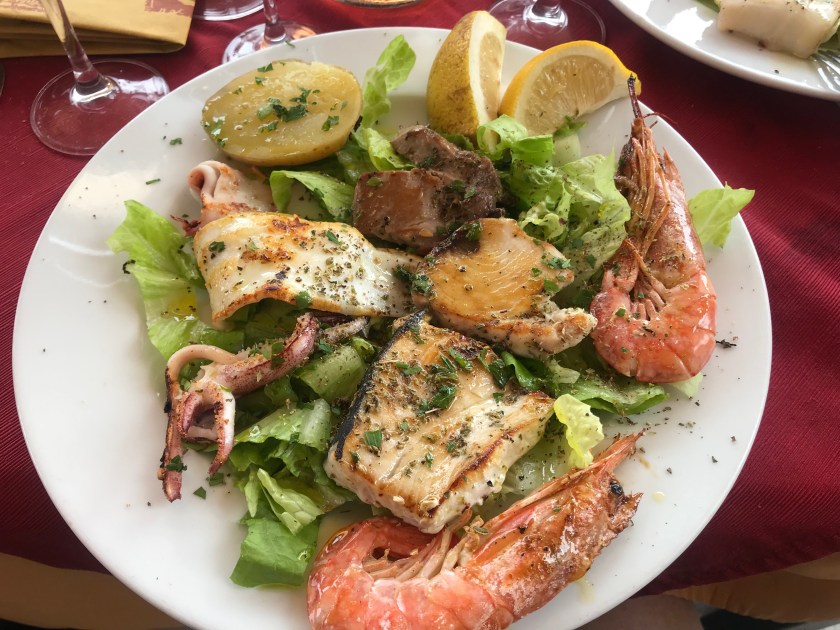
We finish our walk with lunch and I have fresh seafood which is really delicious, especially when accompanied by a very tasty rosé.

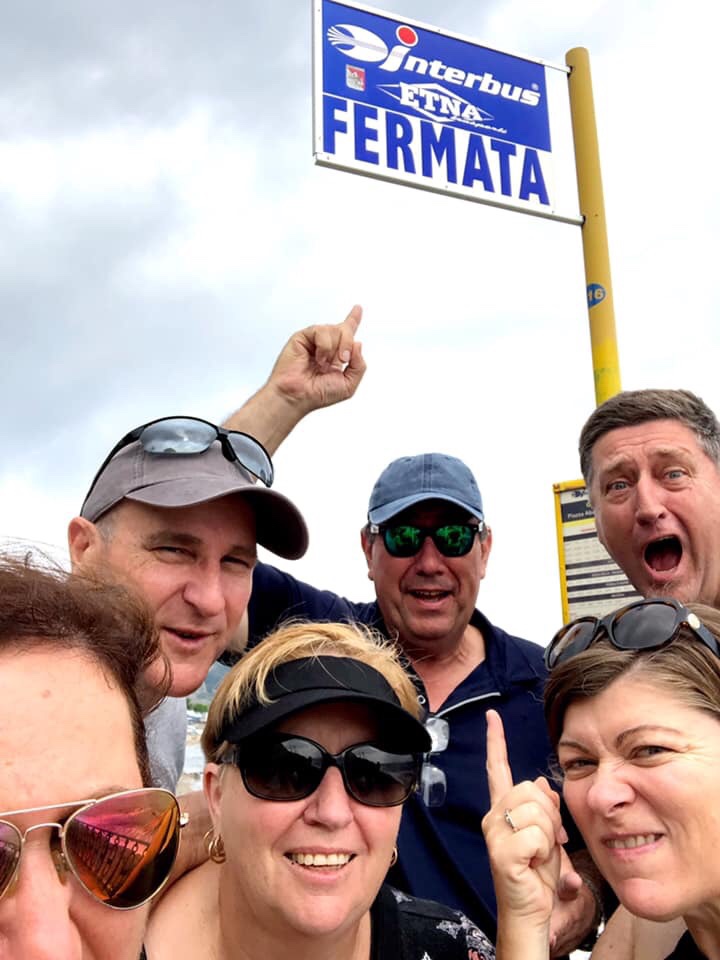
The damn bus is late though…

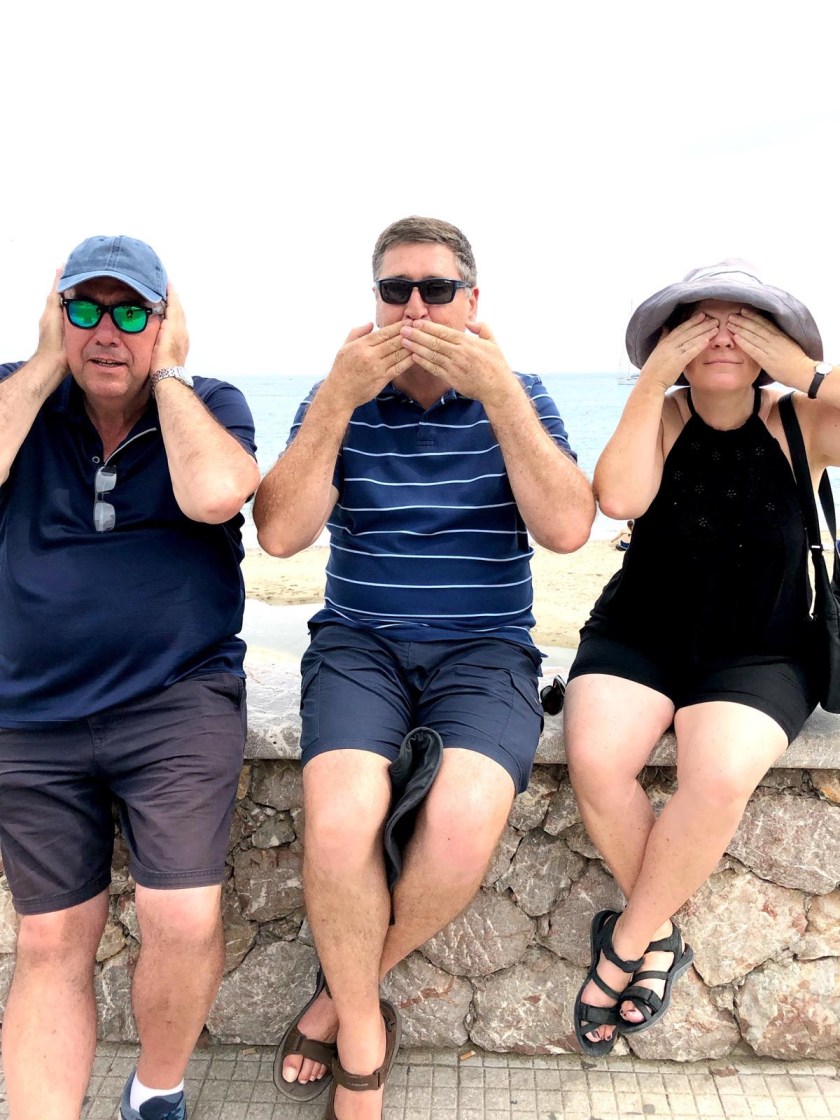
Just monkeying around..

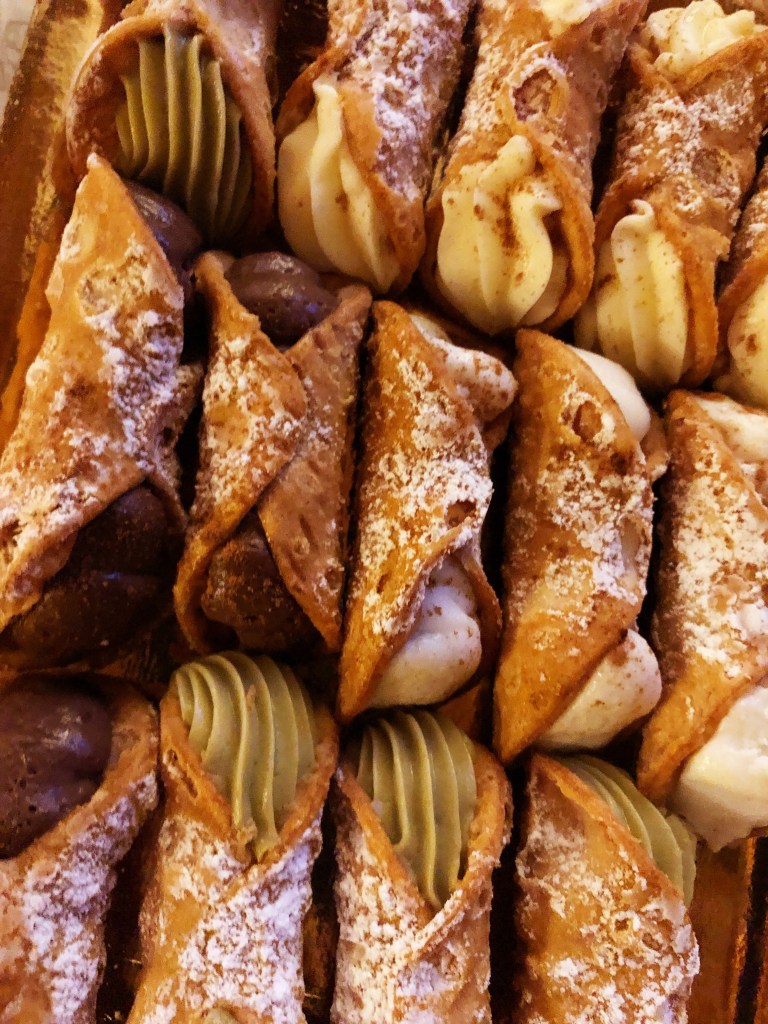
Throughout this past week in Sicily we have had numerous good meals and tried all of the locally recommended delicacies we could find. We’ve had our fair share of beer, wine, local firewater and cannoli which I’m now a big fan of.

We’ve also had a lot of laughs and are looking forward to visiting the next country together. So long Sicily… Malta, we’ll be seeing you very soon.

Uzbekistan Park V – Back to Tashkent, Goodbye Uzbek, Hello Dubai!!

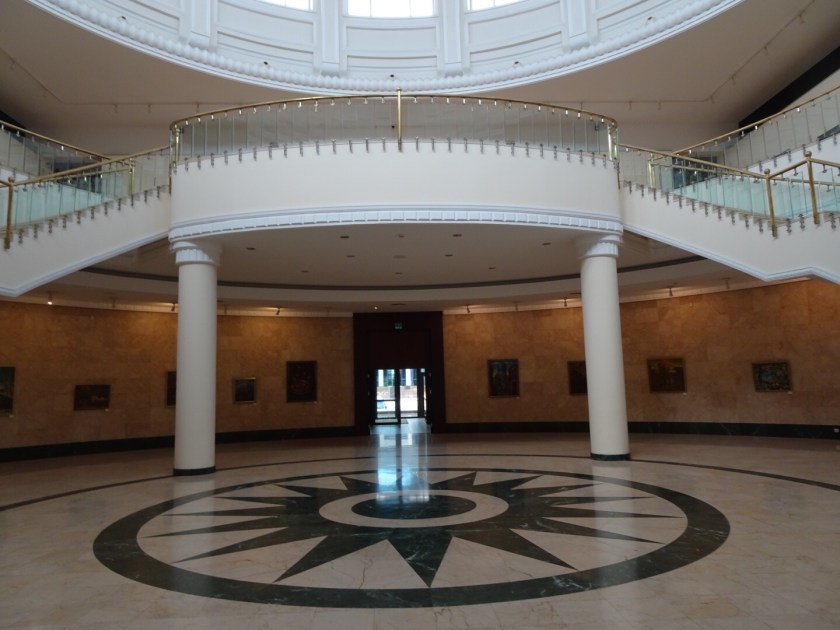
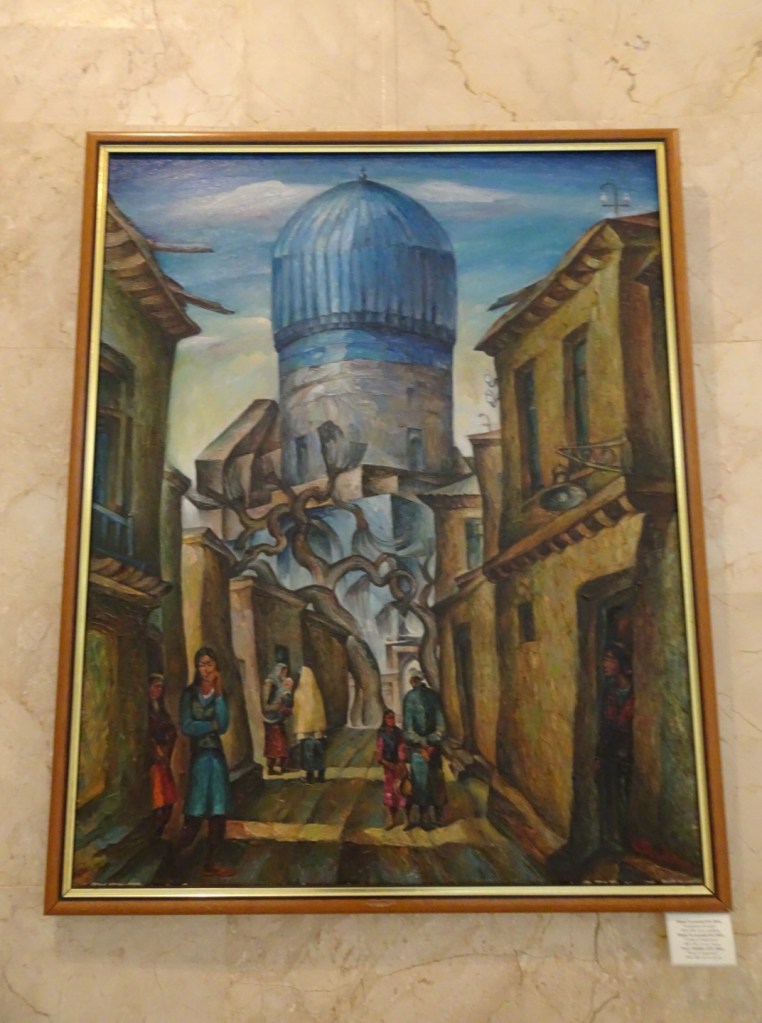
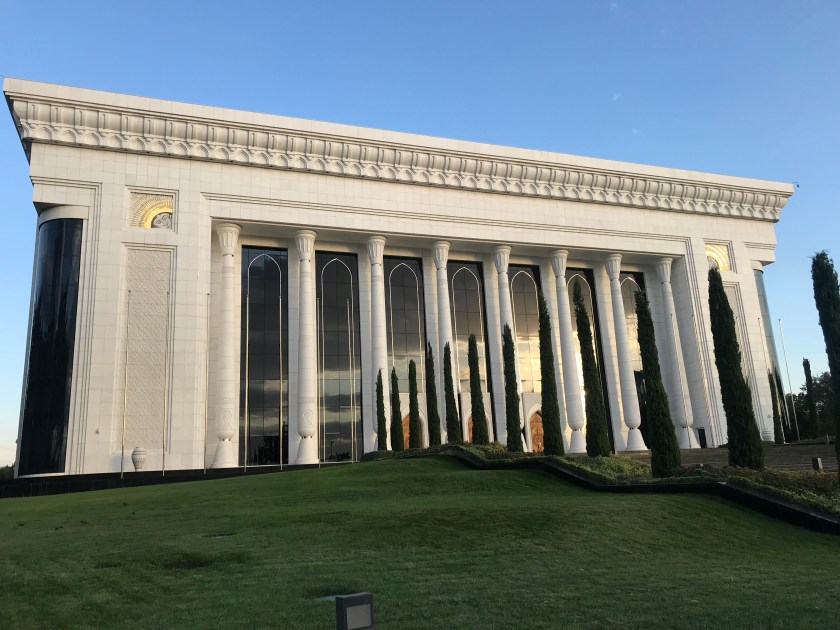
Day 10: This morning we take an early flight to Tashkent, arriving in the Uzbekistan capital around noon. We have one last “object” on our itinerary which is to visit the modern Art Gallery of Uzbekistan. It’s a modern very beautiful building which was commissioned by president Karimov and has a small collection of modern paintings.

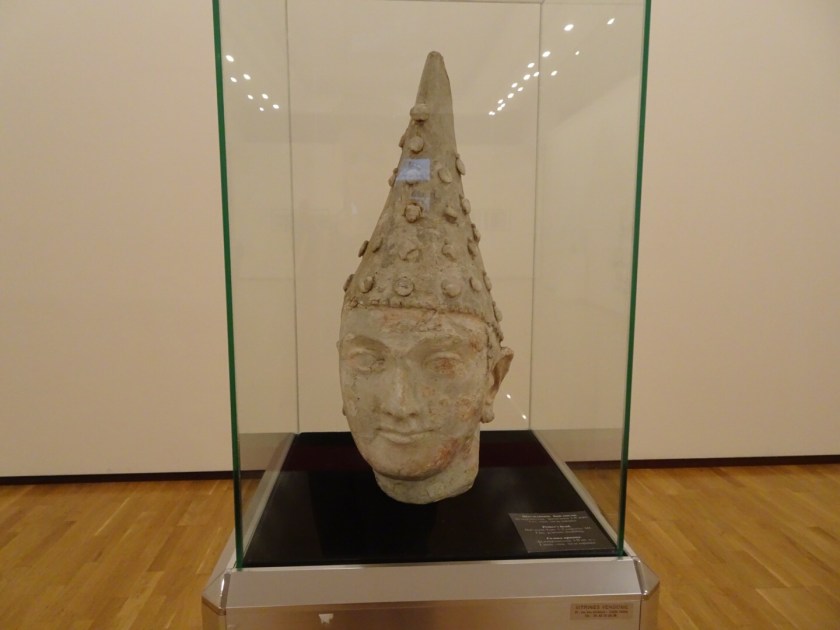
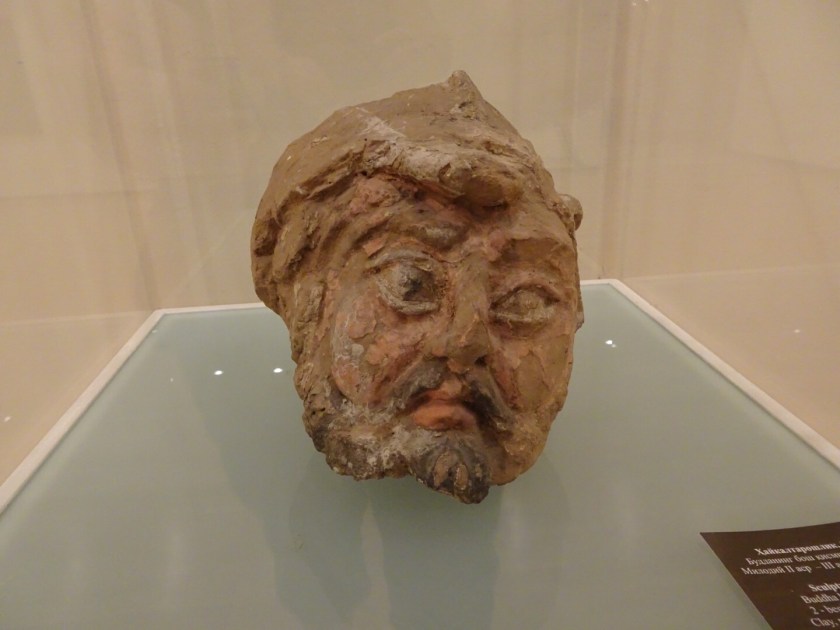
It has some really interesting sculptures from the early centuries AD.

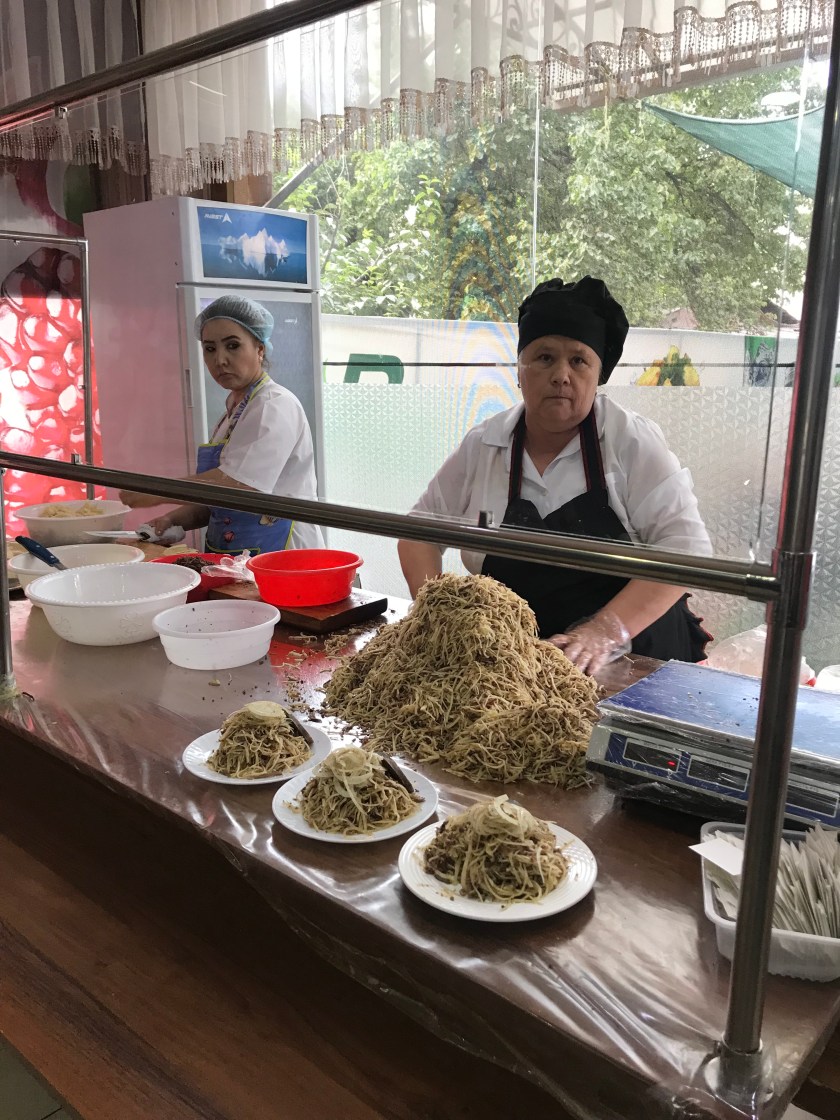
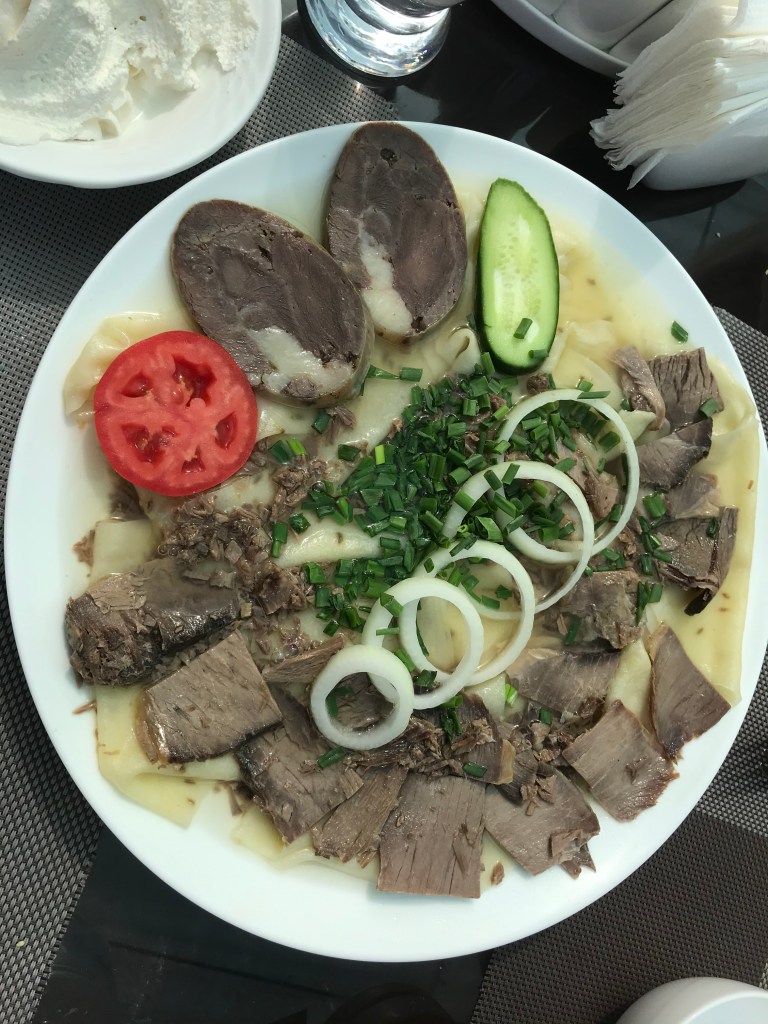
For our final lunch, Fazli takes us to a very local restaurant which ends up being the best meal we had in Uzbekistan. Shane has been wanting to try a dish called “naryn” which is only available in Tashkent and is shredded horse meat with cold noodles. As we walk into the restaurant we see a counter where a woman is preparing something that we think could be it and yes, it is. It sounds horrible but it is really tasty.

Not only do I have the naryn but I have sliced horse meat on a salad of noodles which I really enjoy, it’s my first time eating horse and it’s really nice (sorry Black Beauty!!). The bread is really good and as if that’s not enough we are served a giant platter of meat including lamb chops, kebab, chicken and beef. It’s so good, we definitely won’t need dinner tonight.

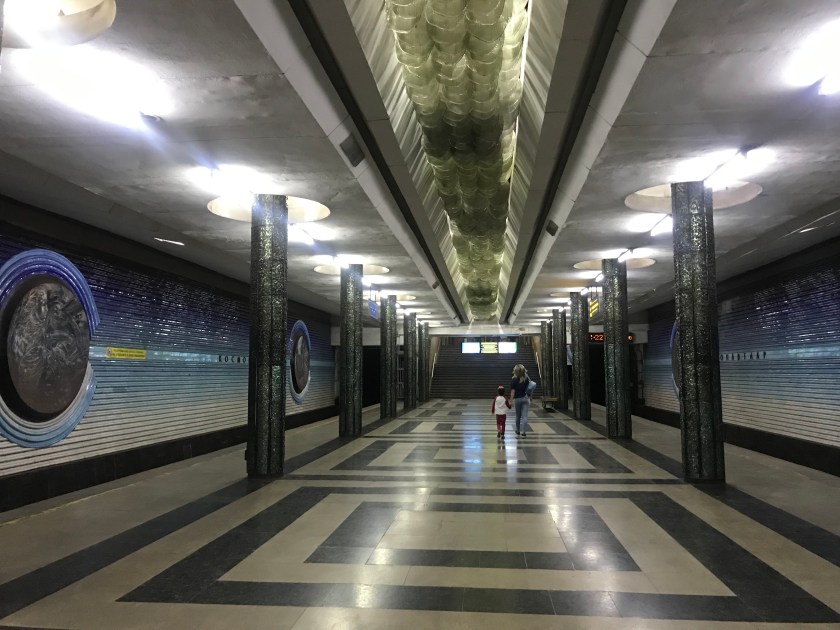
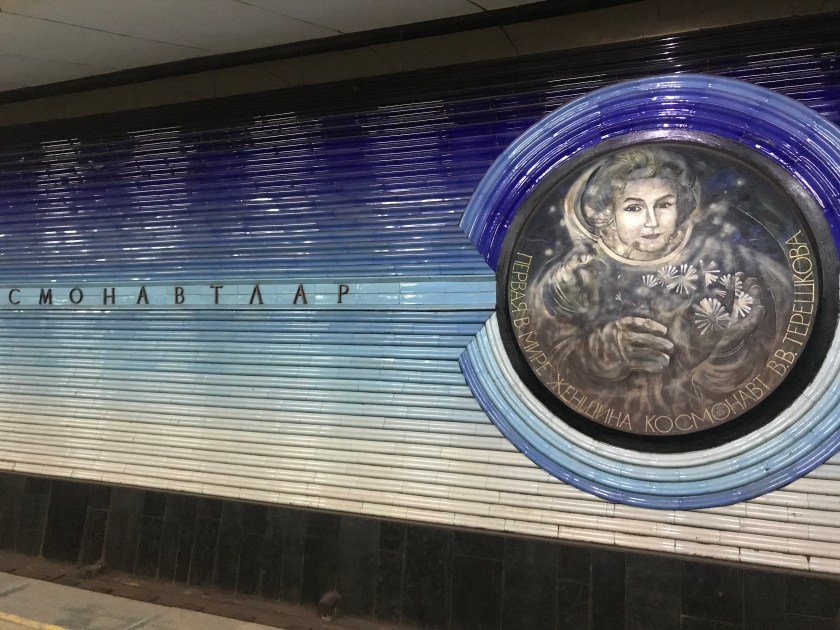
After checking into the hotel and saying our goodbyes we head out for one last ramble. We take the metro to the famous Kosmonavtlar stop which is decorated with images of space and Russia’s cosmonauts aka astronauts.

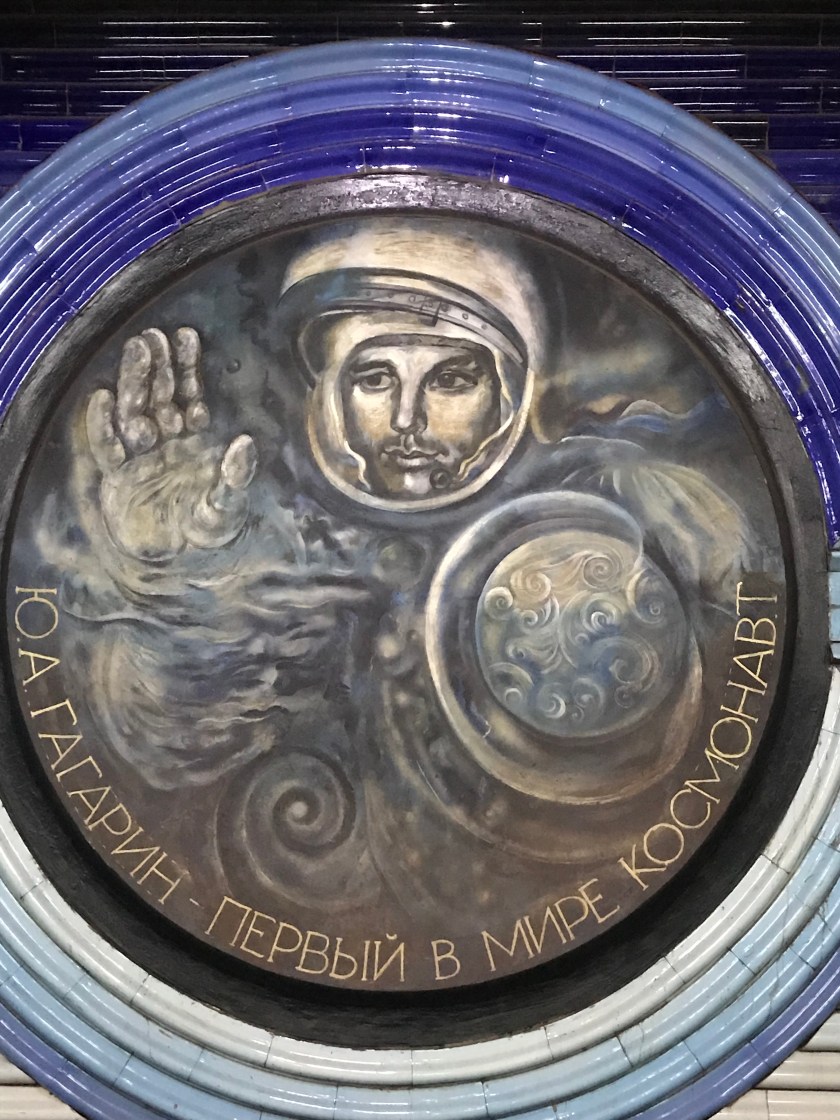
Yuri Gargarin:

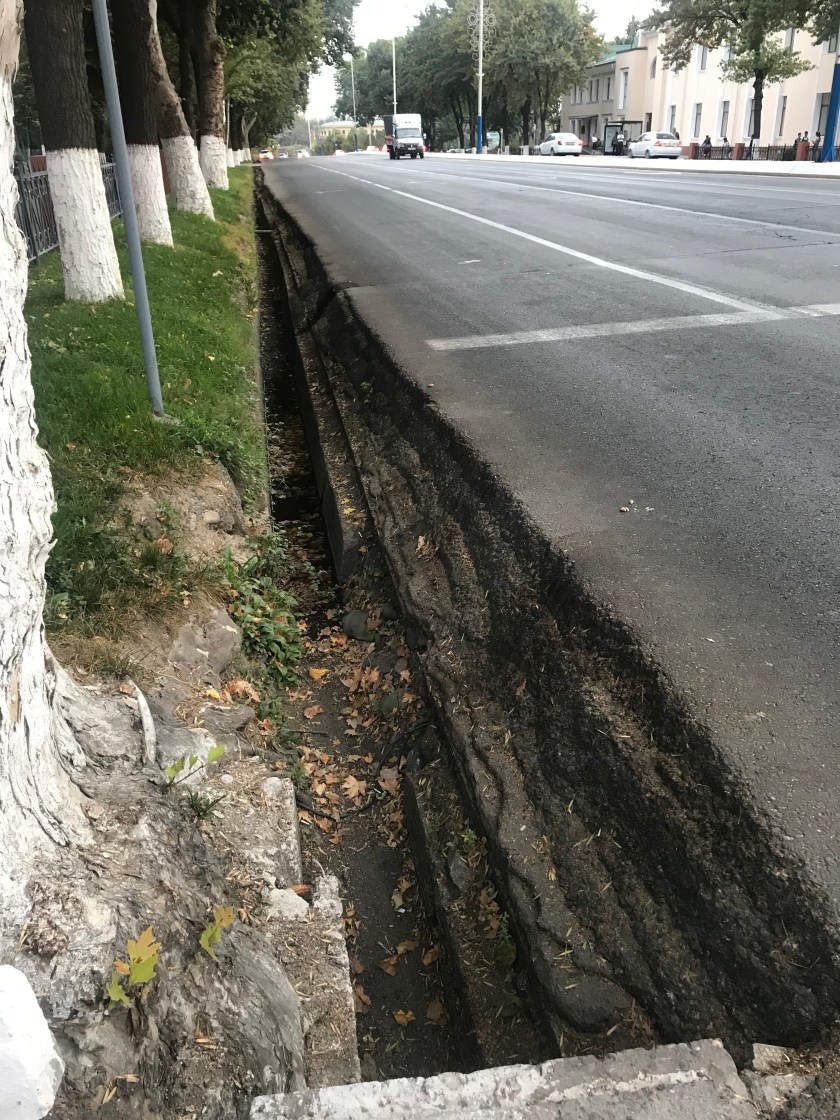
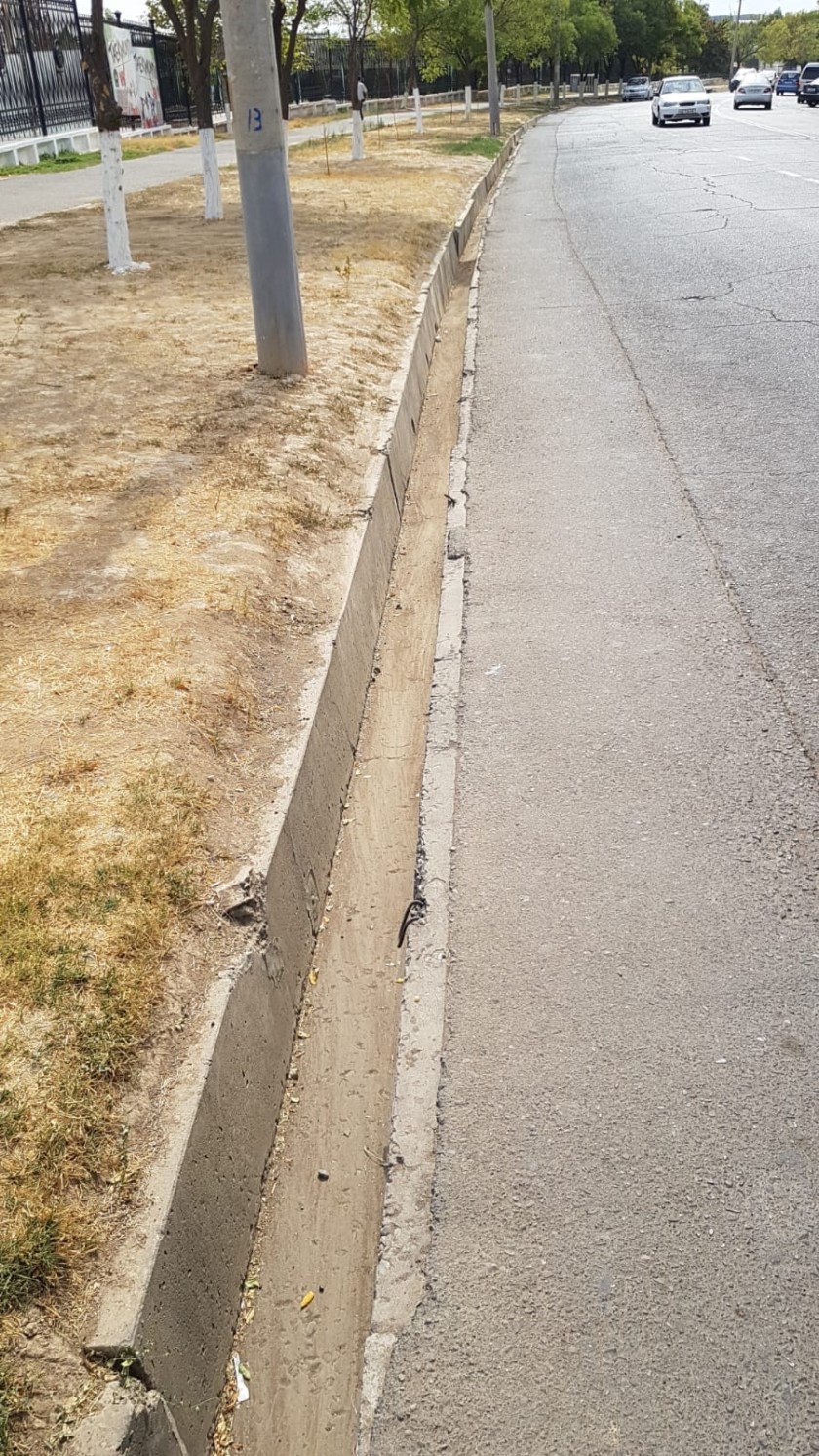
I won’t miss avoiding these ditches:

We hit the hotel for an early night (and I try squash my purchases into my bag) as tomorrow we fly to Dubai… well officially it’s tomorrow but it’s a 4am flight so we have to be up at 1:15am – so that’s tonight to me! We were supposed to be flying to Catania (Sicily) via Dubai but a few days after I left Ireland and flew to Austria I got an email from FlyDubai to tell me my flight was cancelled. So now, after what will likely be a very expensive phone call, we are on the original flight out of Tashkent but have to stay over in Dubai for a night and catch the Catania flight a day later. The joys of traveling 🤪

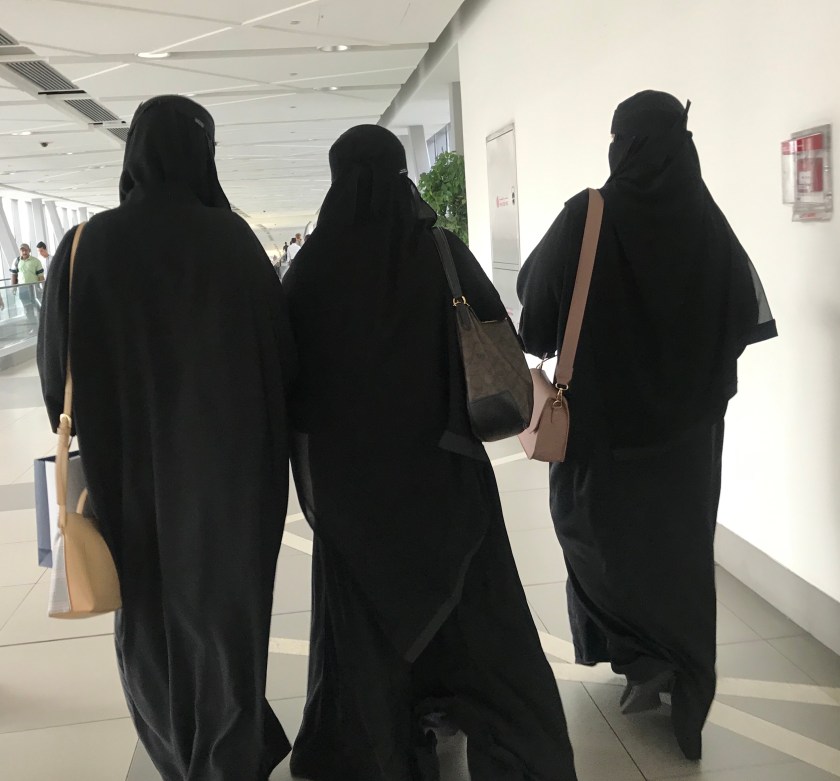
Ah well, we get through the flight and arrive tired in Dubai to 40 degree heat. Thankfully our hotel isn’t too far outside of air conditioned walkways and they let us check in when we get there at 8:30am – score!! We get some sleep and agree that a day indoors at the mall is the only way to go. I just can’t hack that heat – it is literally like walking through a fan oven! There’s a lot of “I’m roasting” going on.

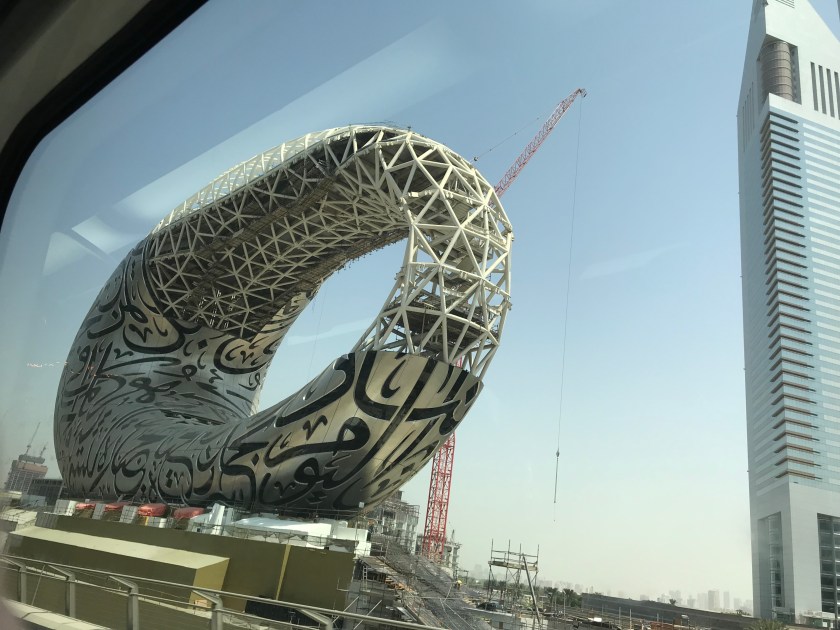
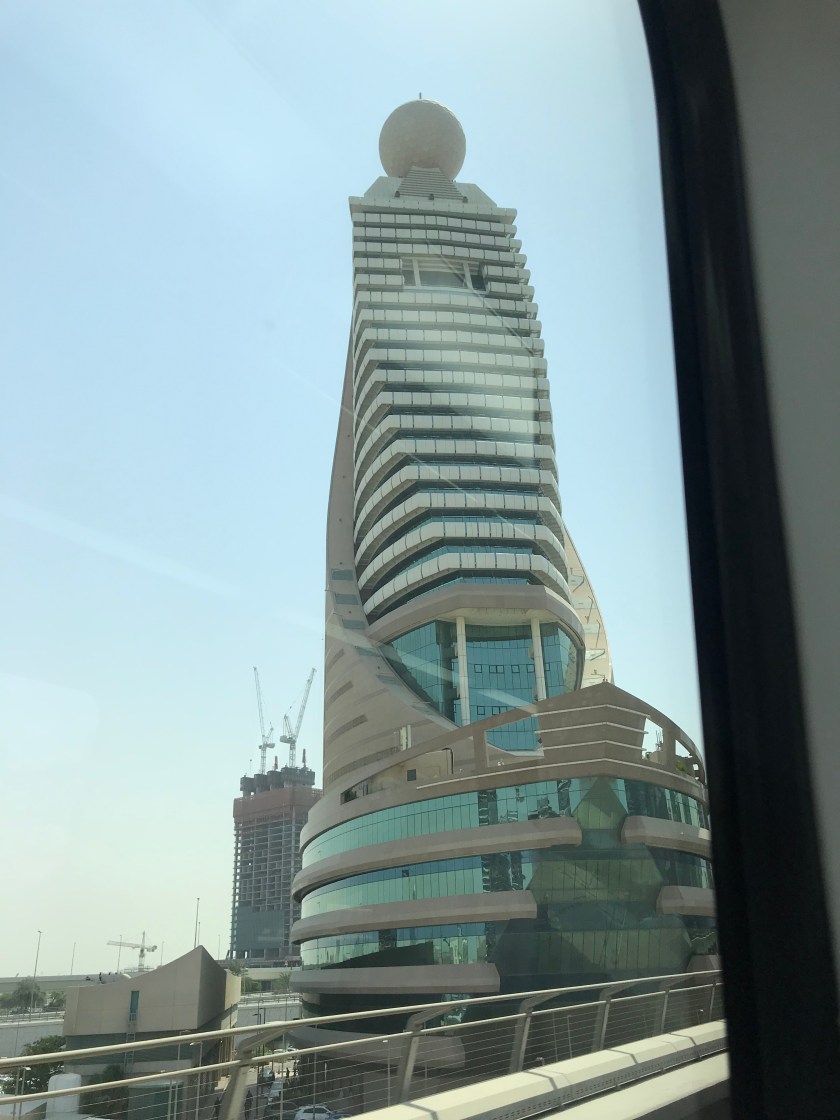
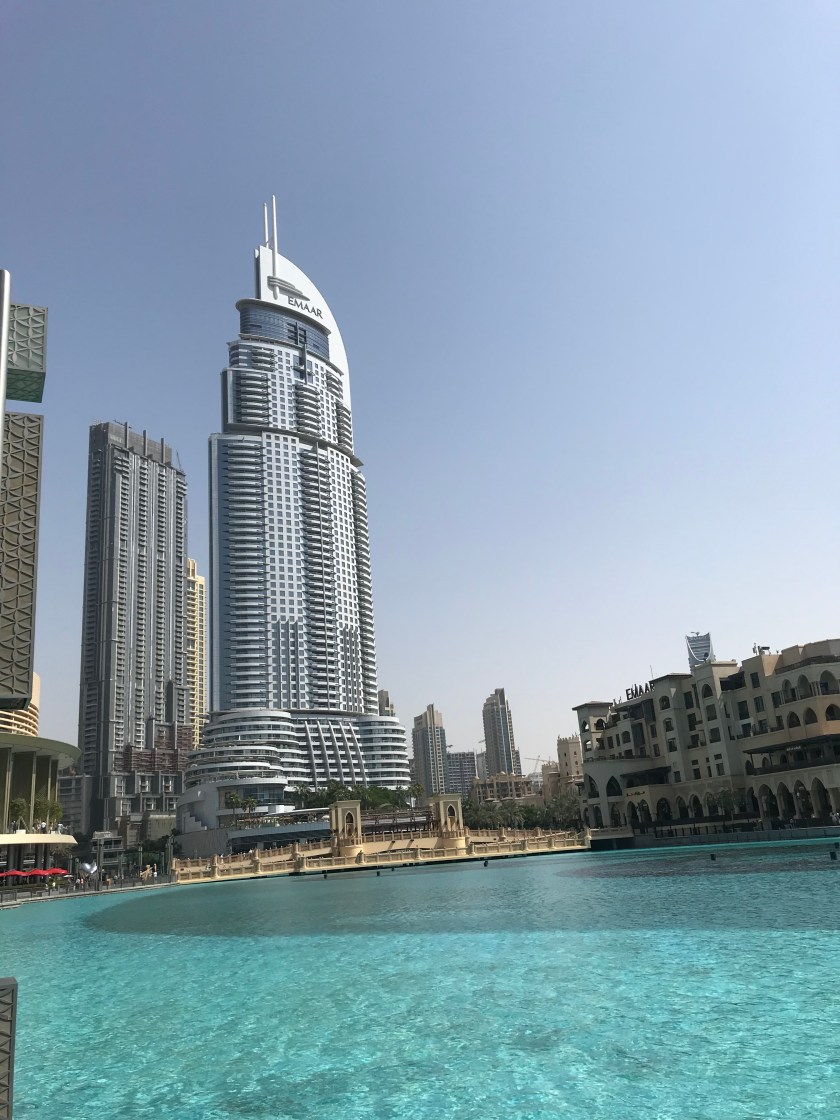
We take the metro (beautifully air conditioned) and view the many weird and monstrous buildings through the window.

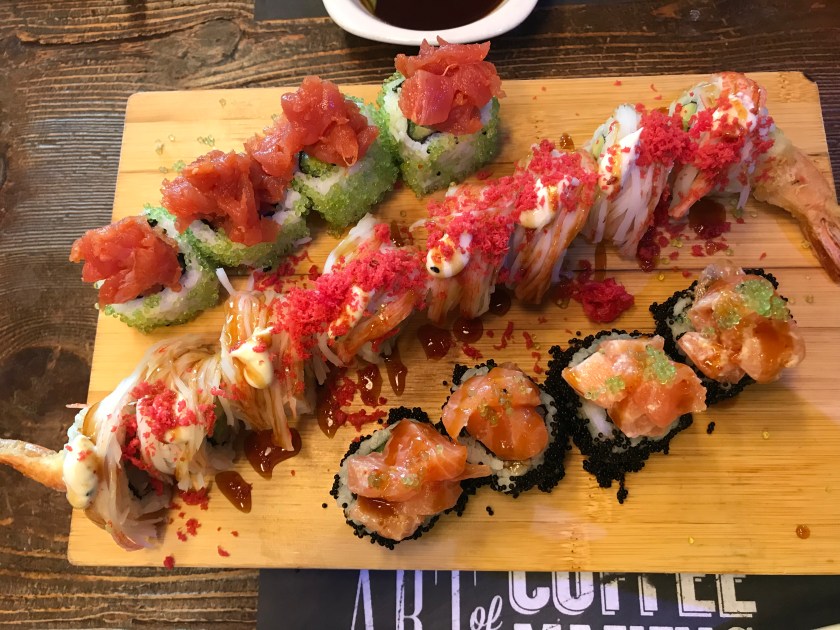
You can get to the mall from the metro without leaving the air conditioning so happy days. We walk around what must be the biggest mall in the world. It has so many shops and restaurants from all over the world (M&S, Bloomingdales, H&M, Pottery Barn, Five Guys, Nando’s… to name but a few). There’s even an aquarium, cinema and video arcade. We settle for rambling (gotta keep those steps up) and sushi which is expensive but gorgeous.

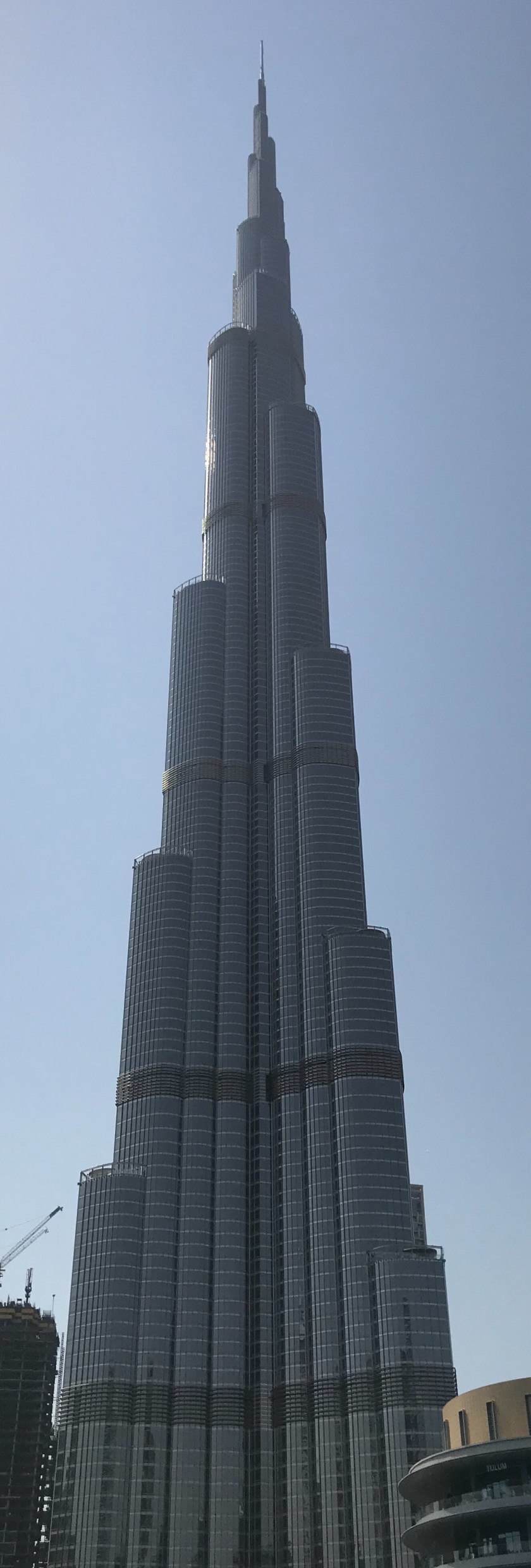
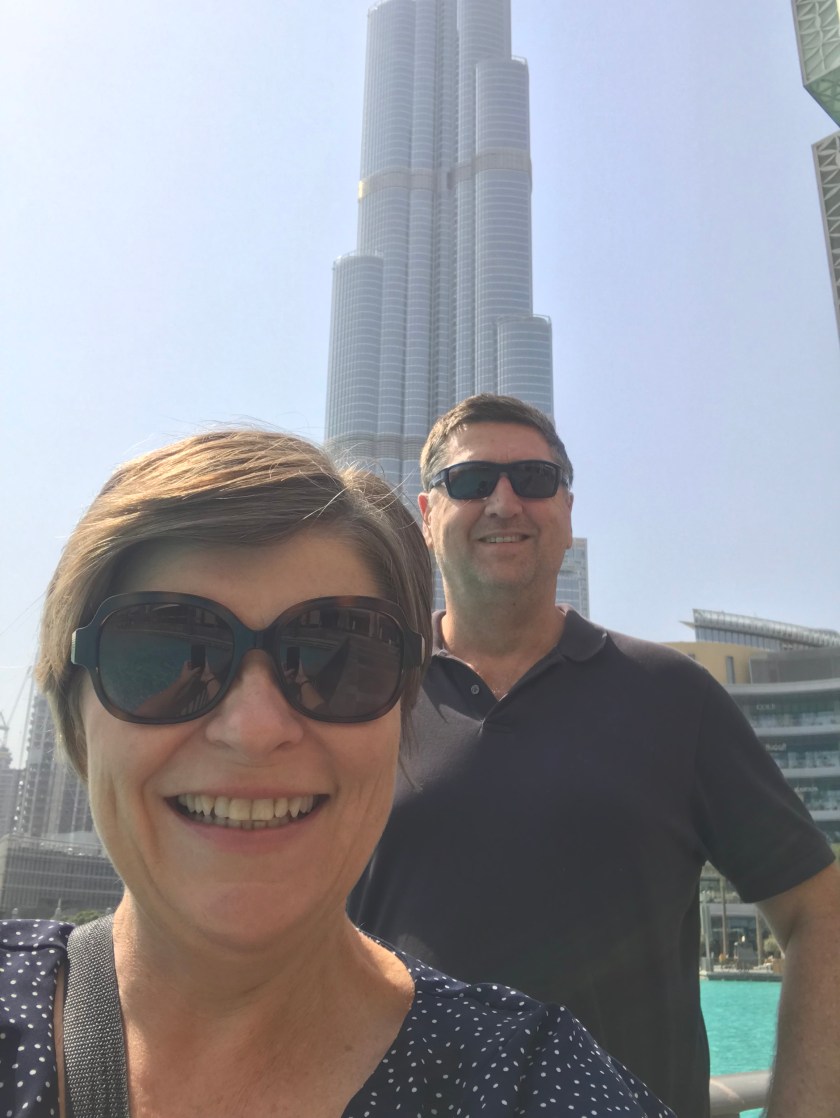
We go outside for a brief ten minutes to view the highest building in the world the Burj Khalifa

and that’s a wrap… Sicily tomorrow and I can not wait.

Uzbekistan Part IV – Khiva

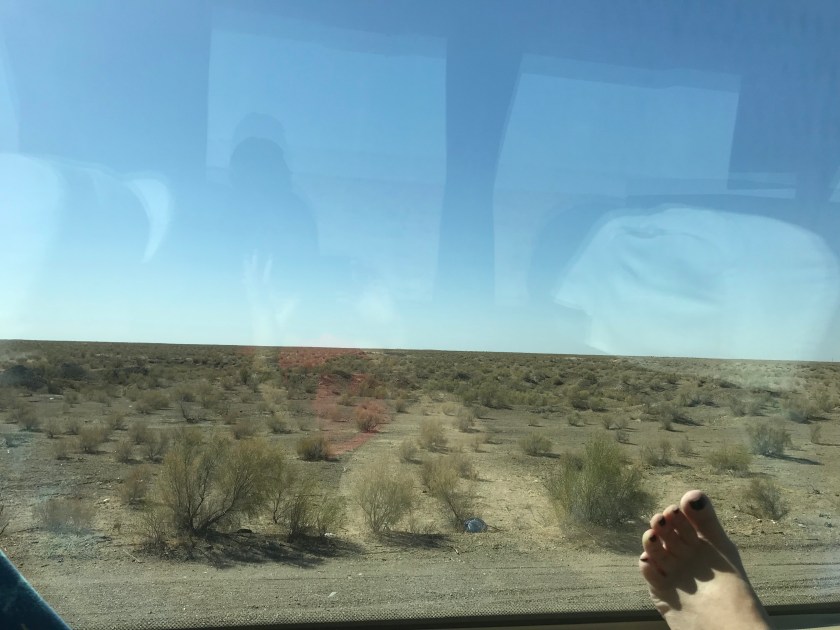
Day 8: We set off early today and drive 450 kilometres to Khiva. With a couple of toilet breaks, photo opps and a lunch stop, it takes approximately 10 hours. Luckily there are just twelve of us on a full size, very comfortable coach so there’s lots of space to move around. The first couple of hours is on a very bad road so the journey is bumpy and it’s hard to read or type!! We travel through the Kyzyl-Kum (Red Sands Desert), the largest desert area in Central Asia. Eyes are peeled for wild camels but alas we don’t see any.

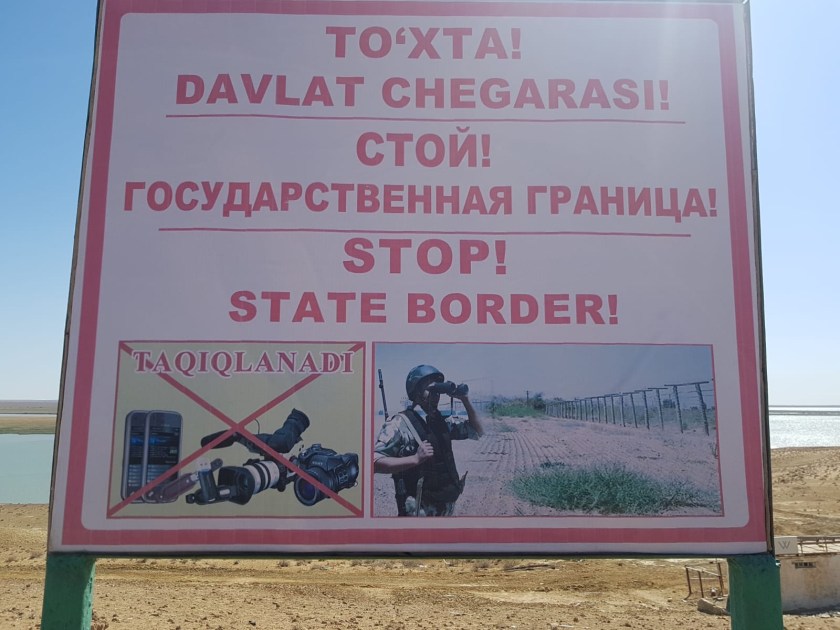
We stop to see the Amu Darya River and cross the main road, jumping over the barrier in the middle. I’m not sure this is an approved itinerary stop but we do it all the same! We are very close to the neighbouring country of Turkmenistan as the border runs through the river.

At a toilet stop along the way some women try talking to me in the loo and I realise they’re asking me where I’m from. They don’t seem to understand Ireland or Irelande so I have to resort to the old “beside England” which they seem to understand. They’re keen to have their photo taken.
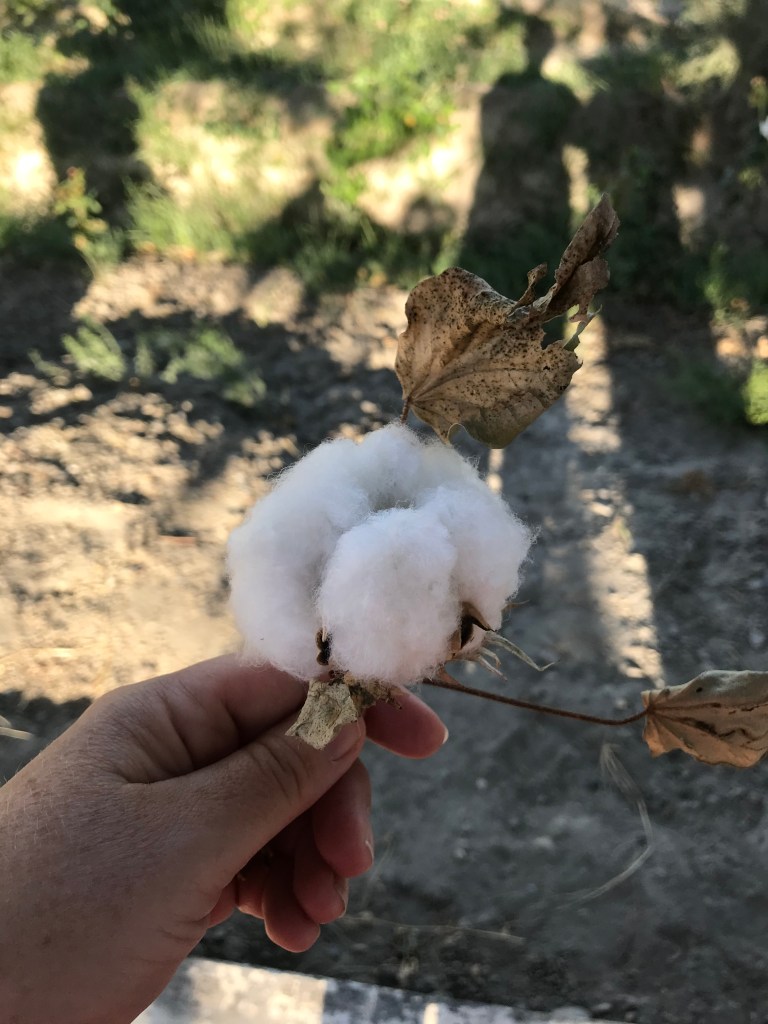
We drive past cotton fields, where the cotton is still picked by hand.
Finally we arrive at Khiva which is a walled city dating from the 1700’s and we drive through the outer walls to our hotel within the inner walls.

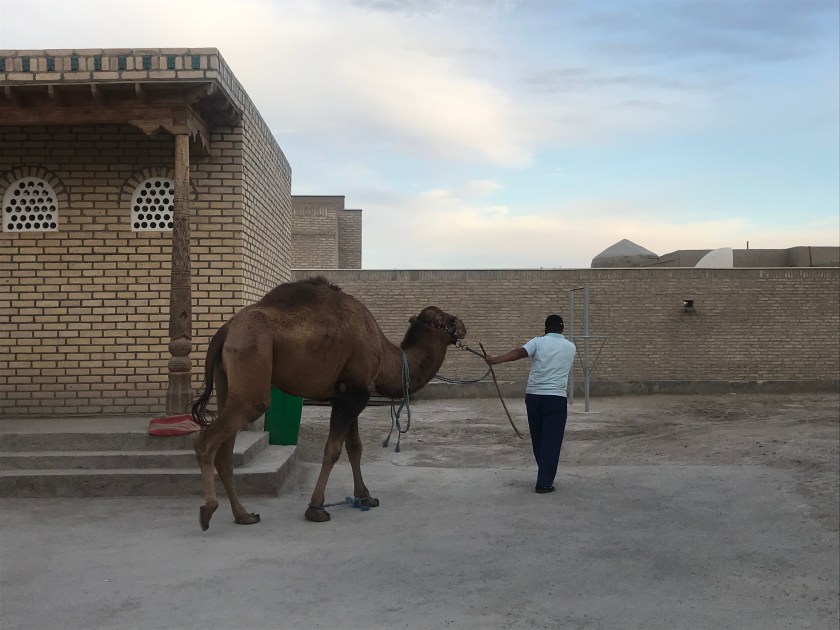
On our way to drinks and to watch sunset from a roof terrace we see a man walking his camel home after a day’s work!

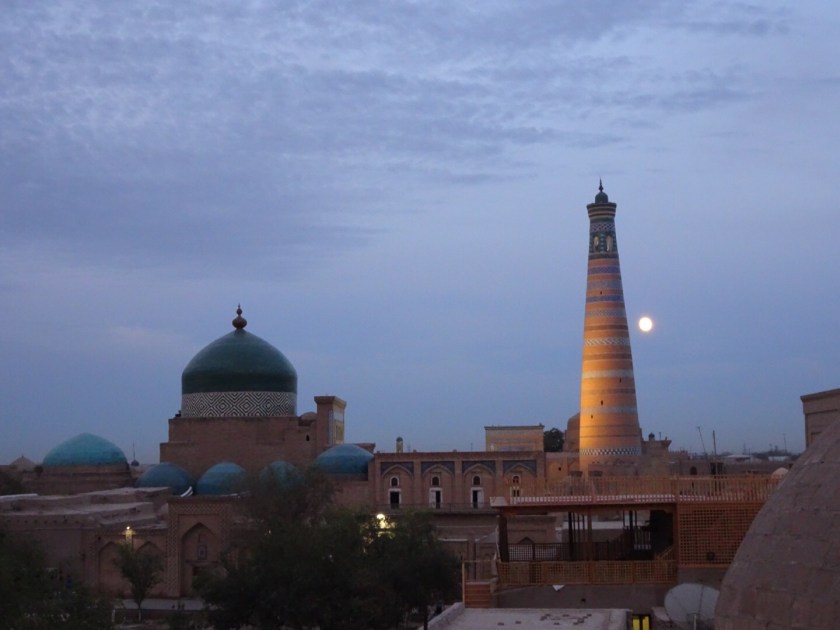
We get our first views over this unique city while sipping a glass of wine

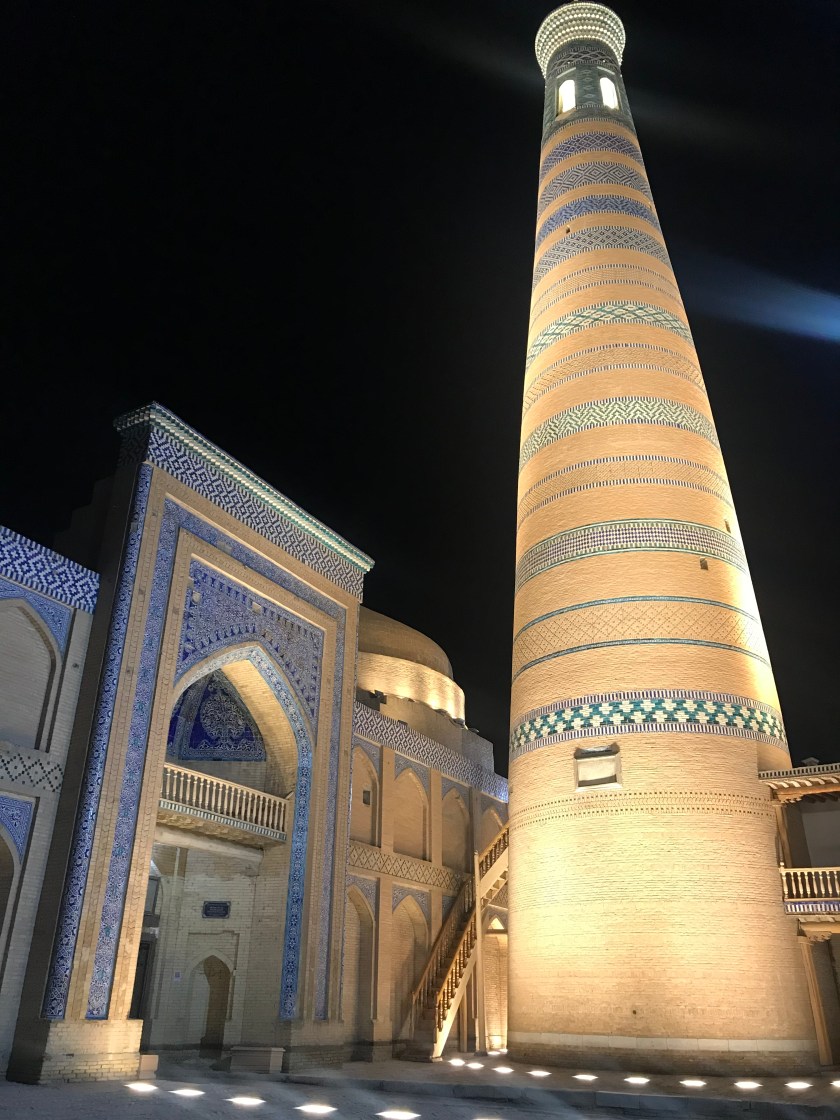
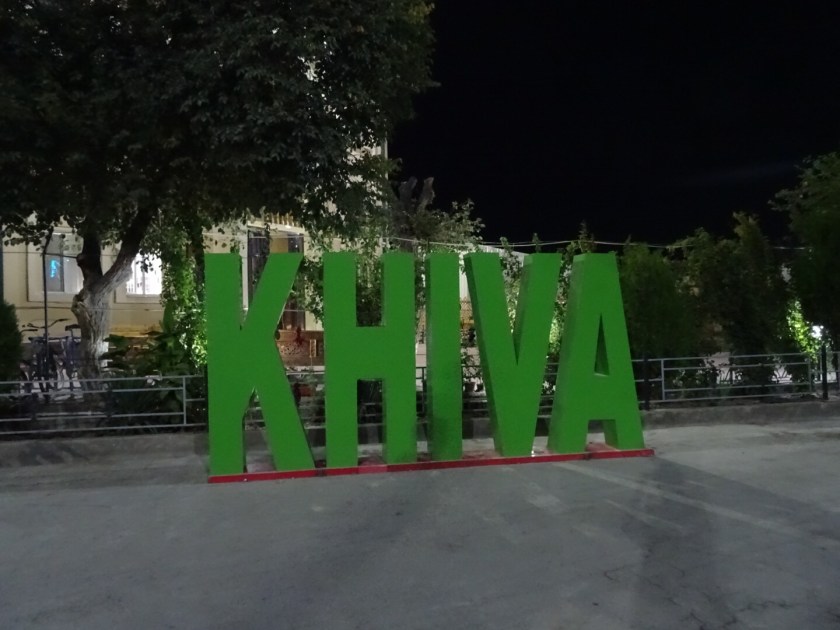
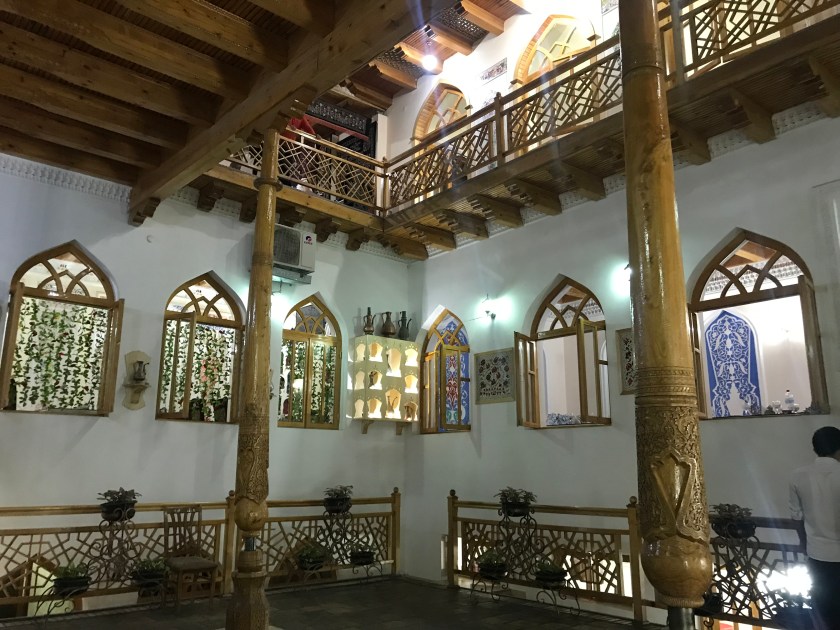
Again we have a delicious meal for dinner – who said the food was no good in Uzbekistan.. we are having one delicious meal after another. Once it’s dark we take a walk around to the city at night with the lights on.

Day 9: We wake with the rooster and the first call to prayer and head outside to see the city at sunrise before the hordes descend.
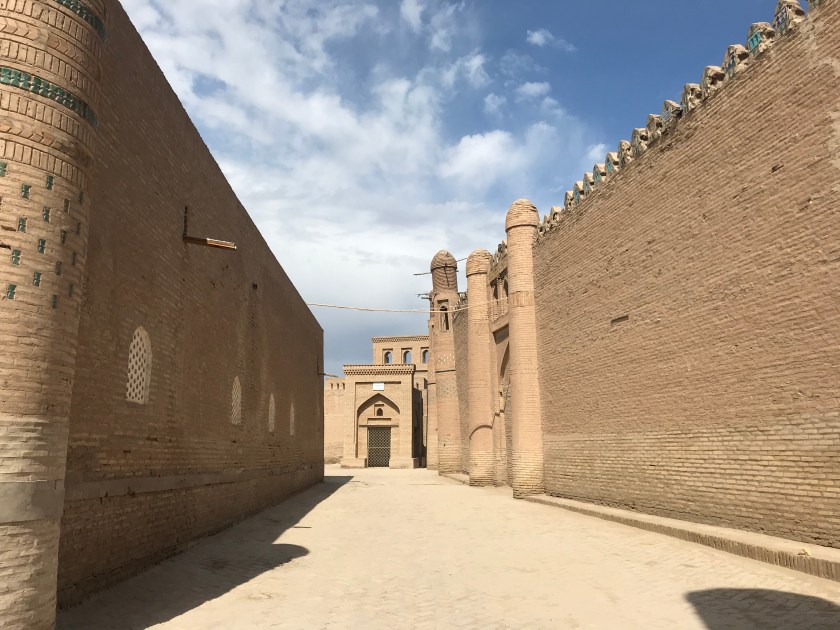
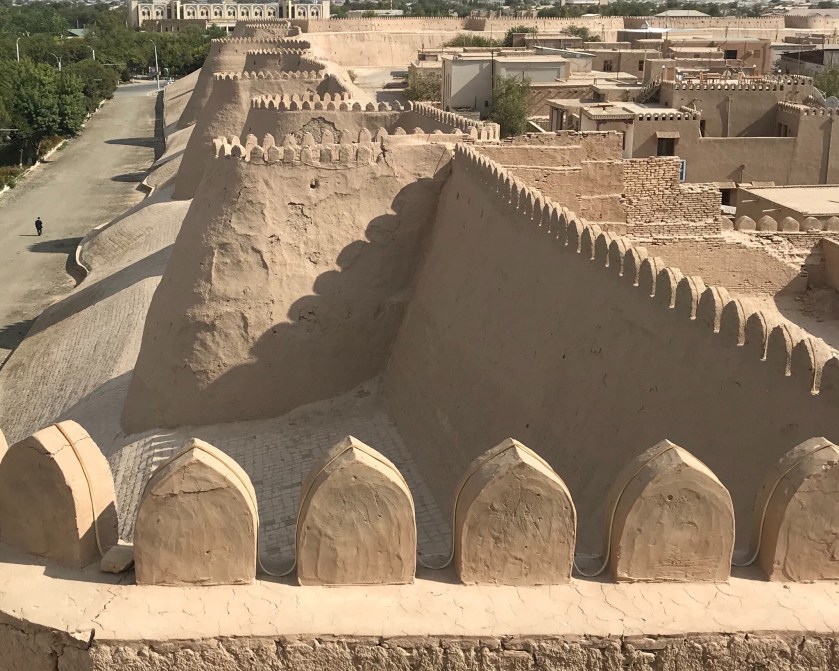
The walls are what make this city look like a series of sandcastles:

After breakfast we have a full day exploring the city with our group. There is a three day festival starting tomorrow and there are stages around the town with rehearsals going on all over.
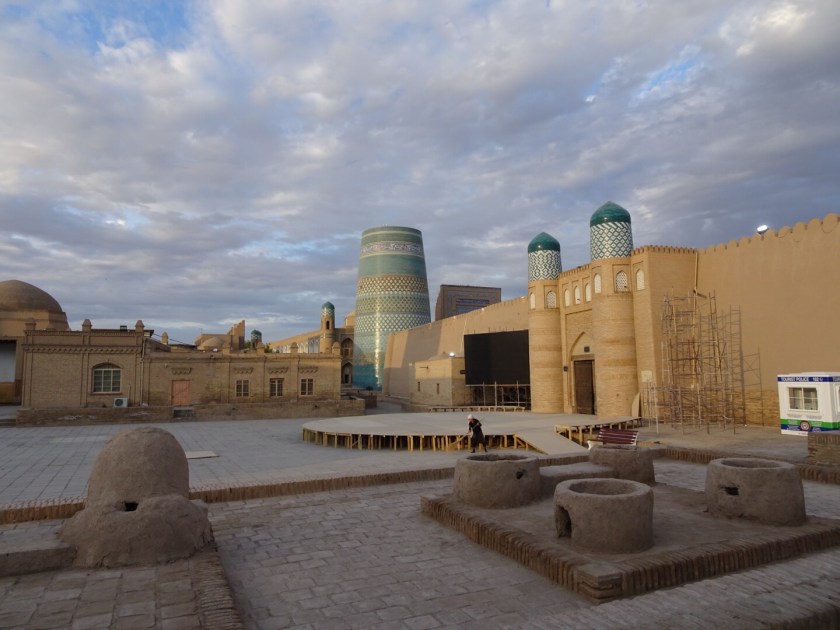
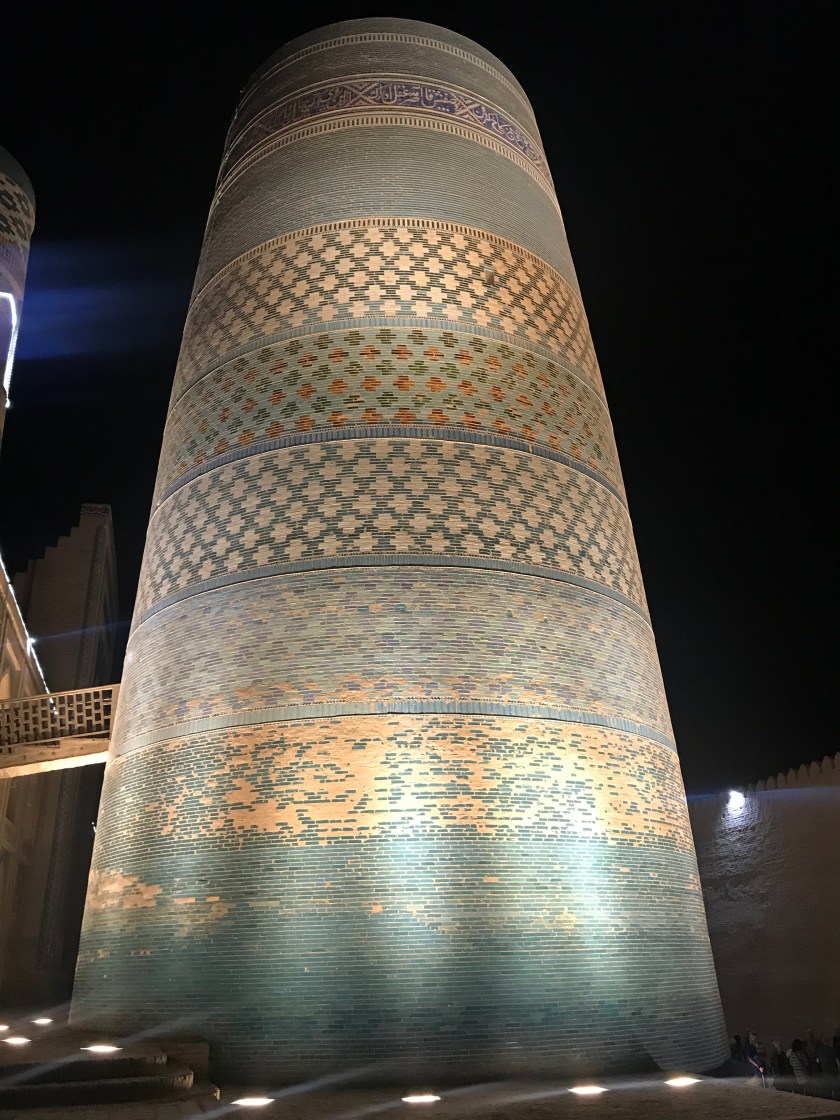
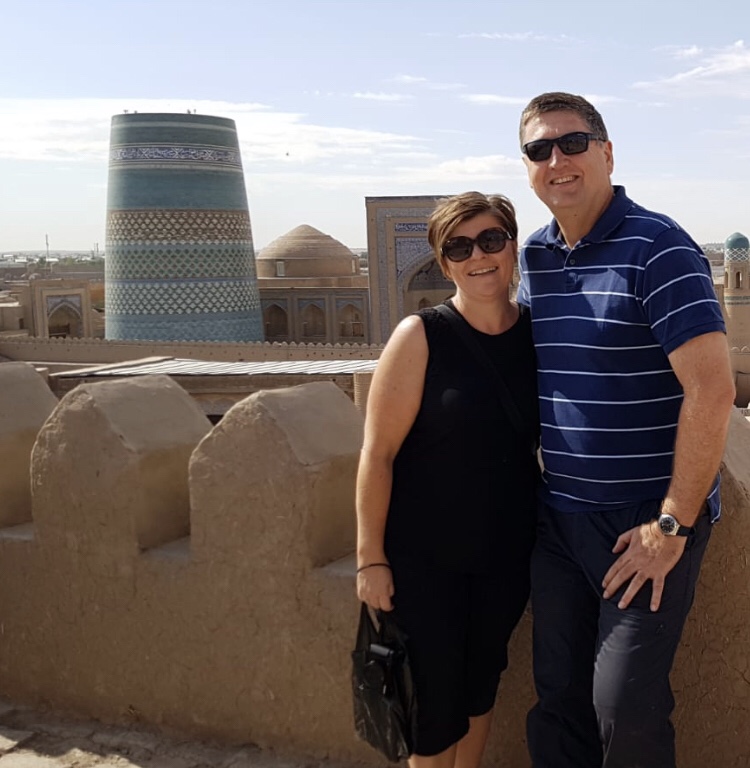
The turquiouse Kalta Minor Minaret, is a must-see and hard to avoid. It was commissioned in 1851 by Mohammad Amin Khan and was supposed to be built so high that you could see Bukhara but by 1855 the Khan had died and work stopped, leaving it unfinished.

Kuhna Ark which was the main fortress, overlooks the city and was once used as a patrol tower of the citadel.

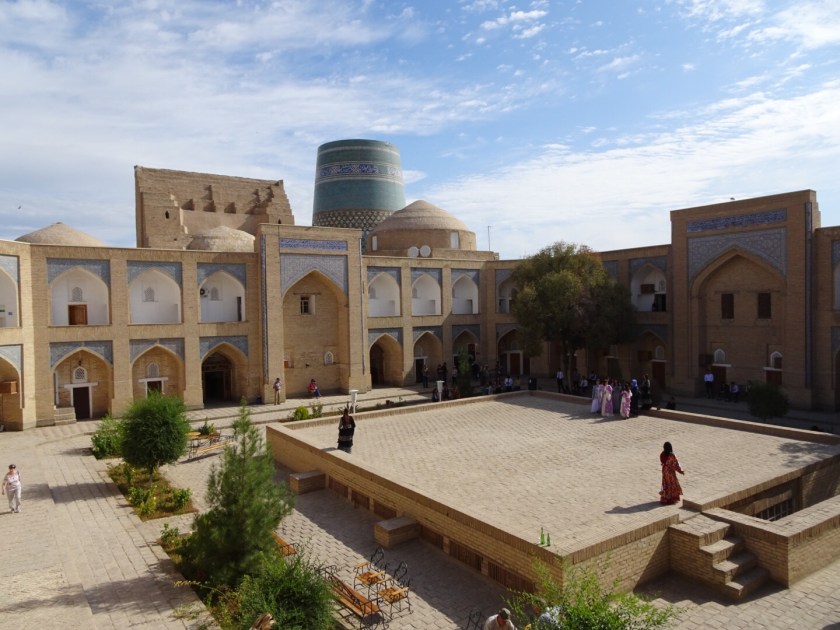
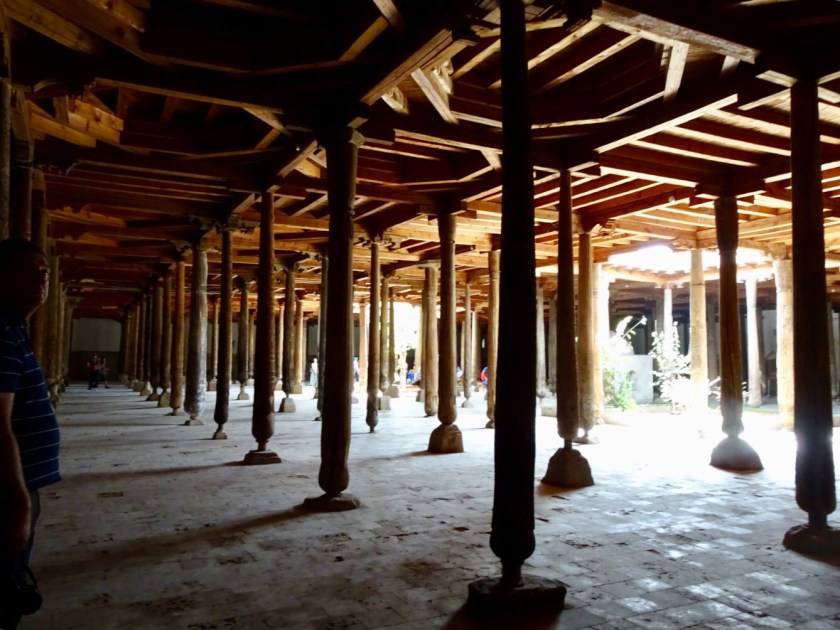
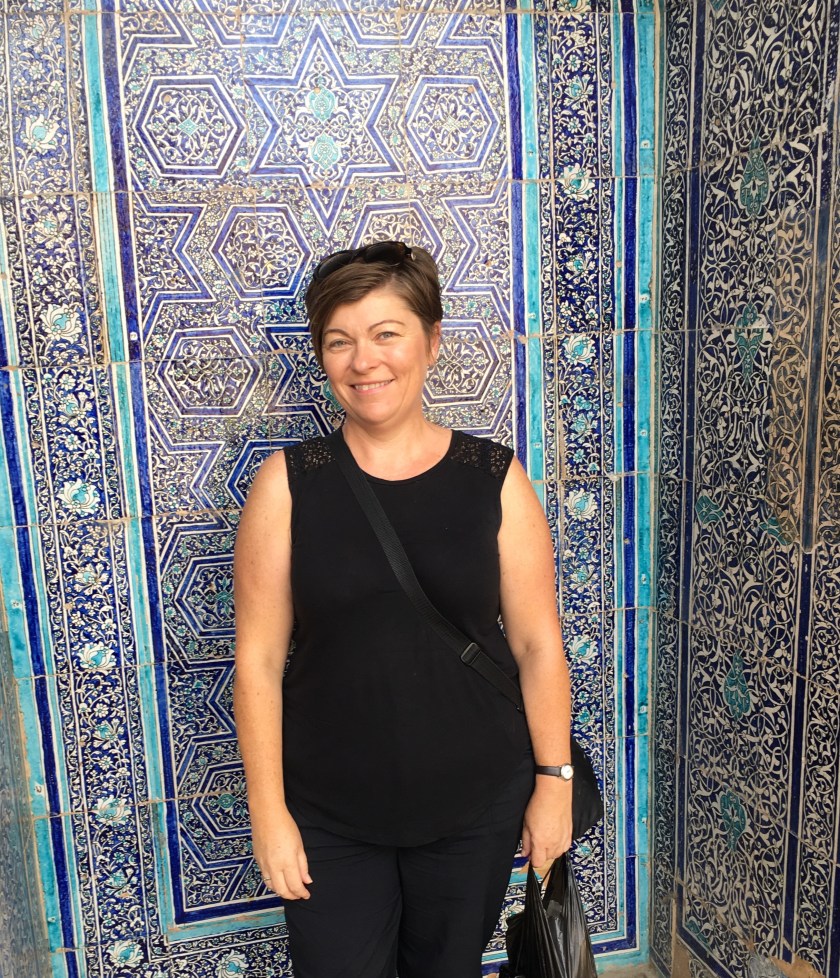
We also visit the Khan museum in the Mohammed Rakhim Khan Medressa, the 17th-century Juma Mosque, the Islom-Hoja Minaret and Medressa (built in 1908 and the highest structure in Khiva), and the Pahlavon Mahmud Mausoleum complex (the Persian-style resting place of Khiva’s patron saint). So many places I really can’t keep track. The architecture doesn’t differ much but each are striking to visit.

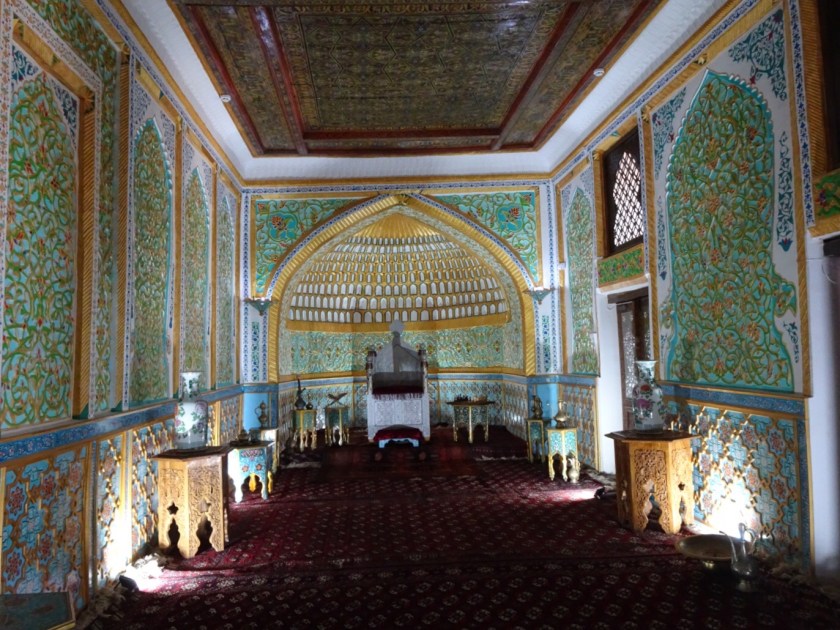
We finish with the 19th century summer palace of Mohammed Rakhim Khan II, (the Tosh-Hovli Palace) set in orchards and surrounded by walled gardens, fountains and aywans. It’s in a state of disrepair and not as impressive as the emirs palace in Bukhara but it’s worth the journey outside of the walls so we can look back at the city.

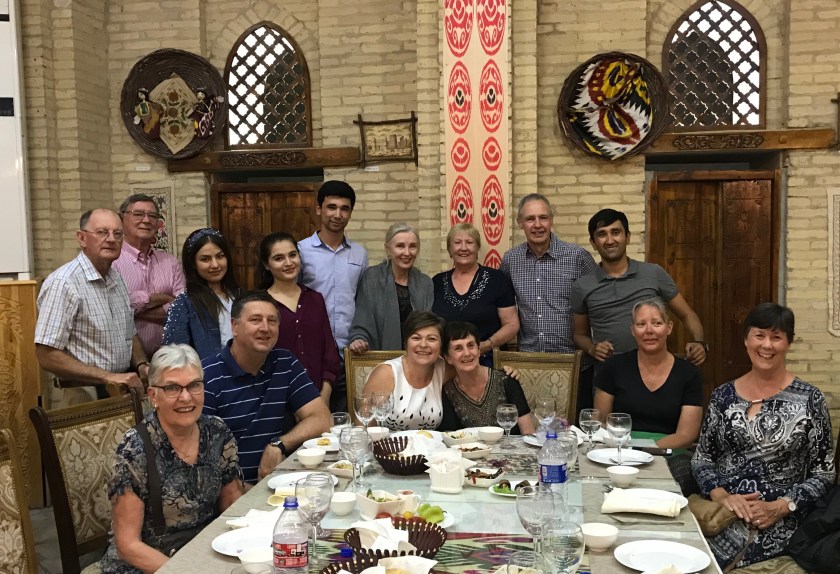
We have a farewell meal tonight and enjoy the company of three staff from the hotel. One of the young girls sitting beside us is the daughter of the owners of the family run business and she really has her head screwed on. I’d love to come back in twenty years time and see if she’s ruling her hotel empire!

We leave Khiva early next morning for a flight back to Tashkent. It’s been amazing to see this unique and memorable city. Bye bye Khiva!

Uzbekistan Part III – Bukhara

Day 5: We leave Samarkand and it’s about a four hour drive west to Bukhara. En route we stop in Gijduvan, which is famous for its ceramic pottery. We visit a ceramic pottery workshop which has been in existence through six generations. We see some antique pottery in the small museum which has some great old photos of the master Potters over the years and we witness the pottery process from throwing to firing to decoration.

It’s already 8pm by the time we reach Bukhara but we have three nights here so two full days to see everything… and it looks like there’s a lot to see. After a quick drop of the bags to the hotel we go to a restaurant called Chayxana Chinar where we have more meat, salad and dumplings. I’m getting used to this Uzbek red wine and we enjoy our first Bukhara meal at this unusual terraced building.

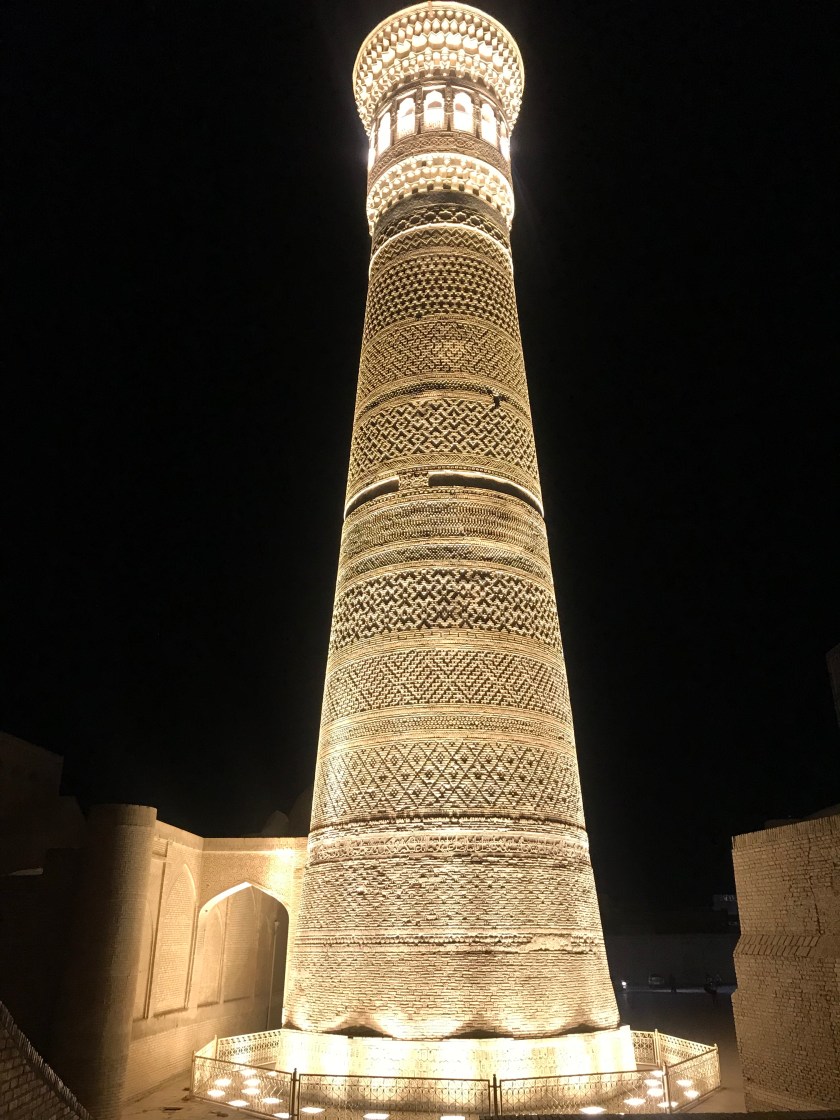
After dinner we take a walk around and come upon the “Golden” Minaret aka Kalyan minaret. It is stunning by night. It’s on our tour for tomorrow but it’s awesome to just happen upon it when lit up. You can see why they call it golden – it’s magnificent.

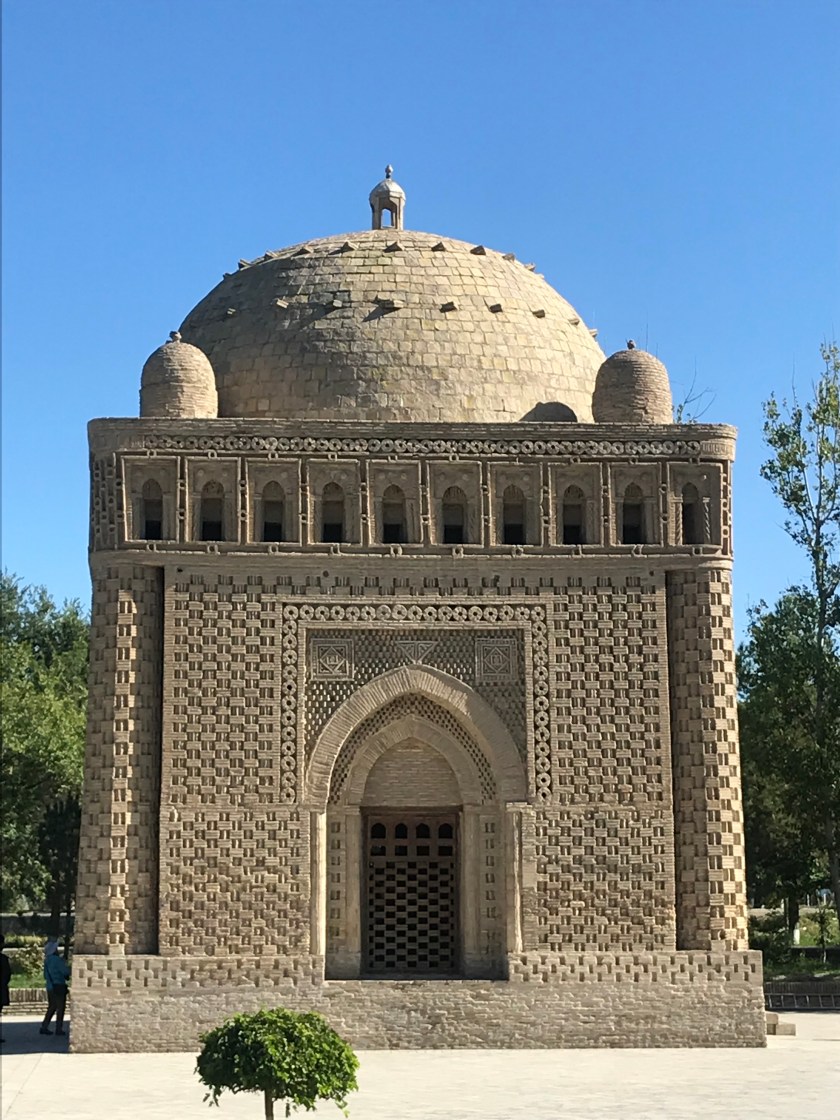
Day 6: Bukhara is considered the holiest of cities in Uzbekistan. It has many historic buildings dating from the 8th to the 18th century, some in ruins, some meticulously restored and some in mid restoration. We start our first day of site seeing by visiting, yes you’ve guessed it, a mosque and a mausoleum! The Ismail Samani mausoleum is the oldest Muslim monument in Bukhara, dating back to the 10th century. It survived the centuries of invasion as it was covered in sand. It’s oddly situated within an amusement park with rides and a Ferris wheel!
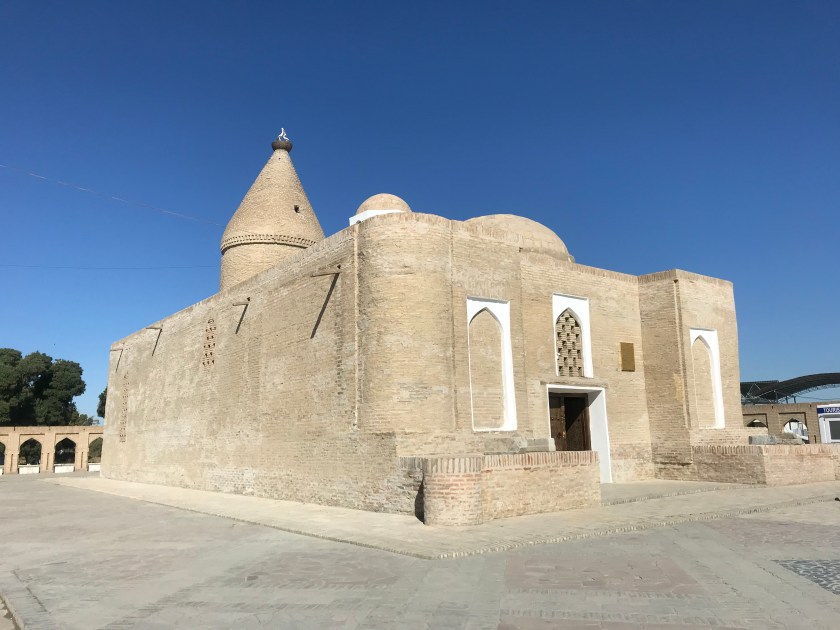
The Chashma Ayub Mausoleum is famous for its alleged healing water. Its name means Spring of Job and legend is that the prophet Job stuck is staff in the ground and a spring appeared, who’s water then cured him of his many boils and ulcers. There are taps and some people drink a sip of the water but I’m content just to take a bit in my hands (not chancing a dodgy belly).

Walking between mosques we see a local cooking samsa in the large clay ovens. He shapes them and sticks them to the sides… love it!

Error
This video doesn’t exist

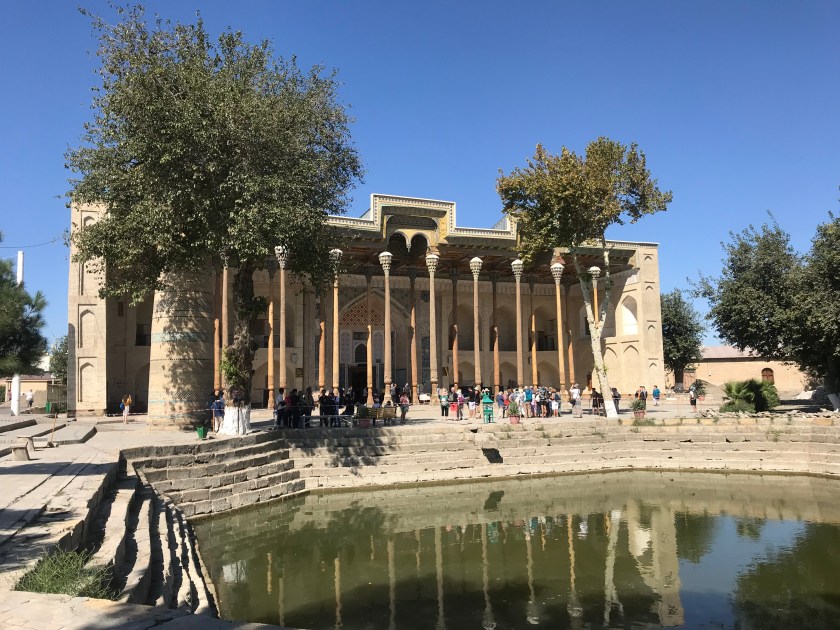
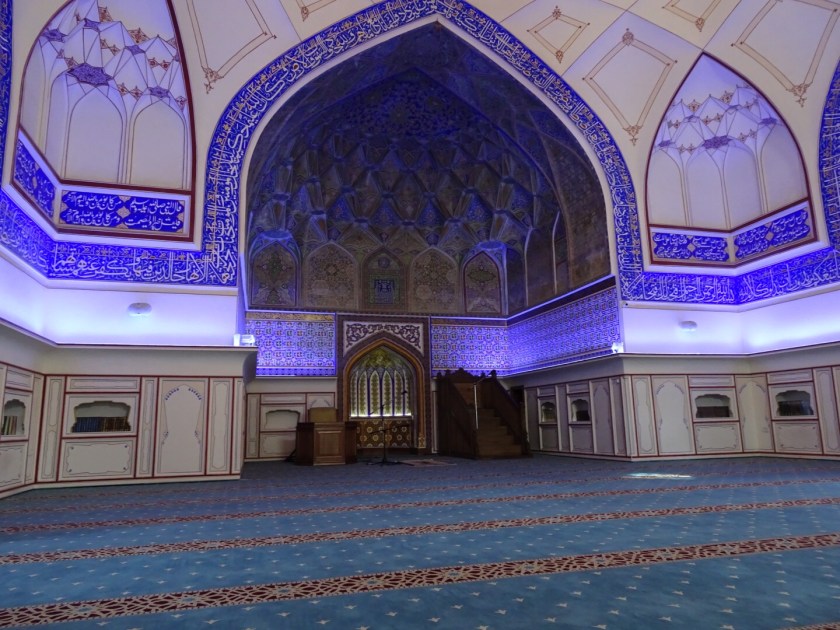
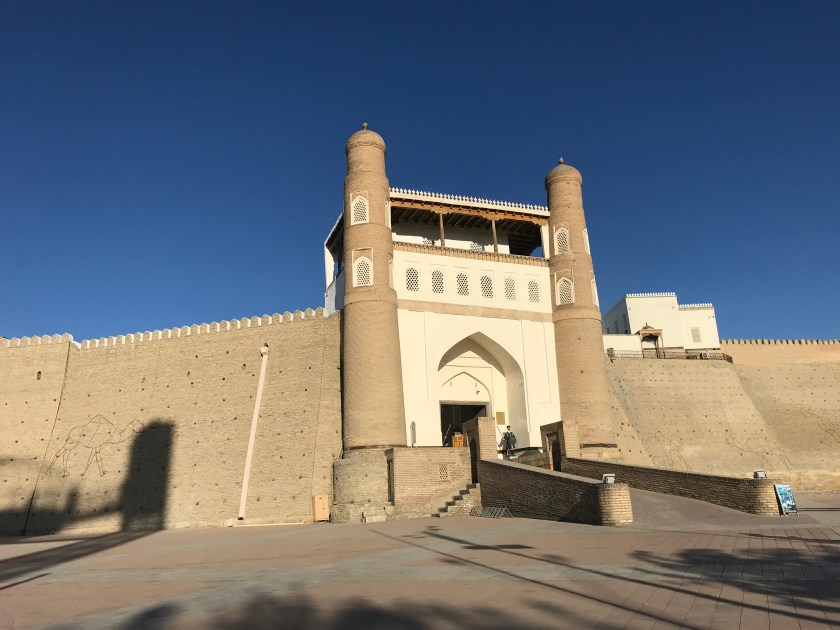
The Bolo-Khauz Mosque was built in 1718 and as it sits opposite the Ark (home to the Emirs) it was the official place of worship for these leaders. Most of the painted wood and carved columns are original.

Inside we sit on beautiful silk carpet and look at the ornate blue decorations

From here it’s a short walk to the 5th century Ark fortress which is the ancient heart of the city and home to the Emirs of Bukhara. Later this evening, with some free time, we will walk around the entire building but for now we go inside and view the many museum sections detailing the history of the ruling Emirs.

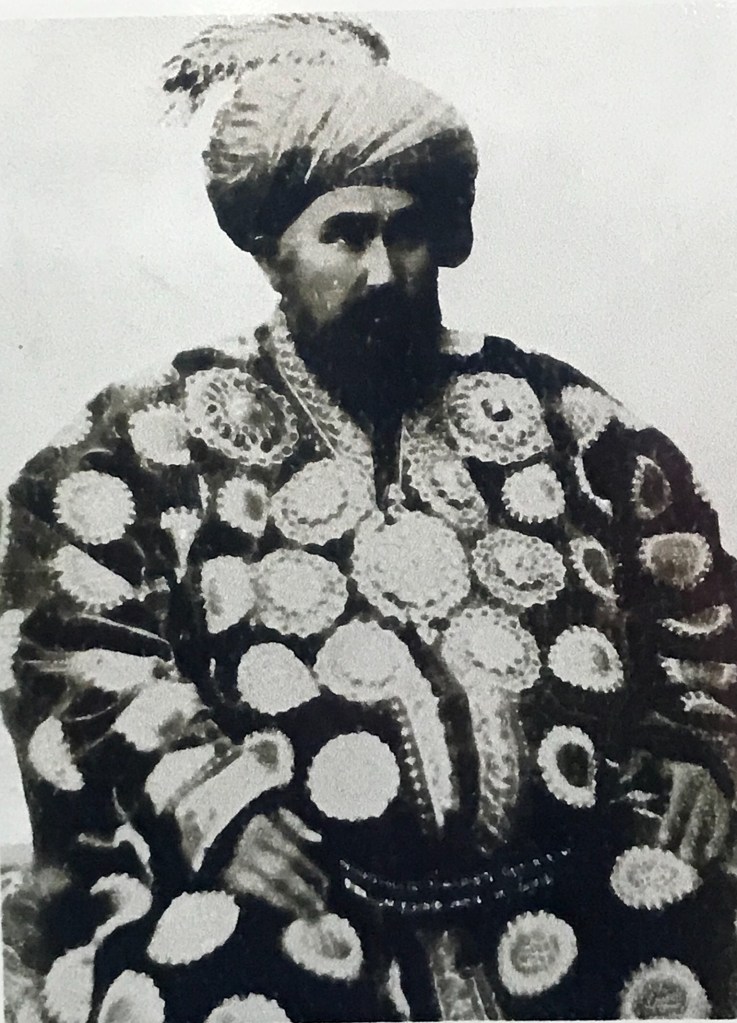
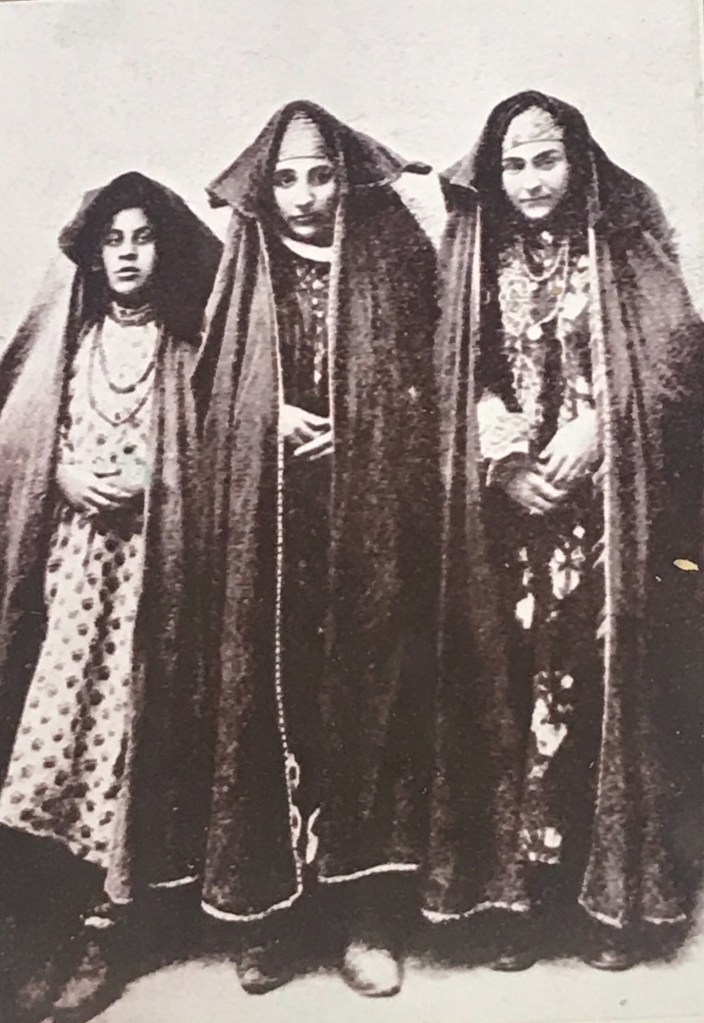
The Ark was inhabited right up until 1920 when the Bolsheviks invaded from Russia. There are some great exhibits of clothes and old photos. This Emir – Muzaffar (1861-1885) is definitely my favourite:

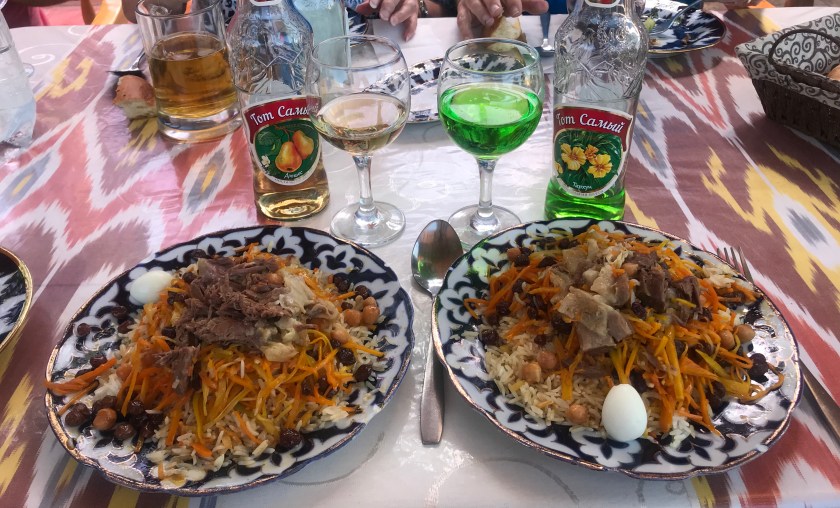
The guide has chosen the restaurant that we visited last night for lunch but we don’t mind as apparently they do a great plov. It is indeed a good one, served with a quail egg and washed doing with some interesting lemonade.

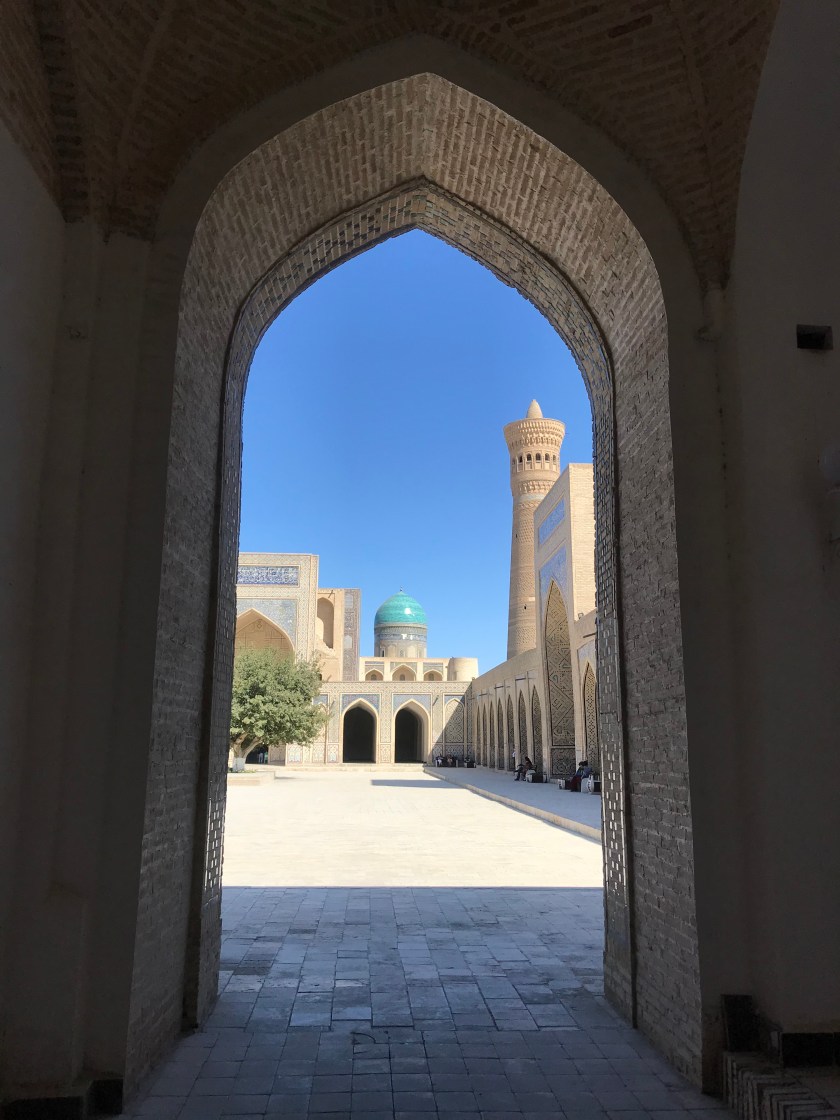
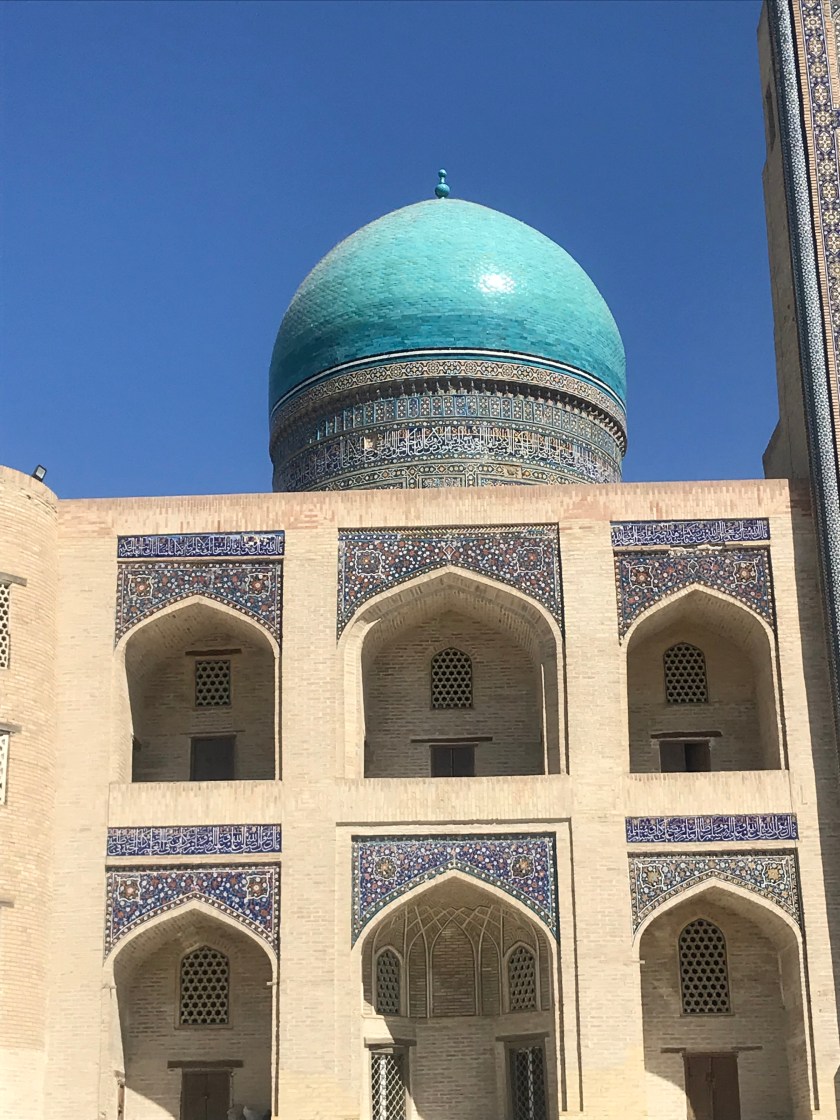
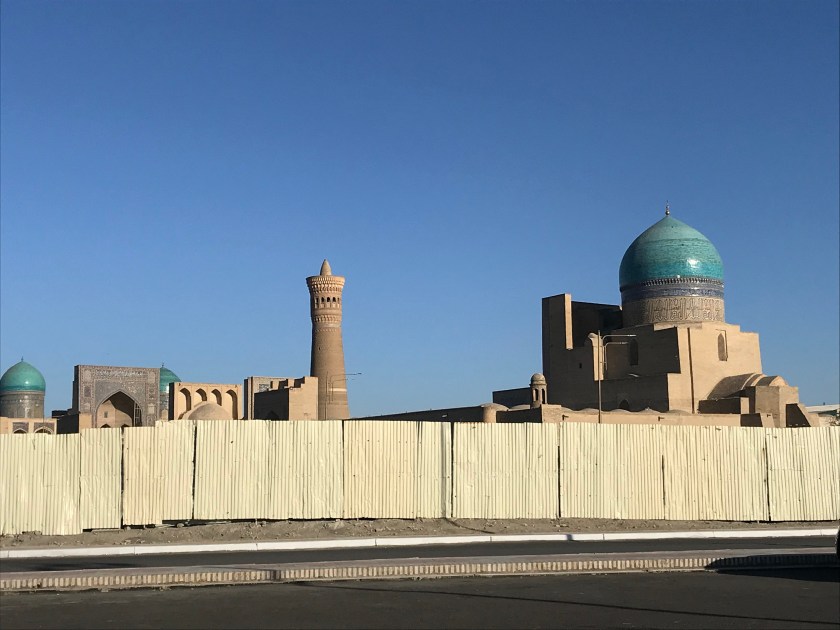
After lunch we visit the Poikalon complex, comprising the Kalon Minaret (the golden one we saw last night), the Kalon Mosque and Mir-i-Arab Medressa. It’s all about the m’s – mosques, mausoleums, museums and minarets! Again we admire the beautiful architecture of the buildings.

I’m starting to figure out how to tell the buildings apart. The mosques always have a dome which sits over the area where people pray and a minaret which is where the call to prayer occurs. The medrasas (the place for teaching the quaran) have individual rooms which were for the students.

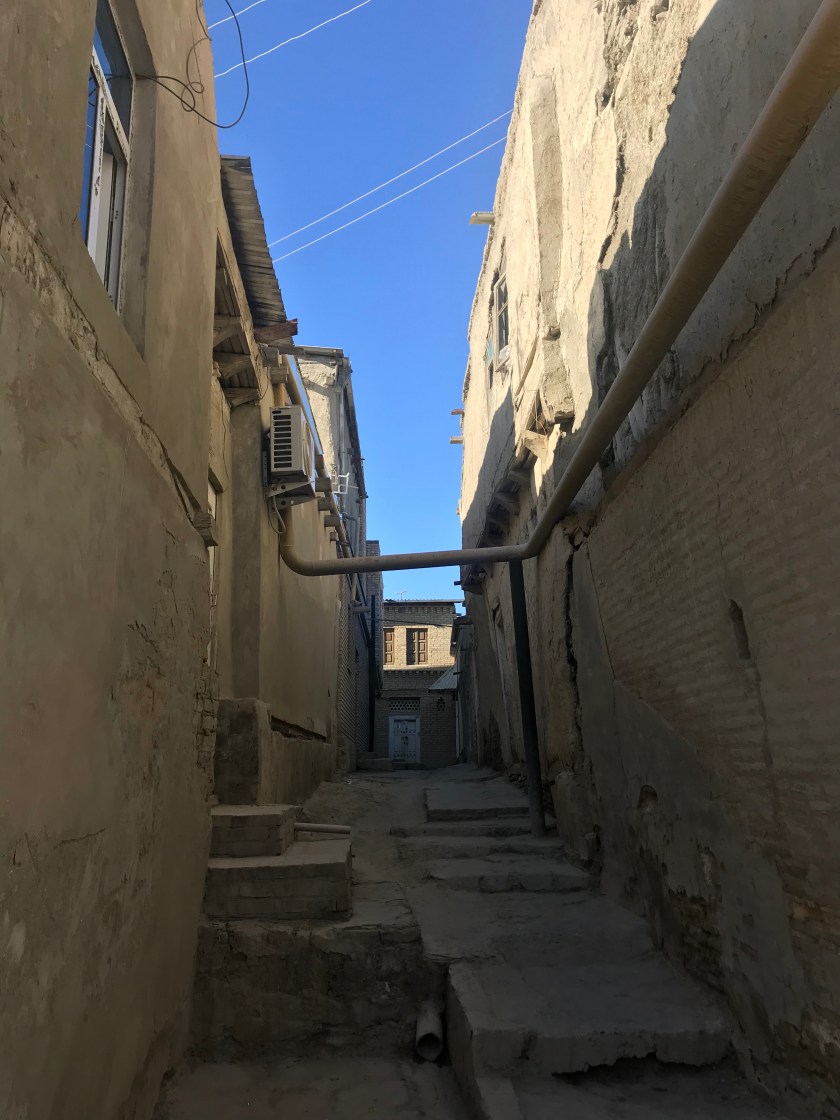
We skip the next tour activity which is to go to the carpet and textiles workshop and instead we wander through the streets, taking in a few more of the local buildings and sussing out where the locals live. The homes are very basic on the small side streets:

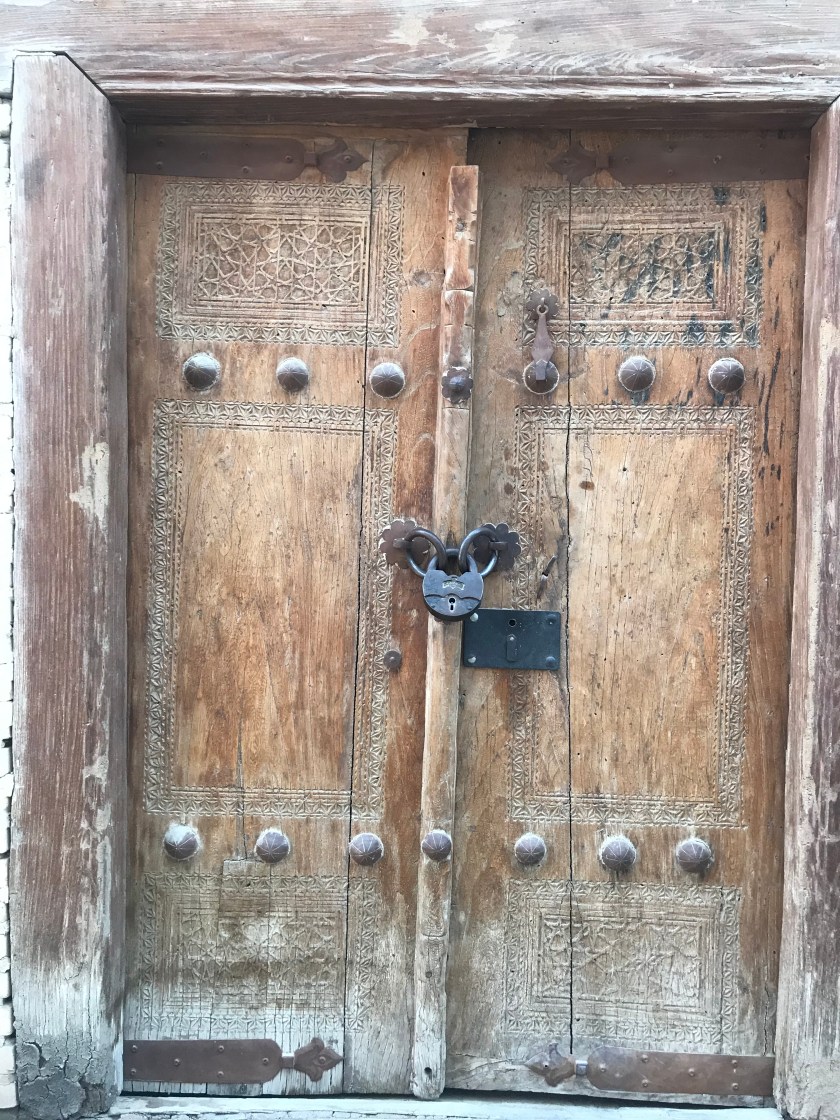
Many of the homes are behind large doors which open onto a courtyard.

Here, similar to Samarkand, they are separating the historic area from the local homes.. this sheeting is so ugly… hopefully in time when they’ve restored buildings and built some better infrastructure they’ll take them down.

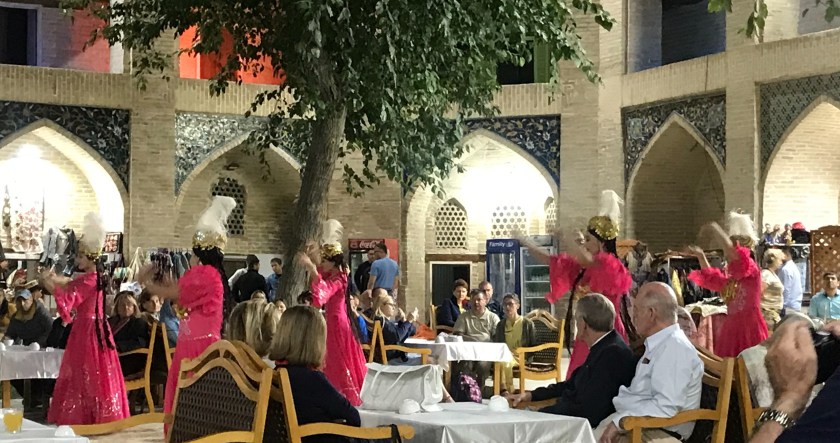
We have a group dinner with a folklore and music performance tonight. It’s in one of the old domes where trading on the Silk Road took place. There’s a mixture of traditional dancing and fashion show….

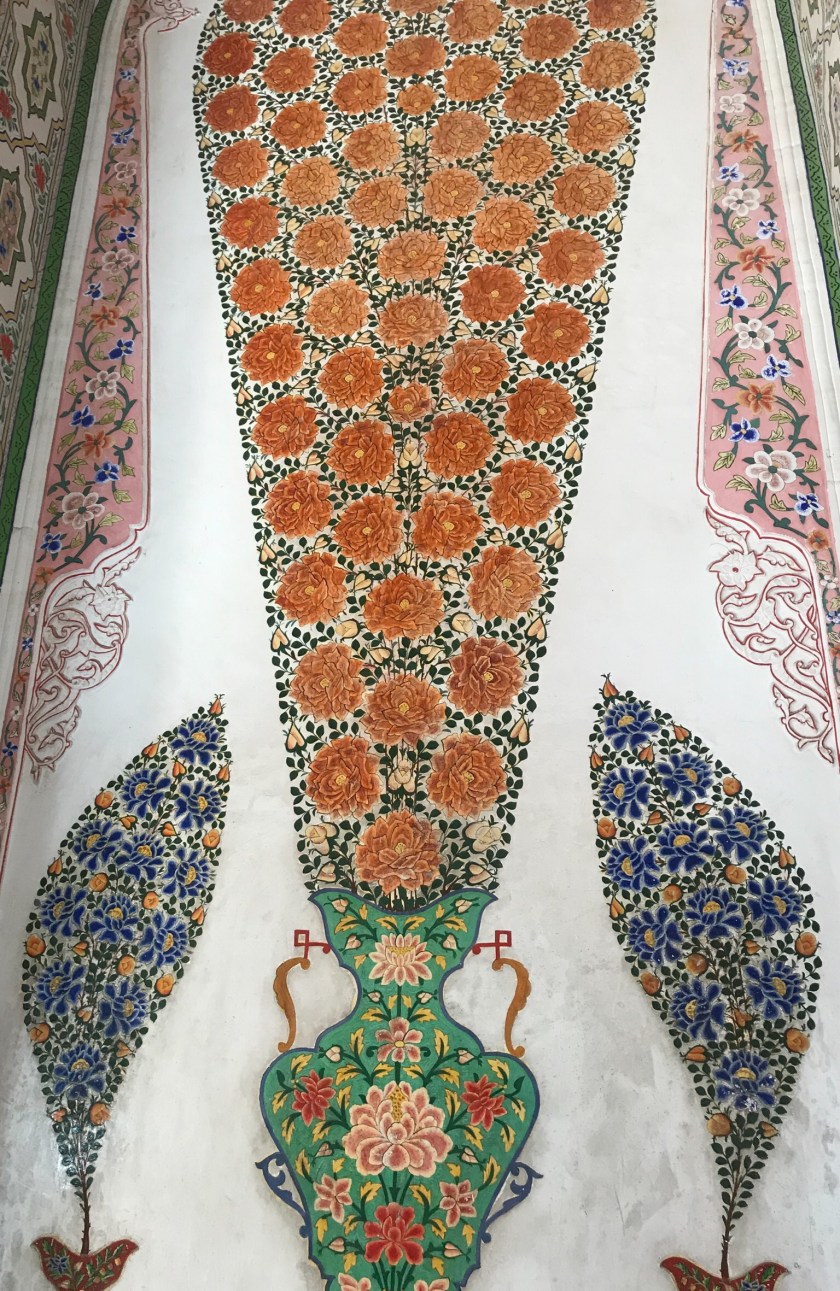
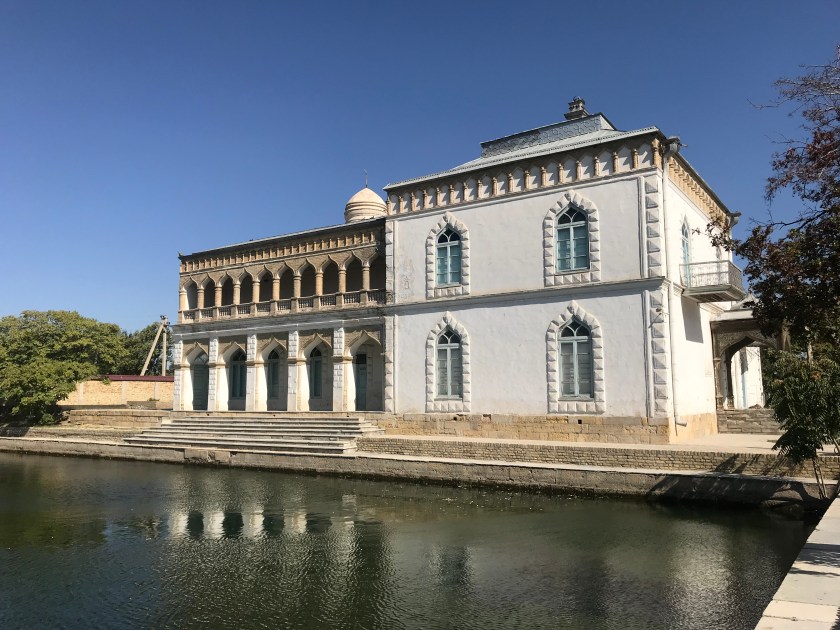
Day 7: We start with a visit to Sitorai Mohi Hosa (Star and garnet garden), which was the summer palace of the last emir. Its opulence is reflected in the combination of local and European influences in its designs and furnishings. The halls are richly decorated with carpets and paintings and I particularly like the coloured flowers on the walls.

He had four wives and forty concubines who lived in this harem. The pool in front of the harem, where allegedly the women “frolicked” is overlooked by a wooden pavilion from which the Emir supposedly tossed an apple to his chosen bedmate… the state of him!

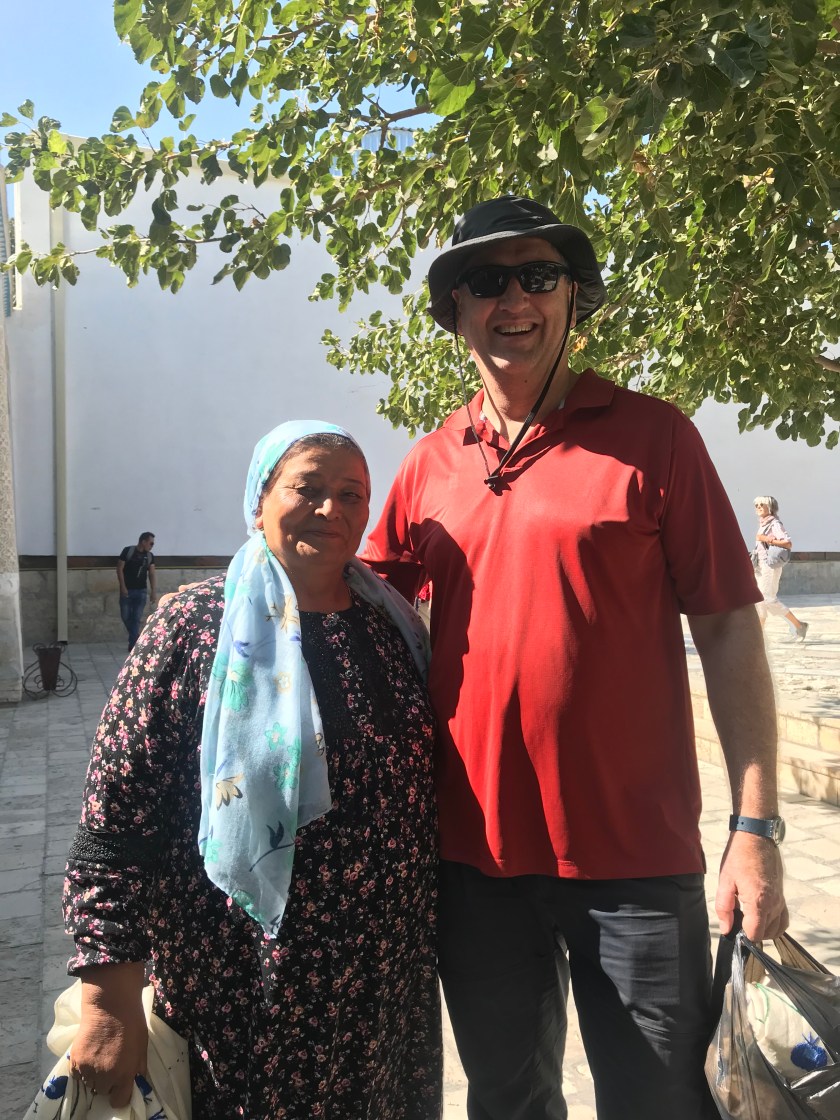
Leaving the palace I buy a couple of hand embroidered tablecloths from a lady. I point to my camera to ask if I can take a picture with her and she smiles and seems only too delighted to. Like a flash she’s moved beside Shane and put her arm around him! We have a giggle with her and she runs back to her shop to get a small purse as a gift for me and she blows me a kiss!

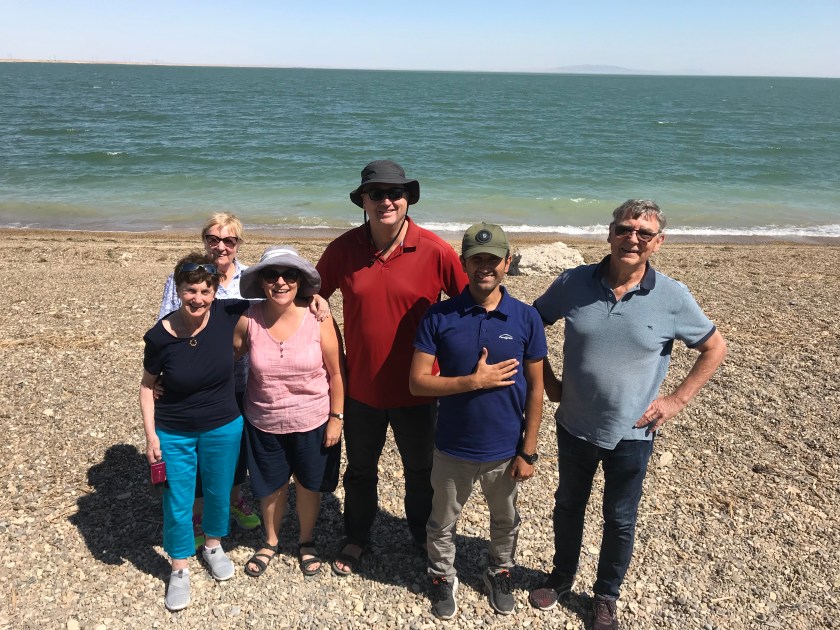
Next there’s an opportunity to visit lake Tudakul which is a huge lake measuring 427 hectares that looks more like a sea in this double landlocked country. [side note: Uzbekistan along with Liechtenstein are the only double landlocked countries in the world]. There are even waves and we have a little paddle.

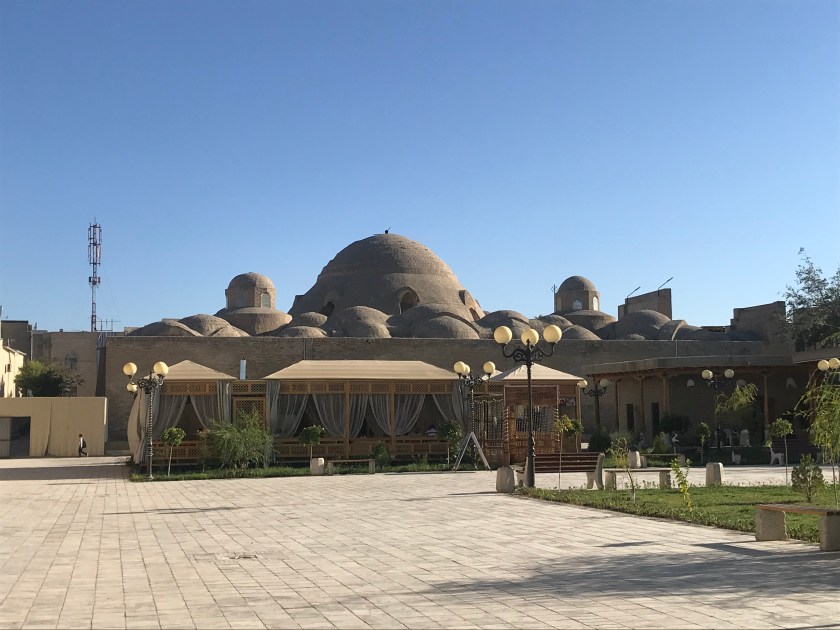
Back in town, after another great lunch, we visit the city’s trading domes (covered bazaars) which still offer an intriguing and colourful array of goods including embroideries, jewellery, spices and handicrafts. In the 16th century Bukhara was a major trade, craft, and administration centre on the Great Silk Road. The city was famous for its bazaars, places of trade, meeting and entertainment. The reigning dynasty built a great dome over the main crossroads and smaller domes over the side streets. At its peak, as one of the richest cities along the route, there are estimated to have been 50 bazaars and 75 caravans. Now there are only three of these domes left, but they still buzz with activity and give a glimpse of how things would have been.

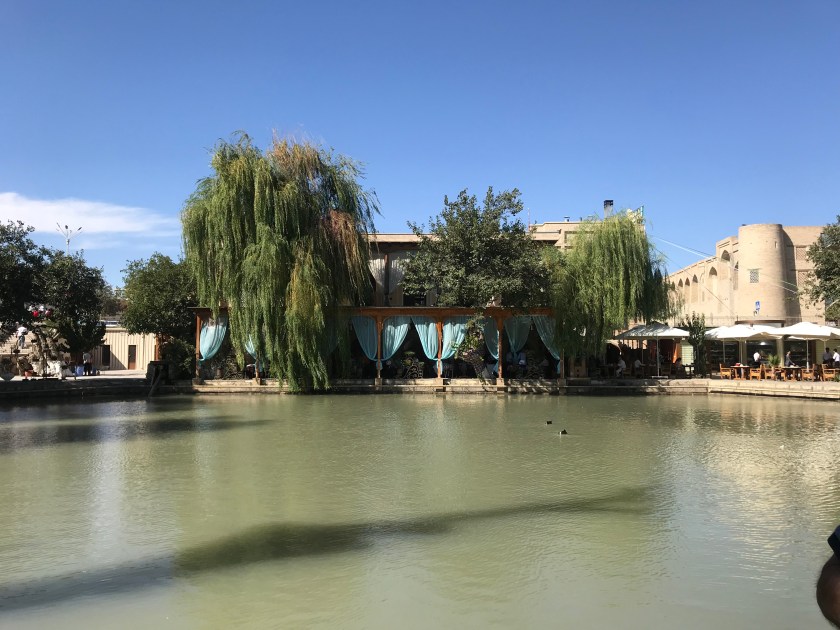
Our hotel (Maliki) is just off Lyabi Hauz – a pool of water surrounded by ancient mulberry trees, in the Old Town’s centre. We see ruins of the caravans – accommodation where the traders stayed when the caravans came through.

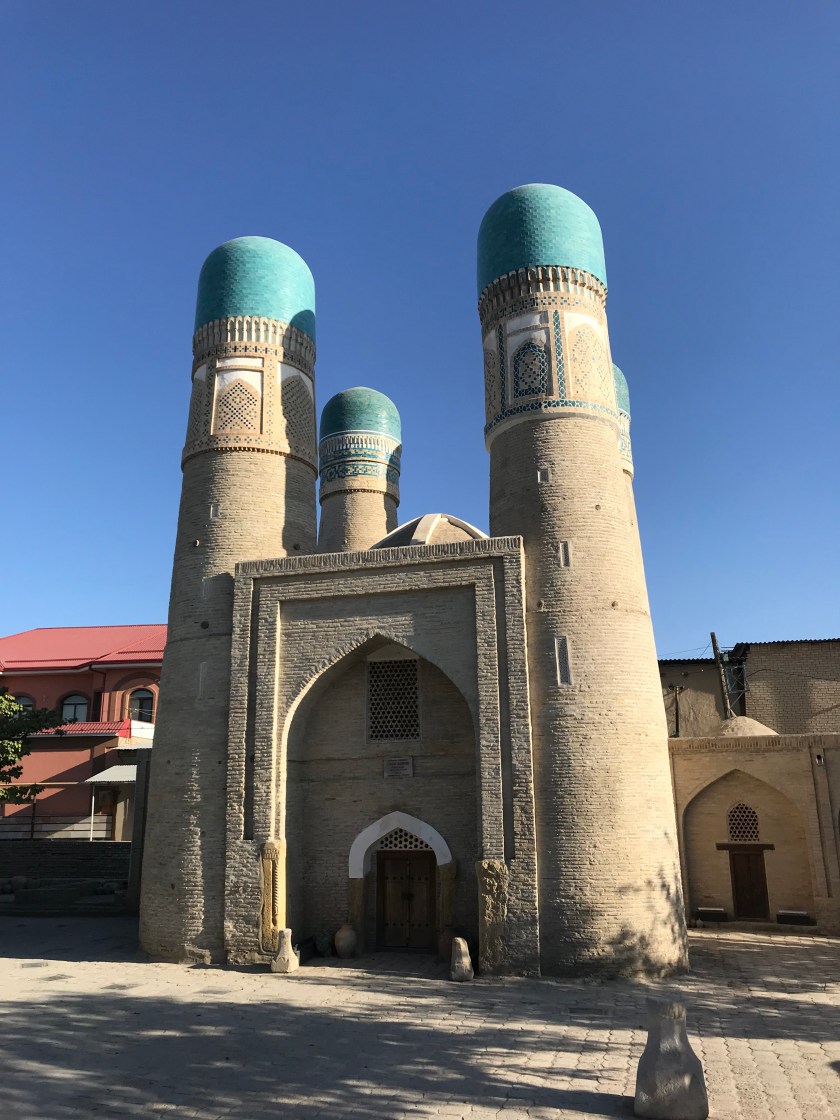
Next morning as we leave Bukhara, we do a quick stop at the unusual four minareted Chor Minor. From the road we walk through a maze of alleys and as it’s only just past 8am there are no other tourists around. It’s a small, photogenic building and a nice end to our tour of Bukhara.
Uzbekistan Part II – Samarkand

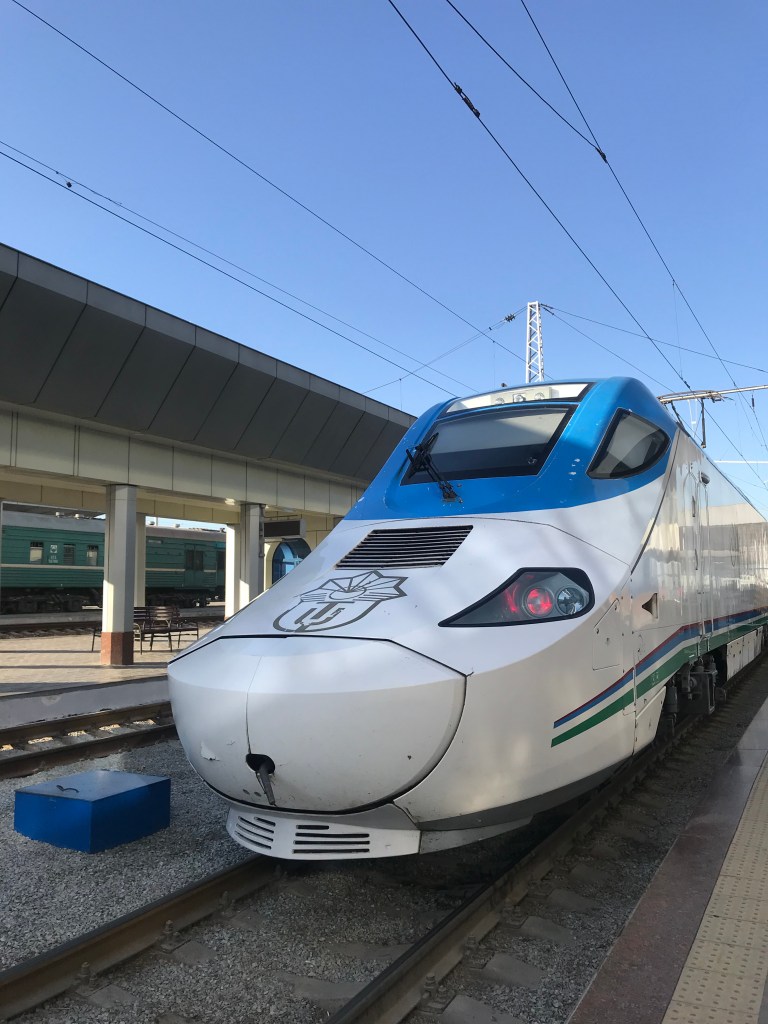
Day 3: This morning we have an early start as we are taking the high speed “Afrosiab” train to Samarkand. It takes just over 2 hours and is a fairly smooth comfortable ride in a business class seat! The landscape is flat and there’s not much of note along the way.
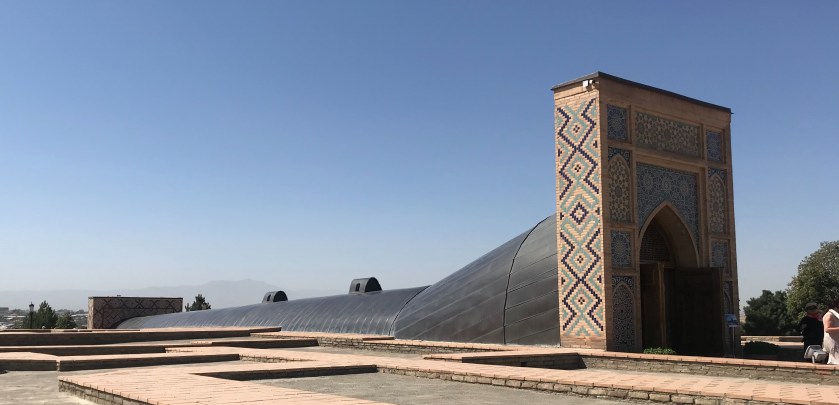
Samarkand has a rich history and been ruled by many including Alexander the Great who stormed its walls in 329 BC, Genghis Khan, Timur (who we heard about in Tashkent) and the Soviets, who declared it the original capital of the Uzbek SSR in 1924. We head to the Ulugbek Observatory, built in the 1420s by the astronomer Mirzo Ulugbek. He was actually a grandson of Timur and this observatory is considered to have been one of the finest observatories in the Islamic world, before it was destroyed in 1449. It was used to observe the sun, moon and other celestial bodies and he used this to determine the length of the solar year and determine noon time each day.

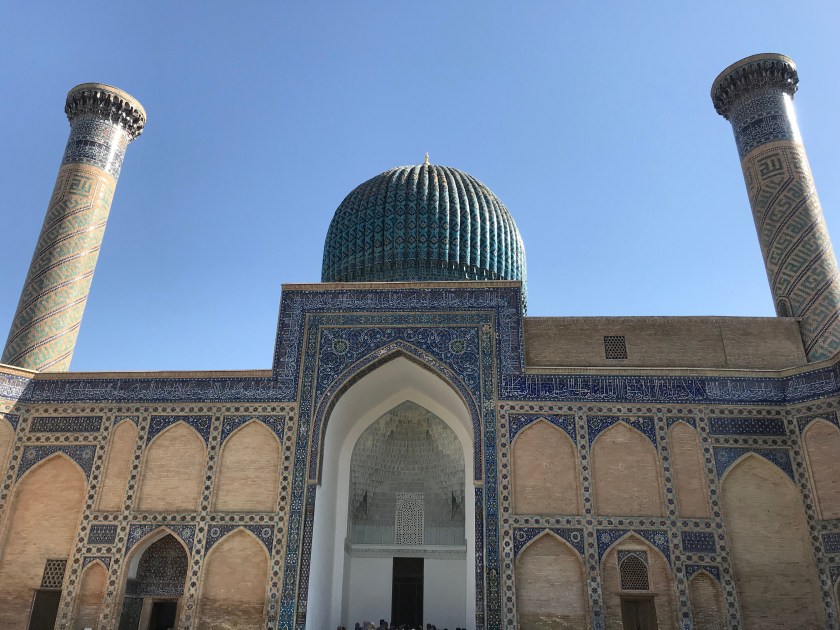
Next we visit the Gur Amir Mausoleum – the final resting place of the mighty Timur and his sons and grandsons. The city flourished under his rule in the 14th century. For a man of his stature, it is considered quite a simple tomb but it looks amazing to me! Ulugbek is also buried here.

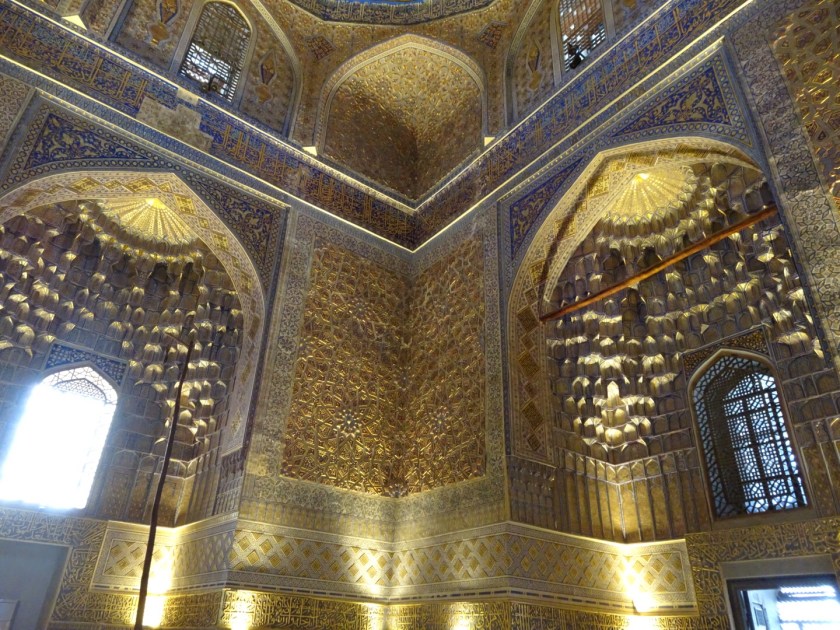
The tiling and gold design on the inside is very impressive:

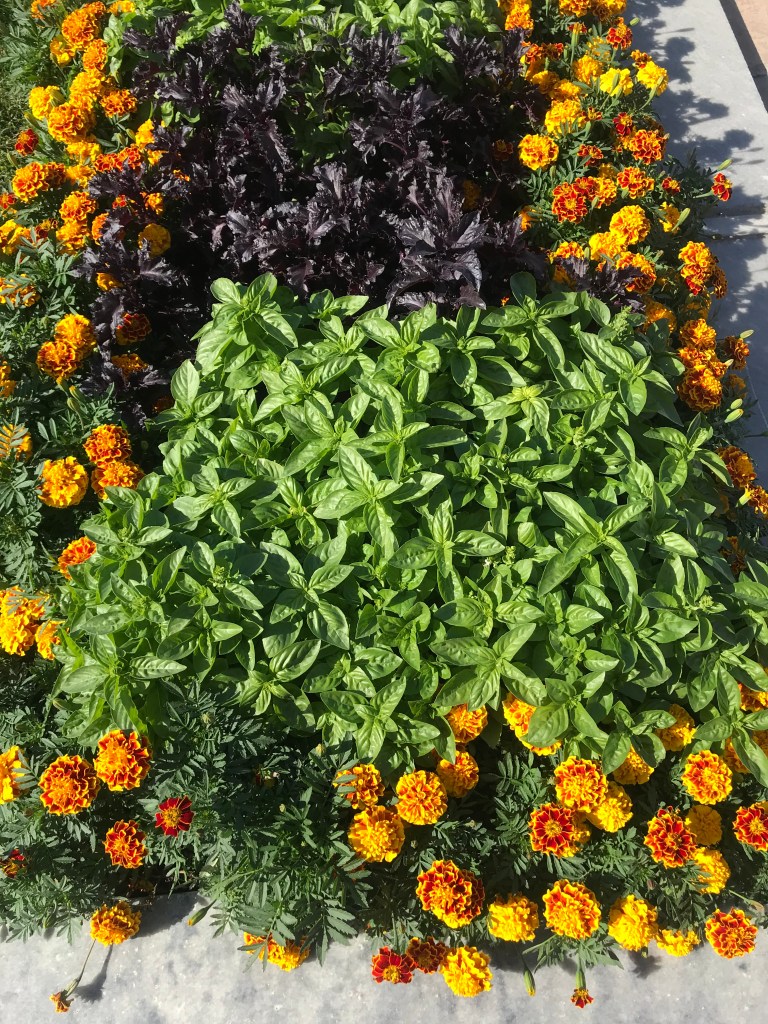
We notice there is basil planted decoratively everywhere. I would definitely be picking some of that if I was at home!

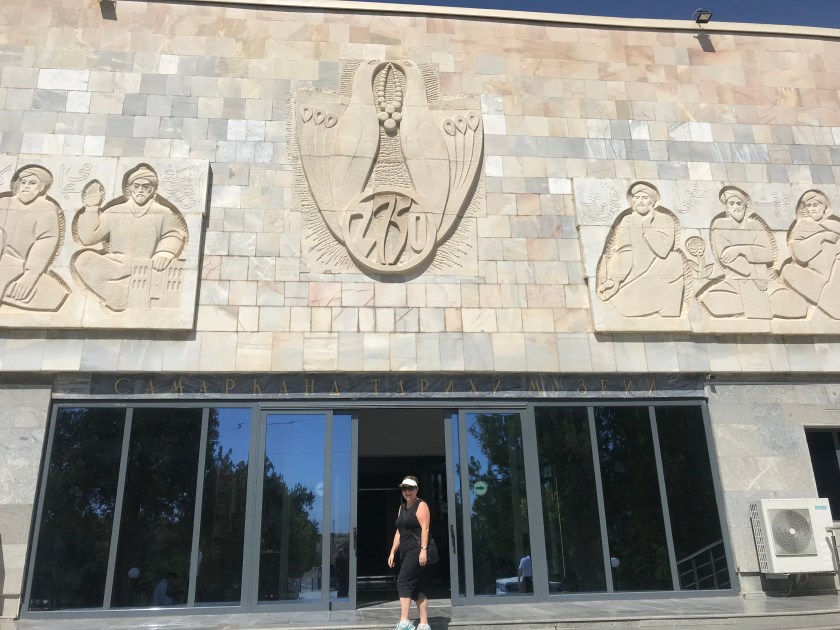
We finish the day’s tour with a stop in the Afrosiab Museum. Afrosiab is the name of the hill close by and we see where excavation works unearthed many artefacts.

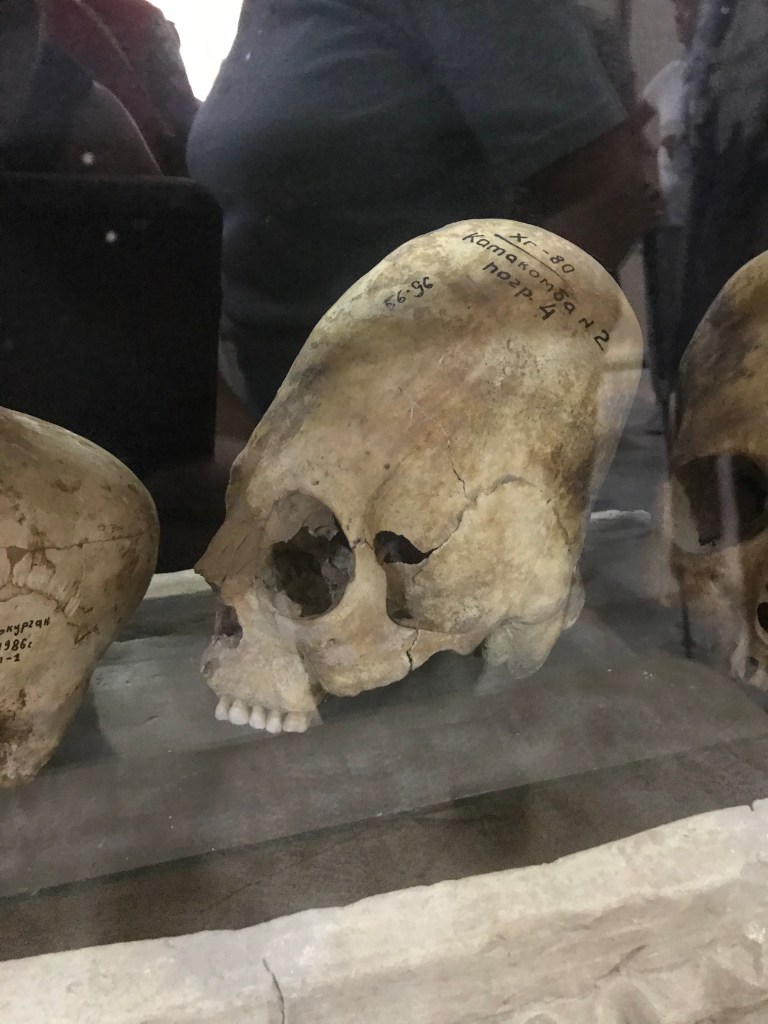
I recently watched Joanna Lumley on her Silk Road adventure and she came to this museum to find out about the Sogdian kingdom which was in existence around the 7th century. The Sogdian kingdom was very powerful and they distinguished themselves from other tribes by binding their heads so the skull took on an elongated shape.

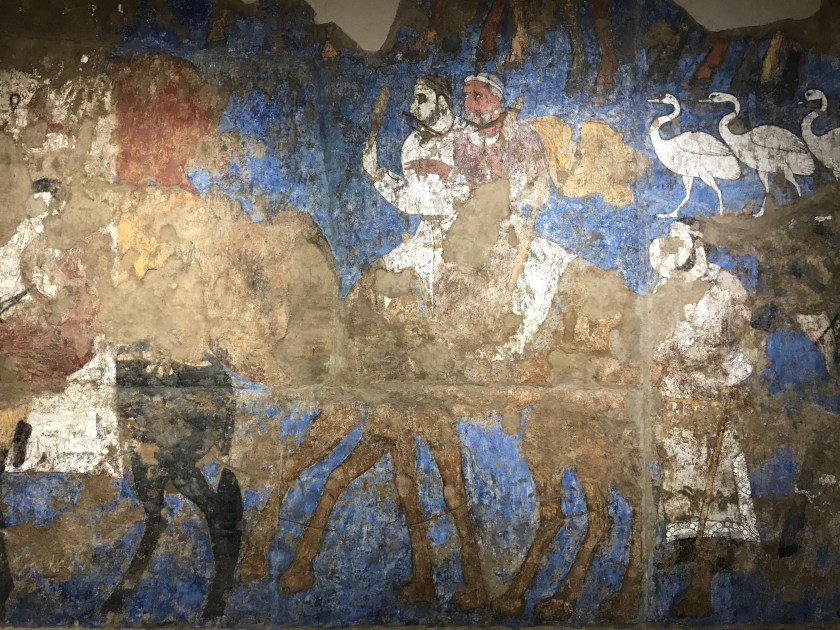
We see some original 7th century frescoes of the Sogdian King Varkhouman which depict people from other countries bearing gifts – it shows how powerful they were.

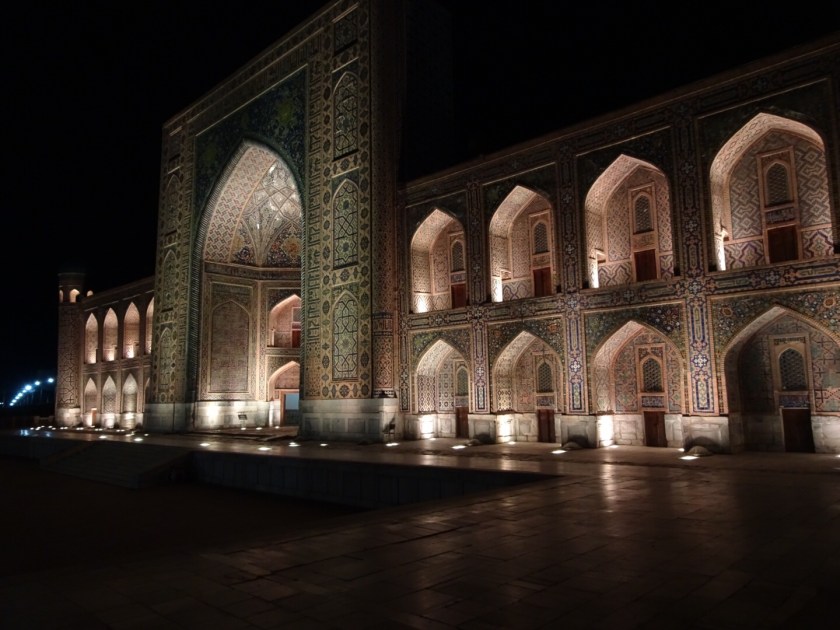
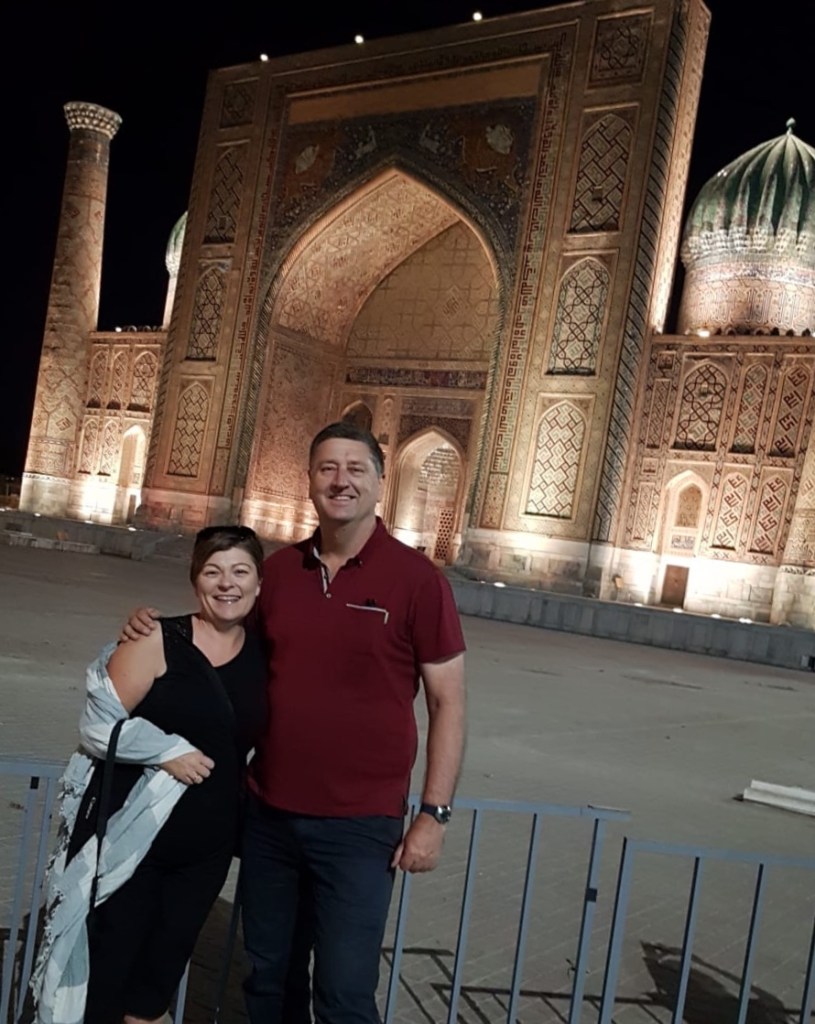
The big draw in Samarkand is The Registan. It’s on our tour for tomorrow but it’s walking distance from out hotel so we decide to check it out on our way to dinner…it’s very impressive but unfortunately the powers that be have decided to wall off the surrounding areas so there are walls and metal sheets separating the historical tourist area from the locals housing. Hopefully in time, as tourism grows, they’ll integrate the local surroundings with the tourist attractions.

We find a restaurant with a beer garden where we sit outside and have a great meal of shashlik (meat on a stick), salad, bread and a bottle of local wine. We check out the Registan again after dinner so we can see it lit up at night.

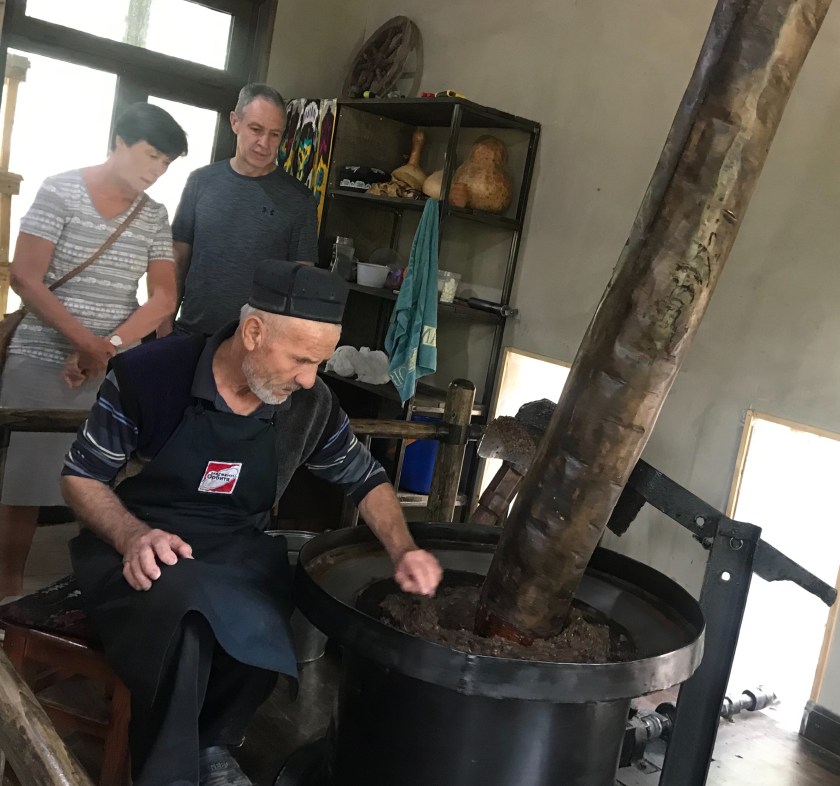
Day 4: We start our second full day with a visit to a paper making workshop where they continue the art of making paper by hand. (It’s a similar process to what I saw earlier this year in Myanmar but the finished product is quite different.) We also get to see the sesame oil being produced and taste some “wine” made by this man!

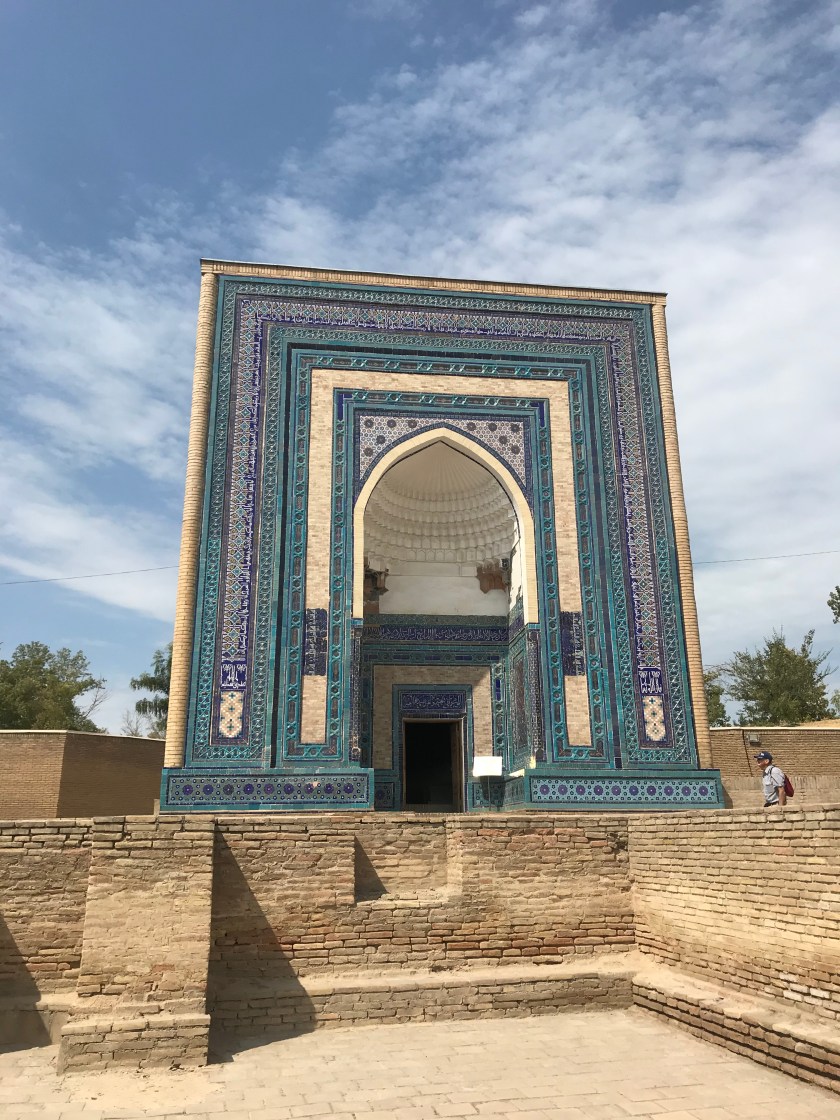
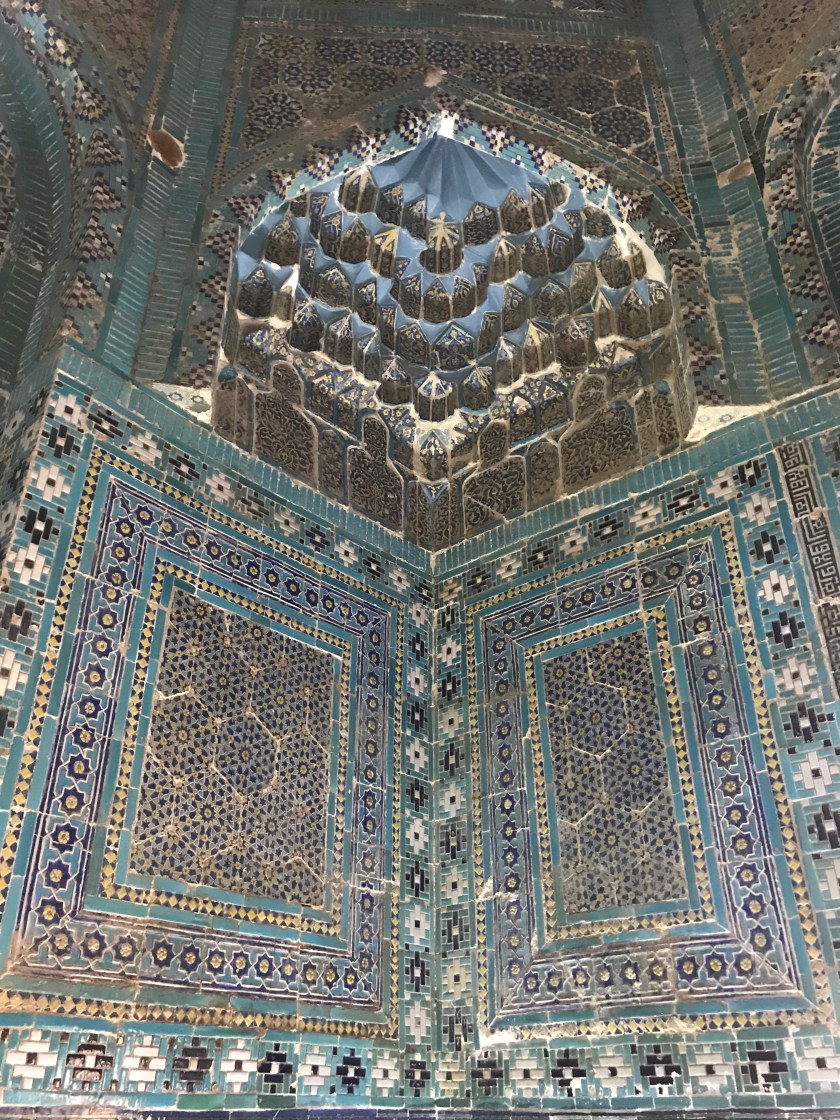
Next stop is a highlight of the tour for me – the official name is the Shah-i-Zinda complex but it’s known as the necropolis. It has more than 20 beautifully decorated unique buildings. It’s a holy site for local Muslims and is where the Prophet Mohammed’s cousin is buried.

The decoration inside the temples is amazing

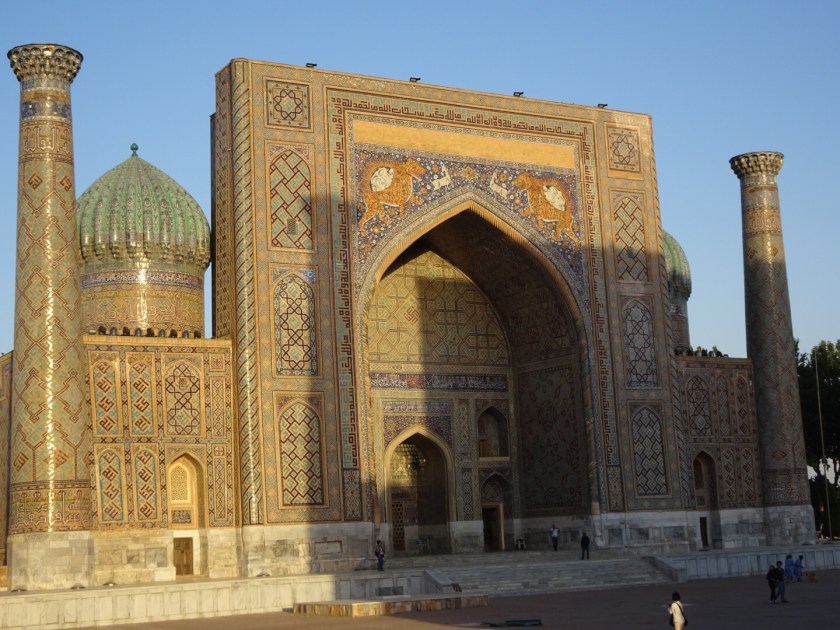
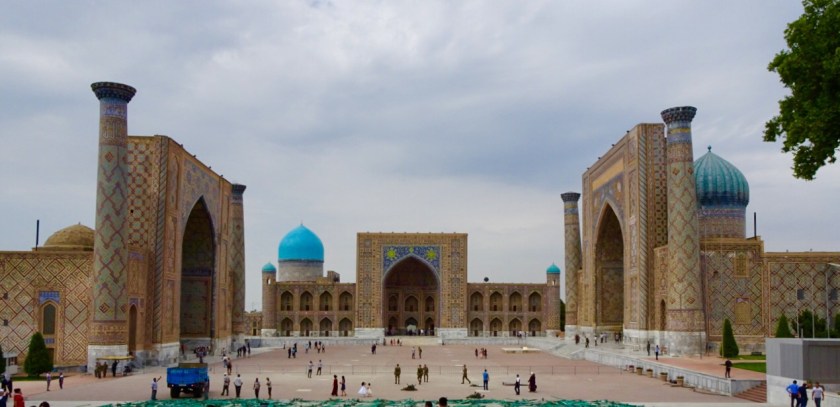
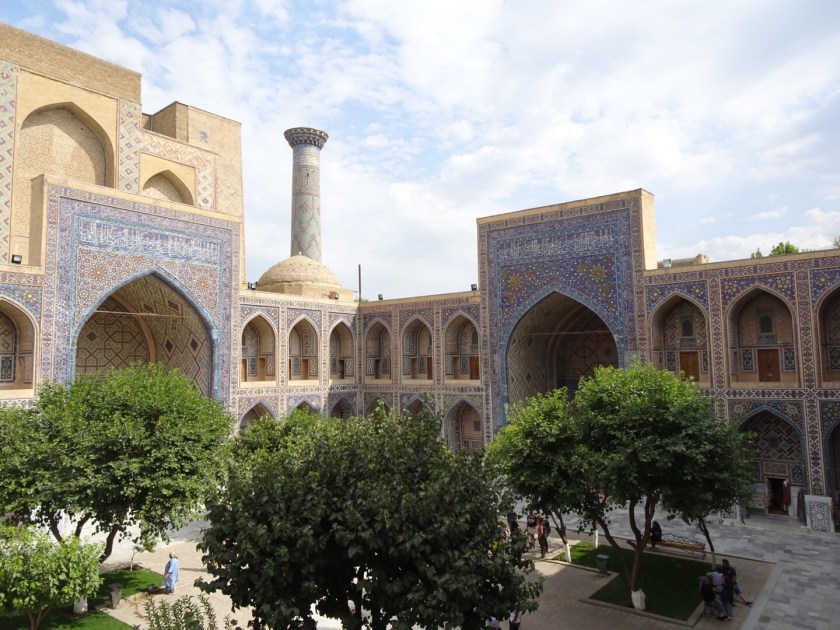
After lunch it’s time to see what is generally the highlight of a trip to this city – the iconic Registan Square. It’s a bit cloudy so we’re delighted we got to see it last night before and after sunset. It has three medressas (Ulugbek, Sher Dor and Tilla-Kari) towering over you. The facades of the two medressas facing the central square are decorated in elaborate mosaic, tiles and intricate geometric brickwork, flanked by towering minarets and topped by azure-hued domes.

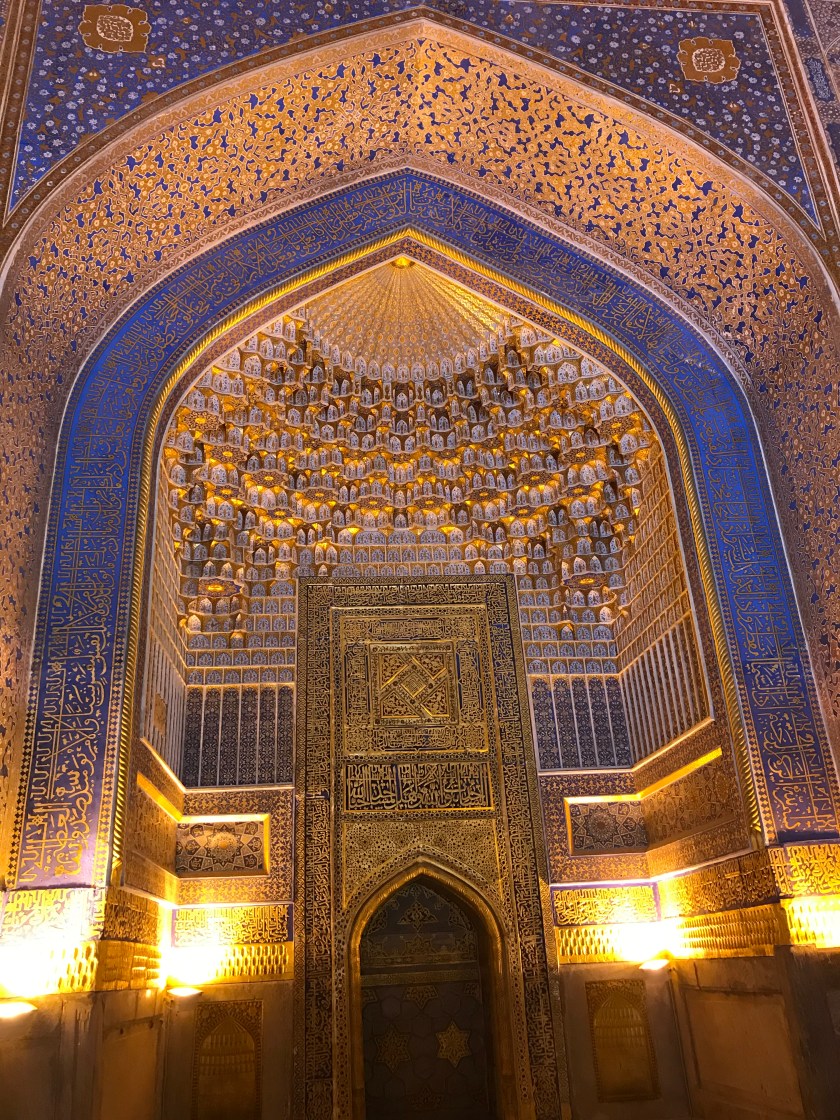
The interiors are just as impressive, in particular the gold work:

There are handicraft and souvenir stalls in the courtyards and back in the day the Silk Road traders would congregate in the main square.

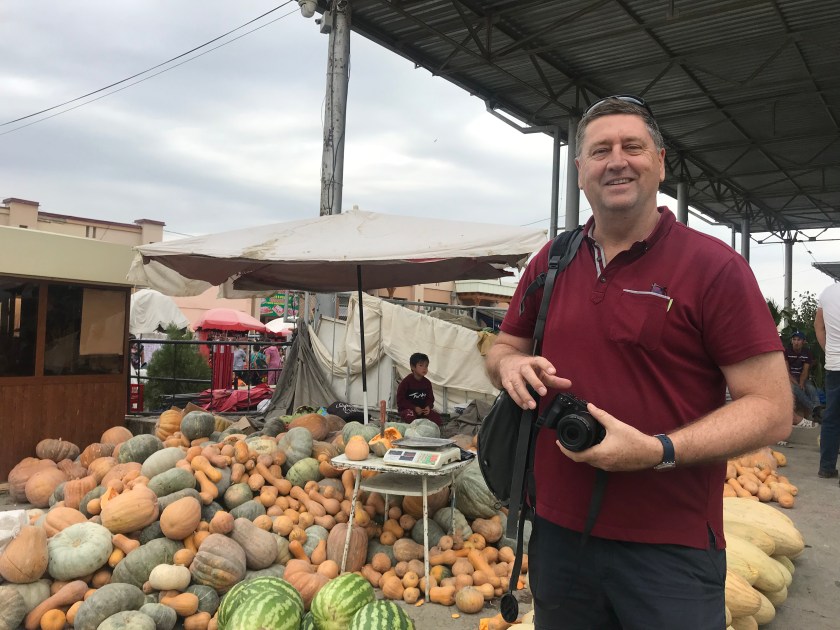
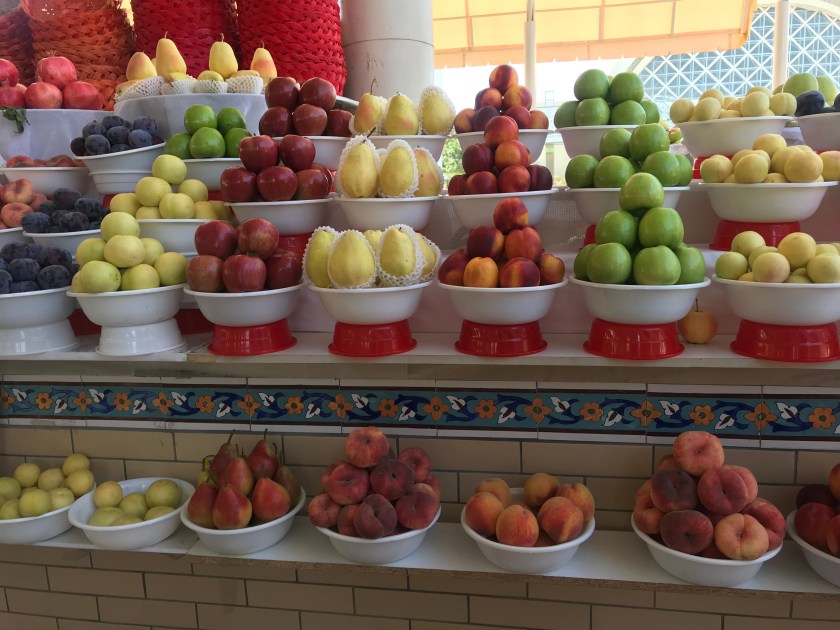
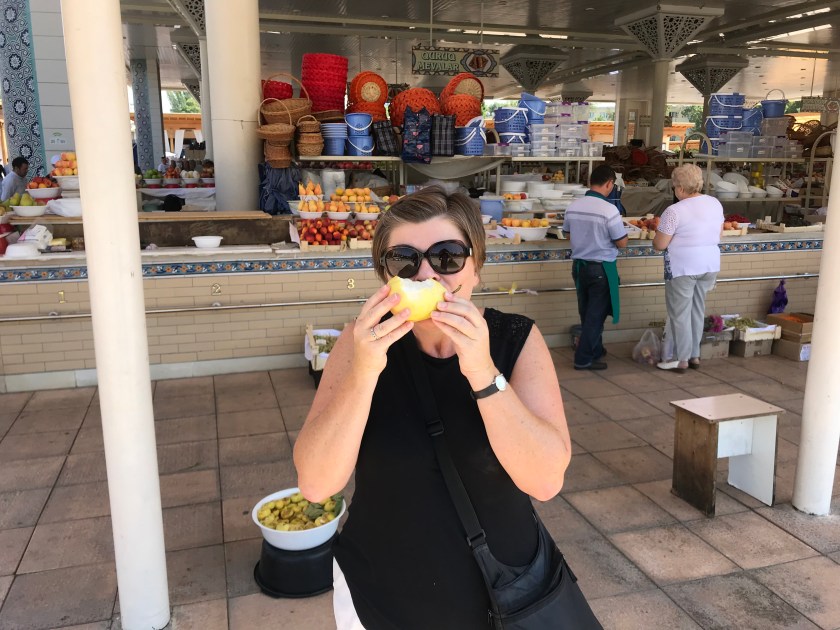
Speaking of the silk road….. Samarkand was established as a city in the 5th century BC, and was a key trading centre along the Silk Road. It was not only a centre for traders but also artisans. We hit the Siob Bazaar close by the Registan with bustling stalls and a huge array of produce. You can imagine this place hundreds of years ago trading in spices and exotic goods.

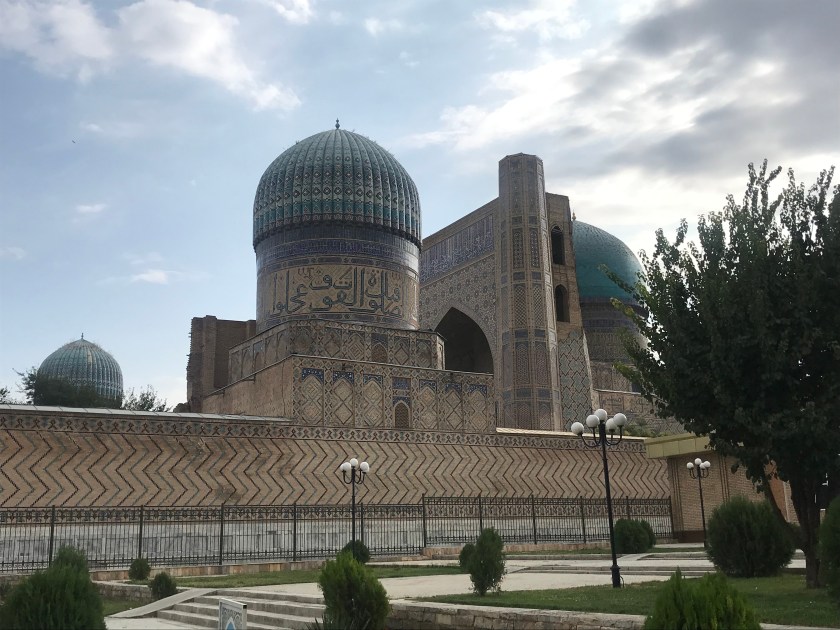
The bazaar is beside the Bibi-Khanym Mosque which was built by Timur for his wife. As such it is often compared to the Taj Mahal. We get in trouble (by another guide) for laughing too loud at the story Fazli is telling us about the builder who wanted a kiss from the queen. I can’t remember all the details but we were definitely embellishing them and giggled just a bit too loud for the other (all male and clearly sensitive!) tour group.

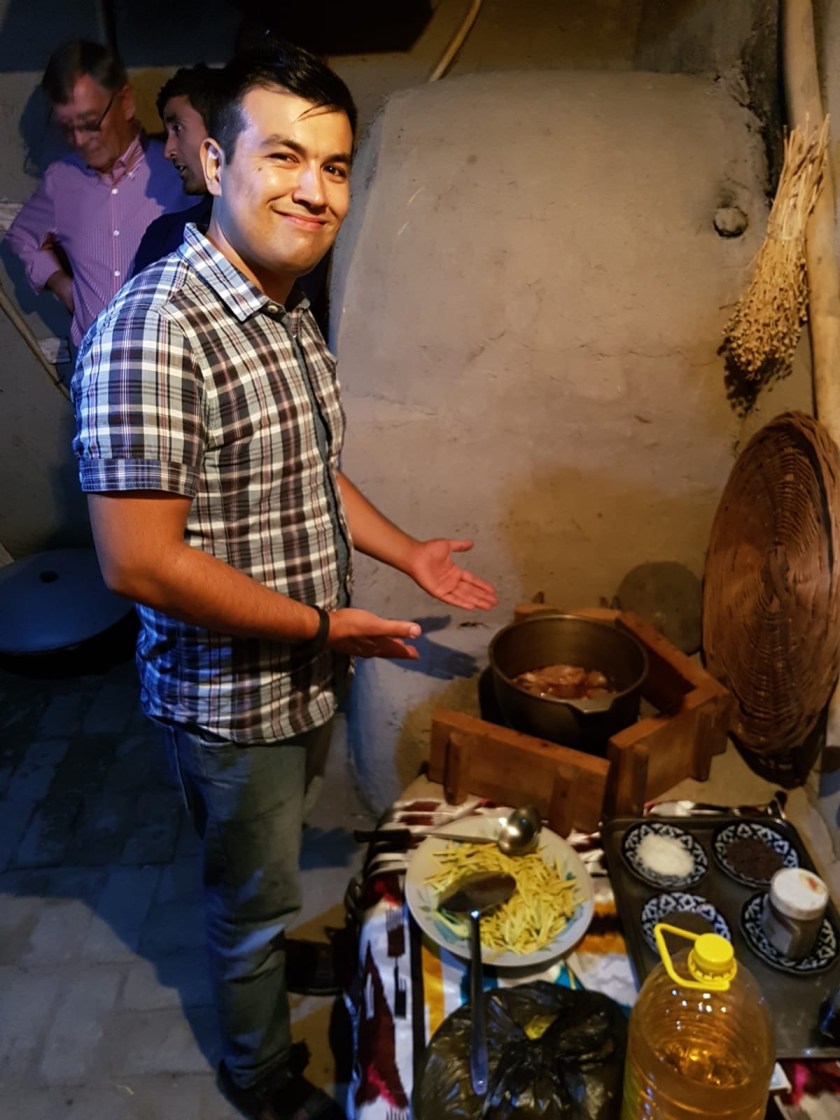
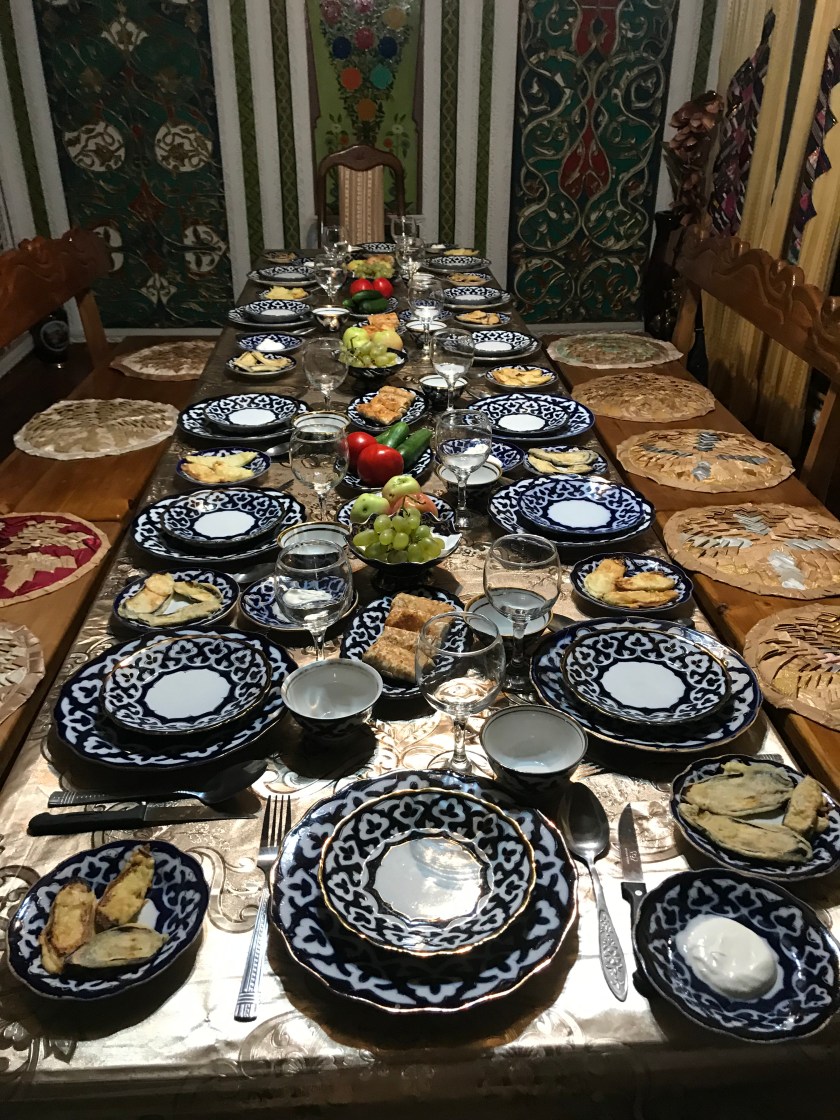
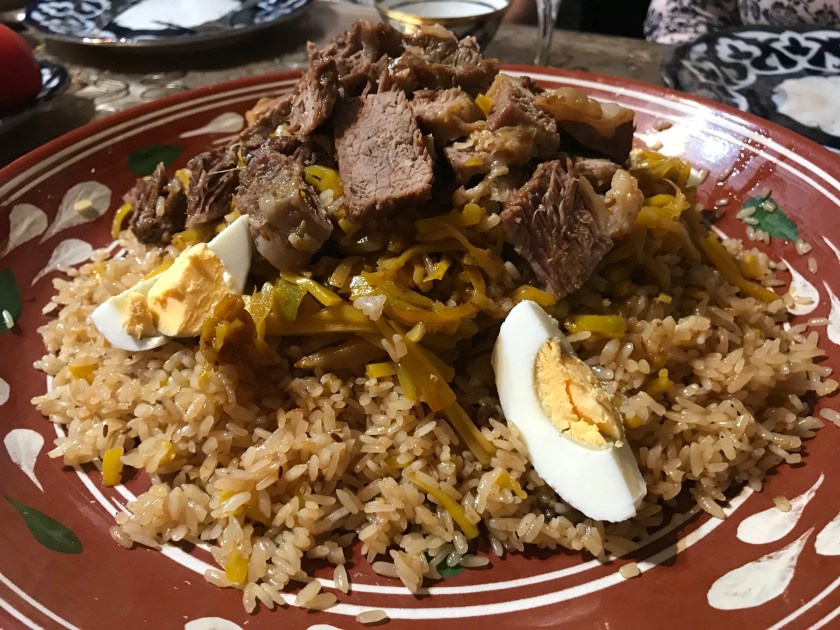
Tonight for dinner we are going to a local family for a cooking class on the traditional meal Uzbek meal – plov. Uzbek men pride themselves on their ability to prepare the most unique and scrumptious plov. This dish is cooked over an open flame in a cauldron and is a combination of rice with fried and boiled meat, carrots, raisins and spices.

There’s not a huge amount of spices and it’s not spicey hot – it has caraway seeds, salt and pepper. It’s very tasty though…

The next morning we have some free time so we take a walk around the Jewish quarter and among some of the streets were the locals live. Check out how recycling conscious they are with this retaining wall!

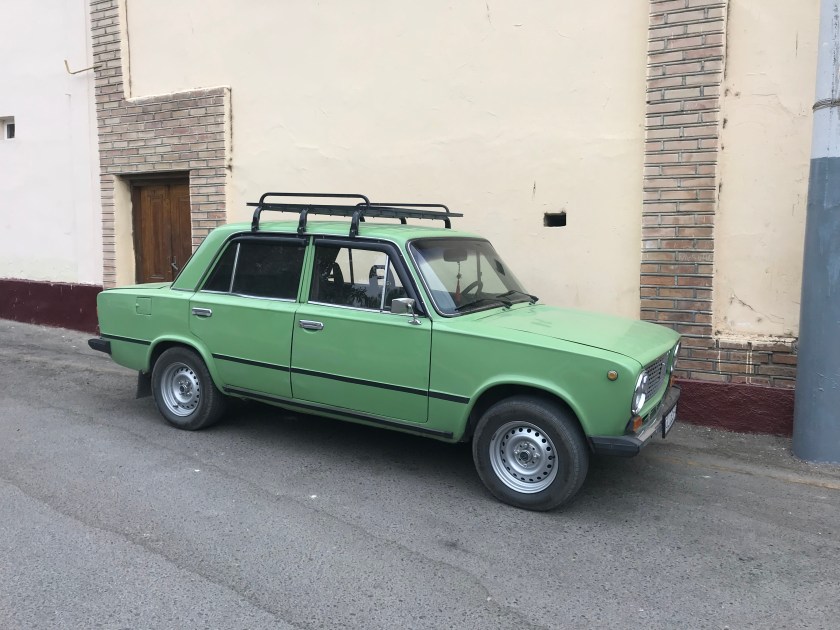
There are a lot of old ladas on the road..

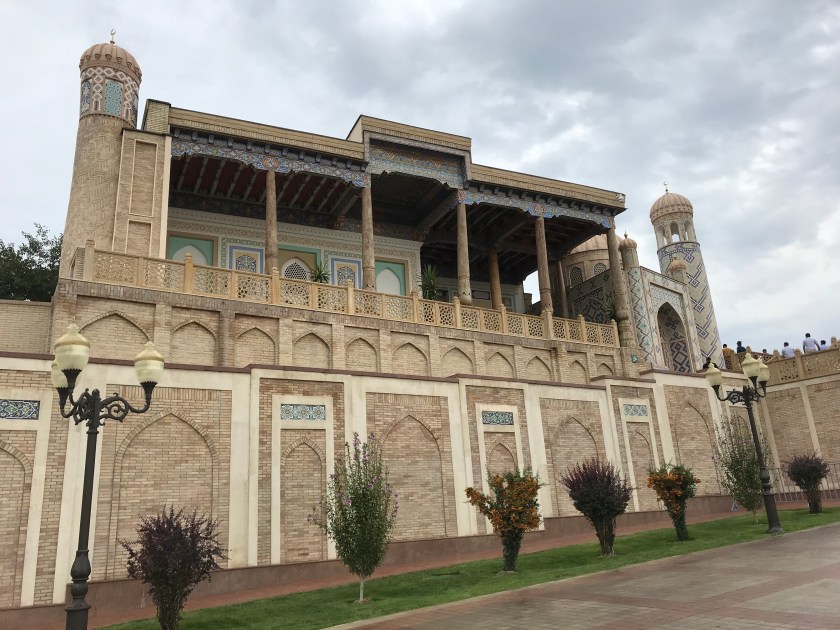
We visit a newly built mosque

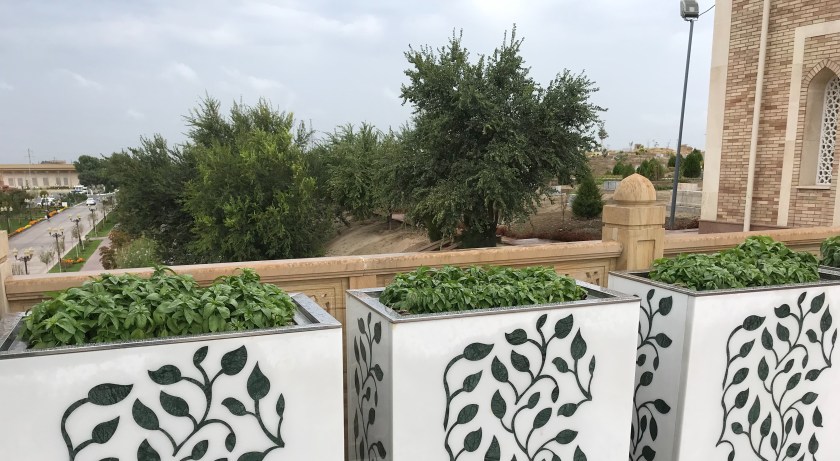
More basil..

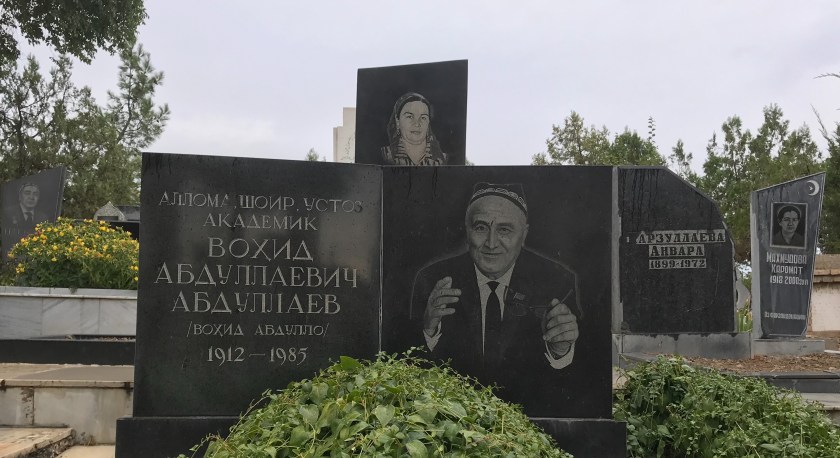
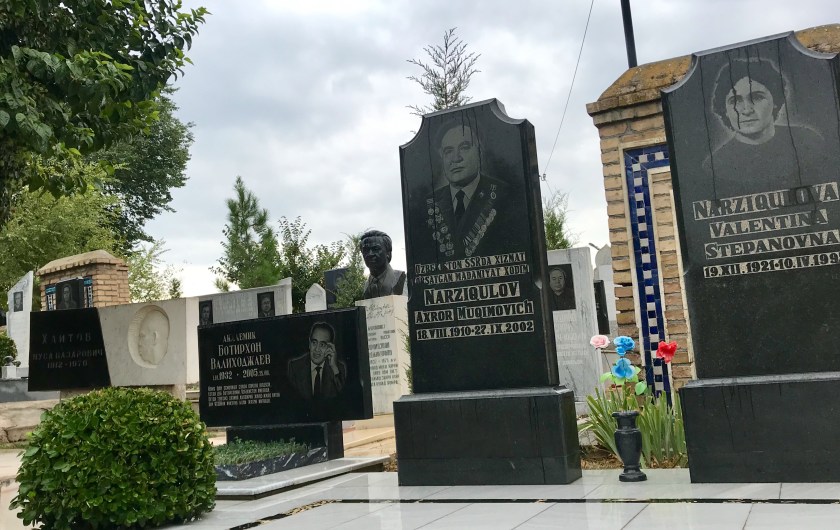
It starts to rain a bit but we explore the local graveyard which is very interesting

After another traditional Uzbek lunch we board the bus and set out for Bukhara.

Uzbekistan Part I – Tashkent

Today I fly from Ljubljana via Moscow to Tashkent, which is the capital of Uzbekistan. It takes all day to get here and I arrive at 2:30am local time. It’s an easy flash of the passport (no visa requirement) through emigration and there’s a transfer organised so it’s all fairly easy. Our organised tour starts tomorrow, well today…. but for now it’s time for a few hours sleep.

Day 1: We are staying in a central location in downtown Tashkent so we set out for a ramble to get our bearings and explore a bit of the city. Tashkent is the largest city in Central Asia with a population of over 2 million. It was part of the USSR until that fell apart and it got its independence in 1991. The city has a mix of Russian and Uzbek style and people; and all the signs, menus etc are in both Uzbek and Russian.

We find a bank to get some local money. The exchange rate is approx 10,000 som (cym) to the euro so we get a wad of notes and yet again I‘m a millionaire for a few days! We check out the local market and buy a really juicy pear.

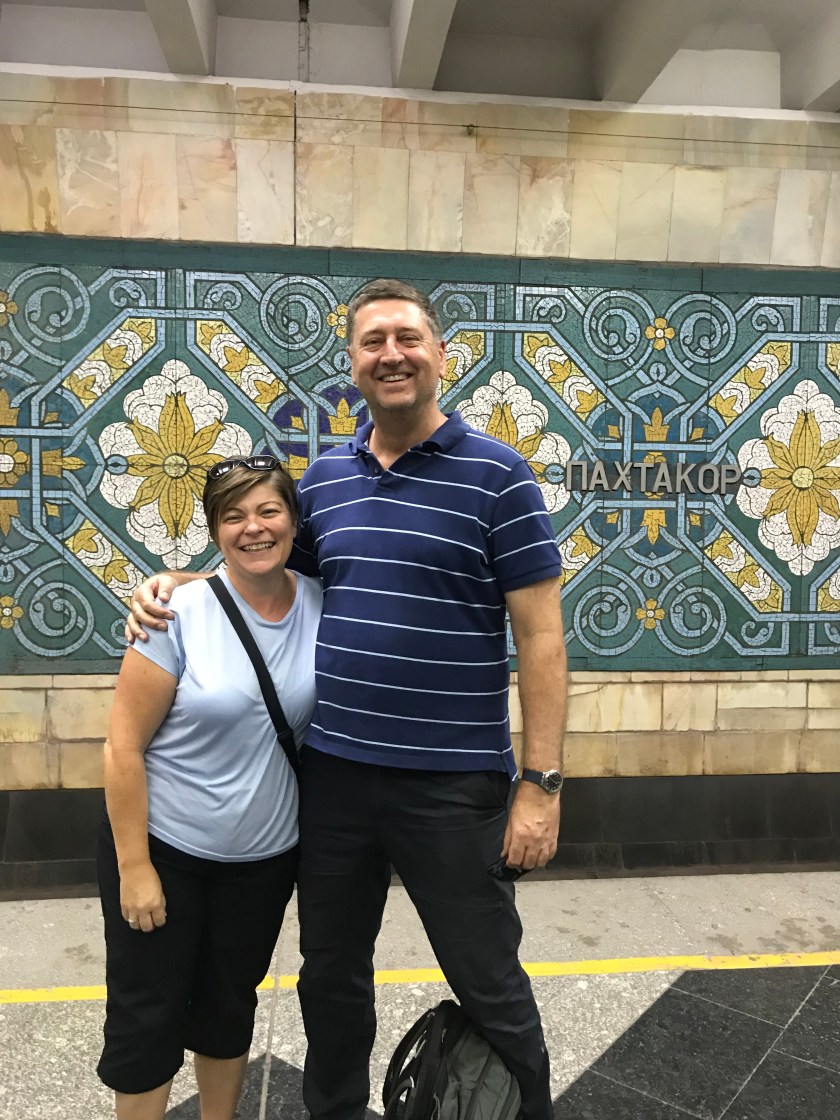
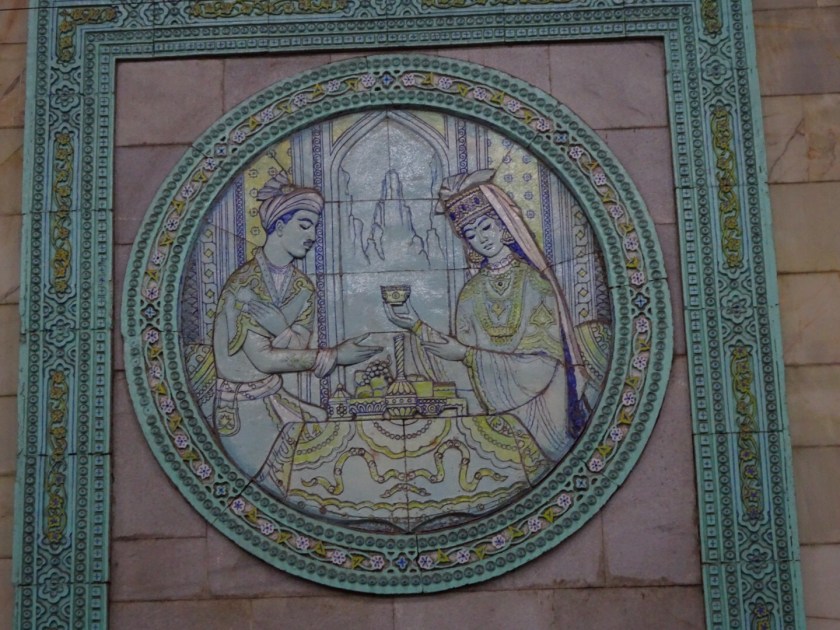
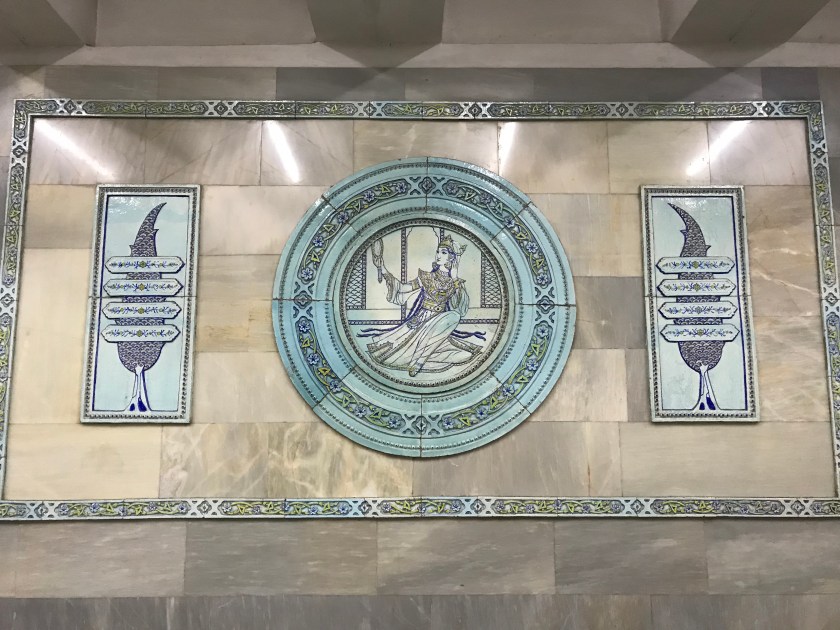
We walk around the streets and jump on the metro to check out a couple of stations as they are all individually decorated like in Russia. According to the guidebook you’re not allowed take photos in the metro but apparently that’s out of date and we can snap away!!

Some of the stations are like art galleries:

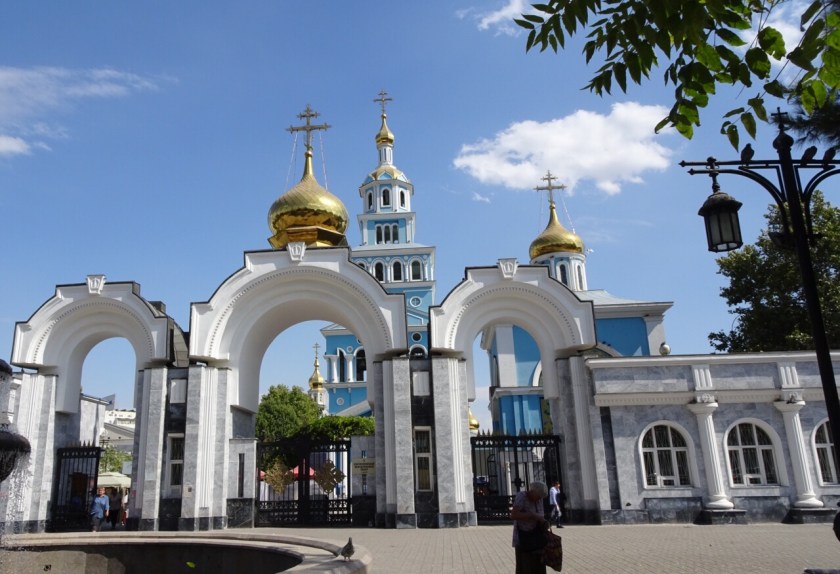
We visit the Orthodox Church – The Church of the Assumption which is recognised for its golden domes and blue facade. Inside it’s big and bright with a large iconostasis and lots of icons.

We spot a stall selling somsas which looks really popular so, as it’s just about lunchtime, we decide to try them out. They are piping hot and are delicious. We get a couple of meat and a couple of cheese and it costs us less than €1.

Throw in a cup of cider, for all of 10 cents, and that’s lunch sorted!

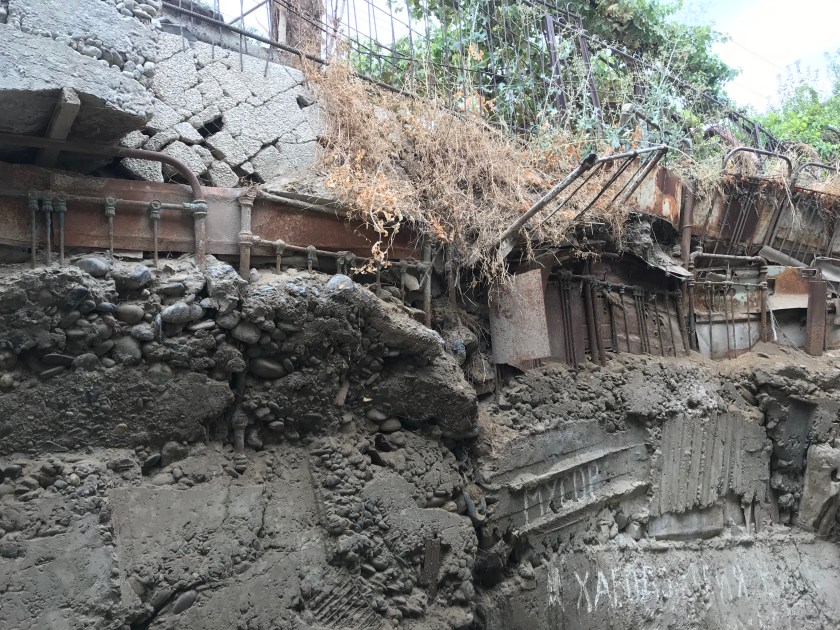
A bit more rambling around checking out the buildings and roads and avoiding uneven paths and ditches…. there are ditches along the side of every pathway and road – they’re an absolute death trap!

In 1966 a massive earthquake hit the area and levelled most of the city. It measured 5.1 on the Richter scale and left 300,000 people homeless. Most of the historic buildings were destroyed so the city was rebuilt mostly by the Soviets. There are a lot of older Soviet buildings and new more modern buildings built since independence in 1991.

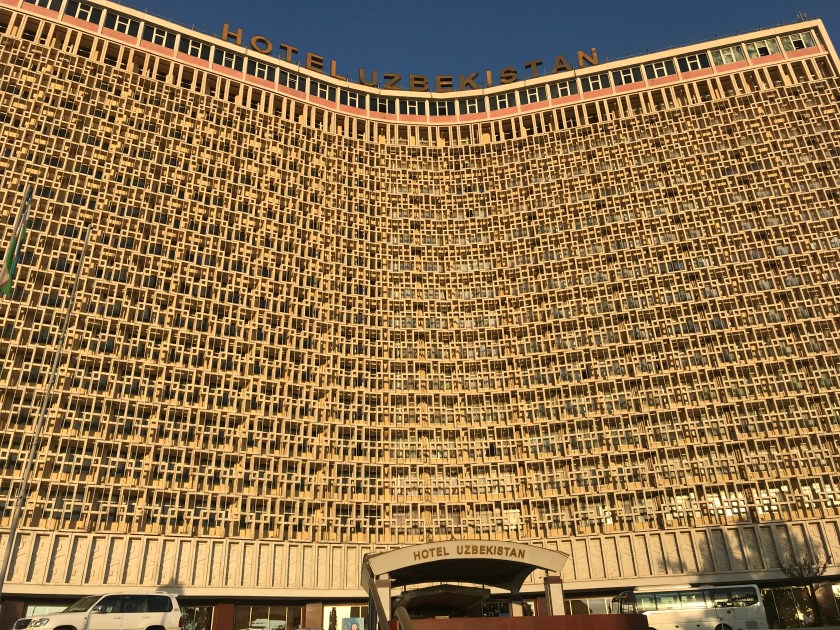
The famous Hotel Uzbekistan with its Soviet design is just around the corner. At night time it is lit up with different lights and advertising.

This evening we meet our tour group which consists of ten Australians plus me and one other older Irish woman from Dublin. Our guide is a young guy called Fazliddin aka Fazli. I’m definitely the baby on this trip… 😀

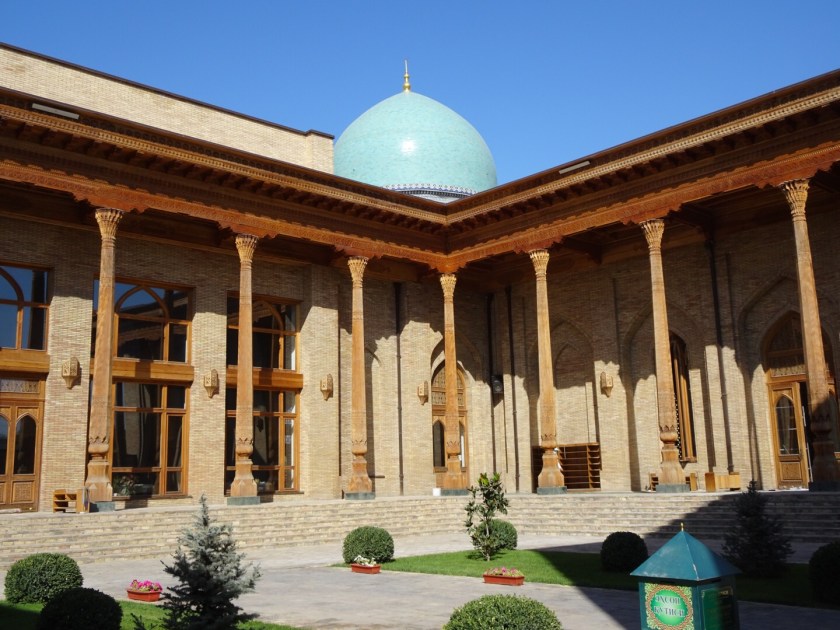
Day 2: Today we have a day of site seeing starting with a visit to the Khast Imom Complex which has a fairly newly built mosque .. it looks old but it’s fairly new…

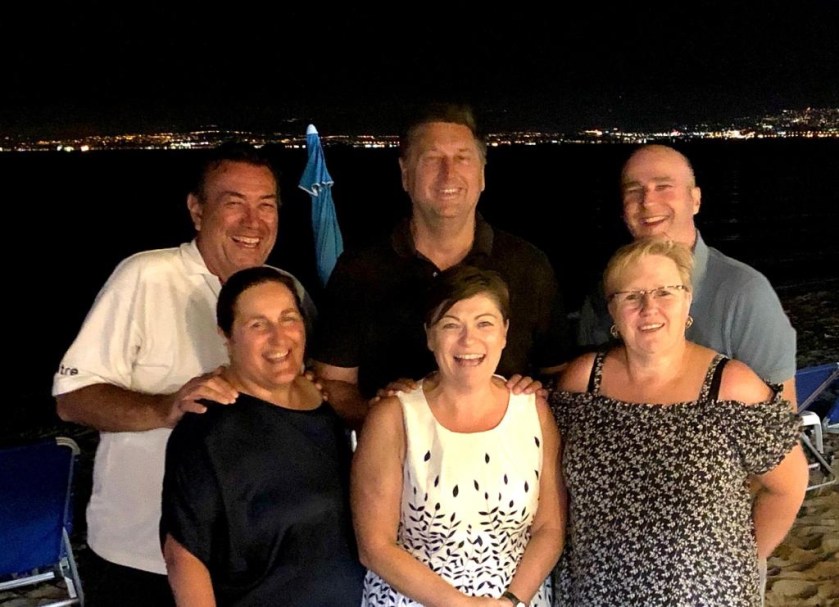
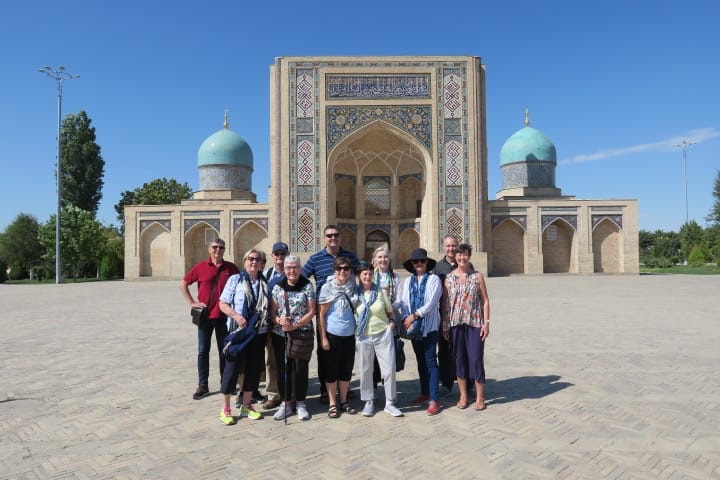
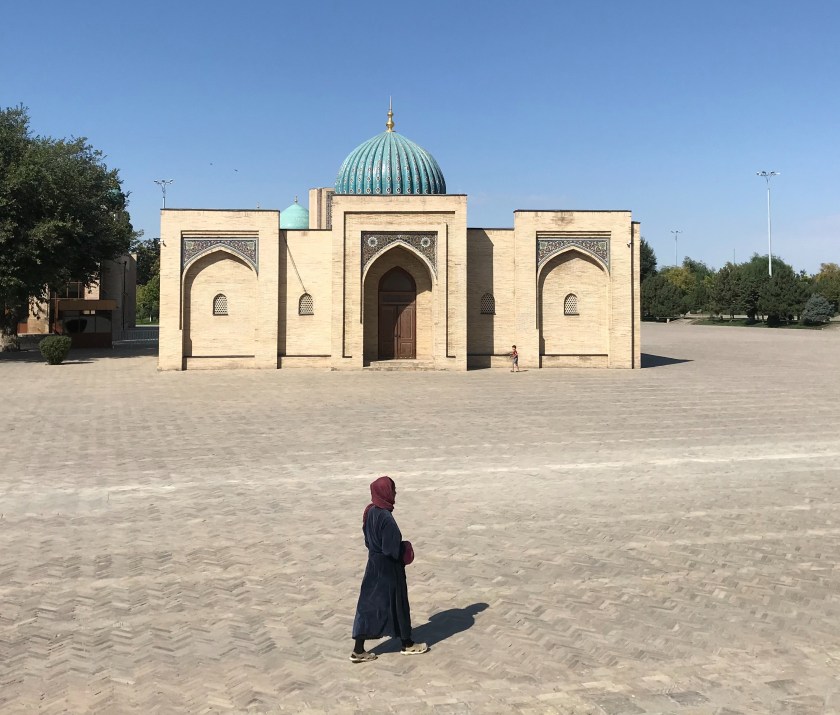
Also in the complex is the Barak Khan Madrasa (a Madrasa is a college for Islamic instruction – this is the first of many we will see on this trip). The guide explains that the imam leads prayers in the mosque and in order to be an imam you must have memorised the whole Quran. We take the opportunity for our first group photo:

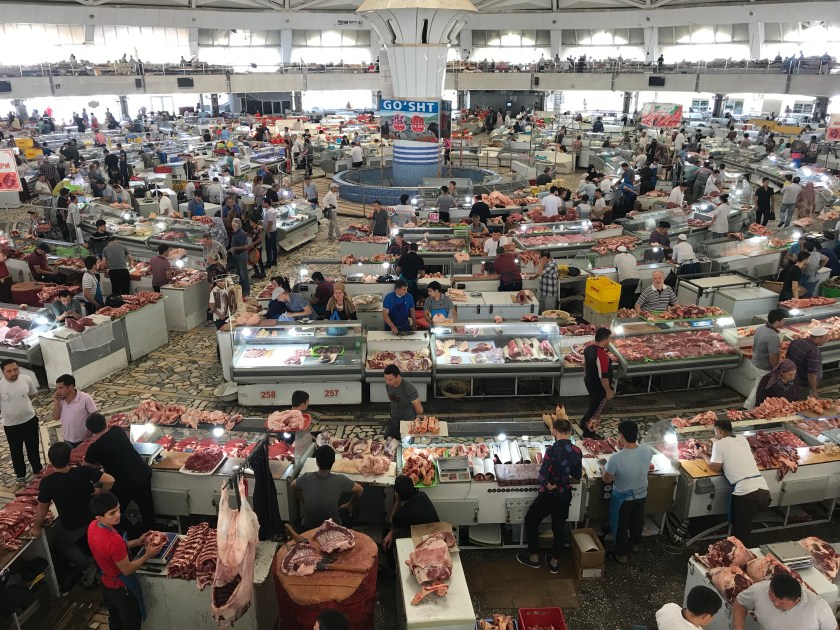
Fazli tells us the next “object” to visit is the Chorsu Bazaar, one of the largest and oldest markets in Central Asia. It’s a giant marketplace and a fantastic way to see locals going about their daily lives. There are amazing fruits and vegetables and the meat section, where we see horse, is quite a site to see…

We visit the Kaffal Shashi mausoleum where we see a Quran written by one of Mohammad’s four disciples. Also in the Library is the smallest quaran and quarans translated into many different languages, even one in Braille.

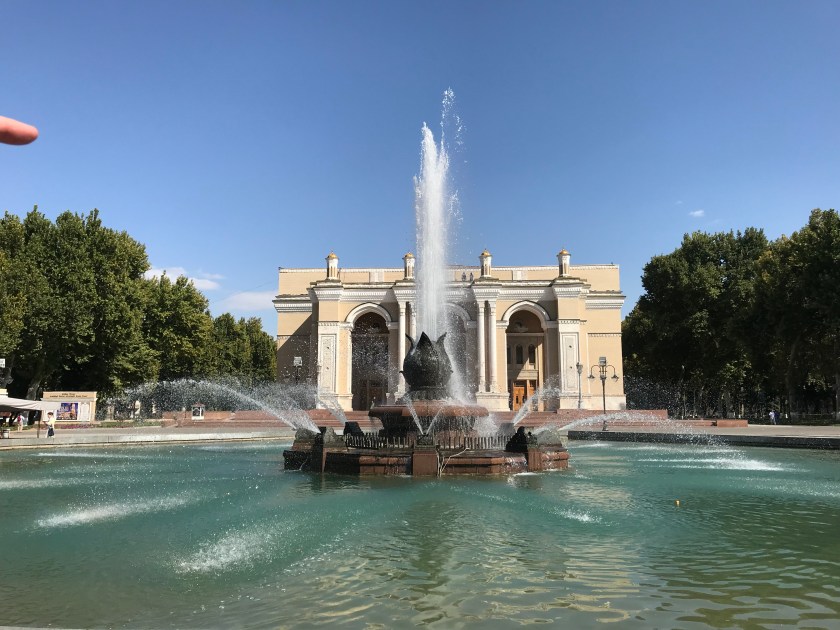
After lunch which is at an oddly modern US diner type restaurant we make a quick stop at the national ballet and opera theatre

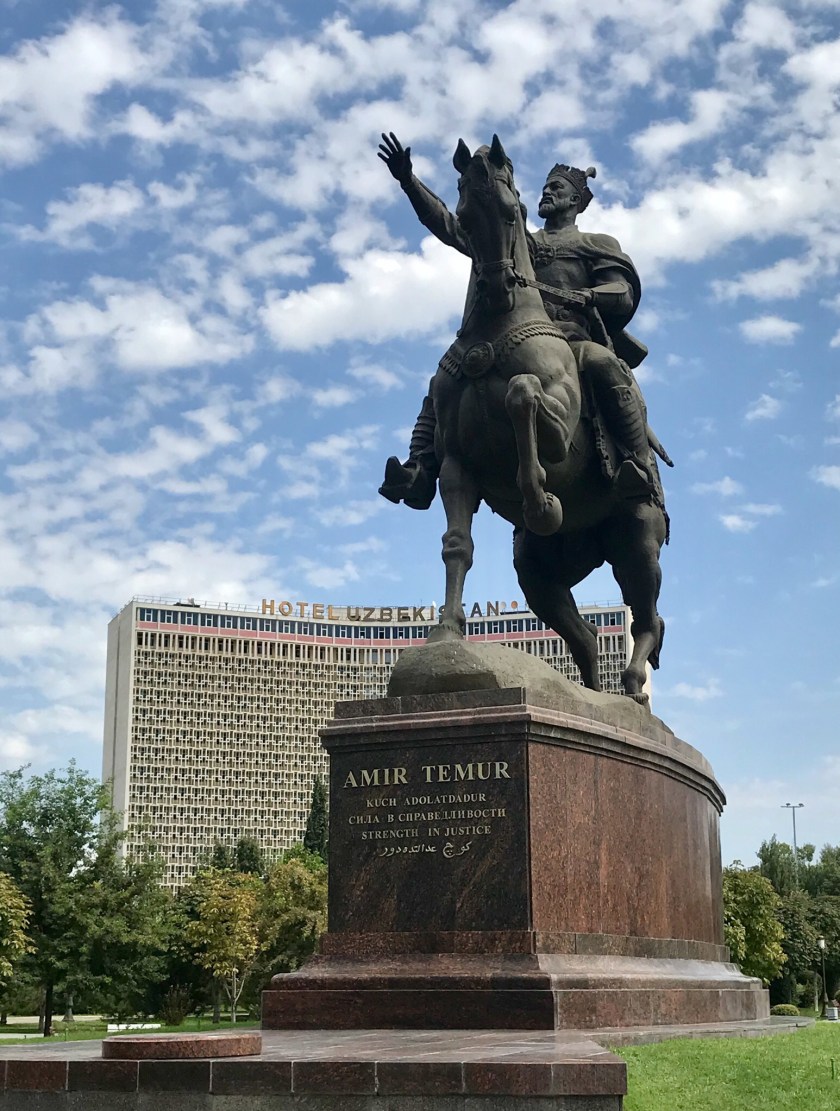
We do a quick one hour run through the The History Museum which is just enough as it’s hard to take everything in. We do hear a lot about Amir Temür aka Tamerlane who was the most powerful ruler in the Muslim world in the late 1300’s and into the early 15th century. It’s apt then that our next stop is at Amir Temur Square in the central park with the statue of Amir Temur on horseback and the imposing Hotel Uzbekistan behind.

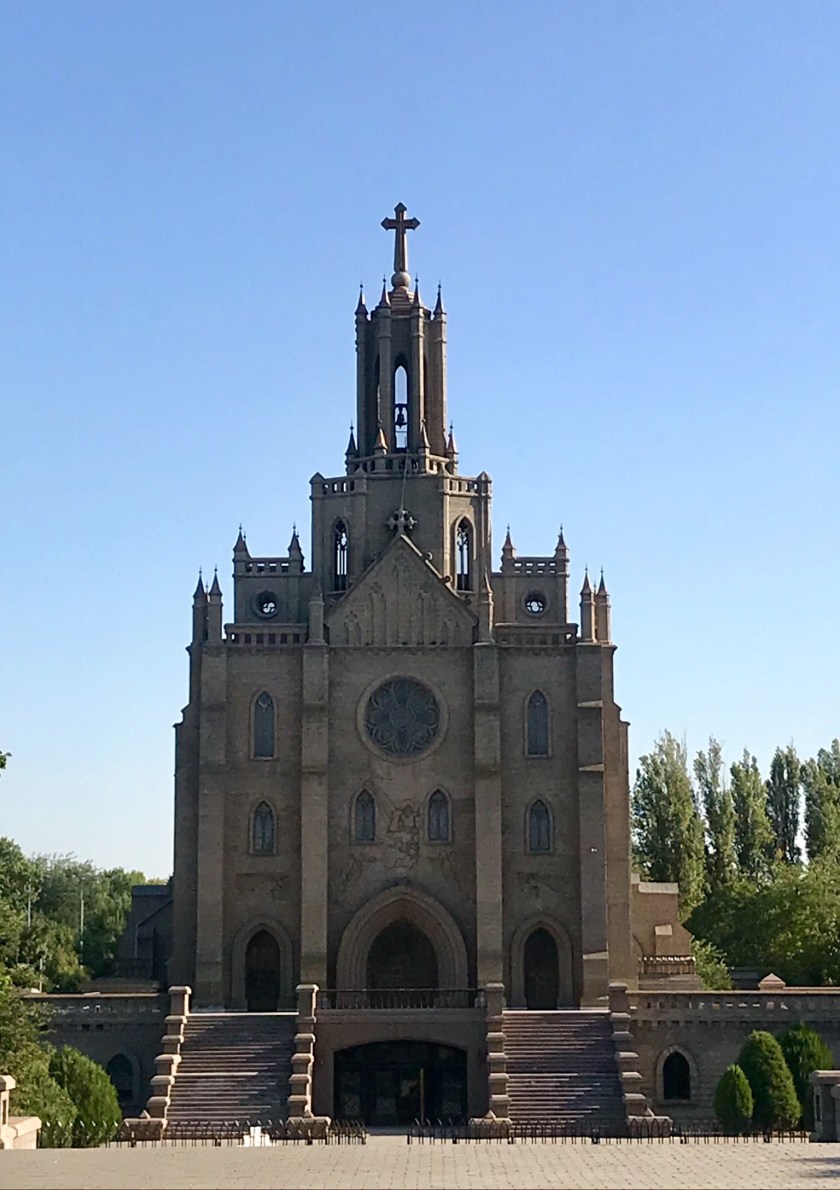
Our last stop of the day is at the Roman Catholic Church of Tashkent. It has quite an unusual feel to it as when you walk in the main doors you have to go to the right and climb steps to get to the main church. It’s brightly decorated with minders stain glass windows. There’s a lot of Mother Teresa stuff around, must be because it was her birthday a couple of weeks ago (same day as me in fact!).

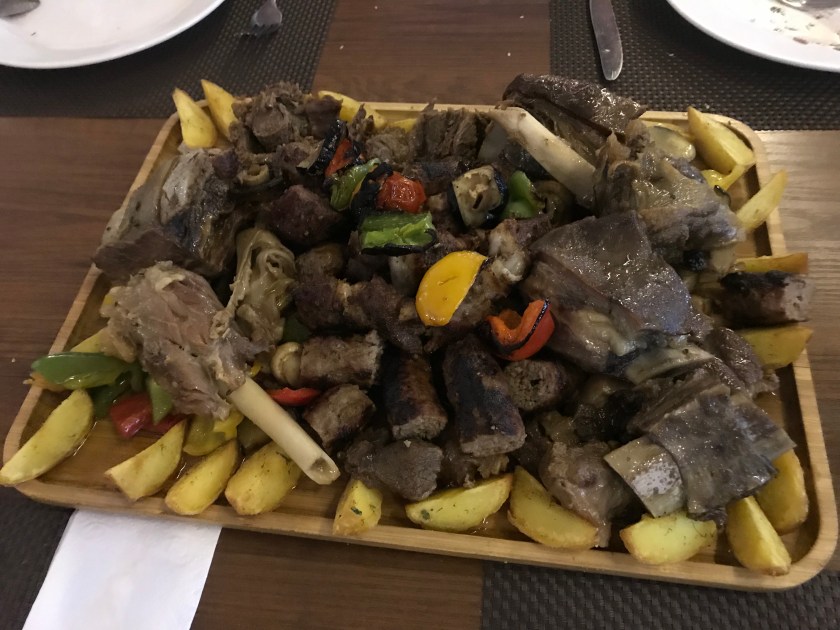
After a little rest back at the hotel we head out for dinner and have a feast of local meat and salad… delicious!

Tomorrow we head south to Samerkand so bye for now Tashkent.