Bhutan Part IV : Thimphu

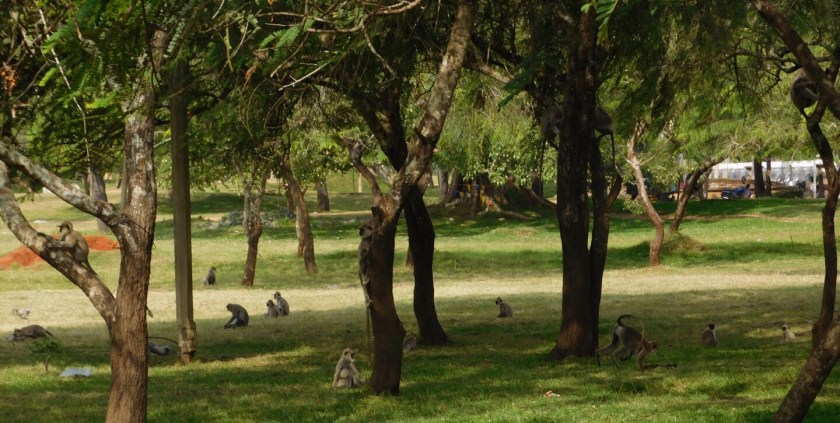
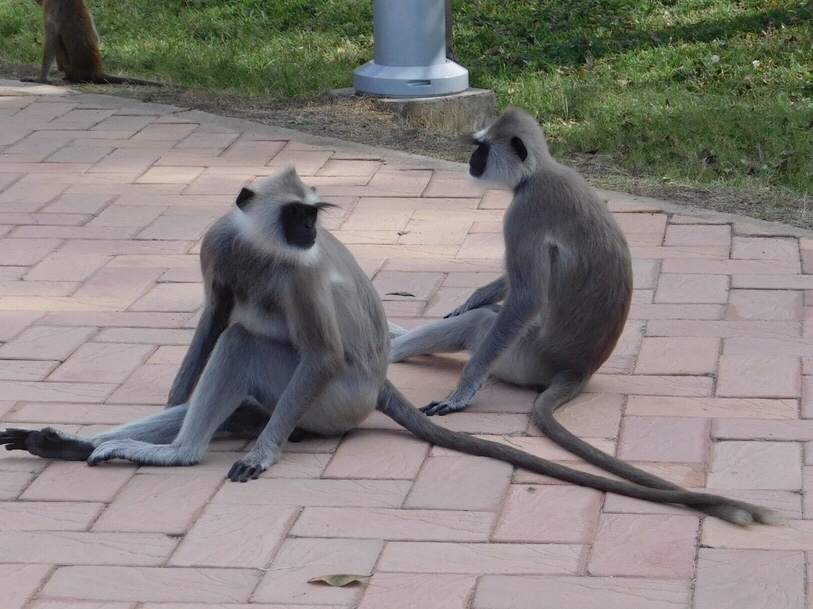
Thimphu is the capital of Bhutan with just over 100,000 people of Bhutans 800,000 total population. Back on the crazy roads there was some excellent animal spotting : langur monkeys

More yak:

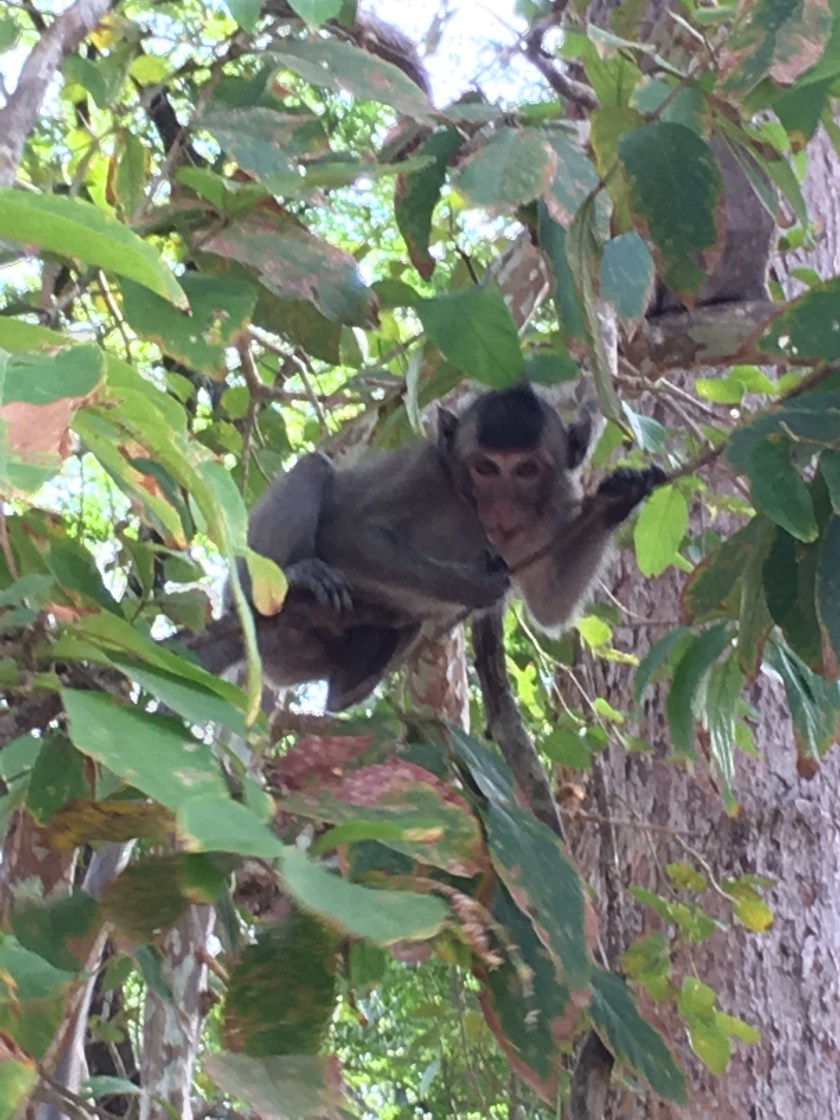
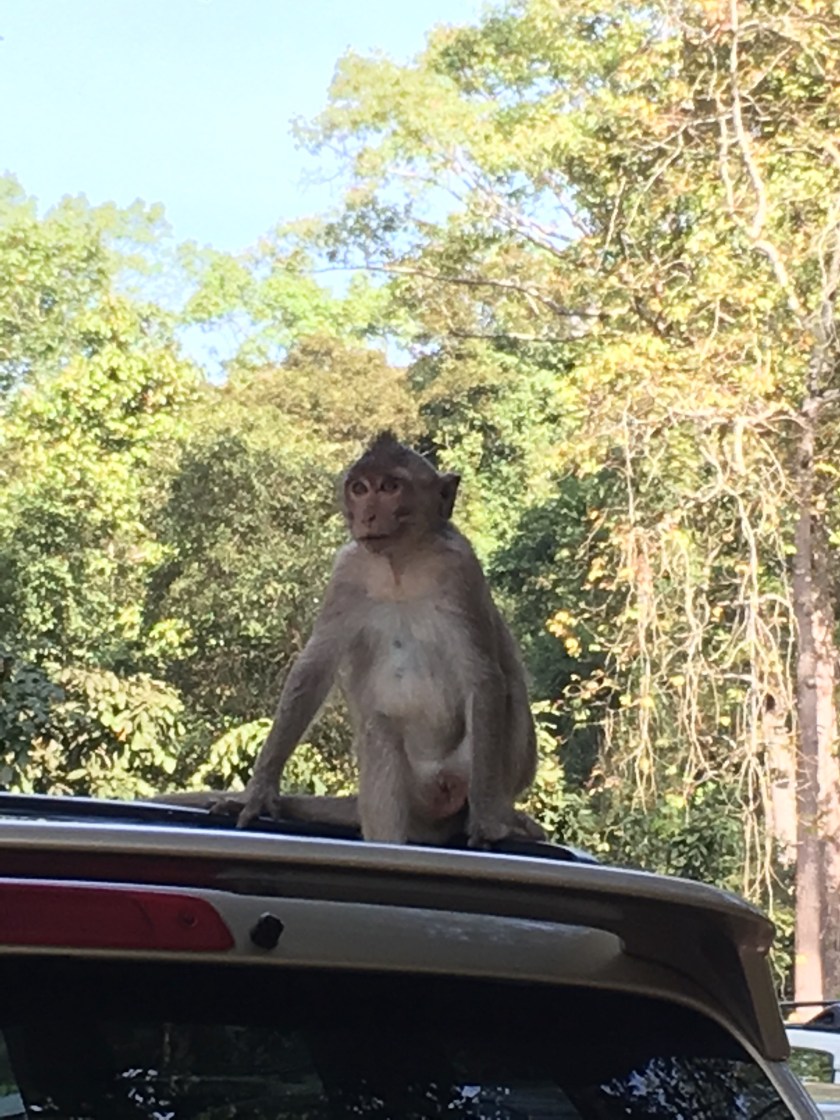
Then some other kind of monkeys:

When we arrived in Thimphu we headed for the memorial chorten which was busy with tourists, a bit of a first for us in Bhutan.

There were some great prayer wheels here and some great local characters

Next something the whole group were really looking forward to – Bhutans national animal – takin! The Royal Takin Preserve was the place to see them:

We also saw various different types of deer:

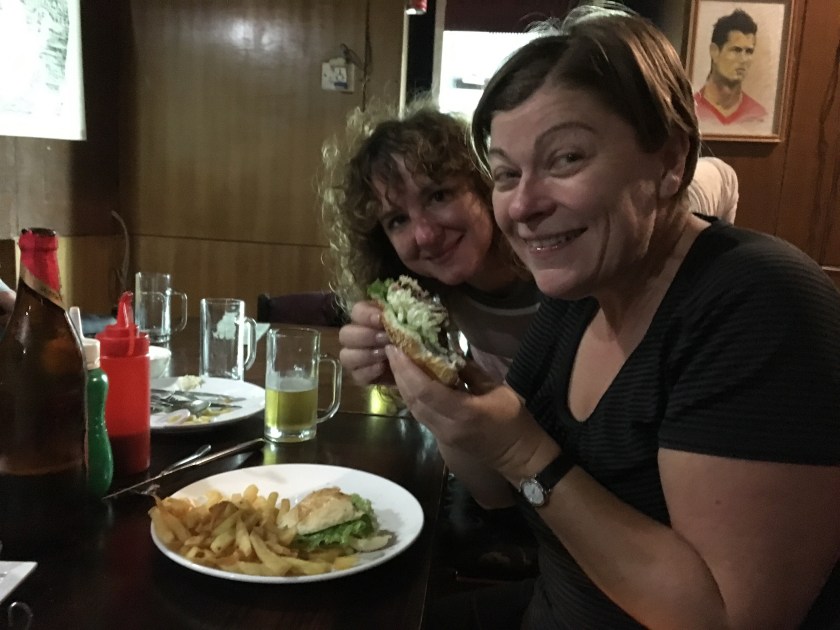
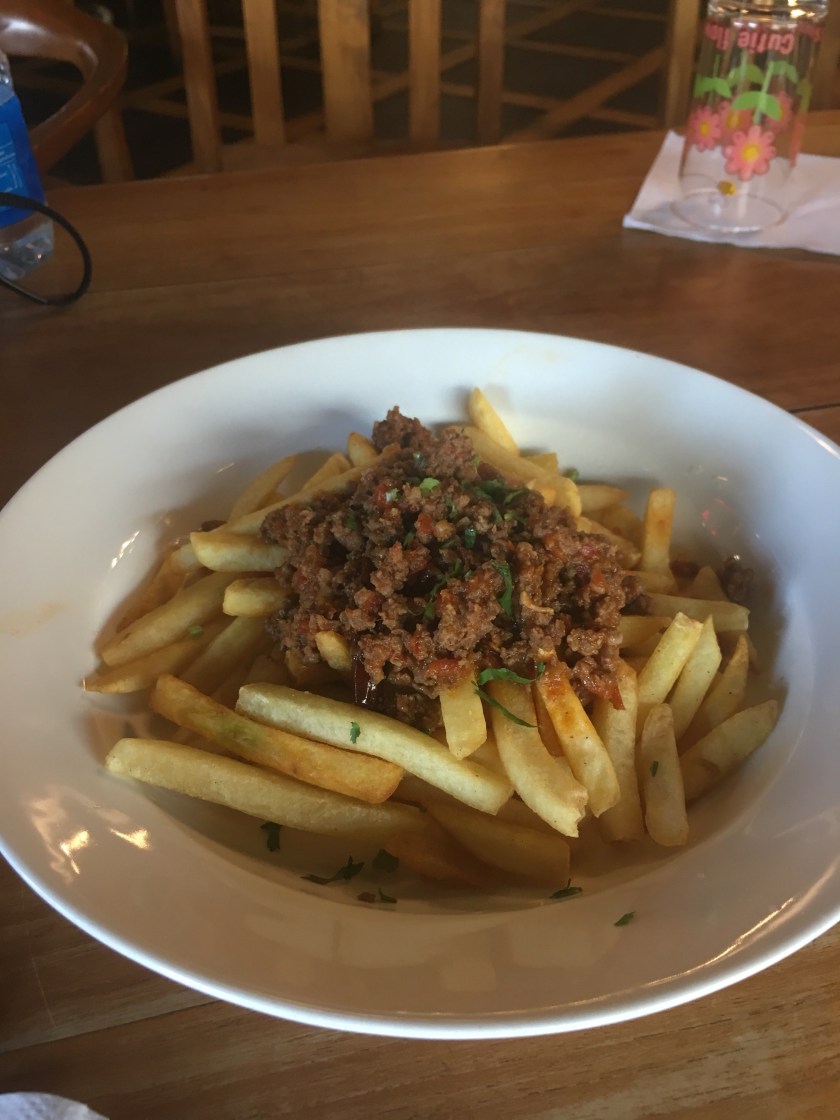
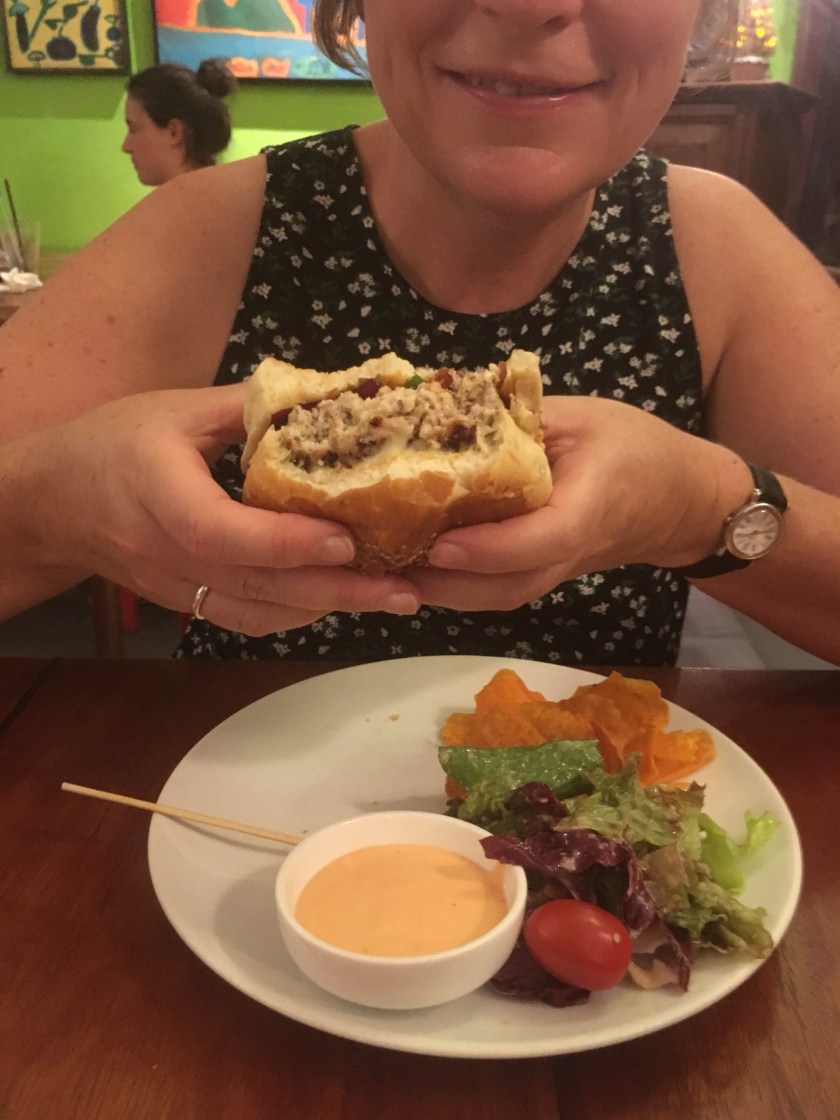
With Thimphu being the capital and takin on my mind, I hoped this might be an opportunity to find me a yak burger!! Sure enough after a bit of shopping around town and directions from our trusted guide we found the spot and I happily munched a yak burger with fries and local beer. I was in my element and it meant I could skip the buffet dinner that night and have a bit of quiet time at the really nice hotel we were staying in. I needed my strength for the next day.

The next morning bright eyed after a great sleep (which is rare for me) we set off in the bus up and up and up the mountain to Buddha point to view the fairly new giant Buddha :

After a spot of art and local handicrafts shopping we stopped by the local archery grounds and got to see a game in progress. It was very amusing to watch. The board the players are aiming for is miles away.. well 150 metres but that’s so far to shoot an arrow. It was so funny to watch them as the opposing team does a dance at the board before and after each shot

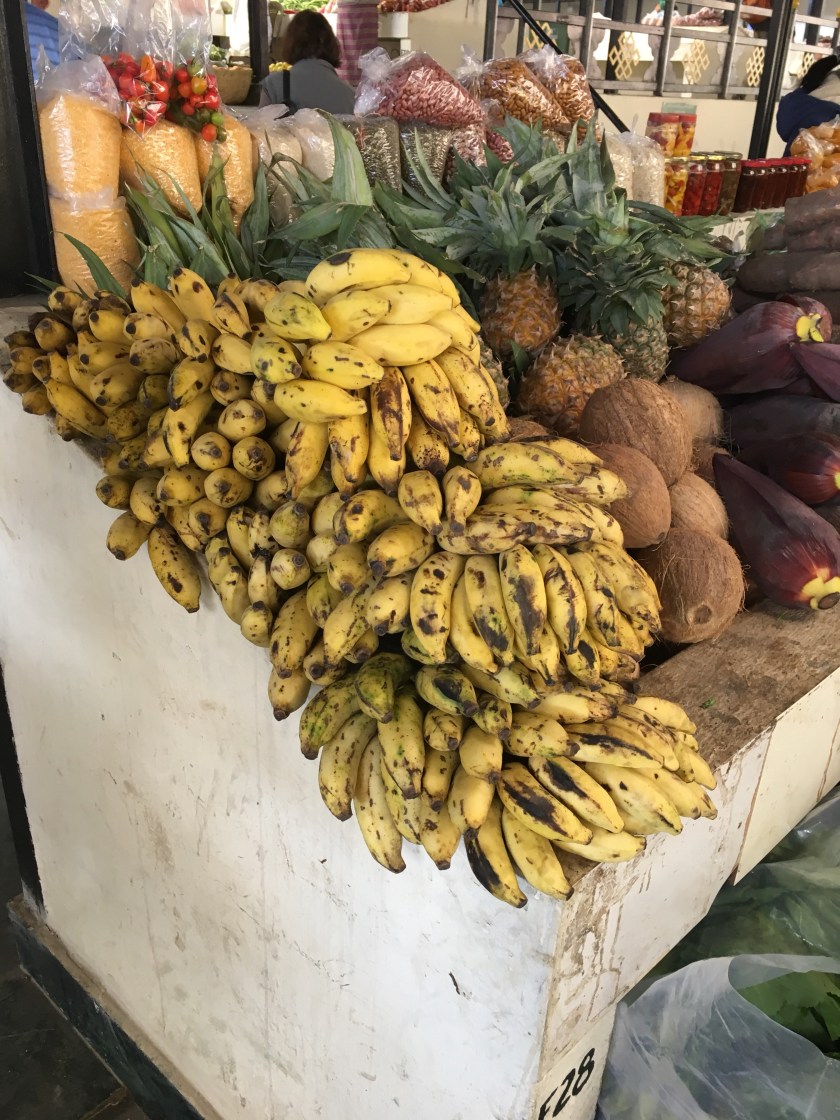
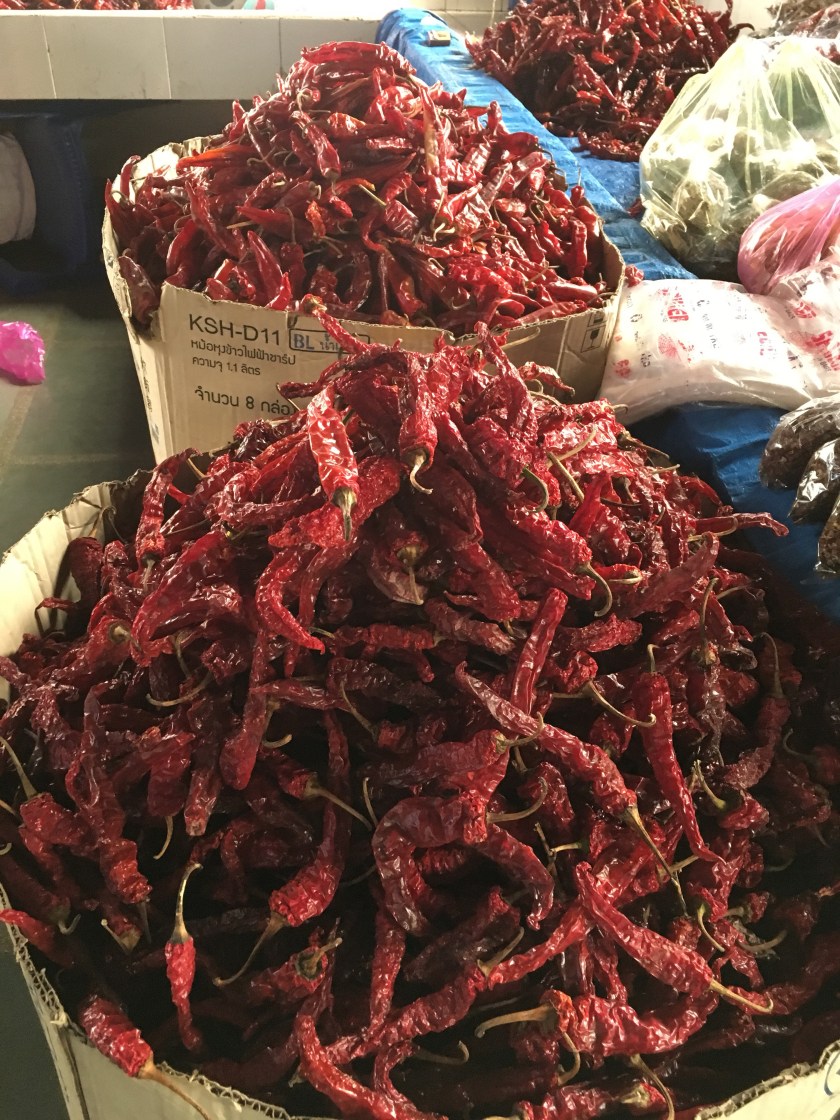
Next stop was the centenary farmers market which had all sorts of local produce

The national library was next. I do love a good library but it was a bit on the small side – seeing the Bhutanese scriptures in local language was interesting and the building was nice but it was no Trinity college!

Bhutan Part III : Gangtey Valley

The drive from Punakha to the Gangtey valley was a memorable one. The roads ran high over the valley and were very twisty. Our driver did a brilliant job though and he stopped for all sorts of photo opportunities – this was one of my favourite: yak, yak, yak

Our first stop was the Black necked crane visitor centre where we spotted some of these beautiful birds through telescopes but we would have a chance to see more on our nature valley walk tomorrow. We headed for our hotel called Dewachen (de wachen you and de wachen me!!) which was a really beautiful set of buildings built into the side of the mountain.

The next morning we did our Gangtey nature trail walk across the Phobjikha valley. It was an easy hike across some beautiful countryside and we saw lots of the black necked cranes.

Further on we came to a monastery and school for young monks. As we approached we could see that they were sitting in their robes on the grass outside praying.

There was a small shop where they sold incense which they made there at the monastery.

From there we climbed uphill and had the chance for a group photo among some amazing vertical prayer flags:

A couple more kilometres through some nice trees smelling the clear fresh air and we reached the Gangtey Goempa monastery.

It’s a large monastery with monks quarters around the edges. The main building is surrounded by prayer wheels which were dutifully swung.

That night we had a home stay dinner which involved a lesson in making momo’s. Our hosts were very welcoming and after some rice wine, beer and the most potent dessert I think I’ve ever had, we had a bit of a sing song.

Our guide and driver taught us a Bhutanese song and then we turned that into our very own hit called Guru Rinpoche! Now I haven’t mentioned him much so far and that’s probably because I haven’t gone into much detail about the inside of the monasteries we visited, mainly because you’re not allowed to take photos and it’s hard to remember all the details. That said, Guru Rinpoche is responsible for finding a lot of the monasteries visited across Bhutan and Tibet. He became somewhat of a hero of mine and we sang our Guru Rinpoche song multiple times throughout the trip.

Bhutan : Part II Meditation with a monk & Punakha

After a hearty breakfast we had a meeting with a monk! This is apparently an exclusive offered by this tour and it was a great experience. Kenpo Phuntsho Tashi was just lovely. He was praying as we entered one by one and handed him a white scarf that he then placed around our necks. We sat in seats around him and he started by teaching us some basic meditation. He explained that there are seven postures to follow which include how to place your feet, hands and tongue. From there you concentrate on your breathing where you breath out for longer each time. He told us that as beginners you should only meditate for one minute a day but try do it 10 times a day and build it up gradually. He said there are so many distractions that if you tried to meditate for a long period of time you’d get bored or just fall asleep!! He was very lighthearted about the whole thing but talked about how important meditation is not only for yourself as an individual but also to help bring peace to the world around us. While meditating you should repeat “I am a lotus flower blossoming for the world” – I thought that was lovely.

He talked a bit about his background which was really interesting- he was sent to the monastery at only 8 years old and really didn’t find happiness himself til he was about 28. He studied hard and has written a lot about Buddhism and many of his books have been translated across the world. He also mentioned that he’s great friends with Richard Gere!!

After the photo shoot with Kenpo we loaded up the bus and were off to Punakha with a stop on the way to visit the Thimphu dzong.

It was at this dzong that I had the opportunity to use the monks toilet… I’m not sure who was more surprised when I walked out of the stall to see a couple of male monks in front of me – we each gave a little shriek and ran!!!
En route we stopped at the Dochula pass which is at 3,100metres. It was really cold up so high but there were beautiful views even though most of the time the mountains are covered in mist:

There are 108 memorial chortens or stupas that were built by the queen mother and we walked around them all:

We arrived to our hotel – Hotel Lobesa which was set in a stunning location.. again looking out on a valley.

The room was new and modern and the view amazing. We were delighted to have two nights here. View from the toilet:

That night we had a taste of the local night life as our guide took a few of us to Karaoke in a bar in the little town. It was hysterical and a great insight into the “party scene”!!! We had a few bottles of beer and yes of course I sang.. yes a few times.. mostly dueting with my fellow tour buddies and performing from our seats.. (no need to get up on stage here!). It was great fun and we gave the locals a giggle. There were English, Bollywood and local Bhutanese songs. For our grand finale we did the macarena which seemed like a good idea until we realised none of us knew how to sing all the words except “hey macarena”.. I moved swiftly away from the microphone and left our tour guide and one of the Canadian lads to sing while myself and another lad danced the moves (eh tried!!) on either side.. it was a total train wreck but very funny. We ended the night on stage dancing with some locals and even got a photo with them.

Next morning we headed off to explore Punakha. After stopping for a photo opportunity of the Punakha dzong which we’d come back and visit later:

We hiked across rice fields where local people were working and upward to the Khamsum Yueley Namgyal chorten (or stupa).

This stupa is full of statues of protectors and there were three different levels to climb up. The top was an open air level with great views of the valley:

I also got to to meet this cutie:

We met some cute kids on the way up who I shared a kit Kat with and there were beautiful poinsettia everywhere (first thought of Christmas)

After the hike we crossed a very long suspension bridge with lots of prayer flags. It’s apparently the longest in the country and was fairly shaky especially when a load of school kids were purposely rocking it:

When we’d driven through the town earlier we’d noticed a large prayer festival on in the local temple. One of the guys on the trip asked our guide Kinlay if it was possible to visit and sure enough without much hesitation it was added to our itinerary. The grounds were packed and there were hundreds of people including regular folks and monks praying and chanting. Kinlay told us that it was a 3 day festival to pray for world peace and they were going on all over the country. We were ushered in like VIPs and given seats in a tent right at the front of the action. After watching the monks praying there was a dance ceremony were boys wore the traditional masks and performed a ceremonial dance. It was fascinating to watch.

After we had been fascinated and entertained enough at the prayer festival we headed to the Punakha dzong. Considered the most beautiful in the country it is the second oldest dzong in Bhutan and used to be the seat of the government. It was beautifully decorated and there were lots of young monks praying.

You could have a prayer/blessing from the monks by giving a donation and telling them what year you were born in (I found out I’m the year of the rat) and they then gave you a small red string for around your neck. Later they ran out of the room they prayed in to throw something in a fire and then ran back in to pray some more. I had no idea what was going on but it was very interesting to watch!

The next morning before leaving the area we made a short hike through more rice fields and a small village with lots of shops to the Chime Lhakhang. This is the temple dedicated to Lama Drukpa Kunley or The Divine Madman!!!! The phalluses on sale in the shops and drawn on lots of houses gave us some clue as to what this guy was all about!!

According to the story, Lama Drukpa was a bit of a ladies man and ran riot with women wherever he went. He allegedly subdued a demoness with his “magic thunderbolt of wisdom” and remained infamous ever since. The phallus is supposed to ward off demons and so it’s very common to see it drawn on people’s houses and penis statues everywhere!!!

Bhutan : Arrival to the land of the Thunder Dragon

As arrivals go, arriving in Bhutan’s Paro airport is memorable. Did I mention we saw Everest AGAIN leaving Kathmandu…. anyway back to Paro – The plane gets very close to the hills as it’s coming in to land and you can hear sighs from the first timers like me! When you disembark you are greeted by one of the nicest looking airport buildings I’ve ever seen.

We flew Royal Bhutan Airlines also known as Druk Air and it was very nice.. even including a meal and glass of wine on the hour flight!! Immigration was easy and the officers were really pleasant – it was a sign of what to expect from the Bhutanese people. Check out this for a baggage reclaim:

Paro is located in a beautiful valley surrounded by mountains. The air appeared clean and fresh and it felt like we were somewhere very remote. Our hotel was on the opposite side of the valley so we had to drive through town and upward to get to our hotel which overlooked the valley below. We got a good sense of the landscape from this first short journey.. no large billboards, advertising is strictly controlled; no skyscrapers or tower blocks, 5 stories is the limit allowed, all the buildings have to conform to the traditional architecture and absolutely no chains.. it was really refreshing to be somewhere so different to home and most cities across the world.

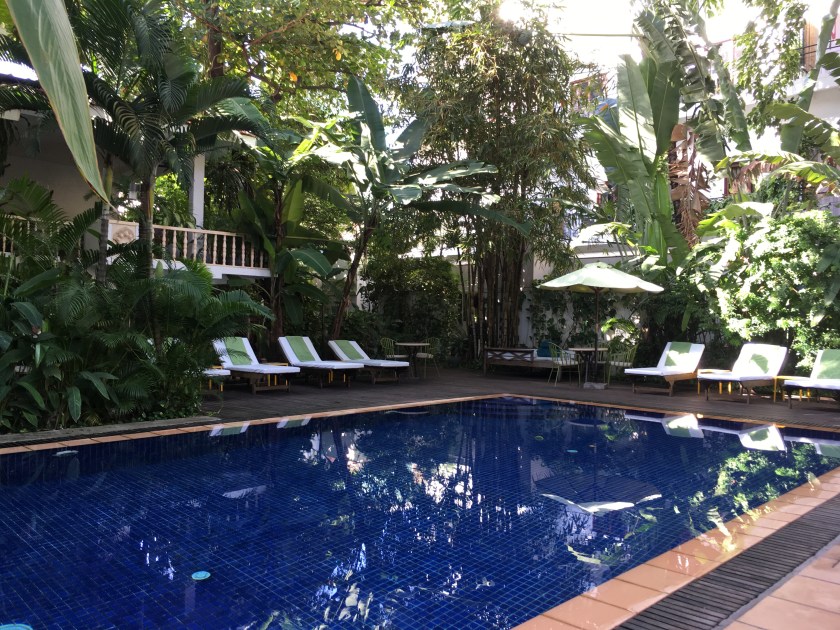
our hotel was fab – Hotel Olathang was built in 1974 for visitors coming to the coronation of the king. There is a replica of it in the national museum! It’s a dzong (fort/monastery) like building with chalet type guest rooms around the property. Our room was very cozy and wooden cabin like!

We didn’t have much time to explore on our first day as it gets dark early- by 5pm it’s already dark enough that you wouldn’t chance a walk down the hill – so we decided to explore the bar at the hotel instead! Nice bar, decent wifi to say hello to everyone at home, and a mouse running past every few minutes!! It was certainly authentic!

The following day, armed with my notes from comparing the “must see in Paro” to what was covered in our tour we set off to visit the national museum. The driver who picked us up from the airport (who we came to know as Tenzen – btw best driver ever!!) took us where we needed to go and also organised for us to have lunch in town when we were done.. all included in our tour – so nice. We had two others from our tour group join us so we were a nice small group.

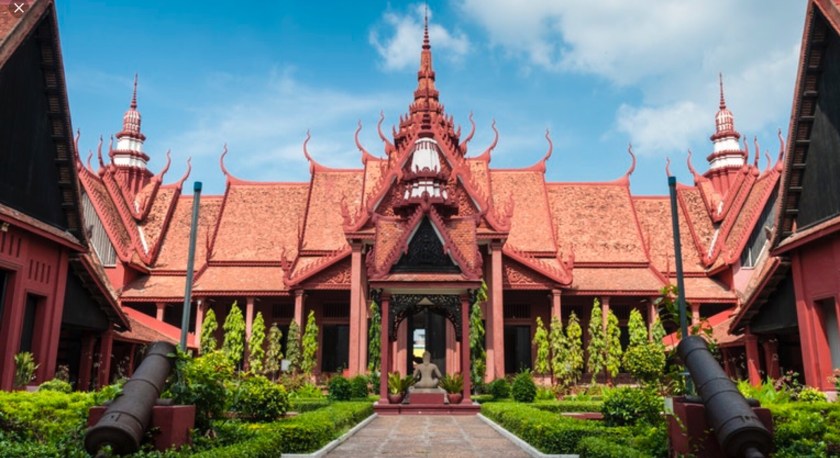
The museum was small but housed in a very cool building with really interesting exhibits. It had a huge array of masks that are worn in various different festivals and for different dances and each one has a different meaning. It also had Buddha statues and artwork and then a whole section on the flora and fauna of Bhutan and the wild animals they have. It was a great introduction to the country.

Next we headed to the “town temple”. There was a prayer festival going on so lots of people making offerings to the Buddha statue and sitting praying together. We spotted a wooden staircase and were wondering if we could go up there when five or so young ladies (students) headed in that direction so we followed them. The stairs led to a room, fairly sparse with a monk in full robes sitting on the floor cross legged. The girls sat around him and then he motioned to us to join them and actually asked us all where we were from and shook our hands. In hindsight I think he thought we were part of that group (who had clearly organised this session) so we just went along with it and joined in. It turned out to be a wonderful hour listening to this very learned monk tell us about some of the key wisdoms of Buddhist teaching. There was an opportunity to ask questions and each of the girls prefaced their questions with “in my research”… hmmm clearly they were learning about Buddhism. When the lady on our tour with us asked a question he asked her “and what is your research” to which she replied “oh I have no research” … he didn’t mind at all but it was funny to us as we’d clearly sneaked into a private meeting!! We had a giggle about it later and talked to the girls who were mostly American and were happy that we’d joined in. It was quite a memorable first morning in Bhutan!
I also swung my first Bhutan prayer wheel at this local temple : Druk Choeding

Our welcome meeting was held later in the evening where we got to meet our tour group – 13 of us in total including Canadian (French speaking and the regular kind!!), American and of course one Irish! With a bit of free time on our hands I decided to check out the spa and had the most wonderful banana facial!!!

Dinner and a few drinks at our little bar, a quick goodbye to our yak and we ready for take-off the next day..

Kumari

“Do you want to see a living goddess?” our guide asked us as he took us around the palaces of Durbar square. I hadn’t a clue what he was talking about but I was fascinated to find out. It was our first day exploring Kathmandu and it was Saturday, apparently the one day a week that the royal Kumari gives an audience! We stood in a small courtyard and after about 5 minutes a little 3 year old girl peeped out from the middle window above!

Unfortunately we weren’t allowed to take photos but we were told how lucky we were to see her! As soon as I got back in the world of wifi I googled this craziness and found out that it’s been going on for centuries. A child is picked from a particular family and must meet certain physical criteria to be eligible. To be chosen is considered to be a great honour (although it does seem less so nowadays). The child is taken away from her family and lives in the palace and only comes outside for certain religious festivals. She remains Kumari until puberty or if she has some kind of injury earlier where she loses a lot of blood she, this can also result her “term of office” as such coming to an end.

The next at at the Patan museum shop I found a couple of books on the subject so whipped them up. This was a good read about how this girl went back to normal life after being Kumari.

As I read more I found out that the little 3 year old we saw is the royal Kumari but there are others around the country!! In fact there is another in our very own neighbourhood Patan (or Lalitpur) so on our day exploring our neighbourhood we find the Kumari che which is the Kumari palace.. it was a little less fancy than the royal one

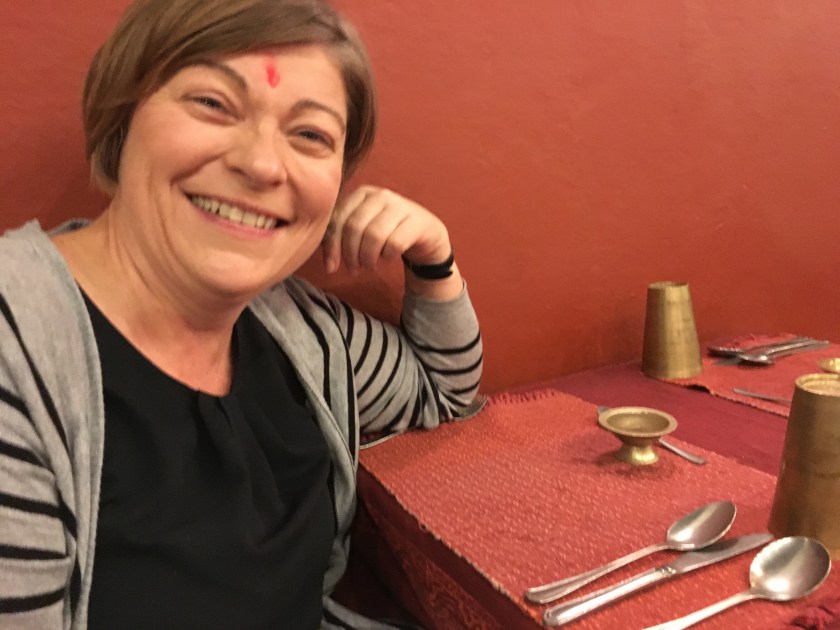
We didn’t find our til later that we could have rang a bell and got to see her but once we had this info we knew it was gonna happen. On our last day in Nepal we headed over there… I put my shawl on (bought it specially as My top didn’t cover my shoulders!!) and we rang the bell. A man came out and motioned for us to come inside. He told us to take our shoes off while he went ahead up a set of small, steep wooden stairs. He called us up and there was this young girl sitting in front of us with a very miserable look on her face. He motioned for me to kneel in front of her and she put a blob of flowers and paint on me – this is called a tikka and it was her blessing!

We didn’t find our til later that we could have rang a bell and got to see her but once we had this info we knew it was gonna happen. On our last day in Nepal we headed over there… I put my shawl on (bought it specially as My top didn’t cover my shoulders!!) and we rang the bell. A man came out and motioned for us to come inside. He told us to take our shoes off while he went ahead up a set of small, steep wooden stairs. He called us up and there was this young girl sitting in front of us with a very miserable look on her face. He motioned for me to kneel in front of her and she put a blob of flowers and paint on me – this is called a tikka and it was her blessing!

It was the oddest thing but I must admit I enjoyed meeting the Kumari!

General Observations from Nepal

  • Nepalese people love popcorn – you may even get it before your meal in a restaurant
  • They rarely give you a straight answer… going around the houses is an understatement
  • When you order a dish with chicken, it tends to be always on the bone
  • There clearly cannot be an NCT in operation as most cars are in a heap! We got the same driver three times in a row – he was about 25 stone and he was driving a Suzuki and we were barely able to fit in the back.. the doorman had a right laugh the third time he turned up!!
  • They want to make you happy and say yes to everything
  • Anything goes on the road… drive on whichever side, down the middle, overtake on blind bends etc!
  • Milk tea in Nepal does not mean you take a drop of milk in your black tea – it’s a concoction of half tea half hot milk – don’t do it!!!!
  • All meals are served on cold plates.. arghhh (my Da would have a fit!)
  • There are separate queues at airport security for men and women!

Nepal Part II : Nagarkot Sunrise, Stupas and Temples

Arriving back to Kathmandu from Tibet felt like coming back home for a few days. We were greeted like the whole place knew us (which at that point I think they did!) and got a lovely room with a view of the mountains (through a dirty window.. it didn’t look that manky!!)

We were delighted to be back and within an hour our bathroom resembled a Chinese laundry – some washing had to be done! On a separate note I was feeling a lot better.. starving the illness seemed to have worked and although I missed an opportunity for a yak burger in Tibet I was feeling normal.. in fact I was ready for a glass of wine!

After a relaxing evening we had a busy couple of days ahead of us to get through the last key sites to see before leaving Nepal. First on the list Sawayambhunath known as the monkey temple:

As soon as we arrived it was obvious where the nickname came from – the place was mobbed by monkeys.. they’re everywhere – running around your feet, jumping from statues to stupas and swinging from trees and prayer flags. The temple itself is up on a hill so,lots of steps to climb but there was a great view of prayer flags and plenty of prayer wheels for us to swing and statues of Buddha, Vishnu, Garuda etc to see.

Next a quick photo stop at some newly built Buddha statues in a park at the bottom of the hill. This wasn’t officially on our tour but I’d spotted a postcard of it and asked where it was…. never wanting to displease the guide told the driver to pull in and I had a chance to take a look. There were no tourists here but lots of locals coming to pray. A young boy waved to me and offered to take a picture.. happy days!

Next on the list the Bodhnath (or Boudha) Stupa – the biggest stupa in Asia. It’s really impressive to see the eyes gazing out and with the sun shining bright it was dazzling. You always walk clockwise around a stupa and ring the prayer wheels in a clockwise motion so off we went. This area was uncluttered (unlikely the monkey temple) so it was nice to walk around in the open space.

After a really nice lunch overlooking the Bodhnath stupa we headed for the last temple of the day – Pashupatinath. This is the Hindu temple where they have cremations on the side of the river Bagmati. (It allegedly runs into the Ganges). This was the most expensive temple to visit at approx $20 and most of it we could not enter as it’s for Hindus only. We did catch a glimpse of a giant gold bull through the entry way to one of the temples in the compound. Oddly enough there was no problem for us to visit the cremation gatts. There are cremations going on 24/7 and you can see them very easily as they take place outdoors. It was a very somber affair watching human bodies (initially only covered by a shroud) get covered with grass or rice stalks and set on fire. We watched a cremation from start to finish and honestly weren’t the better of witnessing it….. a drink was needed on return to the hotel.

That night we ended up having our best meal in Nepal at a restaurant we found on TripAdvisor called Rosemary Kitchen and Coffeeshop. It was in Thamel so that meant walking around small busy streets full of shops trying to find it but once we did we were delighted. The restaurant itself was cosy and well lit with a great menu and decent wine. We were happy out!

Next morning we had a 4.45am pick up with an hour drive up the mountains on another very bumpy road to get to Nagarkot for sunrise. It was worth it for the beautiful views of the Himalayas though… seeing the sun bounce of the top of the peaks as it rose was gorgeous.

After the sunrise we hiked through some small villages to what is one of the oldest temples in Nepal – Changu Narayan. With a mixture of Hindu and Buddhist shrines it is famous for its ancient carvings. It had a lot of damage in the earthquake but you could see a lot of restoration already done and more ongoing.

Next it was on to Bhaktapur and our third Durbar square. This one is apparently the oldest of all the three squares. It had a really nice feel to it walking around the little streets. It was reasonably quiet and calm to walk around, not crazy and chaotic as Kathmandu and although they were hit pretty bad by the earthquake it wasn’t half as dusty and dirty. There is still a lot of restoring and rebuilding being done.. the evidence of which was all around. The highlight was the 5 tier stupa in the centre of the square.

On our last day in Nepal there were a couple of things nagging me… firstly I realised after visiting Bodhnath stupa we hadn’t seen the large prayer wheel. Apparently it’s the biggest in Kathmandu (if not one of the biggest in the country) and to add insult to injury it’s on the front cover of the Lonely Planet guide that we had been carrying around our whole trip!! So after a quick chat with our “anything to make you happy” guide Ujewel he put me in a taxi to go go back in and see the prayer wheel. It was well worth it … Lokendra, our original guide that day, was waiting for me out front and brought me to see the prayer wheel. He took the photo mimicking the book cover and we were done!

The 2nd thing on my mind was the Patan Kumari.. apparently she saw visitors every day and she was in our neighbourhood so I really wanted to see her. So we set off to have a final lunch and spot of fair trade shopping and onwards to the Kumari house. I got my tika (blessing) and was happy out.. another job done and I was happy to say goodbye to Nepal!

General Observations from Tibet

  • They have great lemon ginger tea that helps the tummy recover from altitude sickness
  • Crisps and packets of sweets are bursting with air and are hard to open!
  • Watch your toiletries after landing at the high altitude.. they may explode!
  • Don’t be surprised to see hotel staff lined up at various stages in the day reciting what seemed to be some sort of pledge of allegiance or to see supermarket staff at opening time lined up outside for the national anthem
  • Social media sites do not work well in China – whatsapp and Facebook took 3 days to update and I was never able to search on google although yahoo worked.. strange!
  • All toilets are squaters (except in the hotels)
  • Security seemed oddly strict and yet lax at the same time! Leaving Lhasa I was allowed bring my bottle of water but got a full-on pat down (I mean every bit of me was felt) going through the security check!!
  • You’ll see a fair bit of this:

Tibet : Tour Day 2 – The Potala Palace & Jokhang Temple

Sick with excitement and still sick from the altitude we set off for a second day in Tibet… Walking toward the entrance of the Potala palace reminded me of visiting Egypt years ago.. I felt like I was in a Discovery Channel documentary. I’ve seen it so many times on tv and in photos but it was just magical to actually see it there in front of me. Considered one of the great wonders of world architecture it did not disappoint. The palace is built into the side of the mountain and is white and red.. the red parts house the religious temples/chapels and the white parts the political offices. Many of the >1,000 rooms are now closed to the public so we could only see a limited amount and you are not allowed to take photos inside. There are a lot of steps to get to the top and once you’re “inside” there’s still lots more steps to go.

Back in Kathmandu, when we had got our visas, the guide from Tibetan tours gave us 2 tips : firstly don’t drink alcohol til you figure out how the altitude affects you or not at all (I ended up not being able to drink at all) and secondly don’t mention the Dalai Lama.. don’t talk about him, don’t ask about him and don’t have any kind of picture of him!! I initially thought the later might be a bit of a joke but it really isn’t. All reference to his holiness the 14th (i.e. current) Dalai Lama has been removed – it is quite bizarre!

Our guide seemed to be bursting to talk about the situation but she’s not allowed. She told us at the outset that she can answer questions “about the religious but not the politics”. For those of you not familiar with the situation the current Dalai Lama who is the 14th, fled Tibet in 1959 when the Chinese invaded and he has never returned as the Chinese will not agree to his leadership over the Tibetan region. In their minds this is Chinese Territory. You can see reference to previous Dalai Llamas but not the current one. [Sidenote : the Dalai Lama is a reincarnation of Chenresig who is the compassion Buddha. This makes total sense as he refuses to resort to violence to take back power. He preaches peace and prayers for peace across the world]

It was an amazing experience to see the palace (of which I took so many photos from every angle I viewed it) and to walk around some of the chapels inside (where no photographs are allowed).

Later in the afternoon we came back and walked the periphery as the pilgrims do – they call it kora. There appears to always be someone doing the kora. The palace is surrounded by prayer wheels on every side so we swung those and prayed for our specific intentions or just world peace as the buddhists do.

Later after dinner we made our third trip back to see it at night time as it is beautifully lit up. It was lovely walking around in the evening and seeing this fabulous structure.

The last place we visited on our tour is considered the most religious structure in Tibet. Pilgrims visit the Jokhang temple and not only circle it doing their kora but also prostrate themselves in prayer outside. The temple was built around 650 AD by King Songtsen Gampo and houses some really old statues and buddhas.

After doing a kora three times around the temple we had our shopping complete (I bought a beautiful statue of future Buddha) and headed off to find some local food.

Tibet : Capital city Lhasa – Arrival and Tour Day 1

The flight route from Kathmandu to Lhasa takes you past the Himalayas… you just look out your window and there they are – it is quite spectacular. On the flight there was no announcement and the air hostess hadn’t a clue (I asked) so we were a bit confused and not sure if we’d actually seen Everest. Suzanne did attempt to ask the man sitting beside us if he was a frequent flyer on this route and therefore knew if we saw it to which he replied “snow mountain”! On the return journey the pilot actually announced as we past by that Everest was within our view so the good news is I had photographed it on the way out and here we were again looking at it on the way back!

Lhasa is a beautiful airport to arrive into. After the hustle and bustle of Kathmandu there was a calmness on the roads and clean fresh air to breath. The airport is surrounded by hills and is basically in the countryside and it’s about an hour drive to the city. Although it’s referred to as The Autonomous Region of Tibet it became very clear, very quickly that we were in China (but more on that later)

Lhasa sits at over 3,600 metres above sea level and you can feel it (or at least I could) as soon as you walk out into the air… a strange thing and I haven’t found out if there’s anything scientific to explain this, is that I felt the urge to laugh.. in fact giggle almost hysterically.. everything seemed extra funny. Anyhoo…. when we came through the military style security check we were greeted by Jason, a young trainee tour guide who was sent to pick us up as our main guide for the next few days was busy. He put white scarves around our necks and wished us “good luck and happiness”. Later we were to see these scarves all over the temples in Tibet. As we loaded into the car and headed on our journey to the city It became apparent that Jason had very little English. He had a beautiful smile whenever we asked him a question but he only had 2 responses.. “yes yes” and “very beautiful”. As we drove through the countryside we saw local houses and what looked like farming communities and the odd monastery type looking building and we asked Jason “what’s that” to which he responded “very beautiful”… and again later “what’s that” and again with a giant smile “yes yes very beautiful”… whether it was the altitude or just the situation I could not stop laughing and we giggled away to ourselves in the back of the car! As we started to approach Lhasa the landscape changed – still surrounded by the beautiful hills and mountains, a large amount of construction was evident with high rise apartment blocks in rows appearing out of nowhere. It seemed very out of place to the countryside we’d just come through. Clear evidence of the Chinese development plans for the region….

Our hotel, Saikang Hotel was in a great location on the main road that led to the Potala palace one way and the old town the other. There were a number of things we noticed when we walked into the hotel.. the first was that there was a huge model of apartment blocks in the foyer which seemed very out of place but it became clear that this was a plan for the development of what the locals called “new Lhasa” and this hotel was not Tibetan run but Chinese run. The 2nd thing of note was the number of ashtrays around and the smell of smoke … although honestly we didn’t see a whole lot of smoking it’s allowed in hotels, restaurants and bars and I counted 3 ashtrays in our room (quickly removed as those of you who know me well can imagine!!).

The other thing we noticed immediately was the number of staff – there were dozens of young girls and boys (ok I know, I know that’s patronising and yes I’m obviously getting old but they seemed really young) none of whom spoke English so the check in process was challenging to say the least! For the whole time we were there whenever we approached the front desk for anything they just shouted to each other in Chinese and giggled at us.. it was funny at first and all we could do was laugh back and try guess what they were saying about the crazy foreigners back again talking goggly gook but it did get a little frustrating .. anyways it was only a 3 night stay so we coped and it was very amusing!

Left to our own devices on the first evening, we decided to walk to the old town (slowly!) and check out our surroundings. It was only a few minutes before we saw our first Tibetan monks in full robes and Nike runners!! They are everywhere and blend in with the locals around town.

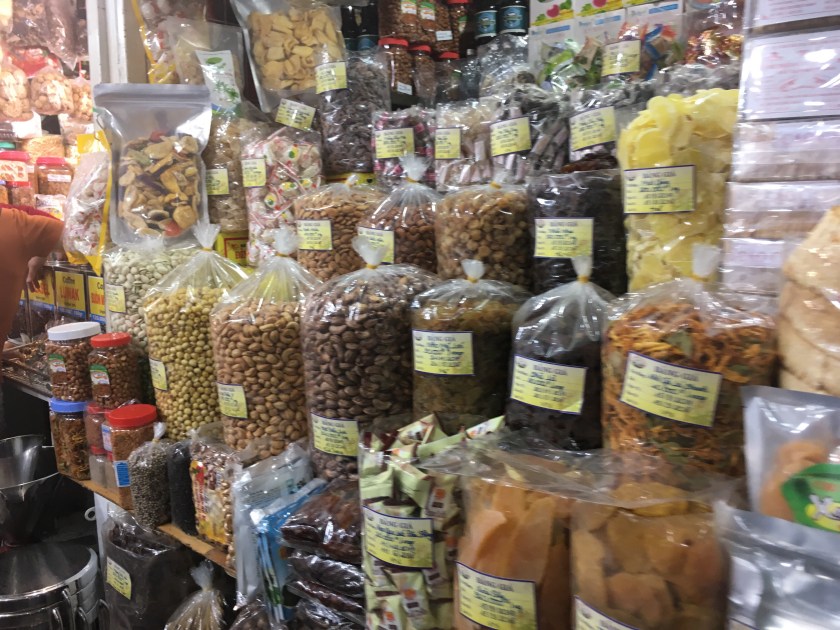
The old town is just that.. old! There were lots of small shops on ground floors with restaurants on top and homes in the back. We found a decent place to eat and on the way home stopped into a supermarket which as it turns out is the main supermarket in Tibet (called Baiyi) it had the largest choice of dried fruit and other strange stuff I’ve ever seen.. we must have spent an hour in there looking around and loading up on snacks!

Day 1 Tibet Tour:

Tourists visiting Tibet need to be part of an organised tour. I had found a tour company online called Great Tibetan Tours and they provided all the necessary visas (at a handsome fee of course) and had a proven track record so all we had to do was book our flights. It’s expensive to fly to Tibet – over $500 from Kathmandu return and it’s only an hour flight. That said, we knew it would be worth it and personally it’s been a dream of mine to visit this place since I learned about the Dalai Lama when I was a teenager. [Side note: the sickness from Nepal returned at around 3am after arrival in Tibet with the addition of vomiting and a headache so although I’m smiling in the photos I’m in a heap on the inside!!]

Our local Tibetan tour guide was amazing!!!! Her breath of knowledge about the history of Tibet and Buddhism in general was outstanding. She gave us so much information, at times hard to keep it all in but I was starting to identify the present Buddha from the future Buddha and I could spot Guru Rinpoche.. I was really getting into it! We were a group of five – myself & Suzanne along with a very nice Chinese lady and her Japanese partner and a US (via Ukraine) guy who we called Milk! We started off at 10am (happy days!) and headed for the Drupung monastery. We were lucky to see all the monks in the assembly hall praying together. Anna told us they pray for world peace. It was really cool to see them all lined up sitting in their robes some half asleep some very eager praying loudly and oddly enough none of them seemed to mind us walking around gawking at them!

In the afternoon we headed to the Sera monastery which is famous for the Monks Debate. We watched them for quite a while as they questioned each other and slapped hands with a little jump. It was fascinating to watch. We also saw some amazing mandalas made by the monks.